
 By admin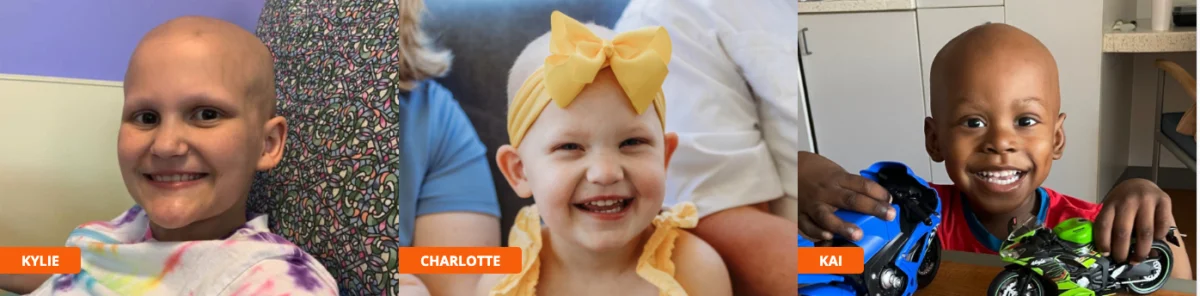
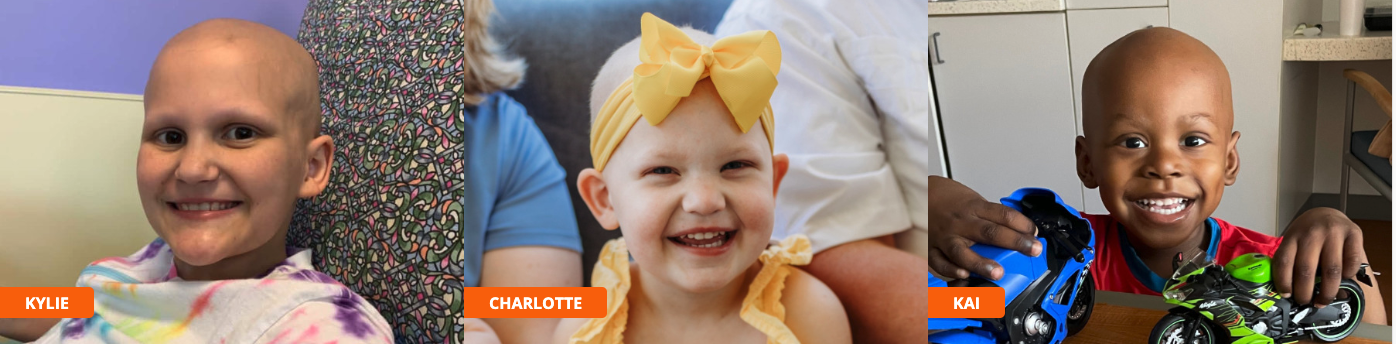
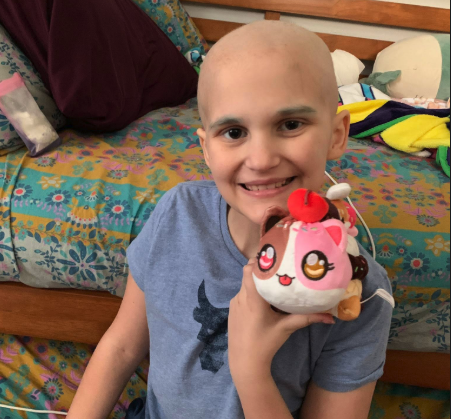
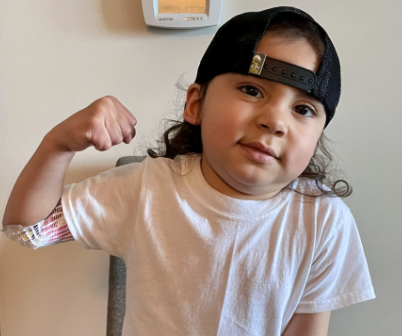
The Great Cycle Challenge, a national cycling initiative dedicated to ending childhood cancer, has officially entered its 12th year of partnership with the Children’s Cancer Research Fund, marking a significant milestone in the fight against pediatric malignancies. Since its inception, the event has mobilized hundreds of thousands of riders across the United States, who have collectively logged more than 38 million miles and raised over $87 million. These funds are directed toward the development of more effective treatments, the discovery of personalized therapies, and the mitigation of the long-term side effects often associated with standard oncology protocols. As the 2026 campaign begins, the organization has introduced five new National Ambassadors—Charlotte, Kai, Kylie, Jasper, and Emma—whose personal battles with various forms of cancer underscore the urgent necessity for continued scientific advancement in the field of pediatric oncology.
The State of Pediatric Cancer Research and the Role of the Great Cycle Challenge
Childhood cancer remains the leading cause of death by disease for children in the United States. Despite this, pediatric cancer research historically receives a disproportionately small fraction of federal cancer research funding—often cited at approximately 4% of the National Cancer Institute’s annual budget. This funding gap has necessitated the rise of private philanthropic efforts like the Great Cycle Challenge (GCC). By leveraging a peer-to-peer fundraising model, the GCC allows individual cyclists to set personal mileage and financial goals, transforming physical activity into a vehicle for medical innovation.
The 2026 campaign focuses on the "everyday moments" that research makes possible. For the families of children diagnosed with cancer, research is not merely a laboratory pursuit; it is the catalyst that allows a child to return to school, ride a bike, or play at a park. The initiative emphasizes that every mile pedaled contributes to a broader ecosystem of support that includes clinical trials, survivorship programs, and the exploration of genomic sequencing to target rare cancer subtypes.
Profiles in Resilience: The 2026 Great Cycle Challenge Ambassadors
The 2026 Ambassadors represent a cross-section of the pediatric cancer experience, highlighting the diversity of diagnoses and the varying stages of treatment that thousands of American families navigate annually.
Charlotte: Navigating B-cell Acute Lymphoblastic Leukemia
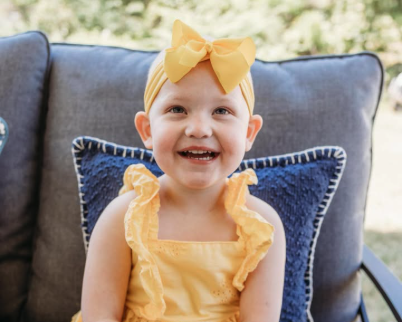
At four years old, Charlotte is currently in the maintenance phase of treatment for B-cell acute lymphoblastic leukemia (ALL). ALL is the most common form of childhood cancer, affecting the white blood cells. While the five-year survival rate for ALL has improved significantly over the last several decades due to research, the treatment regimen remains grueling. Charlotte’s journey involved months of intensive chemotherapy designed to eradicate leukemia cells from her bone marrow. Her mother, Emily, noted that the investment in research is an investment in the future of every child who will eventually face a similar diagnosis. For Charlotte, the success of current protocols has allowed her to return to outdoor activities, including riding her pony and biking with her sisters, illustrating the importance of maintaining a sense of normalcy during long-term treatment.
Kai: The Battle Against Neuroblastoma
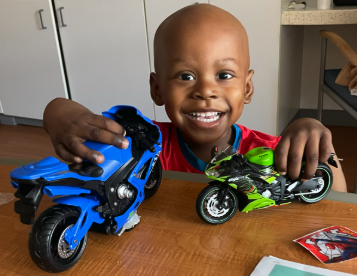
Three-year-old Kai is currently undergoing treatment for neuroblastoma, a cancer that develops from immature nerve cells and most commonly affects the adrenal glands. His treatment plan has been multifaceted, involving cycles of chemotherapy and surgical intervention. Neuroblastoma is known for its aggressive nature in certain high-risk cases, requiring specialized care and constant hospital monitoring. Kai’s family emphasizes the need for advocacy to protect the "innocence of childhood," arguing that children should be focused on play rather than the clinical realities of oncology wards.
Kylie: Confronting Relapse and Long-term Outcomes
Kylie, age 10, represents one of the most challenging aspects of pediatric oncology: relapse. After her initial diagnosis in 2022, she experienced a relapse in early 2025, marking her third time facing the disease. Relapsed cancers often require more intensive or experimental treatments, as the cancer cells may have developed resistance to initial therapies. Kylie’s parents have become vocal advocates for the development of new protocols that lead to better long-term outcomes. Her case highlights the necessity of research into "second-line" and "third-line" therapies, which are critical for children who do not respond to standard care.
Jasper: The Journey Toward the "Bell"
Five-year-old Jasper is nearing a major milestone in his treatment for acute lymphoblastic leukemia. He is expected to "ring the bell"—a traditional ceremony marking the end of active treatment—in September 2026. As his treatment has transitioned into the maintenance phase, Jasper has been able to reintegrate into school and sports. His progress serves as a testament to how physical activity and social engagement can aid in the recovery process, provided that the underlying medical treatments are effective and manageable.
Emma: Targeting Rare Phenotypes
Three-year-old Emma is fighting acute myeloid leukemia (AML) with a RAM phenotype, an exceptionally rare and aggressive subtype of the disease. AML is generally more difficult to treat in children than ALL, and the RAM phenotype presents additional clinical hurdles. Emma’s treatment has included high-dose chemotherapy and a bone marrow transplant. Her family attributes her ability to remain active during such a challenging diagnosis to the innovative therapies made possible through recent research. Emma’s experience underscores the importance of precision medicine—treatments tailored to the specific genetic makeup of a tumor.
A Twelve-Year Chronology of Impact
The Great Cycle Challenge has evolved from a small regional event into a national powerhouse of fundraising. Over the past 12 years, the timeline of the event’s growth mirrors the advancements in the treatments it funds.
- 2014–2017: The early years focused on building a community of riders and establishing the infrastructure for the "Challenge" month, typically held in September during Childhood Cancer Awareness Month.
- 2018–2021: The event saw a surge in participation as digital platforms made it easier for riders to track miles via GPS and share their progress on social media. During this period, the total raised surpassed the $50 million mark.
- 2022–2025: Despite the challenges of the global pandemic, the GCC maintained its momentum, hitting the $87 million total. The focus shifted toward funding "hard-to-treat" cancers and reducing the toxicity of treatments to prevent "late effects" like heart disease or secondary cancers in survivors.
- 2026 and Beyond: The current campaign aims to push the total fundraising beyond $100 million, with a renewed focus on the ambassadors’ stories to drive engagement.
Analysis of Implications: Why Research Funding Matters
The impact of the $87 million raised by GCC participants is felt across the medical community. Funding from the Children’s Cancer Research Fund (CCRF) is often used to provide "seed grants" to researchers. These grants allow scientists to gather the preliminary data necessary to apply for larger federal grants from the National Institutes of Health (NIH).
Furthermore, the research funded by these miles is increasingly focused on the "quality of cure." As survival rates for many pediatric cancers have climbed to 80% or higher, the medical community is now grappling with the fact that 60% of survivors will experience at least one chronic health condition as a result of their treatment. By funding research into more targeted therapies, such as immunotherapy and CAR-T cell therapy, the GCC is helping to create a future where the cure is not as damaging as the disease.
Official Responses and Community Engagement
The Children’s Cancer Research Fund has expressed that the Great Cycle Challenge is more than a fundraiser; it is a movement that provides hope to families who often feel isolated by a cancer diagnosis. "Every rider, every mile, and every dollar helps move research forward so kids can spend less time in treatment and more time being kids," the organization stated in its 2026 briefing.
Participants in the challenge range from professional cyclists to families riding together in their neighborhoods. The decentralized nature of the event allows for a broad demographic of supporters, which has been key to its sustained success. Many riders choose to "ride for" a specific child, often one of the National Ambassadors or a child in their own community, creating a personal connection to the cause.
Future Outlook and Participation
As the Great Cycle Challenge prepares for its peak riding season, the organization is calling for new participants to sign up and begin their fundraising efforts. The goal for 2026 is not only to raise funds but to increase national awareness of the specific needs of pediatric cancer patients. The organization maintains that until the survival rate for every type of childhood cancer is 100%, the mission of the Great Cycle Challenge remains unfinished.
Prospective riders can register at the official website, where they can set their own mileage goals for the month and create a profile to share their motivation for joining the fight. As the stories of Charlotte, Kai, Kylie, Jasper, and Emma demonstrate, the stakes of the challenge are measured in the years of life and moments of joy that research can provide. Through the collective effort of cyclists across the country, the Great Cycle Challenge continues to change what is possible for children facing the most difficult battles of their lives.
