
 By admin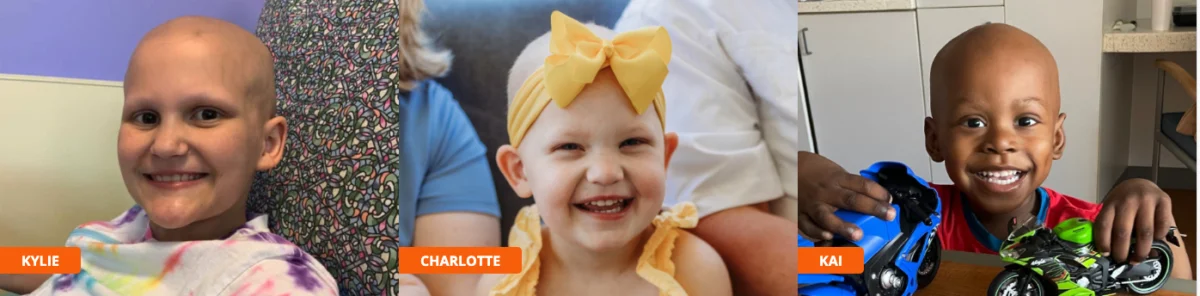
The Great Cycle Challenge (GCC) has officially entered its 12th year as a cornerstone of national philanthropic efforts for pediatric oncology, announcing its 2026 Ambassadors while celebrating a historic milestone of $87 million raised for the Children’s Cancer Research Fund (CCRF). Since its inception, the initiative has transformed from a niche cycling event into a massive community-driven movement, with participants logging more than 38 million miles to date. The 2026 campaign is set to focus on the human impact of these funds, highlighting the stories of five young survivors and patients—Charlotte, Kai, Kylie, Jasper, and Emma—whose lives represent the urgent necessity for continued innovation in cancer treatment.
As the organization prepares for its upcoming season, the emphasis remains on bridging the gap between laboratory research and the daily realities of families navigating a cancer diagnosis. While federal funding for childhood cancer research often lags behind adult-focused initiatives, the GCC provides a critical lifeline for scientists seeking better treatments, more personalized therapies, and a reduction in the long-term side effects that often plague survivors.
Profiles in Resilience: The 2026 Great Cycle Challenge Ambassadors
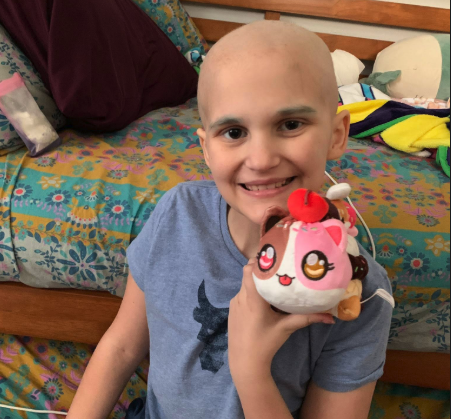
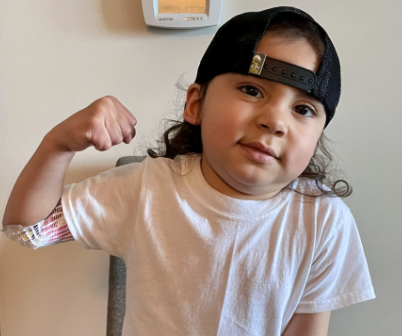
The selection of the 2026 Ambassadors serves to ground the high-level data of the challenge in the lived experiences of children across the country. Each ambassador represents a different facet of the pediatric cancer journey, from initial diagnosis and intensive chemotherapy to the complexities of relapse and the transition into maintenance therapy.
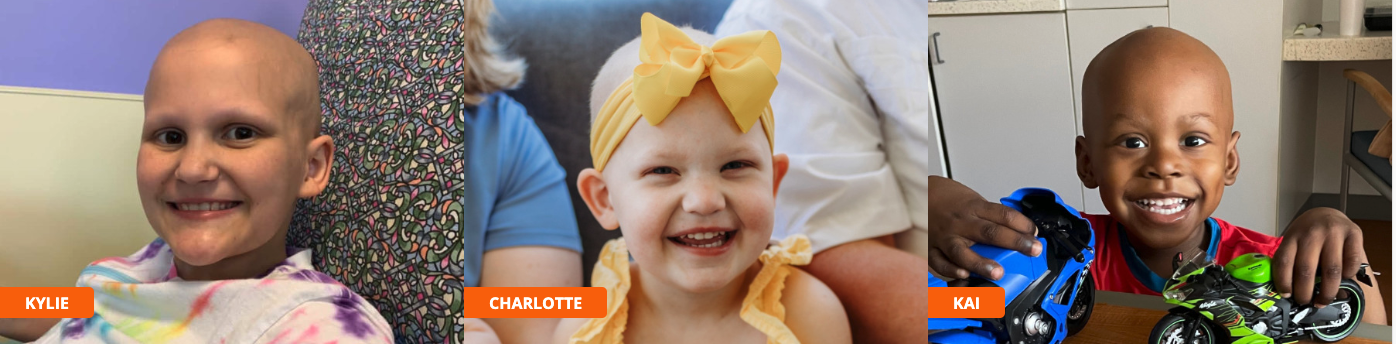
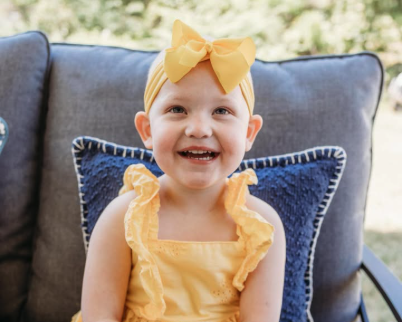
Charlotte, age 4, is currently navigating the maintenance phase of treatment for B-cell acute lymphoblastic leukemia (ALL). After enduring months of intensive chemotherapy designed to eradicate leukemic cells from her bone marrow, Charlotte continues to bike and play with her sisters, a testament to the progress made in stabilizing pediatric ALL patients. Her mother, Emily, emphasizes that the financial contributions to the GCC are an investment in the future of pediatric medicine, noting that every dollar donated serves to protect not only Charlotte but every child who will eventually face a similar diagnosis.
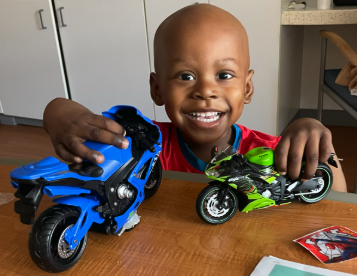
Kai, age 3, represents the struggle against neuroblastoma, a type of cancer that develops from immature nerve cells and often requires a grueling combination of surgery and chemotherapy. Despite the physical toll of hospital stays, Kai’s family remains focused on the "innocence of childhood," advocating for research that allows children to focus on play rather than clinical protocols.
Kylie, age 10, provides a sobering look at the reality of cancer relapse. Facing the disease for the third time following a 2022 diagnosis and a 2025 relapse, Kylie’s story underscores the limitations of current standard-of-care treatments. Her parents have called for the development of new protocols that offer better long-term outcomes, highlighting that survival is only the first step; preventing recurrence is the next frontier for researchers.
Jasper, age 5, is nearing a major milestone in his journey with acute lymphoblastic leukemia. Expected to "ring the bell"—a ceremonial act signifying the end of treatment—in September 2026, Jasper has successfully integrated back into school and sports. His progress illustrates the importance of research that preserves a child’s physical ability to engage in routine activities during and after treatment.
Emma, age 3, is battling an exceptionally rare and aggressive form of acute myeloid leukemia (AML) known as the RAM phenotype. Her treatment has relied heavily on innovative therapies and bone marrow transplantation. Emma’s ability to remain active through such a challenging diagnosis is a direct result of specialized research into rare pediatric subtypes, which often require more aggressive and targeted interventions than common cancers.
The Evolution of the Great Cycle Challenge and the Children’s Cancer Research Fund
The Great Cycle Challenge was established with a simple yet ambitious premise: to allow individuals of all fitness levels to contribute to cancer research by setting personal riding goals. Over the past 12 years, the event has scaled significantly. What began as a localized effort has expanded into a nationwide phenomenon, utilizing a digital-first platform that allows riders to track their miles and solicit donations through social networks.
The funds raised through the GCC are directed to the Children’s Cancer Research Fund, a national nonprofit dedicated to ending childhood cancer. CCRF focuses on several key pillars:
- Seed Funding: Providing initial grants to researchers with "high-risk, high-reward" ideas that may not yet qualify for federal grants.
- Clinical Trials: Supporting the infrastructure necessary to bring new drugs from the lab to the patient’s bedside.
- Quality of Life: Funding research into the "late effects" of cancer treatment, such as heart disease, secondary cancers, and cognitive impairments that can appear decades after a child is declared cancer-free.
The $87 million raised over the last decade has contributed to significant breakthroughs in genomic sequencing and immunotherapy, which are increasingly becoming the standard for difficult-to-treat cases like Emma’s RAM phenotype AML.
The Funding Gap: Why Private Philanthropy is Essential
In the United States, the National Cancer Institute (NCI) allocates a relatively small portion of its budget specifically to pediatric cancer. According to historical data from advocacy groups, only about 4% of federal cancer research funding is directed toward childhood cancers. This disparity exists despite the fact that cancer remains the leading cause of death by disease for children in the U.S.
The reliance on private organizations like the GCC is therefore not just supplementary; it is foundational. Pediatric cancers are biologically distinct from adult cancers, meaning that treatments developed for adults cannot simply be "scaled down" for children. They require unique study, specialized clinical trials, and dedicated researchers who focus exclusively on the developing bodies of young patients.
The 38 million miles logged by GCC participants symbolize the collective effort required to overcome this funding shortfall. By mobilizing a grassroots network of cyclists, the challenge democratizes philanthropy, allowing a large number of small donations to coalesce into tens of millions of dollars in research capital.
Strategic Impact and Future Implications of Pediatric Research
The success of the Great Cycle Challenge has broader implications for the field of oncology. As research progresses, the goal is shifting from "survival at any cost" to "survival with minimal toxicity." Traditional treatments like radiation and broad-spectrum chemotherapy are effective but can cause lifelong damage to a child’s developing organs.
The stories of the 2026 Ambassadors highlight the move toward personalized medicine. For children like Emma, who has a rare RAM phenotype, generic treatments are often insufficient. Genomic research allows doctors to identify the specific mutations driving a child’s cancer and select drugs that target those mutations directly. This precision medicine approach reduces collateral damage to healthy cells, leading to fewer side effects and better long-term health.
Furthermore, the focus on maintenance treatment—as seen in Charlotte and Jasper’s cases—is a critical area of study. Maintenance therapy ensures that any residual cancer cells are kept at bay, but finding the right balance of medication to allow a child to attend school and play is a delicate science that requires ongoing refinement.
Community Involvement and the Path Toward September 2026
The Great Cycle Challenge is designed to be inclusive, allowing participants to ride on their own schedules throughout the month of September, which coincides with Childhood Cancer Awareness Month. Riders can use bicycles, stationary bikes, or even unicycles to complete their self-determined mileage goals.
The 2026 campaign seeks to build on the momentum of previous years by encouraging new demographics to join. Corporate teams, school groups, and cycling clubs have become a growing segment of the participant base, often riding in honor of local children or the national ambassadors.
The official response from the Children’s Cancer Research Fund emphasizes that the mission is far from over. While survival rates for some common childhood cancers have reached over 80%, others, particularly certain brain tumors and relapsed leukemias, still have much lower survival rates. The $87 million raised is viewed by the organization not as a final achievement, but as a foundation for the next decade of discovery.
As Charlotte, Kai, Kylie, Jasper, and Emma continue their journeys, their roles as ambassadors serve as a reminder of what is at stake. The Great Cycle Challenge is more than a fitness event; it is a vital mechanism for scientific progress. Every mile logged and every dollar raised moves the medical community closer to a future where childhood cancer is no longer a life-threatening diagnosis, but a manageable condition with a guaranteed return to a healthy, normal childhood.
Individuals interested in participating in the 2026 Great Cycle Challenge or supporting the Children’s Cancer Research Fund are encouraged to register through the official event website. As the 12th year of the challenge unfolds, the collective effort of thousands of riders will continue to fuel the research that makes "moments that matter" possible for families across the nation.
