
 By Suherman Candra Maholtra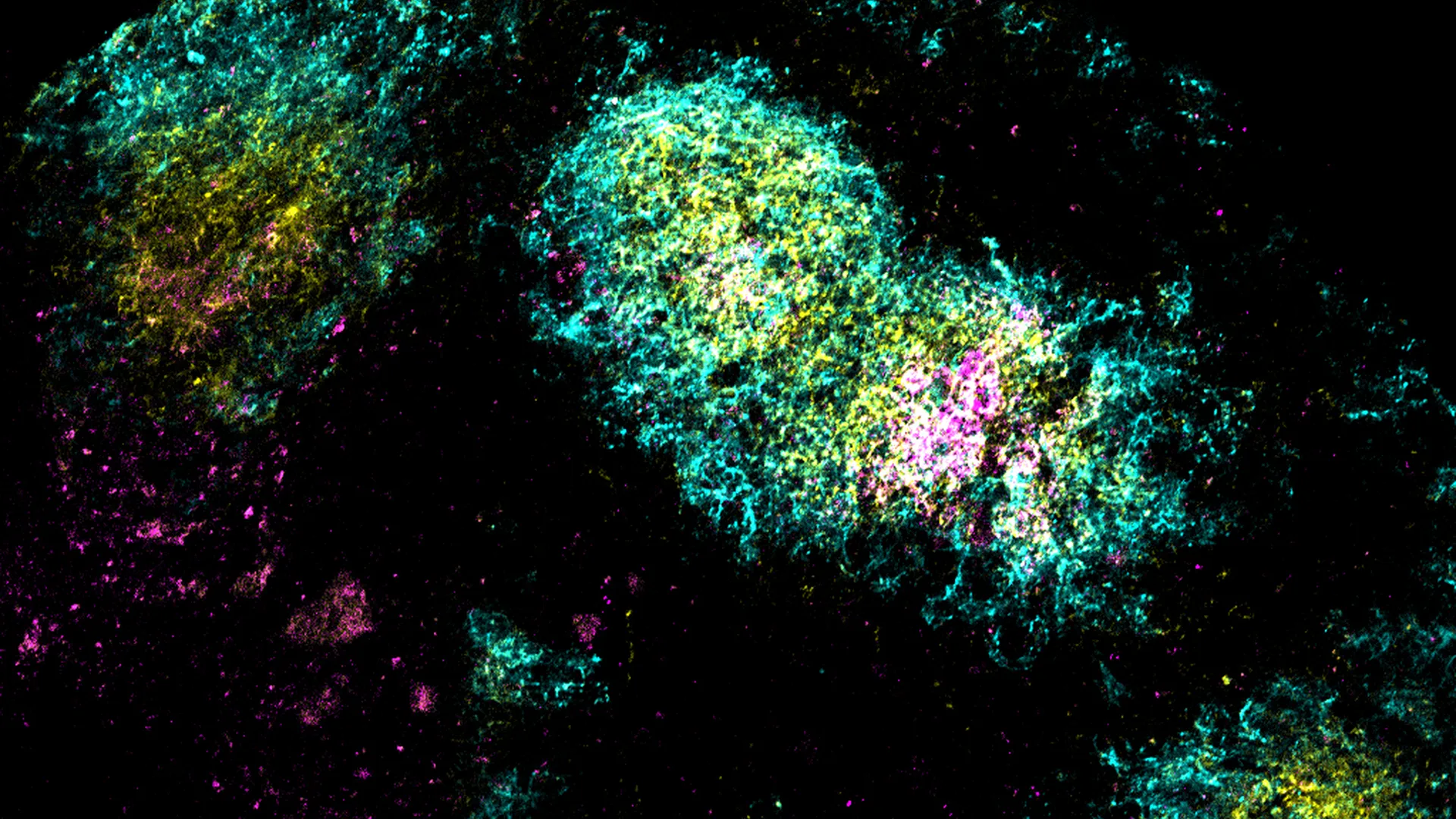
Researchers at the Massachusetts Institute of Technology (MIT) and the Scripps Research Institute have announced a significant breakthrough in vaccinology, demonstrating that a single-dose vaccine can generate a robust and diverse immune response against the Human Immunodeficiency Virus (HIV). By engineering a delivery system that utilizes two distinct and powerful adjuvants—substances that enhance the body’s immune response to an antigen—the team has successfully mimicked the persistence of a natural infection, allowing the immune system more time to refine its defense mechanisms. The study, published in the journal Science Translational Medicine, offers a potential roadmap for developing highly effective, single-administration vaccines for a variety of infectious diseases, including HIV, SARS-CoV-2, and influenza.
The Challenge of HIV Immunization
For more than four decades, the development of an effective HIV vaccine has remained one of the most elusive goals in modern medicine. Unlike many other viruses, HIV mutates rapidly and possesses a sophisticated array of defenses to evade the human immune system. Traditional vaccine approaches often fail because they do not provide a sustained stimulus to the immune system, resulting in a narrow or short-lived antibody response.
Most contemporary protein-based vaccines require multiple doses—often referred to as prime-and-boost schedules—to achieve protective levels of immunity. These schedules are logistically challenging, particularly in low-resource settings where patient follow-up is difficult. Furthermore, the rapid clearance of vaccine components from the body often prevents B cells, the white blood cells responsible for producing antibodies, from undergoing the rigorous "training" necessary to target the most stable and vulnerable parts of the virus.
The new research led by J. Christopher Love, the Raymond A. and Helen E. St. Laurent Professor of Chemical Engineering at MIT, and Darrell Irvine, a professor of immunology and microbiology at the Scripps Research Institute, seeks to overcome these hurdles by fundamentally changing how the immune system interacts with vaccine antigens.
A Synergy of Two Adjuvants: Alum and SMNP
The core of the researchers’ strategy lies in the combination of two adjuvants that stimulate different pathways of the immune system. The first, aluminum hydroxide (commonly known as alum), has been a staple in vaccinology for nearly a century. Used in vaccines for hepatitis A, hepatitis B, and tetanus, alum is highly effective at activating the innate immune response and creating a "depot" effect, where the vaccine remains at the injection site.
The second adjuvant, known as SMNP (Saponin-MPLA Nanoparticle), is a more recent innovation developed by Darrell Irvine’s laboratory. SMNP is based on saponin, a compound derived from the Chilean soapbark tree (Quillaja saponaria), which is already an FDA-approved component in vaccines like the shingles shot. Irvine’s team previously discovered that combining saponin with a molecule called MPLA—a potent pro-inflammatory agent—created a nanoparticle that significantly outperformed saponin alone.
In the current study, the researchers hypothesized that by anchoring an HIV antigen to alum and then incorporating SMNP, they could create a synergistic effect. While alum provides a physical scaffold, SMNP enhances the inflammatory signaling required to recruit and train immune cells.
Experimental Methodology and the Role of MD39
To test this dual-adjuvant approach, the team utilized a specialized HIV protein known as MD39. This protein is a stabilized version of the HIV envelope trimer, the "spike" the virus uses to enter human cells. In their mouse models, the researchers anchored dozens of these MD39 proteins to each alum particle and delivered them alongside the SMNP adjuvant.
A critical aspect of the study was tracking the movement of these particles within the body. In typical vaccine formulations, the antigen is often cleared or degraded within days. However, the dual-adjuvant vaccine demonstrated remarkable persistence. Using advanced imaging and tracking techniques, the researchers found that the vaccine particles migrated to the lymph nodes—the command centers of the immune system—and remained there for up to 28 days.
The researchers observed that the adjuvants helped the HIV antigen penetrate the protective outer layer of the lymph nodes without being broken down into useless fragments. This allowed the antigen to remain intact and visible to the immune system for a full month.
The Mechanism of B Cell Refinement
The primary goal of a vaccine is to stimulate the formation of germinal centers within the lymph nodes. These are specialized microstructures where B cells undergo a process called somatic hypermutation. During this process, B cells rapidly mutate and are "selected" based on how well their antibodies bind to the vaccine antigen.
"As a result, the B cells that are cycling in the lymph nodes are constantly being exposed to the antigen over that time period, and they get the chance to refine their solution to the antigen," explained Professor J. Christopher Love. This prolonged exposure mimics what occurs during a natural, chronic infection, giving the body the necessary time to evolve high-affinity antibodies.
By utilizing single-cell RNA sequencing, the research team analyzed the B cell populations in the vaccinated mice. They found that the mice receiving the dual-adjuvant vaccine produced a repertoire of B cells that was two to three times more diverse than those receiving only one adjuvant or the vaccine alone. This diversity is crucial for HIV because it increases the likelihood of generating "broadly neutralizing antibodies" (bNAbs)—rare antibodies capable of neutralizing many different strains of the virus.
Data and Key Findings
The results of the study provided several compelling data points that underscore the efficacy of the dual-adjuvant approach:
- Persistence: The vaccine remained intact in the germinal centers of the lymph nodes for 28 days, compared to less than a week for standard formulations.
- B Cell Diversity: The dual-adjuvant group showed a 200% to 300% increase in unique B cell lineages, suggesting a much wider "search" by the immune system for effective antibody solutions.
- Antibody Affinity: The antibodies produced by the dual-adjuvant vaccine showed significantly higher binding strength to the HIV trimer than those produced by single-adjuvant controls.
- Single Dose Efficacy: The immune response generated by a single dose of the dual-adjuvant vaccine was comparable to, or in some cases superior to, traditional multi-dose regimens.
Broader Implications for Global Health
While the primary focus of the study was HIV, the researchers emphasize that this platform is highly adaptable. The dual-adjuvant strategy is compatible with most protein-based vaccines, making it a candidate for a wide range of applications.
In the context of the COVID-19 pandemic, the ability to provide long-lasting immunity with a single shot could have revolutionized global vaccination efforts, particularly in regions with limited healthcare infrastructure. The researchers suggest that this approach could be applied to future SARS-CoV-2 boosters or vaccines for other emerging pandemic threats.
Furthermore, the study addresses the economic and logistical barriers to vaccination. Single-dose vaccines reduce the cost of administration, simplify supply chains, and eliminate the risk of patients failing to return for subsequent doses.
"What’s potentially powerful about this approach is that you can achieve long-term exposures based on a combination of adjuvants that are already reasonably well-understood, so it doesn’t require a different technology," Love noted. "It’s just combining features of these adjuvants to enable low-dose or potentially even single-dose treatments."
Future Directions and Clinical Prospects
Despite the promising results in mouse models, the transition to human clinical trials presents several challenges. Human immune systems are significantly more complex than those of mice, and the safety profile of the dual-adjuvant combination must be rigorously evaluated. However, because both alum and saponin-based adjuvants have established safety records in other FDA-approved vaccines, the path to clinical testing may be more streamlined than for entirely novel delivery systems.
Currently, the SMNP adjuvant is already being tested in human clinical trials as part of a separate HIV vaccine study. The next logical step for the MIT and Scripps team will be to evaluate the alum-SMNP combination in non-human primates to see if the 28-day persistence and B cell diversity translate to larger biological systems.
If successful, this research could represent a paradigm shift in how vaccines are designed. Rather than relying on the sheer volume of antigen delivered through multiple shots, future vaccines may focus on the "quality of time" the immune system spends with the antigen, using adjuvants to engineer a more deliberate and sophisticated immune response.
The research was supported by a wide array of institutions, including the National Institutes of Health (NIH), the Koch Institute Support (core) Grant from the National Cancer Institute, the Ragon Institute of MGH, MIT, and Harvard, and the Howard Hughes Medical Institute. As the scientific community continues to digest these findings, the hope is that this dual-adjuvant strategy will finally bring a viable HIV vaccine—and more efficient vaccines for all—within reach.
