
 By admin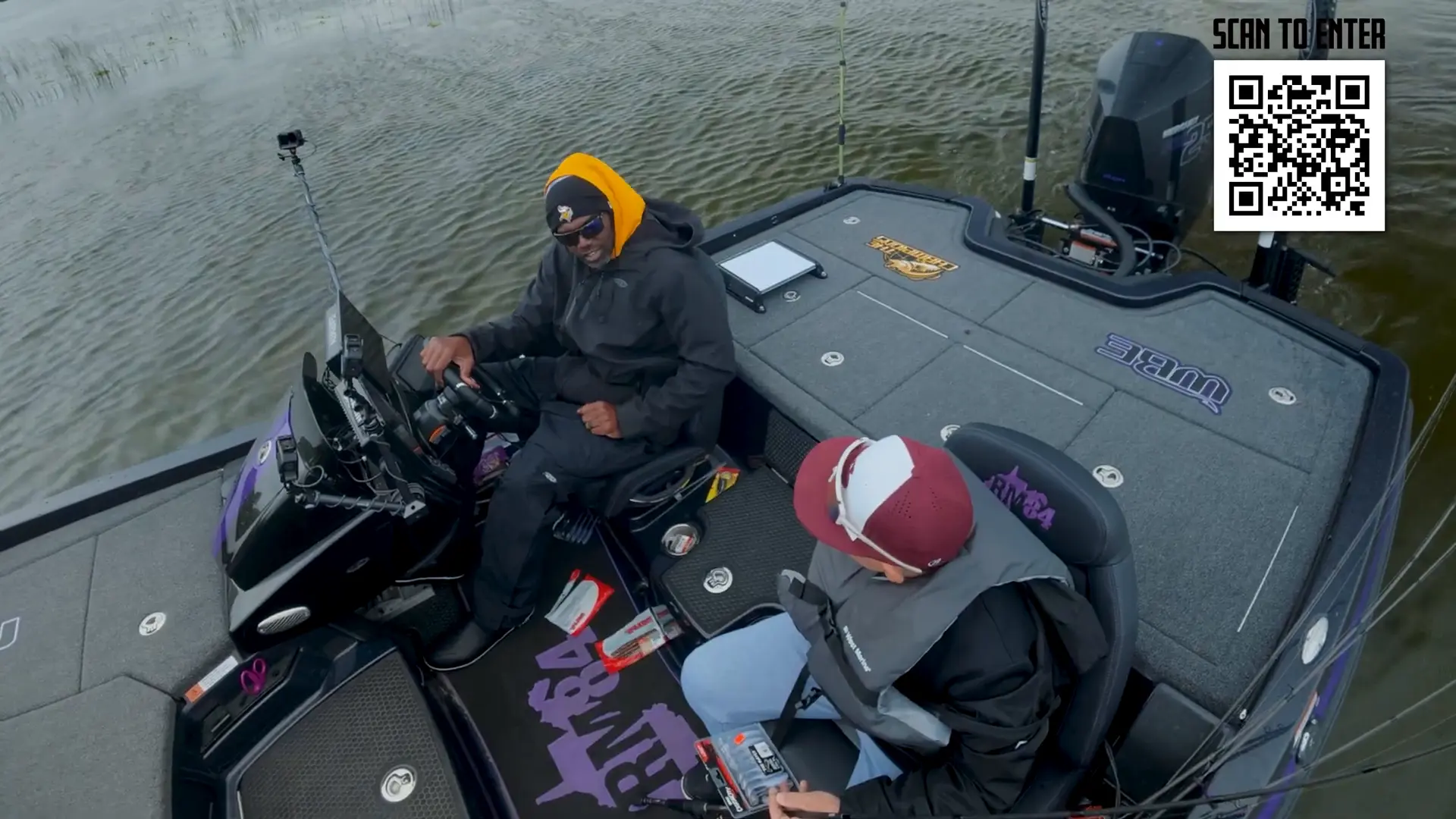
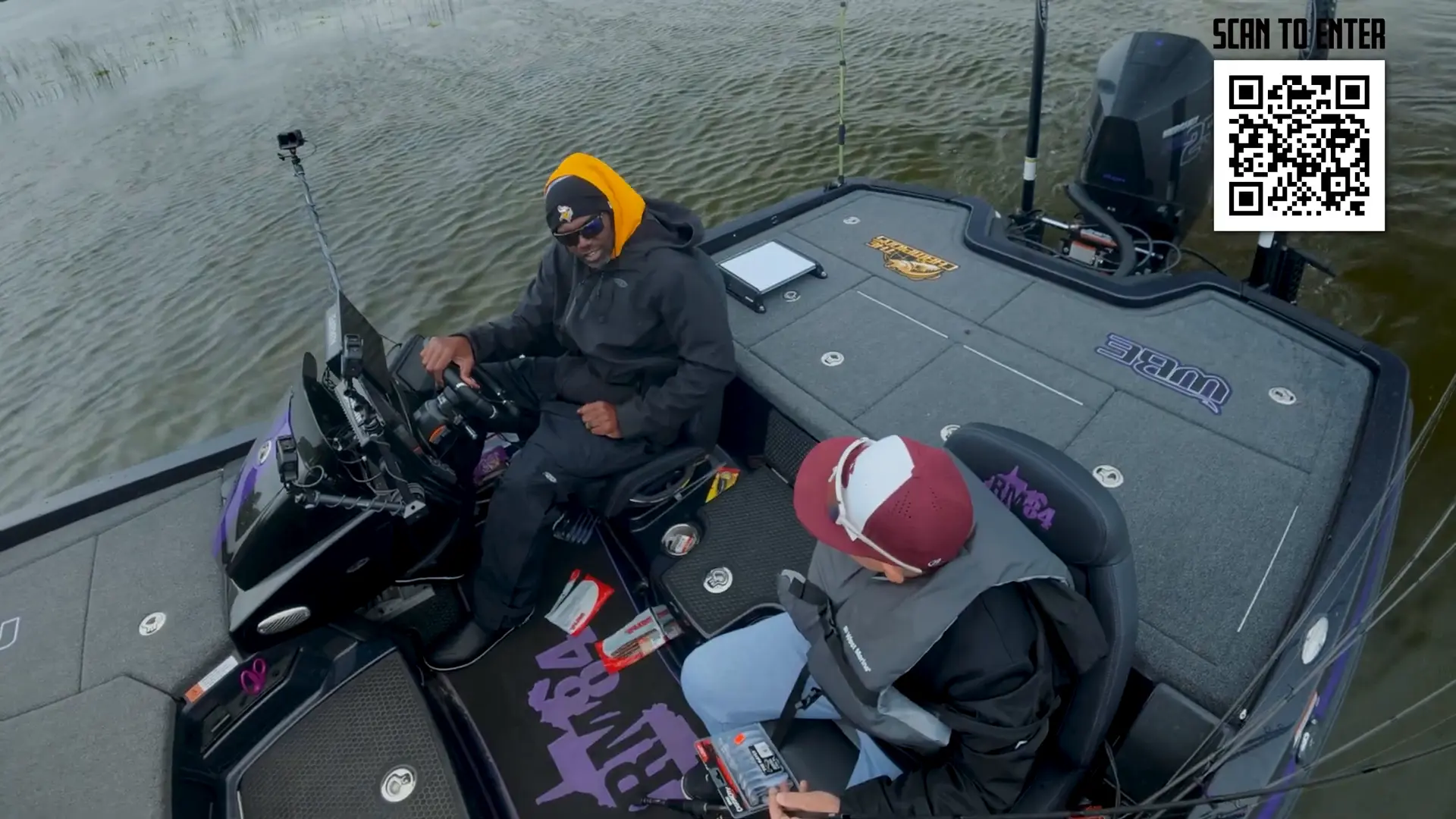
Randy Moss, the Pro Football Hall of Fame wide receiver and Minnesota Vikings icon, has leveraged his professional platform to bring attention to the challenges faced by pediatric cancer patients through a recent collaboration with the Chasing10 initiative. In a featured episode of the series, Moss hosted Isaac, a young survivor of acute lymphoblastic leukemia (ALL), for an afternoon of bass fishing on the lakes of Minnesota. The event was designed not only as a recreational outing but as a strategic effort to highlight the "Chasing a Cure for Kids" campaign, which raises funds for pediatric cancer research and supports families navigating the complexities of long-term medical treatment.
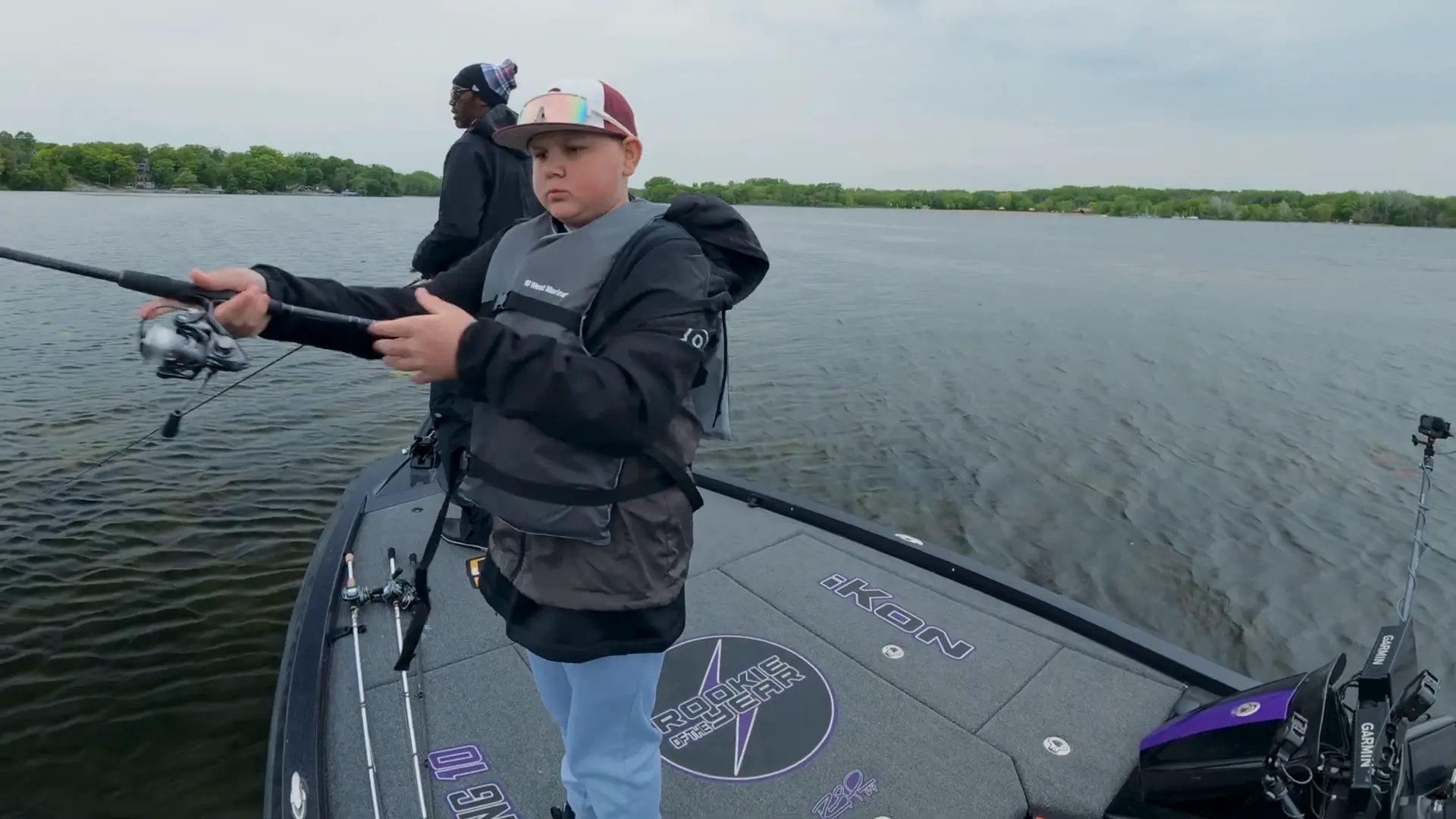
The excursion took place aboard Moss’s custom iKon LXE21 Elite "Rookie of the Year" edition boat, a vessel synonymous with the athlete’s personal brand and his commitment to the Chasing a Cure organization. While the primary activity was bass fishing, the engagement served as a forum for a deep dialogue regarding sports, the psychological rigors of recovery, and the shared experiences of those affected by life-threatening illnesses. For Isaac, the day represented a significant milestone in a recovery journey that began more than half a decade ago.
A Chronology of Resilience: Isaac’s Medical Journey
The trajectory of Isaac’s health changed abruptly in 2018. At five years old, his family noticed unusual physical symptoms following a routine outing to a movie theater. Jennifer, Isaac’s mother, recalled that his hands and joints exhibited significant swelling, which was initially mistaken for a minor dietary reaction. However, upon seeking medical consultation, the family was presented with a diagnosis of acute lymphoblastic leukemia, a fast-growing cancer of the white blood cells.
The diagnosis of ALL in pediatric patients necessitates an immediate and aggressive intervention strategy. According to medical data, ALL is the most common form of cancer in children, accounting for approximately 25% of all cancer diagnoses in patients under the age of 15. While survival rates for ALL have improved significantly over the last several decades—climbing to nearly 90% in some demographics—the treatment protocol remains grueling.
Isaac’s specific case was classified as high-risk due to complications and the initial lack of response to standard high-dose chemotherapy. His clinical timeline included:
- Initial Diagnosis (2018): Immediate hospitalization and commencement of traditional chemotherapy.
- Treatment Complications: Emergence of high-risk factors that necessitated a shift in the medical roadmap.
- Innovative Intervention: Utilization of immunotherapy, a treatment modality that trains the body’s immune system to identify and destroy cancer cells. Originally approved for adult populations, this specific therapy was adapted for pediatric use, ultimately facilitating Isaac’s transition into remission.
- Bone Marrow Transplant: A lifesaving procedure following the successful induction of remission, providing a new foundation for his immune system.
Jennifer emphasized the importance of the scientific advancements that made Isaac’s recovery possible. She noted that the family remains grateful to the medical staff and firmly supports continued investment in the research that adapts adult treatments for younger patients.
The Intersection of Athletics and Philanthropy
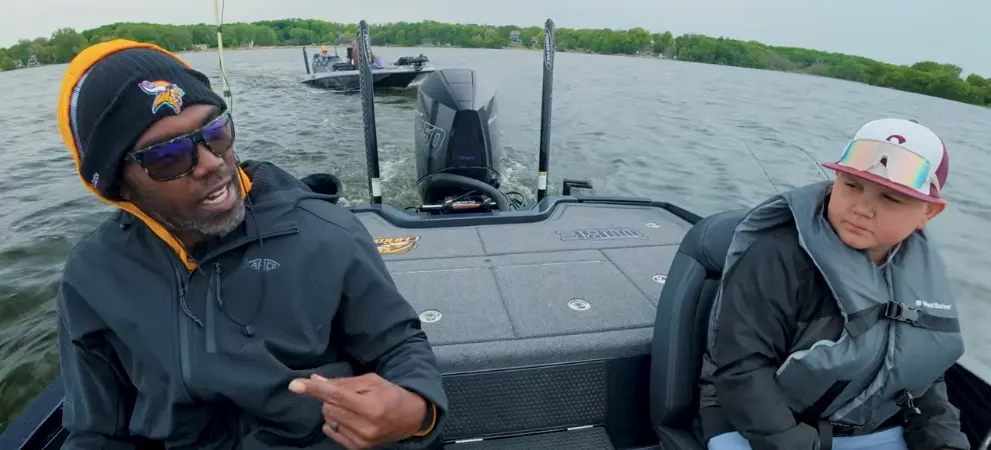
During the fishing trip, the conversation between Moss and Isaac moved between the technical aspects of angling and their mutual interest in professional sports. The two discussed current NFL stars, such as Vikings wide receiver Justin Jefferson, and Moss’s storied career in the league. However, the dialogue turned toward a more personal subject when Isaac addressed Moss’s own connection to cancer.
"I heard that you had cancer, too," Isaac stated during the exchange. Moss confirmed his commitment to the cause, stating that his personal experiences led him to team up with organizations like Chasing a Cure to provide a support system for children facing similar battles. Moss’s involvement with Chasing10 is part of a broader trend of high-profile athletes utilizing their post-career visibility to address systemic issues in healthcare and medical funding.
The "Chasing a Cure for Kids" campaign operates by integrating high-stakes sweepstakes with charitable giving. The iKon boat used during the fishing trip is part of a promotional effort where donors can contribute to the foundation for a chance to win a similarly equipped vessel. This model has proven effective in the nonprofit sector, as it incentivizes a wider demographic of donors to engage with the cause.
Supporting Data: The Landscape of Pediatric Cancer Research
The collaboration between Moss and Isaac highlights a critical gap in the medical research landscape. Despite cancer being the leading cause of death by disease for children in the United States, pediatric cancer research is often underfunded compared to adult oncology.
- Federal Funding Disparities: Data from various advocacy groups indicate that only about 4% of the National Cancer Institute’s (NCI) federal budget is dedicated specifically to pediatric cancer research.
- New Drug Approvals: Historically, the development of new drugs for children lags behind adults. Since 1980, fewer than 15 drugs have been developed specifically for childhood cancer, whereas hundreds have been developed for adults.
- Long-Term Survival Challenges: While survival rates are rising, the National Children’s Cancer Society reports that more than 60% of childhood cancer survivors will experience at least one chronic health condition as a result of their treatment, including secondary cancers, heart disease, and cognitive impairments.
Initiatives like Chasing a Cure aim to bridge this funding gap by directing resources toward clinical trials and the development of less toxic treatments that minimize long-term side effects for young survivors.
Official Responses and Team Integration
The day’s events concluded with a surprise visit from Minnesota Vikings Head Coach Kevin O’Connell. The coach’s presence underscored the organization’s ongoing commitment to its community and its former players’ philanthropic endeavors. O’Connell extended an official invitation to Isaac and his family to attend a future Vikings game with exclusive behind-the-scenes access.
The invitation includes an opportunity for Isaac to be present on the field as the team makes its entrance, a gesture designed to provide an empowering experience for a young fan who spent years in hospital settings. O’Connell’s involvement reflects the Vikings’ "SKOL" culture, which frequently incorporates community outreach and support for local health initiatives into the team’s operational identity.
"This won’t be our only time fishing together," Moss told Isaac, reinforcing a commitment to a mentorship that extends beyond a single media event. Moss also gifted Isaac the fishing rod they had used during the day after learning that the boy’s own equipment was in disrepair.
Broader Impact and Implications
The impact of this engagement extends beyond the immediate experience for Isaac. In the realm of public relations and charitable advocacy, the use of "experiential storytelling"—where a celebrity and a beneficiary share a common activity—is considered highly effective for humanizing complex medical issues.
By focusing on a shared hobby like fishing, the Chasing10 episode strips away the clinical nature of the cancer discussion, allowing the audience to see the survivor as a child first and a patient second. This approach is often cited by psychologists as beneficial for survivors, as it reinforces their identity outside of their illness and celebrates their resilience.
Furthermore, the involvement of a figure like Randy Moss helps to mobilize a specific demographic—sports fans and outdoorsmen—who might not otherwise be reached by traditional medical fundraising campaigns. The integration of high-end fishing equipment and professional sports ties the act of charitable giving to the lifestyle interests of the donors, creating a sustainable model for the Chasing a Cure foundation.
As Isaac looks forward to his VIP experience at U.S. Bank Stadium, the broader message of the day remains clear: the fight against pediatric cancer requires a multi-faceted approach involving medical expertise, community support, and the visibility provided by influential public figures. The partnership between Moss and the Chasing10 initiative serves as a blueprint for how sports icons can effectively transition from making memories on the field to creating meaningful, life-altering impacts off of it.
The success of Isaac’s treatment—moving from a high-risk diagnosis to a day on the water with an NFL legend—serves as a testament to the efficacy of modern immunotherapy and the necessity of continued research funding. As research continues to evolve, the goal of organizations like Chasing a Cure is to ensure that every child diagnosed with leukemia has the same opportunity for a future defined by their passions rather than their pathology.
