
 By admin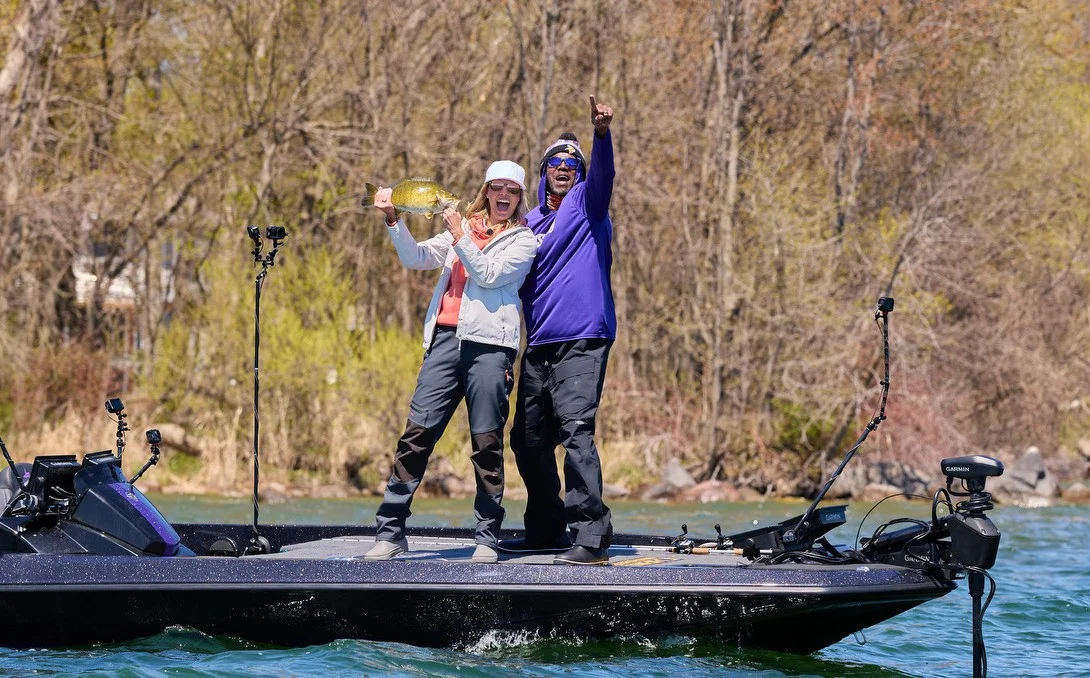
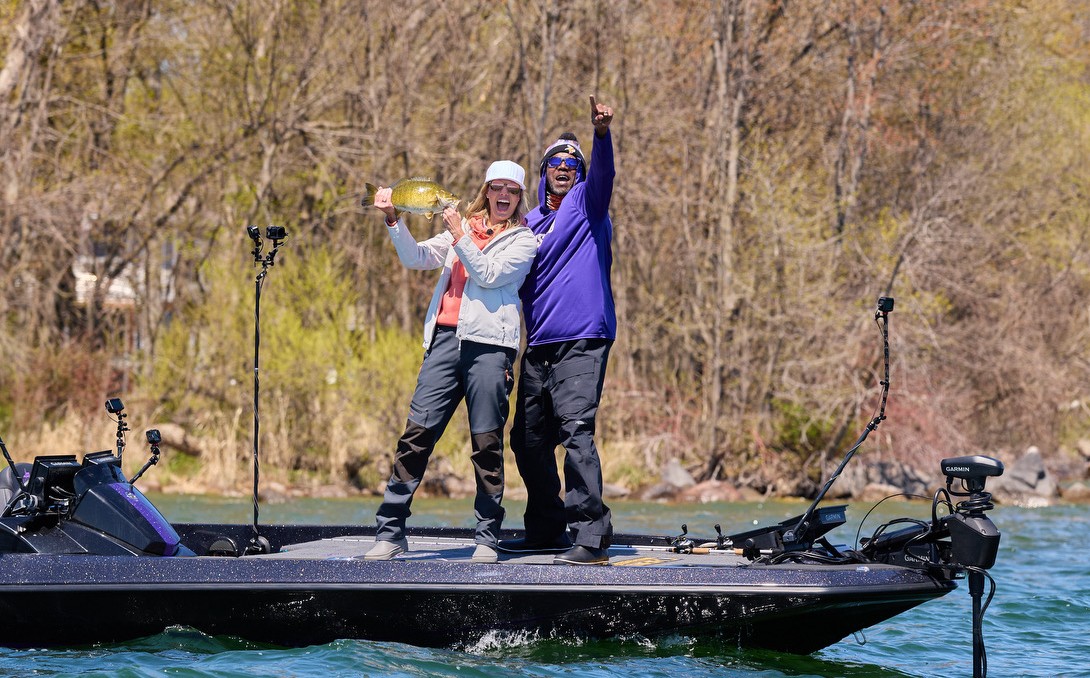
The intersection of professional sports and philanthropic advocacy reached a significant milestone in northern Minnesota as Pro Football Hall of Fame wide receiver Randy Moss collaborated with the Children’s Cancer Research Fund (CCRF) to bolster the "Chasing a Cure" campaign. Through his popular YouTube series, "Chasing 10," Moss transitioned from the pursuit of the perfect catch on the water to a more profound objective: raising awareness and funding for pediatric cancer research. This partnership, highlighted during a fishing excursion on Leech Lake, bridges the gap between high-profile athletic influence and the critical, often underfunded world of neonatal and pediatric oncology.
Randy Moss, a figure synonymous with athletic excellence during his tenure with the Minnesota Vikings and other NFL franchises, has long utilized his platform to address social and health-related issues. His "Chasing 10" series typically focuses on the technical and emotional aspects of professional-grade fishing, emphasizing the patience and resilience required for the sport. However, the latest installment features a collaboration with Kenna Dooley, the Chief Development Officer of CCRF, transforming a recreational outing into a platform for medical advocacy. The synergy between Moss’s personal brand and CCRF’s mission aims to bring a new demographic of supporters to the fight against childhood leukemia and other pediatric malignancies.
The Historical Significance of Leech Lake and Katie Hageboeck’s Legacy
The choice of Leech Lake as the backdrop for this collaboration was far from coincidental. For the Children’s Cancer Research Fund, these waters represent the origin of a movement that has spanned over four decades. Long before the organization became a national powerhouse in medical funding, Leech Lake was the summer sanctuary for Katie Hageboeck. Katie, a vibrant young girl who spent her summers swimming and fishing in the area, was diagnosed with leukemia in the late 1970s.
Following her passing in 1979 at the age of 13, Katie’s family made a pivotal decision that would alter the landscape of pediatric medicine in the Midwest. Rather than allowing their grief to remain static, they channeled Katie’s memory into the creation of what is now the Children’s Cancer Research Fund. The organization was born from a simple request Katie made before her death: she asked that the money in her savings account be used to help other children fighting the same disease. Today, that legacy is physicalized in the Katie Hageboeck Children’s Cancer Research Fund Clinic and "The Porch" at the University of Minnesota, both designed to reflect the serene, natural environment of the North Woods that Katie loved.
The Evolution of Pediatric Cancer Research and Current Data
The "Chasing a Cure" campaign comes at a critical juncture in oncological research. According to data from the National Cancer Institute (NCI), while survival rates for childhood cancers have improved significantly since the 1970s—rising from a 58% five-year survival rate to over 85% today—the methods used to achieve these results often leave survivors with lifelong health complications. Traditional treatments, specifically high-dose chemotherapy and radiation, are notoriously grueling for developing bodies.
During the recorded segment on Leech Lake, Moss spoke candidly about the toll of such treatments. Reflecting on the physical and psychological demands of intensive medical interventions, Moss noted that the experience of chemotherapy is often as much a mental battle as it is a physical one. This sentiment underscores a growing consensus in the medical community: the next frontier of cancer treatment must focus not only on survival but on the quality of life during and after treatment.
CCRF’s current research initiatives are heavily focused on immunotherapy, a field that Kenna Dooley highlighted during the excursion. Immunotherapy works by harnessing the patient’s own immune system to identify and destroy cancer cells, offering a more targeted approach than the "scorched earth" methodology of traditional chemotherapy. For organizations like CCRF, the goal is to eliminate the need for radiation and chemotherapy entirely, a shift that Dooley described as a "win-win" for patients, families, and healthcare providers.
Comparative Analysis: The Funding Gap in Pediatric Oncology
One of the primary drivers behind the "Chasing a Cure" campaign is the persistent disparity in research funding. Despite cancer being the leading cause of death by disease for children in the United States, pediatric cancer research receives a fraction of the federal funding allocated to adult cancers. Reports indicate that only about 4% of the National Cancer Institute’s annual budget is dedicated specifically to childhood cancer research.
This funding gap necessitates the intervention of private organizations and high-profile advocates like Randy Moss. Since its inception, CCRF has contributed over $200 million to research, education, and family support services. This private funding is often what allows researchers to pursue "high-risk, high-reward" projects—such as novel immunotherapy trials—that might not yet qualify for federal grants. By partnering with Moss, CCRF aims to leverage the "Chasing 10" audience to bridge this financial divide, ensuring that innovative treatments move from the laboratory to the bedside more rapidly.
Clinical Implications and the Role of Healing Environments
The collaboration also brought attention to the importance of the clinical environment in pediatric care. The University of Minnesota’s Katie Hageboeck Clinic and "The Porch" represent a shift toward holistic healing. These spaces are intentionally designed to mitigate the sterile, intimidating atmosphere often associated with hospitals. By incorporating elements of the North Woods—natural wood, lake-inspired aesthetics, and open spaces—the facility honors Katie’s story while providing a sense of normalcy for current patients.
Medical experts suggest that the environment in which a child receives treatment can significantly impact their psychological resilience. The "Chasing 10" episode emphasizes that for many children, the goal is simply to return to the activities they love, such as fishing or swimming. By focusing on treatments that reduce hospital stay durations and minimize side effects, CCRF is working toward a future where "being a kid" is not interrupted by a diagnosis.
Official Responses and Public Impact
The reaction to the partnership has been overwhelmingly positive within the philanthropic and sporting communities. Analysts suggest that Moss’s involvement provides a relatable entry point for the general public to engage with complex medical issues. While medical journals provide the data, Moss provides the narrative, connecting the grit required for professional sports with the courage displayed by pediatric patients.
"We are not just chasing 10," Moss stated during the campaign launch, referencing the goal of his fishing series. "We’re chasing a cure." This alignment of terminology—the "chase"—resonates with a culture that values perseverance and goal-oriented achievement. It frames the search for a cure not as a passive hope, but as an active, aggressive pursuit.
Kenna Dooley emphasized that the visibility provided by Moss is invaluable. "If we can get rid of radiation and chemotherapy, that’s a win-win for everybody," she remarked, highlighting the organization’s long-term vision. The partnership serves as a call to action for donors to view their contributions as investments in a future where childhood cancer is no longer a life-altering sentence.
Future Outlook: The Road Ahead for Chasing a Cure
As the "Chasing a Cure" campaign continues to gain momentum, the focus remains on the tangible outcomes of the research funded by CCRF. The organization is currently supporting dozens of active research projects at the University of Minnesota and other leading institutions. These projects range from genetic sequencing of rare pediatric tumors to the development of new drug delivery systems that minimize toxicity.
The long-term implications of this collaboration extend beyond a single fishing trip or YouTube episode. It represents a model for how modern philanthropy can utilize digital content and celebrity influence to drive scientific progress. For the families who visit the Katie Hageboeck Clinic, the support of figures like Randy Moss serves as a reminder that they are not fighting in isolation.
In conclusion, the meeting of Randy Moss and the Children’s Cancer Research Fund on the waters of Leech Lake is a symbolic full circle. It honors a young girl’s wish from 1979 while utilizing the technology and influence of 2024 to fulfill it. As the medical community moves closer to perfecting immunotherapy and other targeted treatments, the "chase" continues—driven by the memory of those lost and the potential of those yet to be cured. The campaign reinforces the idea that while the "unforgettable catch" is a highlight for any fisherman, the ultimate prize is a future where every child has the chance to cast a line in peace.
