
 By admin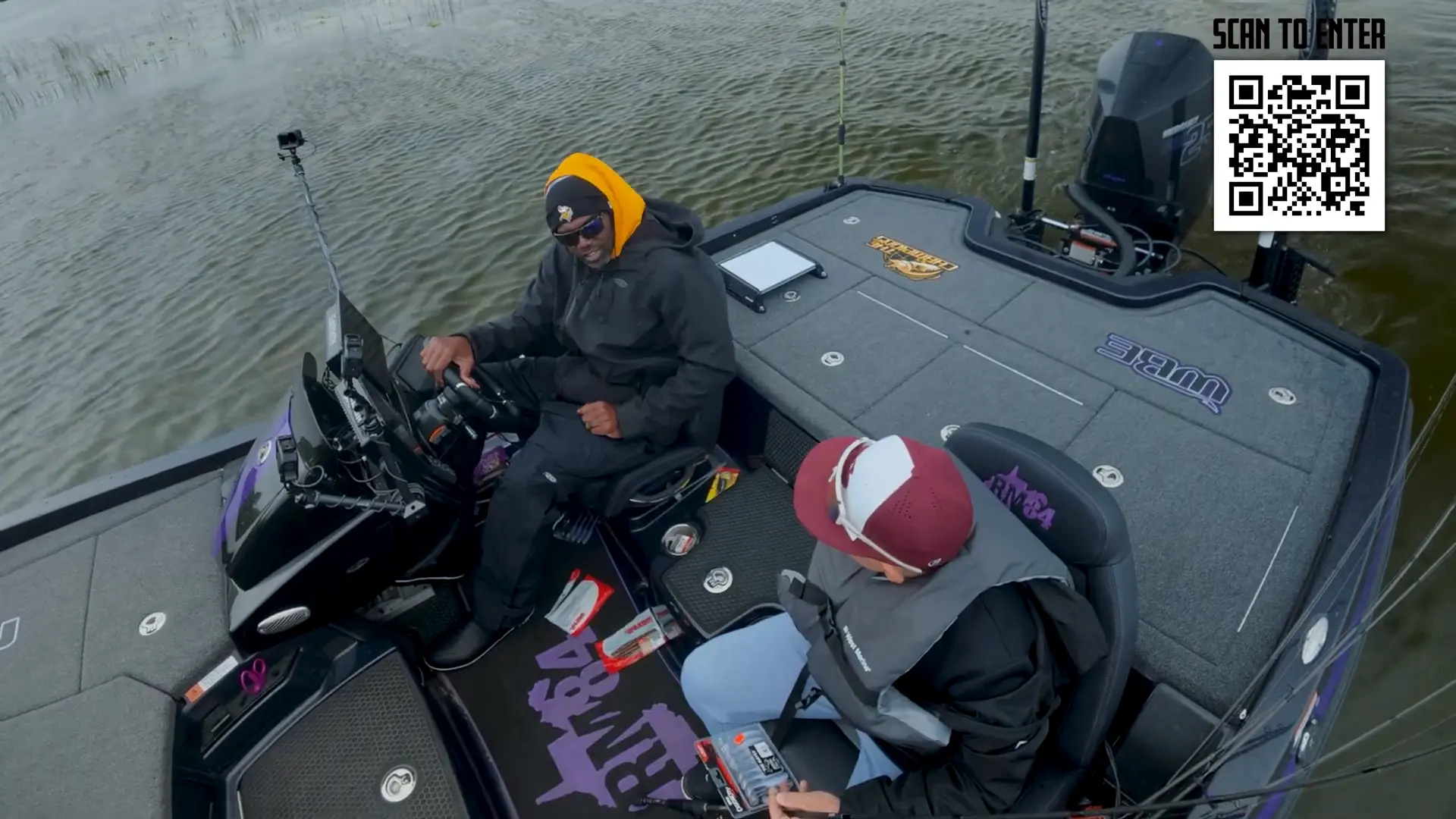
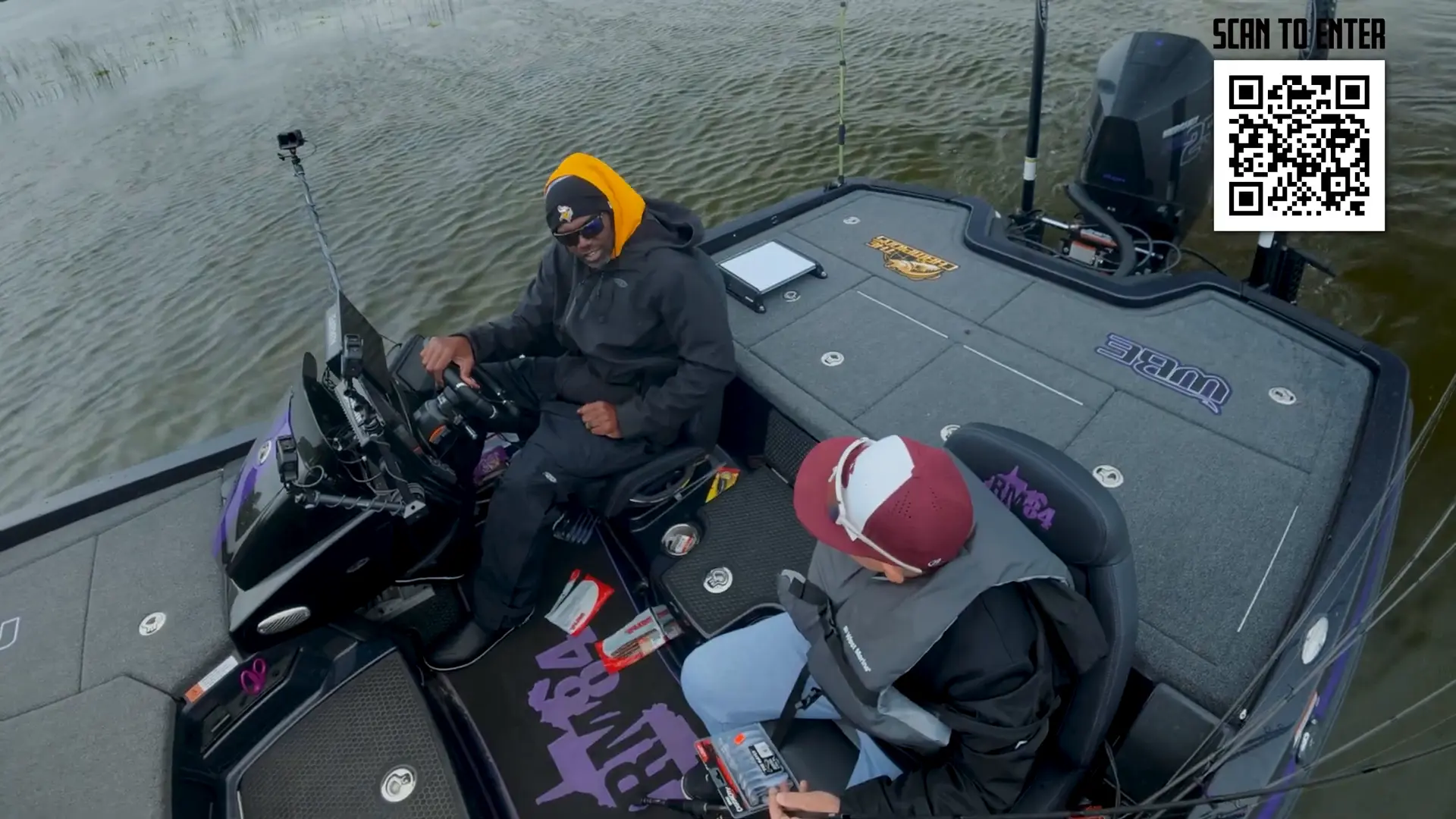
The intersection of professional sports and community philanthropy often manifests in high-profile galas or public service announcements, but for Pro Football Hall of Fame wide receiver Randy Moss, the most impactful work frequently occurs far from the bright lights of the stadium. In a recent installment of the digital series Chasing10, Moss shifted his focus from the football field to the tranquil waters of Minnesota, hosting childhood cancer survivor Isaac for a day of bass fishing and mentorship. The meeting, centered on the custom iKon LXE21 Elite "Rookie of the Year" edition boat, served as a platform to highlight the critical importance of pediatric cancer research and the personal resilience of those navigating the healthcare system. While the primary objective of the excursion was to provide Isaac with an unforgettable outdoor experience, the event underscored the broader mission of the Chasing a Cure for Kids organization, which seeks to bridge the gap between medical research and the families directly affected by life-threatening diagnoses.
A Journey from Diagnosis to Remission: Isaac’s Medical Chronology
The narrative of Isaac’s survival is one marked by sudden onset and a grueling multi-year recovery process. In 2018, the trajectory of Isaac’s childhood changed during a routine family outing to the cinema. His mother, Jennifer, recalled the initial symptoms as deceptively minor, noting that Isaac’s hands and joints had become significantly swollen. At the time, the family hypothesized that a high intake of sodium from movie theater popcorn might have caused the inflammation. However, when the swelling persisted and the discomfort intensified, the family sought medical intervention.
The clinical diagnosis was swift and devastating: acute lymphoblastic leukemia (ALL). ALL is a type of cancer of the blood and bone marrow that affects white blood cells. It is the most common type of cancer in children, and while survival rates have improved significantly over the last several decades, the treatment remains intensive. For Isaac, then only five years old, the diagnosis immediately initiated a high-stakes medical protocol.
Isaac’s journey through the healthcare system was complicated by his status as a high-risk patient. His treatment regimen included high-dose chemotherapy and prolonged hospitalizations, during which he faced numerous complications. When standard frontline therapies proved insufficient to maintain remission, his medical team turned to cutting-edge research. Isaac became a beneficiary of immunotherapy—a treatment modality that utilizes the body’s own immune system to fight cancer cells. Originally approved for use in adult populations, the specific immunotherapy treatment was adapted for pediatric use, ultimately proving successful in driving the leukemia into remission. This was followed by a lifesaving bone marrow transplant, a procedure that effectively replaced his damaged blood-forming cells with healthy ones.
The Intersection of Research and Recovery
The success of Isaac’s treatment is a testament to the evolution of pediatric oncology. Statistical data from the American Cancer Society and the National Cancer Institute indicates that the five-year survival rate for children with ALL has risen to approximately 90%. However, for high-risk patients like Isaac, the path to survival often depends on the availability of experimental or recently transitioned therapies.
The use of immunotherapy in Isaac’s case highlights a critical trend in medical science: the "bench-to-bedside" pipeline. Research funded by organizations like Chasing a Cure for Kids is essential for adapting adult-centric treatments for the unique physiological needs of children. Jennifer emphasized the family’s reliance on this scientific progress, stating that their belief in research is what provided a path forward when traditional methods faltered. The medical staff’s ability to pivot to a bone marrow transplant after immunotherapy was the final pillar in Isaac’s recovery, illustrating the necessity of a multi-faceted clinical approach.
Chasing10: Philanthropy on the Water
The fishing trip featured on Chasing10 was more than a recreational outing; it was a symbolic gesture of solidarity between a sports icon and a young survivor. Randy Moss, known for his record-breaking career with the Minnesota Vikings and the New England Patriots, has increasingly used his retirement to focus on charitable endeavors. The iKon LXE21 Elite boat used during the trip is a specialized vessel, often associated with professional-grade bass fishing, signifying the high level of effort Moss puts into these community interactions.
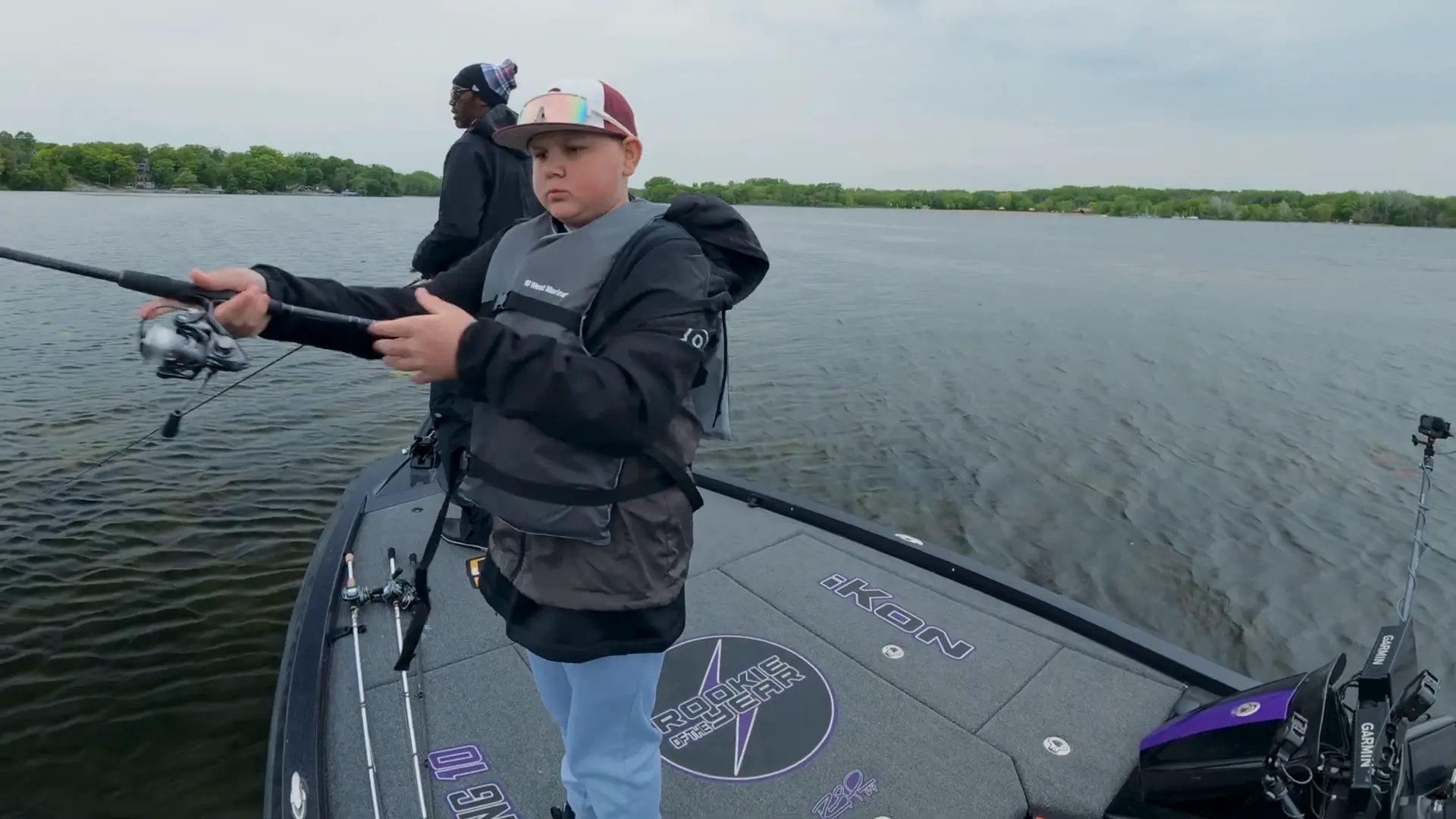
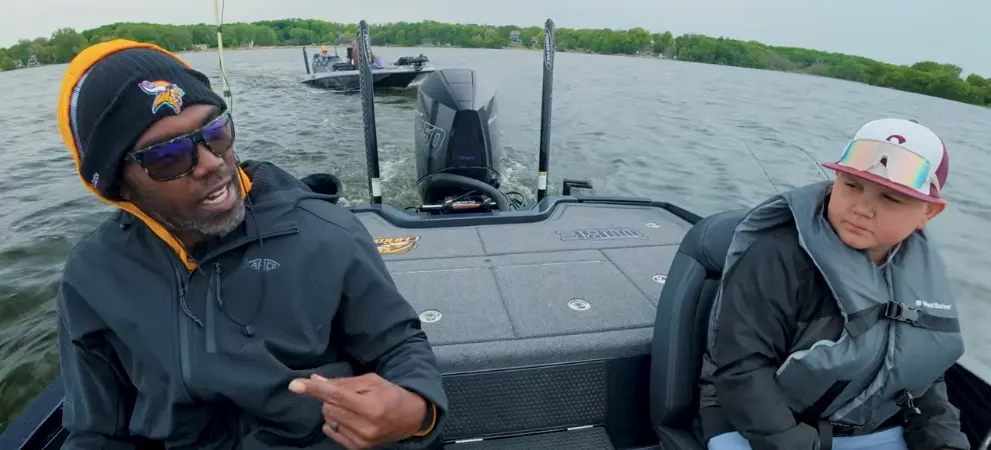
Throughout the day on the Minnesota lake, the conversation between Moss and Isaac spanned a variety of topics, from the current performance of Vikings star receiver Justin Jefferson to Isaac’s idiosyncratic support for the Green Bay Packers despite his Minnesota roots. The dialogue took a more profound turn when the two discussed their shared connection to the cancer community. Isaac inquired about Moss’s own experiences with the disease, to which Moss responded by reaffirming his commitment to the cause. Moss noted that his partnership with Chasing a Cure is a direct result of wanting to leverage his platform to assist families who are enduring the same hardships Isaac’s family faced in 2018.
In a moment that captured the spirit of the day, Moss gifted Isaac the fishing rod they had been using. Upon hearing that Isaac’s personal equipment was worn out, Moss insisted he take the professional-grade gear, promising that this would not be their last time fishing together. This gesture of mentorship is a core component of the Chasing10 mission, which aims to create "Level 10" experiences for children who have spent much of their young lives in clinical settings.
Strategic Surprises and the Minnesota Vikings Connection
The event concluded with a surprise appearance by Minnesota Vikings Head Coach Kevin O’Connell. O’Connell, who has maintained the Vikings’ long-standing tradition of community engagement, met the pair on the shore to celebrate Isaac’s health and his day on the water. O’Connell extended an invitation to Isaac and his family to attend a Vikings game as special guests. The invitation includes a "behind-the-scenes" experience, allowing Isaac to be on the field as the team makes its entrance—a high-energy environment that stands in stark contrast to the quiet, sterile rooms of a bone marrow transplant ward.
The involvement of the Vikings organization underscores the collective effort required to support pediatric cancer awareness. Professional sports franchises possess a unique ability to generate visibility for medical causes, often resulting in increased donor activity and public interest. By aligning the team’s current leadership with a franchise legend like Moss, the initiative gains multi-generational appeal, reaching a broader demographic of potential supporters.
Analysis of Broader Implications and Philanthropic Impact
The collaboration between Randy Moss, the Minnesota Vikings, and Chasing a Cure for Kids reflects a sophisticated model of celebrity philanthropy. Rather than limited financial donations, these initiatives prioritize "experiential philanthropy," which focuses on the psychological well-being of survivors. For a child like Isaac, who spent years defined by the limitations of a hospital bed, the opportunity to engage in high-level sports culture and outdoor recreation serves as a vital part of the "normalization" process following a traumatic medical event.
Furthermore, the emphasis on research funding is a critical takeaway from Isaac’s story. Pediatric cancer research is historically underfunded compared to adult cancers. According to the National Pediatric Cancer Foundation, only about 4% of federal funding for cancer research is directed toward childhood cancer. This creates a significant reliance on private foundations and celebrity-led initiatives to fill the gap. When Moss discusses "fueling the research," he is addressing a systemic need for capital to drive the next generation of immunotherapy and genetic treatments.
Isaac’s transition from a high-risk leukemia patient to a young boy fishing with an NFL Hall of Famer serves as a powerful case study for the efficacy of modern medicine when supported by robust community and financial backing. The data suggests that while the medical community has made great strides, the "high-risk" category remains a challenge that requires constant innovation.
Conclusion: Beyond the Catch
The day on the water with Randy Moss and Isaac was characterized by a lack of biting fish, but the participants agreed that the "catch" was secondary to the connection. The event successfully highlighted the human element of a medical crisis—the families who wait, the children who fight, and the community that rallies around them. As Isaac prepares to watch the Vikings from the sidelines of U.S. Bank Stadium, his journey stands as a reminder of the life-altering impact of medical research and the enduring power of mentorship. Through the Chasing a Cure platform, Randy Moss continues to demonstrate that his legacy will be defined not just by his catches on the field, but by the hope he helps provide to the next generation of survivors.
