
 By Gabriel Paijo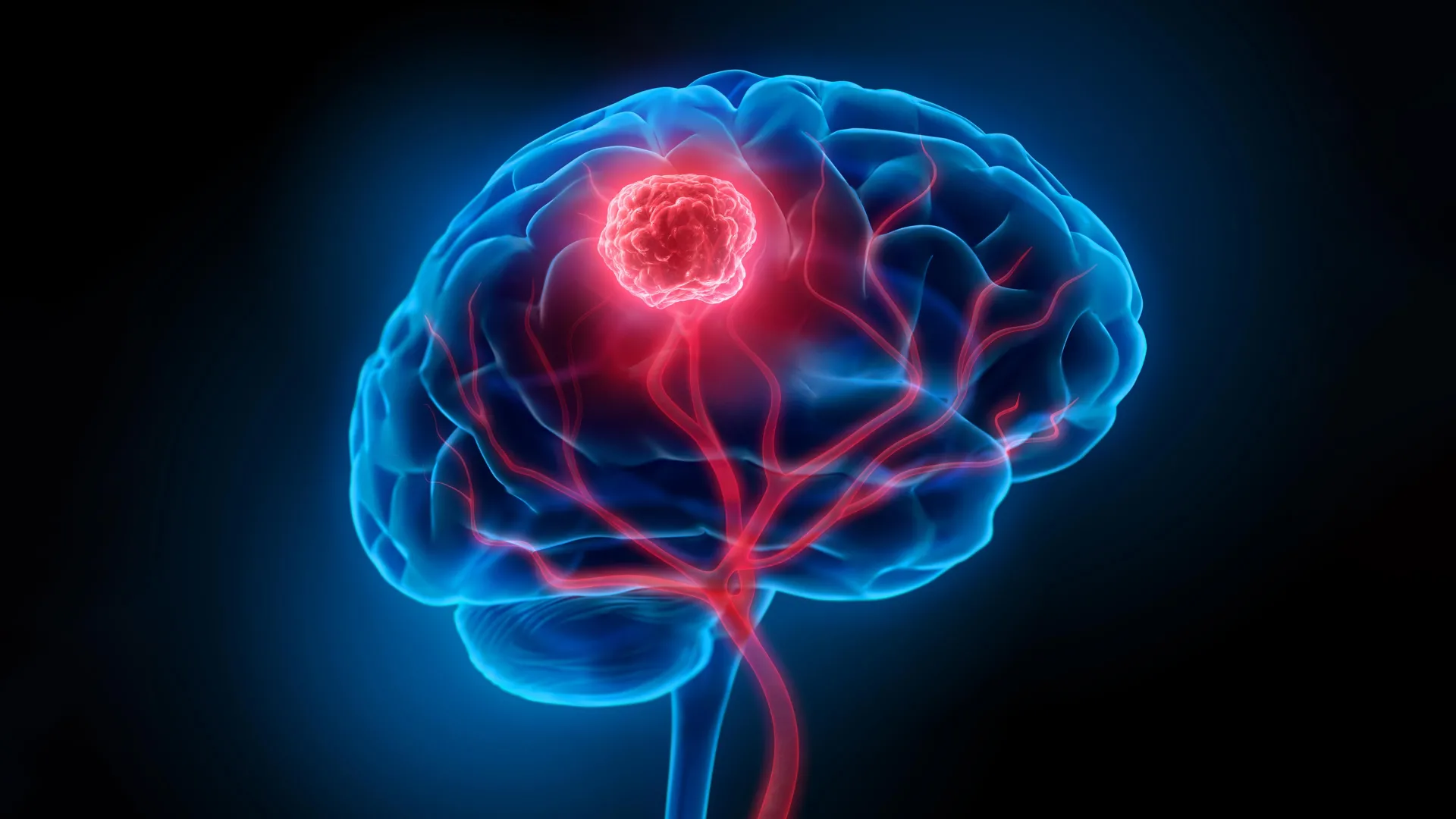
In a significant departure from the traditional "search and destroy" philosophy of oncology, a pioneering study led by researchers at the Advanced Centre for Treatment, Research and Education in Cancer (ACTREC) in Mumbai, India, suggests that the future of cancer treatment may lie in "healing" tumors rather than simply annihilating them. This new research, published in the peer-reviewed journal BJC Reports, focuses on glioblastoma multiforme (GBM), one of the most aggressive and lethal forms of primary brain cancer. The study proposes that a low-cost, non-toxic combination of the plant-derived polyphenol resveratrol and the mineral copper can fundamentally alter the biological behavior of tumors, steering them toward a less malignant state by neutralizing toxic fragments of DNA released by dying cells.
For decades, the standard of care for cancer has relied on surgery, radiotherapy, and chemotherapy—methods designed to kill as many cancer cells as possible. However, Professor Indraneel Mittra, the Dr. Ernest Borges Chair in Translational Research at ACTREC, argues that this approach may inadvertently trigger a cycle of aggression. When cancer cells die due to treatment, they release cell-free chromatin particles (cfChPs) into the surrounding environment. These fragments of DNA and protein, according to Mittra’s long-standing research, act as "onco-inflammatory" agents that are taken up by surviving cancer cells, making them more resilient, invasive, and aggressive. By targeting these particles, the Mumbai-based team believes they have found a way to "subdue" the disease.
The Historical Context: Cancer as a Non-Healing Wound
The conceptual framework for this study dates back to 1986, when Dr. Harold Dvorak published a seminal article in the New England Journal of Medicine titled "Tumors: Wounds That Do Not Heal." Dvorak observed that the biological processes involved in tumor growth—such as angiogenesis (the formation of new blood vessels), cell proliferation, and the remodeling of the extracellular matrix—are remarkably similar to the body’s natural response to injury. However, while a normal wound eventually heals and the biological processes shut down, a tumor remains in a state of perpetual "repair," leading to uncontrolled growth.
Professor Mittra’s work builds upon this foundation, suggesting that if a tumor is a wound that cannot close, the goal of medicine should be to provide the biochemical environment necessary for that "healing" to occur. This paradigm shift moves away from the "war on cancer" metaphor toward a restorative model. The recent glioblastoma trial represents a clinical application of this theory, testing whether neutralizing the inflammatory triggers within the tumor microenvironment can halt the progression of the disease.
Study Design and Methodology at ACTREC
The clinical trial involved twenty patients diagnosed with glioblastoma, a disease characterized by a median survival rate of only 12 to 15 months despite intensive intervention. The researchers divided the participants into two groups of ten. The experimental group received a unique nutraceutical intervention: a tablet containing a combination of resveratrol (5.6 mg) and copper (0.56 mg). These patients took the tablet four times daily for an average of 11.6 days leading up to their scheduled neurosurgery.
The second group of ten patients served as the control, receiving standard care without the nutraceutical intervention prior to surgery. This "window-of-opportunity" study design allowed researchers to compare the biological state of the tumors at the exact moment of excision. Following surgery, the tumor tissues from both groups underwent exhaustive analysis, including high-resolution microscopy, immune-staining, immunofluorescence, and sophisticated transcriptome analysis to map gene expression patterns.
The Mechanism of Action: Deactivating cfChPs
The core of the treatment’s success lies in the chemical reaction between resveratrol and copper. When these two substances interact, they act as a catalyst to generate oxygen radicals. While high levels of systemic oxidative stress are generally harmful, the specific reaction triggered by the R-Cu (resveratrol-copper) combination occurs in the vicinity of cell-free chromatin particles. These oxygen radicals effectively deactivate or destroy the cfChPs.
In the untreated control group, the researchers found that the tumor tissue was saturated with these chromatin fragments. These fragments serve as "damage-associated molecular patterns" (DAMPs), which trigger chronic inflammation and genomic instability in neighboring cells. In contrast, the tumors from patients who had taken the R-Cu tablets showed a near-total absence of these particles. The study suggests that the treatment encouraged "clean" cell death—apoptosis—preventing the messy rupture of cells that typically spills inflammatory DNA into the brain tissue.
Quantitative Findings and Biological Markers
The analysis of the tumor samples revealed dramatic shifts in several key biomarkers that dictate cancer progression. The researchers noted improvements across four primary categories:
- Reduction in Proliferation: Markers associated with rapid cell division and tumor growth were significantly downregulated in the treated group. This suggests that the R-Cu combination effectively "slowed down" the cancer’s clock.
- Induction of Apoptosis: There was a marked increase in programmed cell death. Unlike necrosis (uncontrolled cell death), apoptosis does not trigger an inflammatory response, supporting the "healing" hypothesis.
- Decreased Inflammation: Transcriptome analysis showed a reduction in the expression of pro-inflammatory cytokines. Chronic inflammation is a known driver of glioblastoma resistance to radiotherapy.
- Downregulation of Immune Checkpoints: Perhaps most surprisingly, the treatment reduced the activity of proteins like PD-L1 and CTLA-4. These are the same "brakes" on the immune system that multi-billion-dollar immunotherapy drugs target.
The fact that a low-cost nutraceutical could influence immune checkpoint pathways is of particular interest to the global medical community. While modern checkpoint inhibitors can cost upwards of $100,000 per course of treatment and carry risks of severe autoimmune side effects, the R-Cu tablets were produced for a fraction of a cent and resulted in zero reported side effects among the study participants.
Chronology of Research and Institutional Support
The journey to this clinical trial has been decades in the making. Professor Mittra has spent over 20 years investigating the role of cell-free DNA in systemic diseases.
- Early 2000s: Initial laboratory studies at the Tata Memorial Centre identified that DNA fragments from dying cells could integrate into the genomes of healthy cells, potentially causing new mutations.
- 2010-2015: Mittra’s team identified the resveratrol-copper combination as a potent degrader of these DNA fragments in animal models.
- 2020-2023: The team moved into human clinical trials, focusing on various cancers, with the glioblastoma study being one of the most high-stakes applications due to the aggressive nature of brain tumors.
The study was conducted at ACTREC, the R&D wing of the Tata Memorial Centre, which is one of the oldest and largest cancer centers in the world. Funding was provided by the Department of Atomic Energy, Government of India, reflecting the national importance placed on developing affordable, indigenous medical solutions.
Implications for Global Oncology and Economic Access
The implications of this research extend far beyond the laboratory. In many developing nations, the latest advancements in oncology—such as CAR-T cell therapy or advanced monoclonal antibodies—remain financially out of reach for the majority of the population. A treatment based on resveratrol (found in grapes) and copper (a common mineral) represents a democratization of cancer care.
"We have been trying to kill cancer cells for 2,500 years, since the time of the ancient Greeks, without success," Professor Mittra noted in his analysis. "If you eliminate the cell-free chromatin… the cancer is subdued."
If larger phase II and III trials replicate these results, the R-Cu combination could be integrated into standard protocols worldwide, not necessarily as a replacement for surgery or radiation, but as a supportive therapy that prevents the "rebound" aggression often seen after traditional treatments. By neutralizing the toxic debris of chemotherapy and radiation, this nutraceutical approach could make conventional treatments more effective and less likely to lead to recurrence.
Critical Analysis and Future Directions
Despite the striking results, the researchers urge caution. The study’s primary limitation is its small sample size—twenty patients in total. While the biological changes observed were statistically significant and consistent across the experimental group, larger cohorts are required to determine if these changes translate into longer overall survival (OS) and progression-free survival (PFS) rates.
Furthermore, the "window-of-opportunity" design only looked at the effects over an 11-day period. The long-term impact of maintaining patients on R-Cu tablets for months or years remains to be seen. Future research will likely focus on whether this treatment can prevent the recurrence of glioblastoma, which is currently almost 100% in clinical practice.
Professor Mittra and his colleagues are now looking toward expanded trials that will include more diverse patient populations and longer follow-up periods. They are also investigating whether this "healing" approach can be applied to other "recalcitrant" cancers, such as pancreatic or metastatic lung cancer.
Conclusion: A Potential Transformation in Care
The work emerging from ACTREC challenges the fundamental assumptions of modern oncology. By viewing the tumor not as an alien invader to be eradicated at all costs, but as a dysfunctional biological process that can be guided back toward health, Professor Mittra’s team has opened a new front in the medical field. As the global healthcare community grapples with the rising costs of cancer care and the limitations of toxic therapies, the simple combination of resveratrol and copper offers a glimpse into a future where treatment is both effective and humane. If the "healing" of tumors becomes a clinical reality, it would mark the beginning of a new era in the 2,500-year history of man’s struggle against cancer.
