
 By admin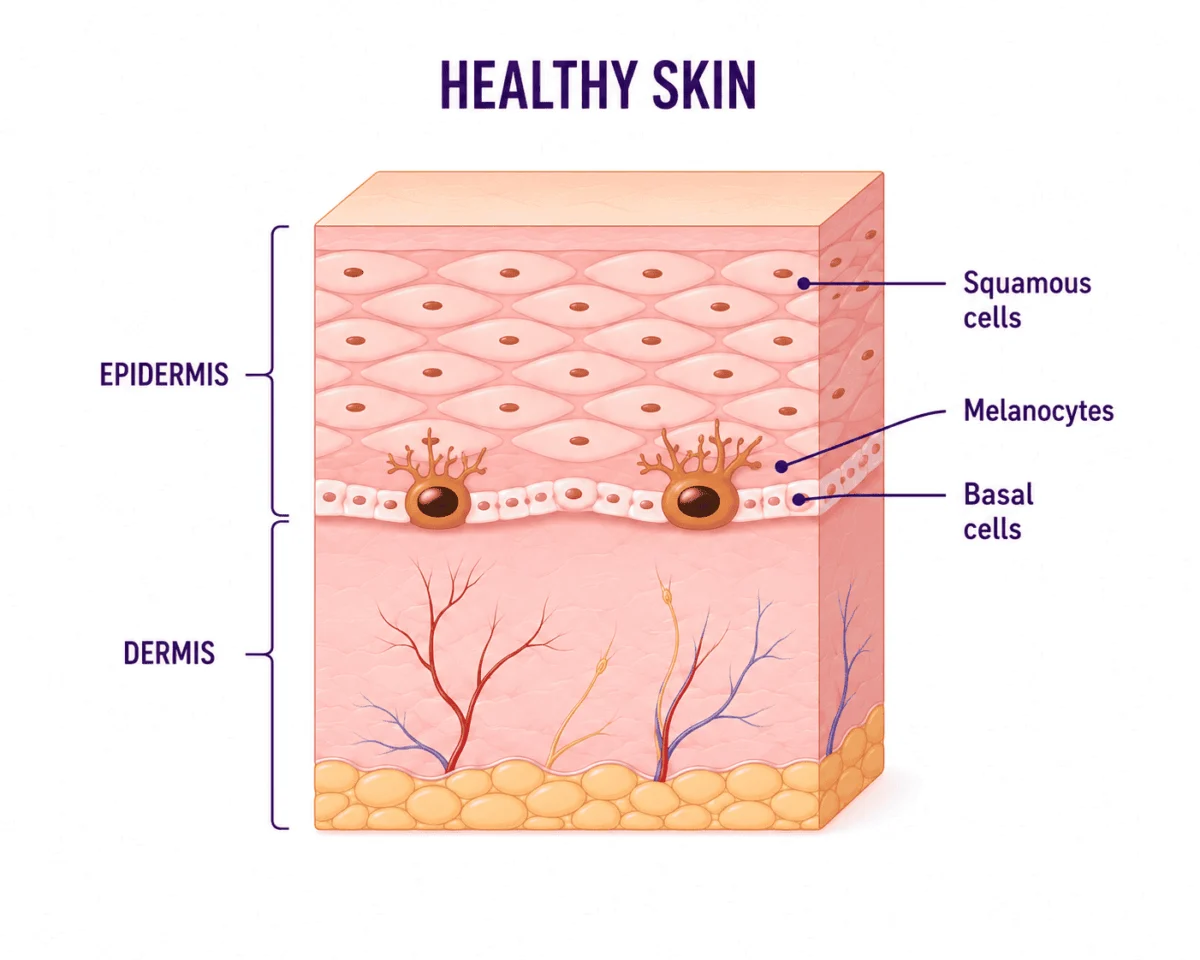
July marks Ultraviolet (UV) Radiation Safety Awareness Month, a critical period for public health organizations like the Cancer Research Institute (CRI) to highlight the pervasive risks of sun exposure and the importance of proactive skin protection. The skin, the body’s largest organ, serves as a vital barrier against environmental threats, yet it is uniquely vulnerable to the damaging effects of UV radiation, a primary driver of skin cancer development. This annual observance underscores a dual imperative: empowering individuals with preventative knowledge and celebrating the transformative scientific breakthroughs in skin cancer treatment.
Understanding Ultraviolet Radiation: The Invisible Threat
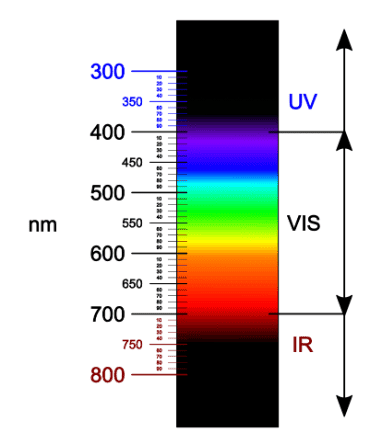
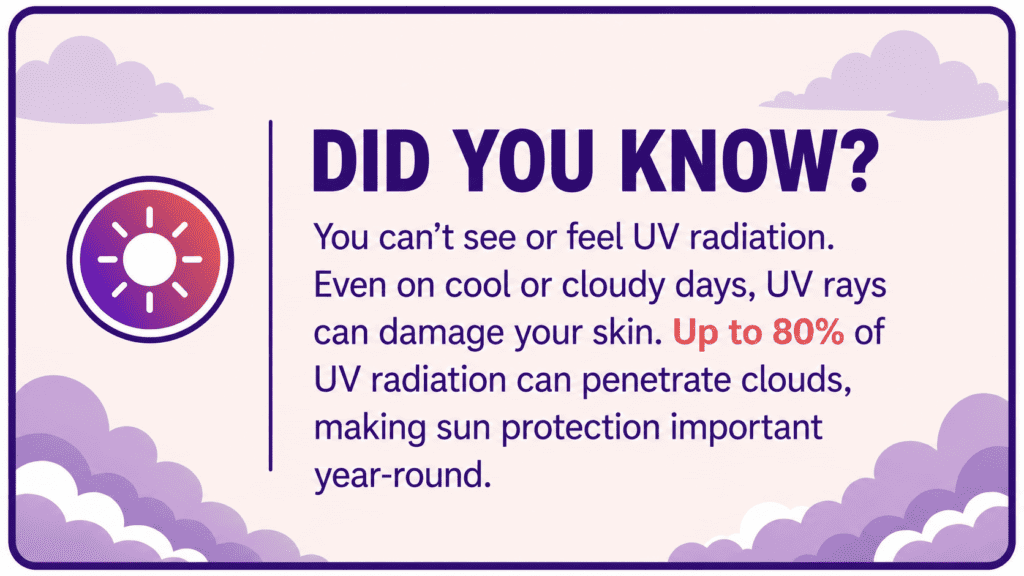
Ultraviolet radiation, an invisible component of the electromagnetic spectrum, originates primarily from the sun but is also emitted by artificial sources such as tanning beds. With wavelengths ranging from 100 to 400 nanometers, UV light is shorter than visible light but longer than X-rays. It is categorized into three main types based on wavelength: UVA, UVB, and UVC.
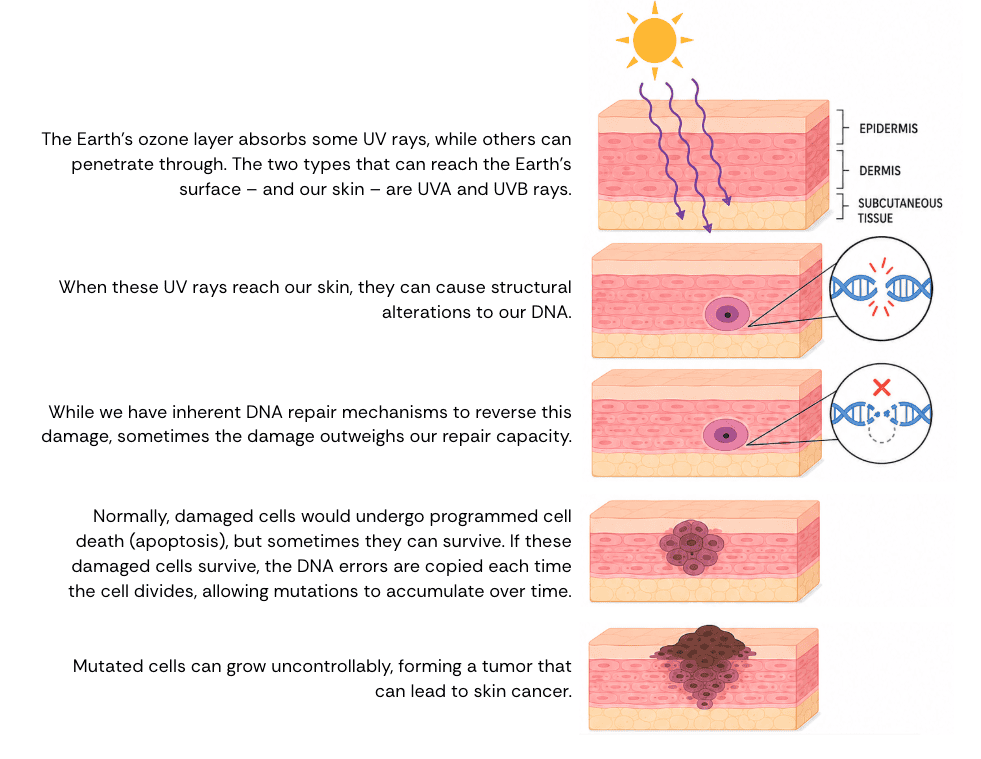
UVC rays, the shortest and most energetic, are almost entirely absorbed by the Earth’s ozone layer and pose little direct threat to human skin. However, UVA and UVB rays penetrate the atmosphere and reach the Earth’s surface, interacting with skin cells in distinct ways. UVA rays, accounting for approximately 95% of the UV radiation reaching the Earth, have longer wavelengths and penetrate deeper into the skin, contributing to premature aging, wrinkles, and suppressing the immune system, in addition to playing a significant role in skin cancer. UVB rays, while less prevalent, are more potent, directly damaging DNA in skin cells and being the primary cause of sunburn. Both UVA and UVB are proven carcinogens, capable of initiating the genetic mutations that lead to cancerous growth.
The mechanism by which UV radiation causes skin cancer is rooted in its ability to inflict damage on cellular DNA. When skin cells absorb UV energy, the DNA within them can undergo structural changes, most notably the formation of pyrimidine dimers. While the body’s natural repair mechanisms often correct this damage, repeated and excessive exposure can overwhelm these systems. Over time, these unrepaired or misrepaired DNA lesions accumulate, leading to mutations in critical genes that control cell growth and division. These mutations can transform healthy cells into cancerous ones, initiating the uncontrolled proliferation characteristic of skin cancer. The cumulative nature of this DNA damage means that sun exposure over decades contributes to an individual’s lifetime risk, emphasizing that past sun habits significantly influence future health outcomes.
The Landscape of Skin Cancer: Types and Statistics
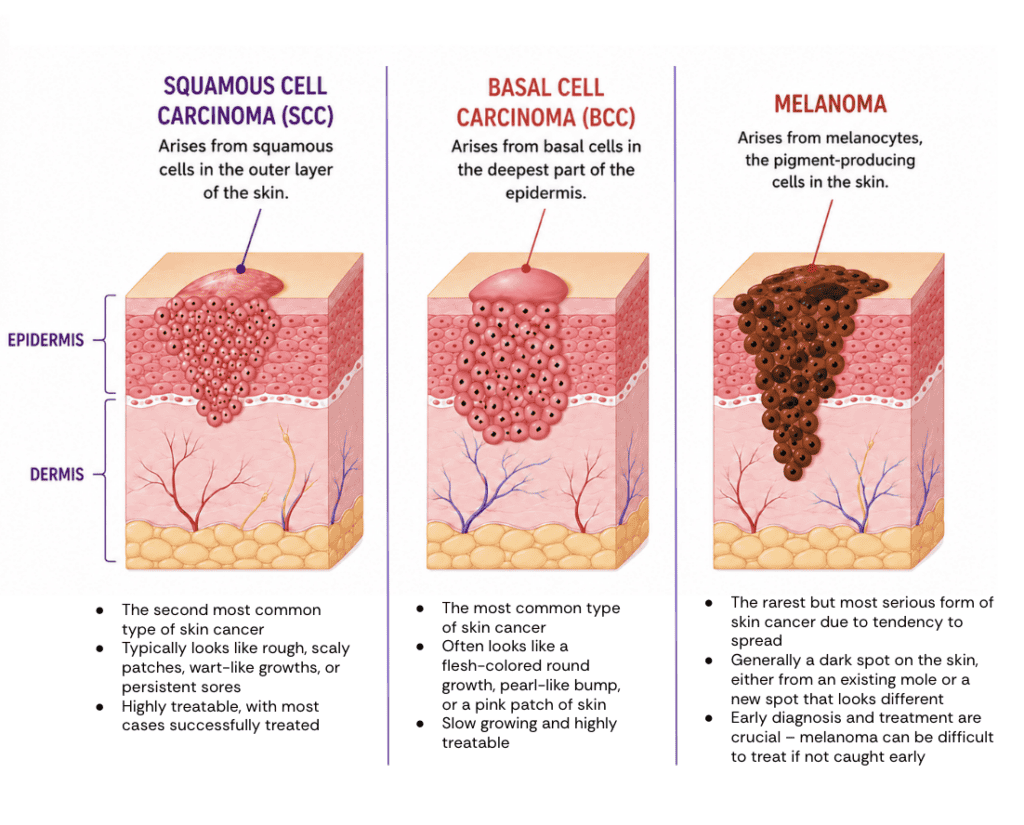
Skin cancer is the most common form of cancer globally, with its incidence continuing to rise. The three primary types are Basal Cell Carcinoma (BCC), Squamous Cell Carcinoma (SCC), and Melanoma.
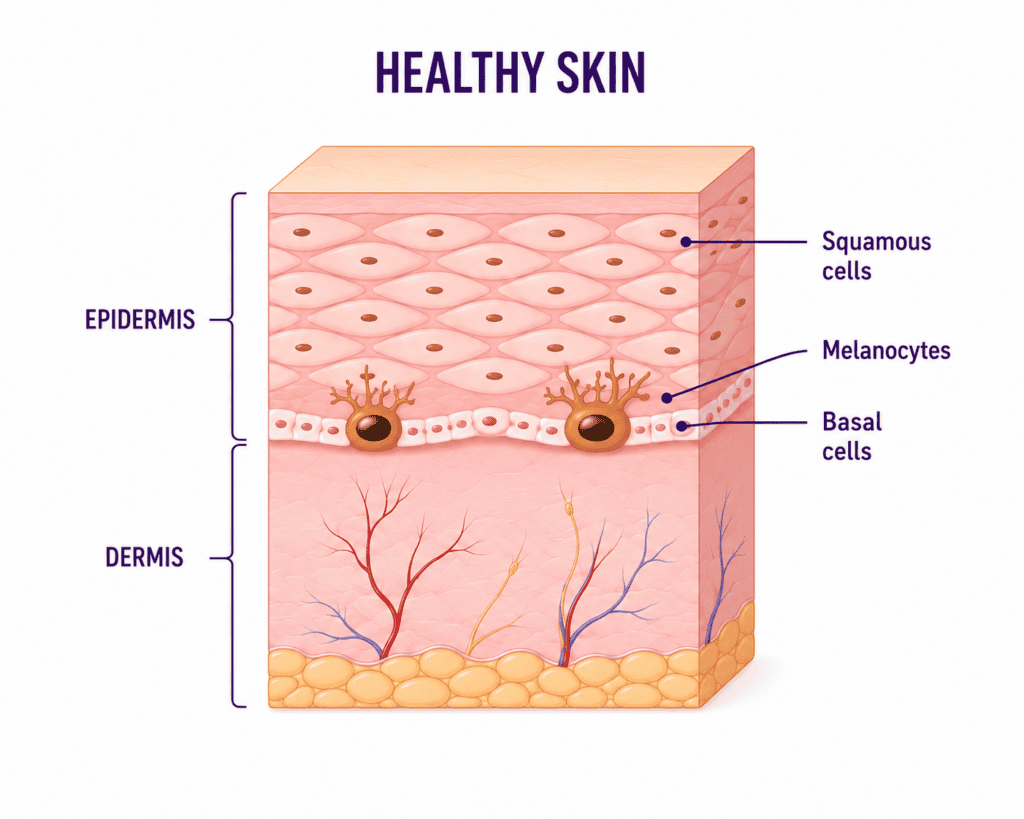
- Basal Cell Carcinoma (BCC): This is the most common type, accounting for approximately 8 out of 10 skin cancers. BCCs originate in the basal cells, which are found in the outermost layer of the skin (epidermis). They typically appear as pearly or waxy bumps, often on sun-exposed areas like the face, neck, and ears. While BCCs rarely metastasize, they can be locally destructive, invading surrounding tissues if left untreated. The vast majority of BCCs are curable with early detection and treatment.
- Squamous Cell Carcinoma (SCC): The second most common type, SCCs develop in the squamous cells, also found in the epidermis. They often present as firm, red nodules or flat, scaly lesions. SCCs are more aggressive than BCCs and have a higher potential to spread to other parts of the body, particularly if they are large or located on mucous membranes or areas of chronic inflammation. Like BCCs, they are highly curable when detected early.
- Melanoma: Though less common than BCC or SCC, melanoma is the most dangerous form of skin cancer due to its high propensity for metastasis if not caught early. Melanoma develops from melanocytes, the cells that produce melanin, the pigment that gives skin its color. It can appear as a new mole or a change in an existing one, often characterized by asymmetry, irregular borders, varied color, and a diameter larger than 6mm (the "ABCDEs" of melanoma detection). While genetic predisposition plays a role, intense, intermittent sun exposure, particularly blistering sunburns in childhood, significantly increases melanoma risk.
Globally, over 3 million non-melanoma skin cancers (BCC and SCC) and 300,000 melanoma cases are diagnosed each year. In the United States alone, approximately 1 in 5 Americans will develop skin cancer by the age of 70. Melanoma incidence has been steadily increasing for decades, particularly among younger women. While mortality rates for melanoma have seen a significant decline in recent years due to treatment advances, it remains a leading cause of cancer-related death, underscoring the critical need for both prevention and improved therapies.
Prevention: The First Line of Defense
Given that most skin cancers are directly linked to UV exposure, prevention remains the most effective strategy. Public health campaigns, like those during UV Radiation Safety Awareness Month, consistently advocate for a multi-faceted approach to sun protection.
- Sunscreen Application: Using a broad-spectrum sunscreen with an SPF of 30 or higher is paramount. "Broad-spectrum" indicates protection against both UVA and UVB rays. Sunscreen should be applied generously to all exposed skin 15-30 minutes before sun exposure and reapplied every two hours, or more frequently after swimming or sweating. Mineral sunscreens (zinc oxide, titanium dioxide) physically block UV rays, while chemical sunscreens absorb them.
- Protective Clothing: Clothing offers an excellent physical barrier. Long-sleeved shirts, long pants, and wide-brimmed hats (at least 3 inches all around) can block a significant amount of UV radiation. Clothing with an Ultraviolet Protection Factor (UPF) rating provides an even higher level of assured protection, with UPF 30+ being recommended. Sunglasses that block 99-100% of UVA and UVB rays are crucial for protecting the delicate skin around the eyes and preventing cataracts.
- Seeking Shade: The simplest and often most effective measure is to seek shade, especially during peak UV hours, typically between 10 AM and 4 PM, when the sun’s rays are strongest. The UV Index, a forecast of the expected intensity of UV radiation, can be a useful tool for planning outdoor activities.
- Avoiding Tanning Beds: Artificial tanning devices emit concentrated UV radiation, often significantly higher than natural sunlight, and are classified as Group 1 carcinogens by the World Health Organization. Avoiding them completely is a clear preventative measure.
- Regular Skin Self-Exams and Professional Check-ups: Beyond daily protection, individuals should perform monthly self-skin exams to identify any new or changing moles or lesions. Annual professional skin exams by a dermatologist are also highly recommended, particularly for individuals with a history of skin cancer, numerous moles, or a family history of melanoma. Early detection dramatically improves treatment outcomes for all types of skin cancer.
The Immunotherapy Revolution: A New Horizon for Melanoma Patients
While prevention is crucial, when skin cancer, particularly advanced melanoma, does occur, the landscape of treatment has been profoundly reshaped by scientific innovation. Historically, advanced melanoma carried a grim prognosis, with limited effective treatment options beyond surgery and conventional chemotherapy, which often yielded short-lived responses and significant toxicity. However, breakthroughs in cancer immunotherapy have transformed this outlook, positioning melanoma as one of immunotherapy’s greatest success stories.
The pivotal shift came with the development of Immune Checkpoint Inhibitors (ICIs). These drugs operate by "releasing the brakes" on the immune system. Cancer cells, including melanoma, often develop mechanisms to evade immune detection by exploiting natural immune checkpoints – proteins on immune cells that, when activated, prevent an immune response from being too strong or prolonged. By blocking these inhibitory interactions, ICIs allow the body’s own T-cells to recognize and attack cancer cells more effectively.
Key examples of ICIs for melanoma include:
- Ipilimumab (anti-CTLA-4): One of the first ICIs approved, targeting the CTLA-4 checkpoint.
- Pembrolizumab and Nivolumab (anti-PD-1): These drugs target the PD-1 checkpoint, often showing higher response rates and fewer side effects than CTLA-4 inhibitors.
- Combination Therapies: The combination of anti-CTLA-4 and anti-PD-1 agents has demonstrated even greater efficacy for some patients with advanced melanoma, albeit with a higher incidence of side effects.
The intellectual foundation for these groundbreaking therapies was laid by pioneering researchers, most notably James P. Allison, PhD, Director of CRI’s Scientific Advisory Council. Dr. Allison’s seminal work on the CTLA-4 checkpoint pathway in the mid-1990s revealed its potential as a therapeutic target. His insights led to the development of ipilimumab, which demonstrated unprecedented long-term survival rates in patients with metastatic melanoma. For his profound contributions, Dr. Allison was awarded the Nobel Prize in Physiology or Medicine in 2018, sharing the honor with Tasuku Honjo, who independently discovered the PD-1 checkpoint.
The real-world impact of this research is powerfully illustrated by patient stories like that of Sharon Belvin. Diagnosed with Stage 4 melanoma at the age of 22, Sharon faced a bleak prognosis. Running out of conventional options, her oncologist enrolled her in one of the early clinical trials for ICIs. Her remarkable and durable response to treatment, which continues to this day, over two decades later, became a beacon of hope and a testament to the potential of immunotherapy. Dr. Allison himself officiated her wedding, a poignant symbol of the personal connections forged by scientific discovery. Sharon’s survival underscored that decades of fundamental immunology research had not just yielded academic insights but had translated directly into life-saving treatments, transforming once-fatal diagnoses into opportunities for long-term survival.
Ongoing Research: Refining Immunotherapy and Expanding Its Reach
Despite the monumental progress, immunotherapy doesn’t work for every patient. Between 30% and 50% of patients with advanced melanoma do not respond to ICIs, and some who initially respond may later relapse. This challenge fuels a vibrant field of ongoing research, aiming to understand the mechanisms of resistance, identify predictive biomarkers, and develop novel therapeutic strategies.
One such area of cutting-edge investigation is led by researchers like Katie Campbell, PhD, a former CRI Postdoctoral Fellow and adjunct assistant professor at UCLA. Dr. Campbell’s work focuses on deciphering the complex interplay within the tumor microenvironment – the intricate cellular neighborhood surrounding cancer cells that includes immune cells, blood vessels, and connective tissue. Her team is not only examining the types and quantities of immune cells present within tumors but also their spatial arrangement and dynamic interactions.
Dr. Campbell describes these as "cellular neighborhoods," where cancer cells, various immune cells (such as T-cells, macrophages, and dendritic cells), and the supporting vasculature are in constant communication. By analyzing the architecture of these neighborhoods, particularly in biopsies taken both before and during treatment, researchers can gain a dynamic understanding of the immune system’s response to therapy. This approach moves beyond static snapshots, providing a more comprehensive picture of how the immune system mobilizes or fails to mobilize against cancer. "It’s like taking a picture of a bike race before it starts," Dr. Campbell explains. "Before the race, you can just say there’s a bunch of bikes. Once they’re moving, you can say which cyclists are at the front of the pack versus the back – and you can do a lot more inference about what’s happening."
The broader vision of this research is to enable smarter, earlier interventions. Currently, patients who don’t respond to initial immunotherapy regimens may endure multiple ineffective treatments, losing precious time and potentially compromising their overall health and ability to respond to subsequent therapies. Dr. Campbell’s goal is to develop predictive tools that will allow clinicians to identify the right therapy for individual patients sooner, minimizing delays and maximizing the chances of successful outcomes. This personalized approach to treatment promises to refine the application of immunotherapy, extending its life-saving benefits to a greater proportion of patients.
A Holistic Approach: Protection Today, Cures Tomorrow
The narrative of skin cancer care is one of continuous advancement on multiple fronts. From the foundational understanding of UV radiation’s detrimental effects to the revolutionary development of immunotherapies, progress is driven by a commitment to public health and scientific inquiry. Most skin cancers are preventable through straightforward habits that reduce UV exposure, making sunscreen, protective clothing, and diligent skin checks indispensable tools for safeguarding individual health.
Simultaneously, for those who do develop skin cancer, particularly advanced melanoma, decades of rigorous research have fundamentally altered what is possible. Immunotherapy has transformed the outlook, offering long-lasting responses and even cures where once there were none. Yet, the journey continues. Researchers, supported by organizations like CRI, are relentlessly working to refine existing treatments, uncover new therapeutic targets, and ensure that more patients can benefit from these life-saving innovations.
Ultimately, addressing skin cancer requires a holistic approach: individual vigilance in prevention coupled with unwavering support for scientific discovery. Whether it’s applying sunscreen before stepping outdoors or contributing to the research that fuels tomorrow’s breakthroughs, every action moves us closer to a world where fewer people develop skin cancer, and more people survive it. The dual commitment to personal responsibility and scientific advancement remains the most powerful strategy in the ongoing fight against this pervasive disease.
