
 By Billy Candra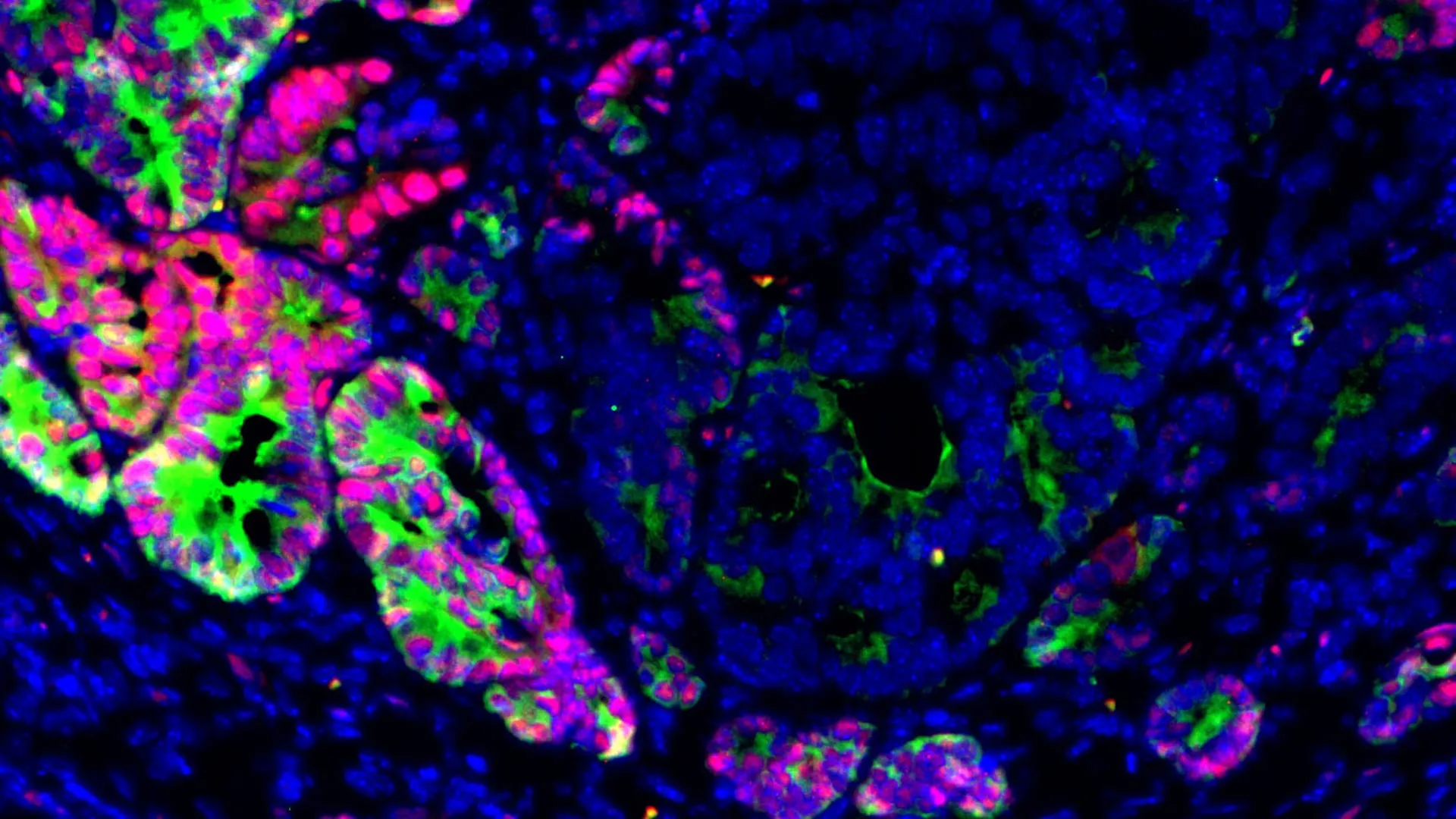
A groundbreaking collaborative study by researchers at Weill Cornell Medicine and the Massachusetts Institute of Technology has identified a pivotal mechanism potentially responsible for the deadly spread of colorectal cancer (CRC) to the liver. Their findings, published on June 22 in the esteemed journal Cell Stem Cell, pinpoint the loss of GATA6, a crucial transcription factor, as a key event that propels cancer cells into a highly adaptable, primitive state conducive to metastasis. This discovery marks a significant paradigm shift in understanding metastatic progression, moving beyond the long-standing search for elusive genetic mutations to highlight the profound influence of epigenetic changes. Understanding this cellular transformation offers new avenues for developing preventive strategies against liver metastasis, which remains the primary cause of death for patients with colorectal cancer.
The Lethal Challenge of Colorectal Cancer Metastasis
Colorectal cancer is a formidable global health challenge, ranking as the third most common cancer and the second leading cause of cancer-related deaths worldwide. According to the World Health Organization (WHO), there were over 1.9 million new cases and 935,000 deaths from CRC in 2020. In the United States alone, the American Cancer Society estimates over 153,000 new cases and 52,000 deaths annually. While early-stage colorectal cancer often has a favorable prognosis with surgical intervention and adjuvant therapies, the survival rates plummet dramatically once the disease metastasizes, particularly to the liver.
The liver is the most common site for colorectal cancer metastasis, affecting approximately 25-30% of patients at diagnosis (synchronous metastases) and developing in another 25-30% during the course of their disease (metachronous metastases). This predilection for liver metastasis is attributed to the liver’s dual blood supply, particularly the portal venous system that drains blood directly from the intestines, making it a prime destination for circulating tumor cells. Once colorectal cancer spreads to the liver, the five-year survival rate can drop from over 90% for localized disease to less than 15%. This stark reality underscores the urgent need for a deeper understanding of the metastatic process and the development of targeted interventions. For decades, scientists have diligently searched for specific genetic mutations that might drive this deadly spread, yet no clear, universally applicable "driver mutations" for liver metastasis have consistently emerged, prompting researchers to explore alternative mechanisms.
A New Frontier: Epigenetic Reprogramming Over Genetic Mutations
The study’s central revelation lies in shifting the focus from genetic mutations—permanent alterations to the DNA sequence—to epigenetic changes. Epigenetics refers to modifications that affect gene expression without altering the underlying DNA sequence. These changes, such as DNA methylation or histone modifications, act like switches, turning genes on or off and dictating which proteins a cell produces. The research team found that the loss of GATA6 expression is an epigenetic event, not a genetic mutation, that fundamentally alters the cellular identity of colorectal cancer cells.
Dr. Norihiro Goto, an assistant professor of medicine in the Division of Gastroenterology & Hepatology at Weill Cornell, who co-led the research, emphasized this critical distinction: "We discovered that GATA6 loss acts as a critical switch that can change cancer cells in the primary tumor from non-metastatic to pro-metastatic. Our findings suggest that epigenetic changes may be more important for promoting liver metastasis." This statement highlights a significant departure from conventional thinking, suggesting that the dynamic control over gene activity, rather than irreversible DNA damage, could be the primary orchestrator of metastatic potential in CRC. Dr. Saori Goto, an instructor in medicine at Weill Cornell, served as the first author of the study, with Dr. Omer H. Yilmaz, an associate professor of biology at the Massachusetts Institute of Technology, also co-leading the impactful work.
GATA6: The Molecular Identity Keeper and Its Loss
GATA6 normally plays a vital role as a molecular "identity keeper" in the epithelial cells lining the intestine. It is a transcription factor, meaning it binds to specific DNA sequences to regulate the transcription of genes, thereby controlling cell differentiation and maintaining specialized cellular functions. In healthy intestinal cells, GATA6 ensures that cells retain their distinct characteristics and perform their designated tasks.
However, the study found a stark contrast in metastatic settings. GATA6 levels were significantly lower in liver metastases observed in both mouse models and human colorectal cancer patients. Furthermore, reduced GATA6 expression was directly correlated with poorer patient outcomes, underscoring its prognostic significance. When GATA6 is lost, the cellular blueprint for identity is disrupted, allowing cancer cells to shed their specialized features and revert to a more primitive, flexible, and adaptable state. This process is known as "lineage plasticity"—the ability of cells to alter their identity and behavior. The researchers observed that in the absence of GATA6, colorectal cancer cells activated alternative genetic programs, adopting a "fetal-like state" characterized by increased flexibility and resilience. These transformed cells, no longer constrained by their original intestinal identity, became remarkably adept at navigating the bloodstream, surviving in foreign environments, and establishing new tumors in distant organs, particularly the liver.
This concept of lineage plasticity is not entirely foreign to biology. It is a fundamental mechanism employed by the body during processes like wound repair, tissue regeneration, and adaptation to severe stress. For instance, during injury, some differentiated cells might temporarily dedifferentiate to contribute to healing. However, in the context of cancer, this intrinsic biological program is hijacked, turning a protective mechanism into a dangerous engine for disease progression.
Innovative Organoid Models Pave the Way for Deeper Insights
One of the methodological strengths of this study was the innovative use of organoid models, which provided an unprecedented view into the early stages of metastasis. Dr. Norihiro Goto explained the limitations of traditional research approaches: "When researchers analyze patient samples from liver metastases, we fail to capture the important signals occurring in the early stages of the metastatic process." Established liver metastases represent the culmination of a complex biological journey, making it challenging to identify the initial cellular events that confer metastatic potential.
To overcome this hurdle, the research team developed sophisticated laboratory models using organoids derived from liver metastases. Organoids are miniature, three-dimensional clusters of cells grown in vitro that faithfully reproduce many of the structural and functional characteristics of real organs or tumors. By implanting these cancer organoids into the colons of mice, the scientists could observe their progression. The implanted organoids formed increasingly aggressive primary tumors that subsequently spread to the liver. Crucially, the team repeated this process multiple times, creating a sequential model where cancer cells gradually acquired and refined their metastatic capabilities across generations of organoids. This iterative approach allowed them to identify the subtle, dynamic changes occurring at the earliest stages of metastatic evolution, providing a chronological understanding of how cancer cells transition from a non-metastatic to a pro-metastatic state. This capability to observe and manipulate the metastatic cascade in real-time within a controlled environment was instrumental in identifying GATA6 loss as a critical, early event.
The LGR5 Link: From Intestinal Stem Cells to Metastatic Competence
A significant indicator of this GATA6-driven lineage plasticity was the observed shift in cellular markers. The study highlighted the disappearance of LGR5, a well-established marker for intestinal stem cells, in the transformed cells. Previous research has indicated that LGR5-negative cells possess a unique ability to initiate liver metastases, suggesting a critical role in disease dissemination.
The new findings provided a direct link: shutting down GATA6 caused colorectal cancer cells to transition from an LGR5-positive state to an LGR5-negative state. These LGR5-negative cells exhibited distinct fetal-like characteristics and, crucially, demonstrated a heightened capacity to spread to other organs. Conversely, the researchers showed that restoring GATA6 activity, or activating related cellular pathways, effectively suppressed the metastatic potential of colorectal cancer cells. This bidirectional control strongly supports GATA6’s role as a master regulator of cellular identity and metastatic competence. Dr. Norihiro Goto further elaborated on these findings, stating, "When we genetically delete GATA6, the frequency and burden of liver metastases in mouse models significantly increase, while having little effect on primary tumor growth." This observation is particularly profound because it suggests that GATA6 loss specifically primes cells for metastasis without necessarily accelerating the growth of the primary tumor itself. This implies that metastasis may depend more on specific transitions between cellular states—a qualitative shift—rather than simply the quantitative aspects of primary tumor growth or size.
Broader Implications: Biomarkers, Prognosis, and Therapeutic Innovation
The discovery of GATA6’s role has profound implications across several facets of colorectal cancer management, from diagnosis and prognosis to the development of novel therapies.
Potential Biomarker for Metastatic Risk: The most immediate application of these findings is the possibility of using GATA6 expression levels as a prognostic biomarker. Tumors exhibiting low GATA6 levels could signal a higher likelihood of containing cells capable of undergoing the metastasis-promoting cellular state switch. This information would be invaluable for clinicians, enabling them to identify patients at higher risk of liver metastasis. Such patients might benefit from more intensive surveillance, earlier or more aggressive adjuvant therapies, or inclusion in clinical trials for new anti-metastatic agents. This personalized approach could significantly improve patient stratification and treatment planning, moving towards a more tailored oncology.
Novel Therapeutic Targets: The study also opens up exciting avenues for therapeutic intervention. If GATA6 loss drives metastasis, then strategies aimed at restoring GATA6 expression or preventing cancer cells from entering these highly flexible, pro-metastatic states could offer new treatment modalities. For example, researchers could explore epigenetic drugs that modulate gene expression, attempting to reactivate GATA6 or inhibit the alternative genetic programs that emerge in its absence. However, Dr. Norihiro Goto cautiously noted a critical challenge: "researchers will need to find ways to target these processes without interfering with normal tissue repair, which relies on similar biological programs." The body’s natural regenerative processes also involve a degree of cellular plasticity, and any therapeutic intervention must precisely differentiate between pathological and physiological cellular reprogramming to minimize adverse effects.
Future Research Directions: The research team has outlined clear next steps. Future investigations will focus on identifying specific vulnerabilities unique to GATA6-deficient cancer cells. Pinpointing these Achilles’ heels could lead to the development of highly targeted therapies that selectively eliminate metastatic cells without harming healthy tissue. Additionally, the team plans to delve deeper into the intricate interplay between the tumor microenvironment and these cellular transitions. The liver microenvironment, with its unique immune cells, growth factors, and signaling molecules, undoubtedly plays a crucial role in supporting the survival and growth of metastatic cells. Understanding how liver-specific signals influence GATA6-mediated plasticity in preclinical models will be vital for translating these findings into effective clinical strategies.
Dr. Norihiro Goto reiterated the overarching goal of their work: "In addition to treating primary tumors, we need to find strategies to target the mechanism of liver metastasis. Our study is a step toward developing therapies that block the spread of cancer at the earliest stages." This emphasizes a shift from solely focusing on the primary tumor to a dual approach that actively combats the metastatic cascade, which is ultimately responsible for the vast majority of colorectal cancer deaths.
This research, a testament to collaborative scientific endeavor, was supported by a consortium of distinguished organizations, including the Astellas Foundation; Research Abroad from Japan Society for the Promotion of Science; the National Institutes of Health (through grants R00AG076987, 01CA254314, 5U01CA25055, R01CA258523, R01CA25723, R01DK133919, R01DK140310, R01CA299955, and 3OT2CA297570); the Pew-Stewart Trust; AFAR and Glenn Foundation for Medical Research Breakthroughs in Gerontology; the Kenneth Rainin Foundation; the Crohn’s & Colitis Foundation; and the Mark Foundation for Cancer Research. Their collective support underscores the critical importance and potential impact of this discovery in the ongoing fight against colorectal cancer.
