
 By Budi Oetomo Narendra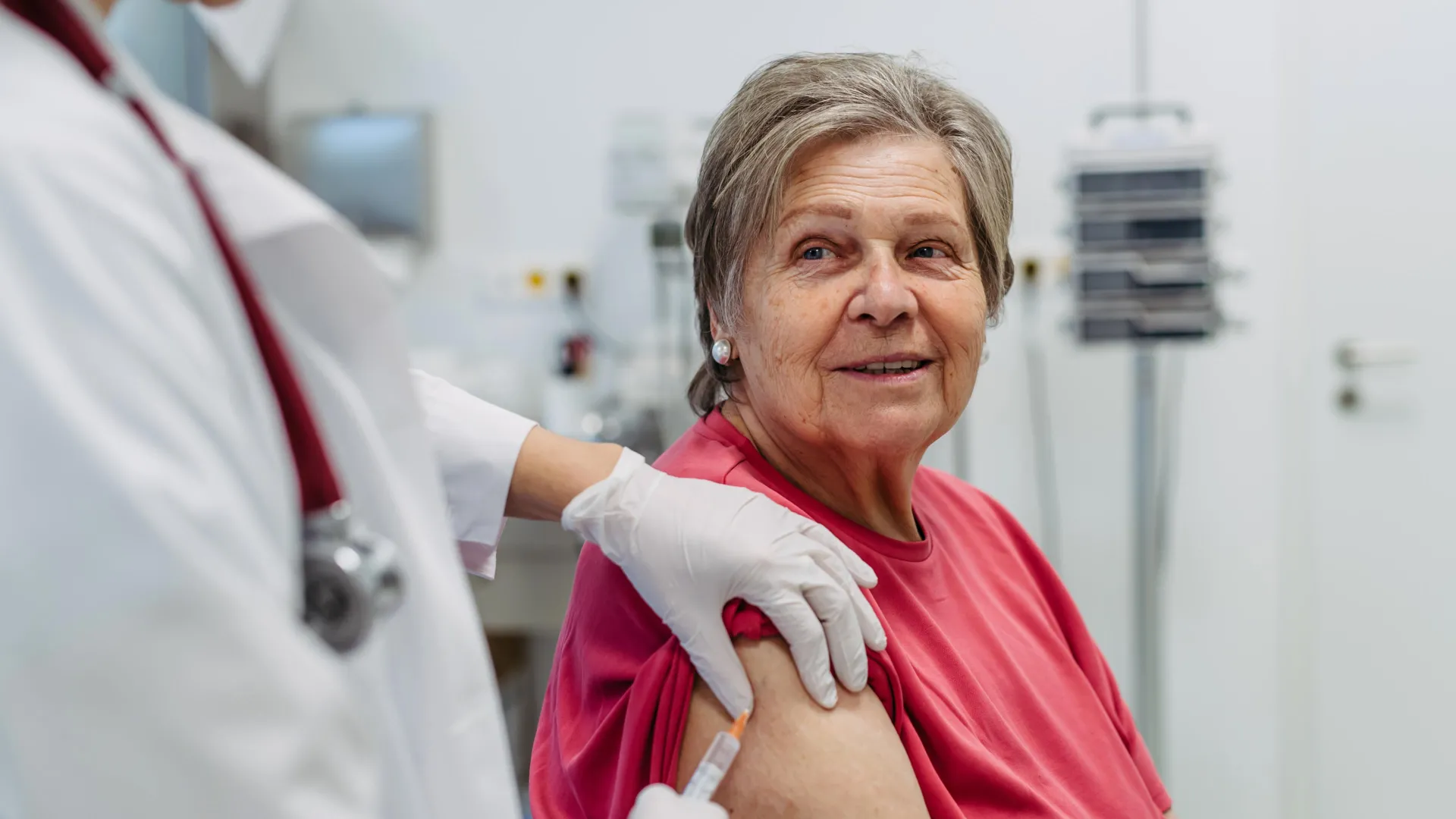
A groundbreaking new study indicates that older adults who received a shingles vaccine after admission to a skilled nursing facility (SNF) experienced a significantly lower risk of being diagnosed with dementia over the subsequent four years. Researchers found that vaccinated individuals had a 24% reduced likelihood of developing dementia compared to their unvaccinated counterparts, shedding new light on the potential neuroprotective benefits of the recombinant shingles vaccine, RZV, commonly known as Shingrix.
Understanding Shingles: A Persistent Viral Threat
Shingles, medically known as herpes zoster, is a painful viral infection caused by the reactivation of the varicella-zoster virus (VZV), the same virus responsible for chickenpox. After an initial chickenpox infection, VZV lies dormant in nerve tissue near the spinal cord and brain. For reasons not fully understood, but often linked to weakening immunity due to age, stress, or illness, the virus can reactivate decades later, traveling along nerve pathways to the skin, causing a distinctive, painful rash that often blisters.
The Centers for Disease Control and Prevention (CDC) estimates that one in three Americans will develop shingles in their lifetime, with the risk dramatically increasing with age. Individuals over 50 are particularly susceptible, and complications can be severe. The most common complication is postherpetic neuralgia (PHN), a debilitating nerve pain that can persist for months or even years after the rash has cleared, significantly impacting quality of life. Less common but more serious complications include vision loss if the eye is affected, hearing problems, balance issues, pneumonia, encephalitis (inflammation of the brain), and even stroke. The economic burden of shingles is substantial, encompassing medical visits, prescription medications, and lost productivity, underscoring the importance of preventive measures.
The Evolution of Shingles Vaccination: From Zostavax to Shingrix
For many years, the primary defense against shingles was Zostavax, a live-attenuated vaccine introduced in 2006. While Zostavax offered moderate protection, its efficacy waned over time, particularly in older adults, and it was contraindicated for individuals with compromised immune systems. The landscape of shingles prevention dramatically shifted in 2017 with the introduction of Shingrix (RZV), a recombinant, adjuvanted subunit vaccine.
Shingrix marked a significant advancement, demonstrating over 90% efficacy in preventing shingles across all age groups 50 and older, with sustained protection for at least seven years. This superior efficacy, coupled with its non-live nature making it suitable for immunocompromised individuals, led the Advisory Committee on Immunization Practices (ACIP) to recommend Shingrix as the preferred shingles vaccine for healthy adults aged 50 and older. The current study’s focus on Shingrix is particularly noteworthy because it evaluates the impact of this highly effective, newer generation vaccine in a vulnerable population, distinguishing it from many earlier studies that primarily examined Zostavax.
Dementia: A Growing Global Health Crisis
Dementia represents a broad category of brain diseases that cause a long-term and often gradual decrease in the ability to think and remember, severe enough to affect a person’s daily functioning. Alzheimer’s disease is the most common form, accounting for 60-80% of cases, followed by vascular dementia. The global prevalence of dementia is staggering, with the World Health Organization (WHO) estimating that over 55 million people live with dementia worldwide, a number projected to nearly double every 20 years, reaching 78 million in 2030 and 139 million in 2050.
The societal and economic impact of dementia is immense. In 2019, the global cost of dementia was estimated at US$1.3 trillion, a figure projected to rise to US$1.7 trillion by 2030. Beyond the financial burden, dementia exacts a profound emotional toll on individuals, families, and caregivers, eroding independence and memory. With no cure currently available, the scientific and medical communities are intensely focused on identifying modifiable risk factors and effective preventive strategies to slow the progression or reduce the incidence of this devastating condition.
The Potential Link: Inflammation, Infection, and Neuroprotection
The idea that infections and inflammatory processes might play a role in the development of neurodegenerative diseases like dementia is gaining increasing traction within the scientific community. Chronic inflammation, often triggered by persistent infections or immune dysregulation, is implicated in a range of age-related conditions, including cognitive decline. The varicella-zoster virus, even in its dormant state, can cause low-level inflammation or, upon reactivation as shingles, trigger a significant inflammatory response.
Researchers hypothesize several mechanisms through which shingles vaccination could offer neuroprotective benefits. One theory suggests that by preventing shingles, the vaccine reduces the severe inflammatory cascade that accompanies the acute infection, thereby mitigating potential damage to the brain and nervous system. Another possibility involves the direct effects of VZV. While dormant, the virus resides in neurons, and its reactivation could potentially contribute to neuronal damage or accelerate neurodegenerative processes. By preventing reactivation, the vaccine could indirectly protect neural health. Furthermore, some studies have explored the idea that the immune response generated by the vaccine might have broader beneficial effects on brain health, though this area requires further investigation. As Kaley Hayes, a study author and assistant professor at Brown University’s School of Public Health, noted, "It fits into this large puzzle that’s just starting to come together that the vaccines are effective at preventing shingles and also appear to have neuroprotective benefits as well."
Unpacking the Latest Research: Methodology and Key Findings
The current study, led by Hayes and published in Annals of Internal Medicine, represents a robust analysis of a large, vulnerable population. The research team, comprising experts from Brown University, the University of Delaware, the Providence Veterans Affairs Medical Center, and other institutions, utilized a sophisticated technique known as target trial emulation. This approach is designed to mimic the conditions of a randomized clinical trial (RCT) using observational data, which is crucial when conducting an actual RCT might be impractical or unethical, especially for preventive interventions in large populations.
The analysis drew upon extensive Medicare data and electronic health records, encompassing more than 500,000 adults aged 66 and older who were admitted to over 5,500 skilled nursing facilities nationwide between 2017 and 2022. This particular timeframe is significant as it aligns with the widespread availability of Shingrix. Participants included in the study had to be eligible for shingles vaccination and, critically, could not have had a prior diagnosis of dementia, ensuring that the study tracked new dementia diagnoses following vaccination status. Of the 509,926 individuals analyzed, a comparatively small subset of 8,843 received at least one dose of the Shingrix vaccine, highlighting a potential gap in vaccination uptake even among a vulnerable demographic.
After a four-year follow-up period, the findings were striking. Among vaccinated participants, 18.8% received a dementia diagnosis, whereas 24.6% of those who remained unvaccinated developed the condition. This translates to a statistically significant 24% lower risk of dementia for those who received the shingles vaccine. Hayes underscored the practical implications of this finding, stating, "This translates to about one in 17 dementia cases potentially being prevented." This figure emphasizes the potential public health impact if vaccination rates were to increase.
Building on a Foundation of Prior Research
The consistency of these findings with earlier studies involving the previous shingles vaccine (Zostavax) lends significant weight to the hypothesis that shingles vaccination may indeed offer neuroprotective benefits. Several previous observational studies had also suggested an association between shingles vaccination and a reduced risk of dementia or Alzheimer’s disease. While those studies provided an initial indication, the current research, focusing on the newer, more effective Shingrix vaccine and a particularly susceptible population, strengthens the evidence base. This cumulative body of evidence suggests a broader pattern, indicating that preventing herpes zoster, regardless of the specific vaccine used, might contribute to long-term cognitive health.
Acknowledging Limitations and the Path Forward
While the findings are highly encouraging, the researchers are careful to highlight important limitations inherent in observational studies. The primary caveat is that the study, by its design, cannot definitively establish a cause-and-effect relationship between Shingrix vaccination and a lower rate of dementia diagnoses. It demonstrates an association, but not direct causation.
The study acknowledged that individuals who received the vaccine tended to be slightly younger and generally healthier than those who remained unvaccinated. These baseline differences could independently contribute to a lower dementia risk. To address this, the researchers meticulously adjusted their analysis to account for these potential confounding factors. While these adjustments reduced the observed association somewhat, they did not fully explain it, suggesting that the vaccine itself or factors strongly associated with vaccination status likely played a role.
The authors explicitly state that additional research, most notably randomized clinical trials (RCTs), will be essential to unequivocally establish whether shingles vaccination directly reduces the risk of developing dementia. Such trials would involve randomly assigning participants to receive either the vaccine or a placebo, thereby minimizing confounding factors and providing the strongest evidence of causality. The study’s funding from GlaxoSmithKline, the manufacturer of Shingrix, was also disclosed, with the authors asserting that the company had no influence over the study design, analysis, or publication decisions, maintaining scientific integrity.
Broader Implications and Expert Perspectives
The potential implications of these findings are profound for public health, geriatric care, and preventive medicine. If confirmed by future research, an already widely accessible preventive measure could offer a dual benefit, protecting against both the painful and debilitating effects of shingles and potentially contributing to the preservation of cognitive health.
Medical experts and public health officials are likely to view these results as highly encouraging. Dr. Maria Carrillo, Chief Science Officer for the Alzheimer’s Association (not directly quoted in the study but representing a relevant stakeholder), has often emphasized the importance of identifying modifiable risk factors for dementia. If shingles vaccination proves to be one such factor, it could become a powerful tool in the arsenal against cognitive decline. Geriatric specialists, who regularly encounter both shingles and dementia in their patient populations, would find this information particularly relevant for counseling older adults on vaccination.
The study reinforces the growing understanding that overall physical health is intricately linked to cognitive well-being. Hayes articulated this connection: "Our cognition is so tied to our overall health and what happens to us physically. It’s really amazing to see that something that’s supposed to prevent a physical ailment can also help keep our brain healthy, too." This holistic view of health underscores the potential for seemingly disparate medical interventions to have far-reaching benefits.
The Path Forward: Research, Policy, and Public Health
The promising nature of this study necessitates further investigation on several fronts. Beyond the call for randomized clinical trials, researchers will need to delve deeper into the precise biological mechanisms linking VZV, shingles, and neurodegeneration. Understanding these pathways could open new avenues for therapeutic development.
From a public health policy perspective, if causality is established, these findings could strengthen recommendations for adult vaccination programs. While Shingrix is already recommended for adults aged 50 and older, evidence of a neuroprotective effect could provide an additional, compelling incentive for increased vaccine uptake, particularly among older, vulnerable populations like those in skilled nursing facilities where vaccination rates appear to be suboptimal. Enhanced public awareness campaigns emphasizing the broader health benefits of shingles vaccination could also be warranted.
In conclusion, the new research offers a compelling suggestion that the Shingrix vaccine, beyond its established efficacy against shingles, may also play a role in reducing the risk of dementia in older adults. While awaiting definitive proof from randomized controlled trials, these findings add a significant piece to the complex puzzle of dementia prevention, highlighting the potential for readily available vaccines to contribute not only to physical well-being but also to the maintenance of precious cognitive health.
