
 By admin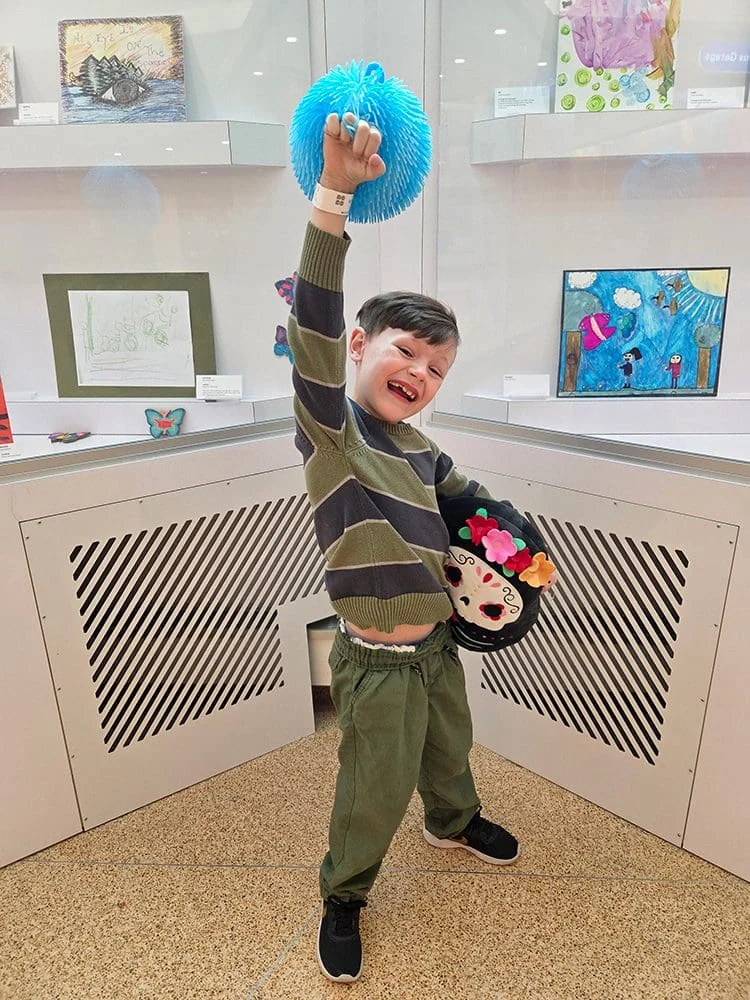
In recognition of Cancer Survivors Month this June, a national campaign has been launched to secure $37,500 in funding to support the next generation of pediatric oncology researchers. The fundraising initiative, spearheaded by CureSearch for Children’s Cancer, aims to fund a "Young Investigator" for a six-month period, emphasizing the critical need for innovative treatments that prioritize long-term quality of life alongside survival. This movement comes at a pivotal time as the medical community increasingly focuses on reducing the toxic "late effects" of traditional chemotherapy and radiation in pediatric patients. The campaign is anchored by the success story of Elias, a young survivor whose journey through a rare form of leukemia highlights the transformative potential of clinical trials and targeted research.
The Diagnostic Crisis and the Reality of Acute Megakaryoblastic Leukemia
The medical journey for Elias began at the age of three, a period of development typically defined by rapid physical growth and the refinement of motor skills. His mother, Brittany, first observed an unusual physiological symptom: extensive bruising across his body resulting from minor, everyday contact. Pediatric oncologists note that such spontaneous ecchymosis (bruising) is frequently a primary clinical indicator of hematologic malignancies, as the bone marrow becomes crowded with cancerous cells, preventing the production of blood-clotting platelets.
Following an urgent referral from his pediatrician, Elias was admitted to a specialized children’s hospital where diagnostic testing confirmed a rare and aggressive subtype of cancer: Acute Megakaryoblastic Leukemia (AMKL). AMKL is a form of Acute Myeloid Leukemia (AML) that is particularly uncommon in children who do not have Down syndrome, representing approximately 1% of all childhood leukemia cases. Because of its rarity and aggressive nature, AMKL requires intensive therapeutic intervention.
The standard of care for pediatric AML has historically relied on heavy doses of cytotoxic chemotherapy. While these treatments are effective at eradicating malignant cells, they often result in significant damage to healthy organs, particularly the heart. For Elias, the diagnostic phase transitioned rapidly into a clinical decision-making phase, where his family was presented with an opportunity to enroll him in a clinical trial testing a new AML treatment protocol designed to minimize long-term cardiotoxicity.
Clinical Trial Integration and the Therapeutic Process
The decision to enroll Elias in a clinical trial reflects a broader trend in pediatric oncology where research is integrated directly into patient care. Clinical trials for childhood cancer are essential because pediatric cancers are biologically distinct from adult cancers, meaning adult treatments cannot simply be scaled down. The trial offered to Elias focused on a high-efficacy, lower-toxicity regimen, aiming to preserve cardiac function—a major concern for survivors of AML who may face heart failure later in life due to the effects of anthracyclines, a common class of chemotherapy drugs.
The treatment phase necessitated an eight-month continuous hospitalization. This prolonged stay was required because the intensive chemotherapy regimens used to treat AMKL cause profound myelosuppression, a condition where the patient’s bone marrow activity is decreased, leading to a near-total lack of white blood cells. During this period, patients are highly susceptible to life-threatening infections, requiring a sterile hospital environment and constant monitoring.
Elias’s clinical course was complicated by severe mucositis, a common but painful side effect of high-dose chemotherapy where the epithelial cells lining the gastrointestinal tract break down, leading to ulcerations. The severity of the condition often requires the administration of opioid analgesics, such as morphine, to manage pain and allow the patient to rest. The difficulty of this period was compounded by the global COVID-19 pandemic, which resulted in strict hospital protocols that prohibited visitors, leaving Elias and his mother in relative isolation from their extended support network.
The "Mayor of 9B": Psychosocial Resilience in a Hospital Setting
Despite the physical toll of the treatment and the constraints of pandemic-era isolation, Elias’s experience provides a case study in pediatric resilience. Known to staff and patients as the "Mayor of 9B," Elias utilized the hospital corridors as a space for social engagement. His interactions with hospital staff—ranging from maintenance crews to nursing teams—served as a vital form of psychosocial support, which researchers agree is a critical component of successful pediatric outcomes.
Elias’s participation in daily hospital routines, such as assisting maintenance workers or engaging with other pediatric patients in common areas, highlights the importance of maintaining a sense of normalcy and agency for children undergoing long-term treatment. One notable relationship was formed with Charles, the hospital’s maintenance lead. This bond culminated in a symbolic graduation from the oncology ward; upon his discharge, Elias was permitted to ride the hospital’s industrial floor scrubber, or "zamboni," out of the facility—a moment that has become a hallmark of his transition from patient to survivor.
The Path to Survivorship and Long-term Monitoring
As of June 2024, Elias is celebrating his 8th birthday, marking five years since his initial diagnosis. In April 2025, he is projected to officially enter a long-term survivorship program. This milestone is significant in pediatric oncology, as the five-year mark is often used by clinicians to denote a high probability of permanent remission.
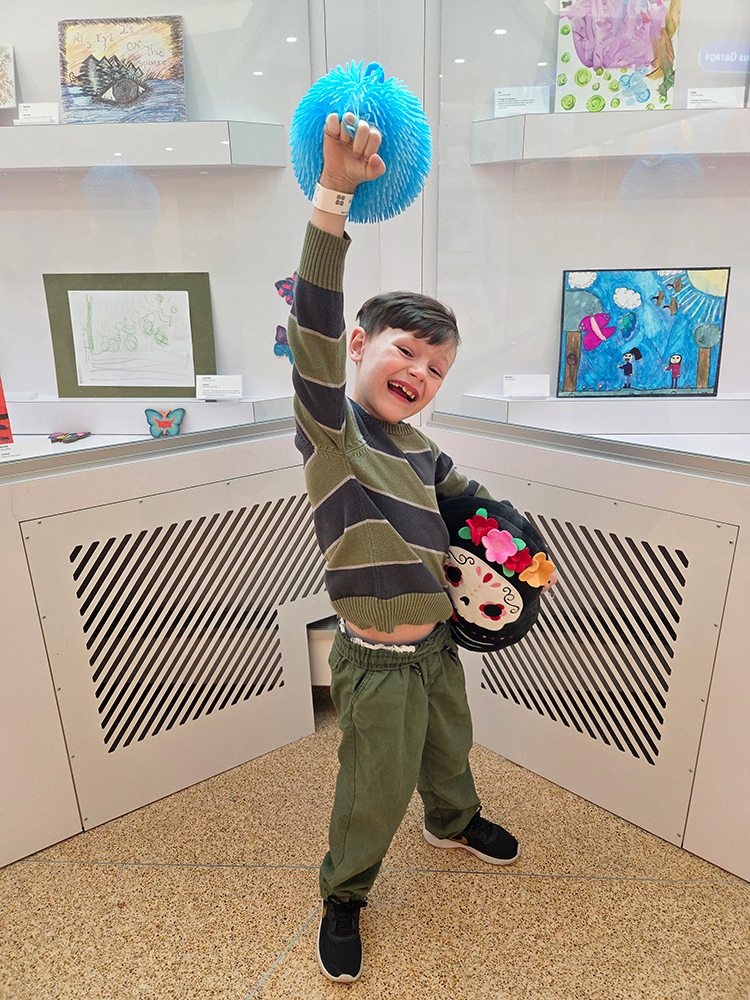
Crucially, the cardiac monitoring performed as part of his post-treatment follow-up has shown that his heart function remains "perfect." This outcome serves as a data point supporting the efficacy of the clinical trial he participated in, suggesting that the experimental protocol successfully balanced the need for aggressive cancer eradication with the preservation of vital organ function. Elias now leads an active life, with aspirations toward careers in engineering or nursing, reflecting the "thrive, not just survive" objective of modern pediatric research.
The Economic and Scientific Imperative for "Young Investigator" Funding
The $37,500 fundraising goal established for Cancer Survivors Month is specifically allocated to the CureSearch Young Investigator program. This program addresses a critical gap in the medical research ecosystem. While large-scale federal funding from the National Institutes of Health (NIH) often supports established researchers and large-scale trials, "seed" funding for early-career scientists is increasingly difficult to obtain.
Young Investigators are typically post-doctoral fellows or early-career faculty who bring fresh perspectives and innovative methodologies to the field. Funding these individuals is considered a high-leverage investment for several reasons:
- Innovation in Rare Cancers: Because pediatric cancers like AMKL are rare, they often do not attract the same level of pharmaceutical investment as adult cancers. Independent researchers are the primary drivers of discovery in these "orphan" diseases.
- Precision Medicine: Current research is shifting toward genomic sequencing and targeted therapies. Young Investigators are often at the forefront of these technologies, working to identify the specific genetic mutations that drive childhood leukemias.
- Sustainability of the Workforce: Without dedicated funding, many promising researchers may leave the field of pediatric oncology for more lucrative or better-funded areas of adult medicine, leading to a "brain drain" in a specialty that requires highly specific expertise.
According to data from the National Cancer Institute, only about 4% of federal cancer research funding is dedicated specifically to childhood cancers. This disparity places the burden of funding innovation on non-profit organizations and private donors. The CureSearch goal of $37,500 represents the cost of sustaining one researcher’s efforts for six months—a timeframe that can allow for the gathering of preliminary data necessary to apply for larger federal grants.
Broader Implications for the Pediatric Oncology Landscape
The story of Elias and the accompanying fundraising campaign underscore a broader shift in the philosophy of cancer care. Historically, the primary metric of success in oncology was the five-year survival rate. While this remains paramount, the medical community is now placing equal weight on the "late effects" of treatment.
Statistical data indicates that more than 60% of childhood cancer survivors will experience at least one chronic health condition as a result of their treatment, and approximately 25% will face a severe or life-threatening complication in adulthood. These can include secondary malignancies, cardiovascular disease, endocrine disorders, and neurocognitive deficits.
By funding research that explores less toxic treatment modalities, organizations like CureSearch aim to change the trajectory for the next generation of survivors. The transition of Elias into a survivorship program with no cardiac impairment is the ideal outcome that researchers hope to standardize for all pediatric patients.
Conclusion: The Role of Community Support in Medical Advancement
As Cancer Survivors Month continues, the focus remains on the intersection of patient resilience and scientific progress. The $37,500 goal is a call to action that links individual stories of survival to the systemic need for better medical data and more refined therapeutic tools.
The success of Elias’s treatment was not a matter of chance, but the result of decades of prior research and the specific availability of a clinical trial. The current campaign seeks to ensure that such opportunities are not limited to a subset of patients but are available to every child diagnosed with cancer. Through the support of Young Investigators, the oncology community moves closer to a future where the aggressive "slash, burn, and poison" methods of the past are replaced by precision tools that allow children to grow into healthy, productive adults. Elias’s journey from the "Mayor of 9B" to a healthy eight-year-old serves as a living testament to the necessity of this ongoing scientific mission.
