
 By admin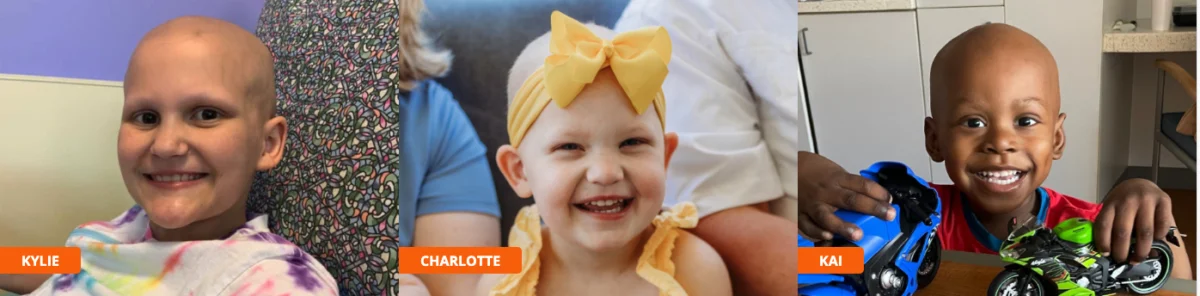
The Great Cycle Challenge has officially entered its 12th year of operation, marking a significant milestone in the philanthropic landscape of pediatric oncology. As the 2026 campaign commences, the initiative continues its primary mission of supporting the Children’s Cancer Research Fund (CCRF), a national nonprofit organization dedicated to ending childhood cancer by funding the most promising research and clinical trials. Since its inception, the Great Cycle Challenge (GCC) has evolved from a niche fundraising event into a massive national movement, with participants across the United States logging more than 38 million miles and raising over $87 million. These funds are critical in an era where federal funding for pediatric-specific cancer research often lags behind adult oncology, leaving a significant gap that private philanthropy must fill to ensure the development of safer, more effective treatments for the youngest patients.
The 2026 Ambassadors: Personalizing the Clinical Struggle
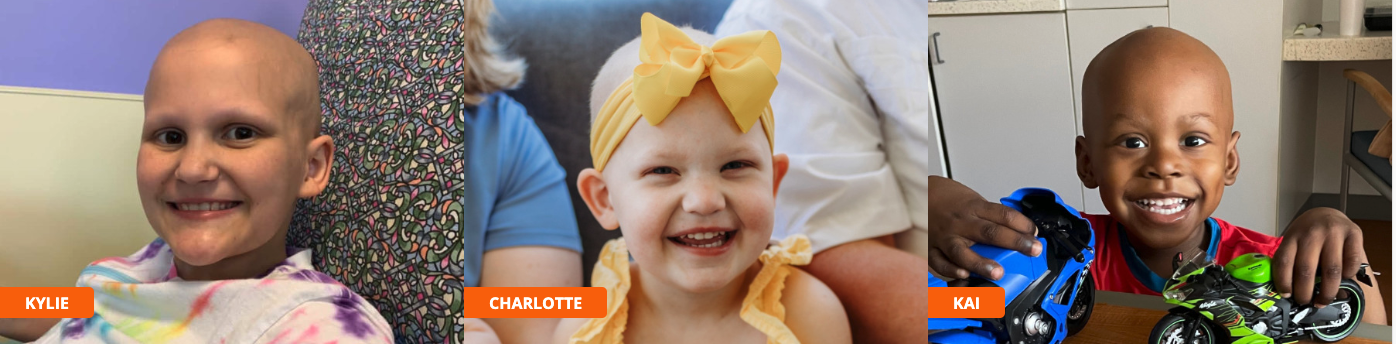
The 2026 campaign is anchored by the stories of five young ambassadors—Charlotte, Kai, Kylie, Jasper, and Emma—whose lives represent the diverse and often harrowing spectrum of pediatric cancer diagnoses. These children serve as the public face of the movement, reminding the thousands of participating cyclists that the research funded by their miles has tangible, life-saving implications. For these families, cancer research is not an abstract scientific endeavor conducted in sterile laboratories; it is the foundation of their daily lives, dictating their schedules, their hopes, and their survival.
Charlotte: Navigating the Maintenance Phase of Leukemia
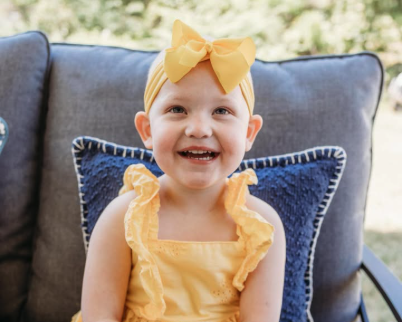
At four years old, Charlotte is currently battling B-cell acute lymphoblastic leukemia (ALL). ALL is the most common form of childhood cancer, affecting the white blood cells and the bone marrow. While survival rates for ALL have improved significantly over the last several decades, the treatment protocol remains grueling. Charlotte has transitioned into the "maintenance" phase of her treatment after enduring months of intensive chemotherapy. This phase is designed to prevent relapse but still requires consistent medical intervention and monitoring. Despite the physical toll of her regimen, Charlotte’s family emphasizes the importance of maintaining a semblance of normalcy, including riding her pony and biking. Her mother, Emily, notes that every dollar raised is an investment not only in Charlotte’s immediate future but in the systemic improvement of treatment protocols for all children diagnosed with ALL.
Kai: Confronting the Aggression of Neuroblastoma
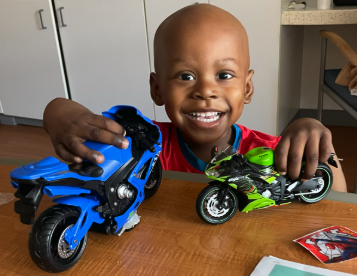
Three-year-old Kai is undergoing treatment for neuroblastoma, a cancer that develops from immature nerve cells and is most commonly found in the adrenal glands. Neuroblastoma is known for its aggressive nature and often requires a multi-pronged treatment approach, including high-dose chemotherapy and complex surgeries. Kai’s journey highlights the necessity of research into localized and systemic therapies that can target tumors while minimizing long-term damage to a child’s developing body. His family’s advocacy centers on the belief that children should be preoccupied with play rather than the complexities of hospital care, a goal that can only be achieved through the discovery of less toxic therapeutic options.
Kylie: The Urgent Challenge of Relapse
Kylie, age 10, represents one of the most difficult aspects of pediatric oncology: the reality of relapse. Having been originally diagnosed in 2022, Kylie faced a recurrence of her cancer in early 2025. She is now battling the disease for the third time. Relapsed cancer often requires different, sometimes experimental, protocols, as the disease may have developed resistance to previous treatments. Kylie’s situation underscores the critical need for "salvage" therapies and the development of new protocols that focus on long-term remission. Her parents have become vocal proponents of funding for research that specifically addresses why certain cancers return and how to prevent the initial treatment from failing.
Jasper: The Path Toward Recovery
Five-year-old Jasper provides a glimpse of the progress that modern research has enabled. Also diagnosed with acute lymphoblastic leukemia, Jasper is currently in the maintenance stage and is scheduled to "ring the bell"—a ceremonial tradition marking the end of active treatment—in September 2026. As his treatment intensity has decreased, Jasper has been able to reintegrate into school and sports. His progress serves as a benchmark for the success of current ALL protocols, while also highlighting the need for research that helps children recover their physical strength and cognitive development following the trauma of chemotherapy.
Emma: Targeting Rare and Aggressive Phenotypes
Three-year-old Emma is fighting acute myeloid leukemia (AML) with a RAM phenotype. AML is generally more difficult to treat than ALL in children, and the RAM phenotype is a particularly rare and aggressive subtype associated with poor outcomes and resistance to standard therapy. Emma’s treatment has included both chemotherapy and a bone marrow transplant, a high-stakes procedure that replaces damaged bone marrow with healthy stem cells. Her survival and current status in maintenance therapy are directly attributable to innovative therapies and clinical trials made possible through philanthropic funding. Emma’s case illustrates the "precision medicine" frontier of pediatric oncology, where research is focused on targeting specific genetic mutations and phenotypes.
Historical Context and the Evolution of the Great Cycle Challenge
The Great Cycle Challenge was established as a response to the chronic underfunding of pediatric cancer research. Historically, only about 4% of the federal funding for cancer research in the United States is directed specifically toward childhood cancers. This disparity exists because pediatric cancers are biologically distinct from adult cancers, meaning that treatments developed for adults cannot simply be "scaled down" for children. They require unique study, unique drugs, and unique clinical trials.
Over the past 12 years, the GCC has grown into one of the largest cycling-based fundraisers in the world. The event is designed to be inclusive, allowing riders of all ages and skill levels to set their own mileage goals and raise funds through their personal networks. The decentralized nature of the event—where participants ride in their own neighborhoods and log miles via a dedicated app—has allowed it to scale nationally, reaching every state in the U.S. and inspiring a community of "pedal-powered" advocates.
The Landscape of Pediatric Oncology and Research Priorities
The funds raised by the Great Cycle Challenge are channeled into several key areas of research through the Children’s Cancer Research Fund. These priorities reflect the current gaps in medical knowledge and the most promising avenues for improving patient outcomes.
1. Developing Targeted and Immunotherapies
Standard chemotherapy and radiation are "blunt instruments" that can cause significant damage to healthy cells along with cancerous ones. Research is increasingly focused on immunotherapies, which harness the body’s own immune system to recognize and destroy cancer cells. This is particularly relevant for cases like Emma’s, where rare phenotypes require more sophisticated targeting than traditional chemo can provide.
2. Mitigating Long-term Side Effects
Because children are still developing, the "cure" for cancer often comes with a high price. Survivors frequently face lifelong health challenges, including heart disease, secondary cancers, and cognitive impairments. CCRF funds research into "survivorship," looking for ways to make treatments less toxic so that children can lead healthy, productive lives long after they are declared cancer-free.
3. Understanding Genetic Predisposition and Relapse
For patients like Kylie, understanding the genetic drivers of relapse is paramount. Researchers are utilizing genomic sequencing to identify why some cancer cells survive initial treatment and how to intercept them before they cause a recurrence. This involves high-level data analysis and national collaboration between research institutions.
Institutional Impact and Official Responses
The Children’s Cancer Research Fund has long emphasized that the Great Cycle Challenge is more than just a fundraiser; it is a mechanism for public engagement. By involving the community in the physical act of cycling, the organization raises awareness of the realities of childhood cancer in a way that traditional donation drives may not.
Medical professionals and researchers supported by these funds have noted that private philanthropy often provides the "seed money" for high-risk, high-reward research. Federal grants from the National Institutes of Health (NIH) or the National Cancer Institute (NCI) often require preliminary data that can be expensive to produce. The $87 million raised by GCC riders has provided the initial funding for dozens of studies that later went on to receive federal backing, effectively multiplying the impact of every dollar donated.
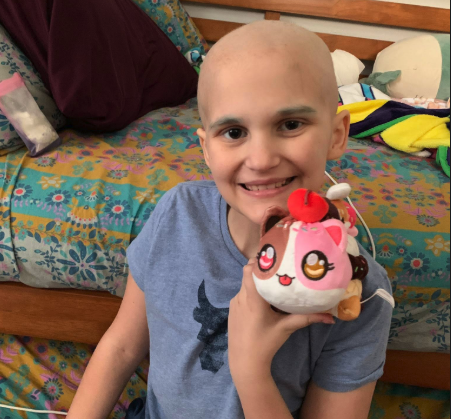
"The courage shown by our ambassadors is the engine that drives this challenge," a representative for the CCRF stated in a recent briefing. "When riders see the faces of Charlotte or Kai, they understand that their effort on the bike translates directly into more time for these children to be kids. We are not just funding labs; we are funding birthdays, first days of school, and bike rides in the park."
Broader Implications and the Future of the Initiative
As the 2026 Great Cycle Challenge moves forward, the implications for the future of pediatric oncology are significant. The continued success of this model suggests a shift in how medical research is funded, with a growing reliance on peer-to-peer fundraising and community-driven initiatives. This democratization of philanthropy allows individuals to feel a direct connection to scientific progress.
Furthermore, the data collected from 12 years of the GCC provides a roadmap for future advocacy. The consistent growth in participation highlights a strong public appetite for supporting pediatric causes, which can be leveraged to lobby for better state and federal policies regarding childhood cancer.
The ultimate goal of the Great Cycle Challenge remains clear: a world where childhood cancer is no longer a life-threatening diagnosis. Until that day, the miles logged by riders across the country serve as a bridge between the current limitations of medicine and the breakthroughs of tomorrow. For Charlotte, Kai, Kylie, Jasper, and Emma, these miles represent the hope of a future defined not by their diagnosis, but by the ordinary, beautiful moments of a healthy childhood. Participation in the 2026 challenge remains open to the public, with organizers encouraging new and returning riders to join the effort to exceed the $100 million cumulative fundraising mark in the near future.
