
 By Budi Oetomo Narendra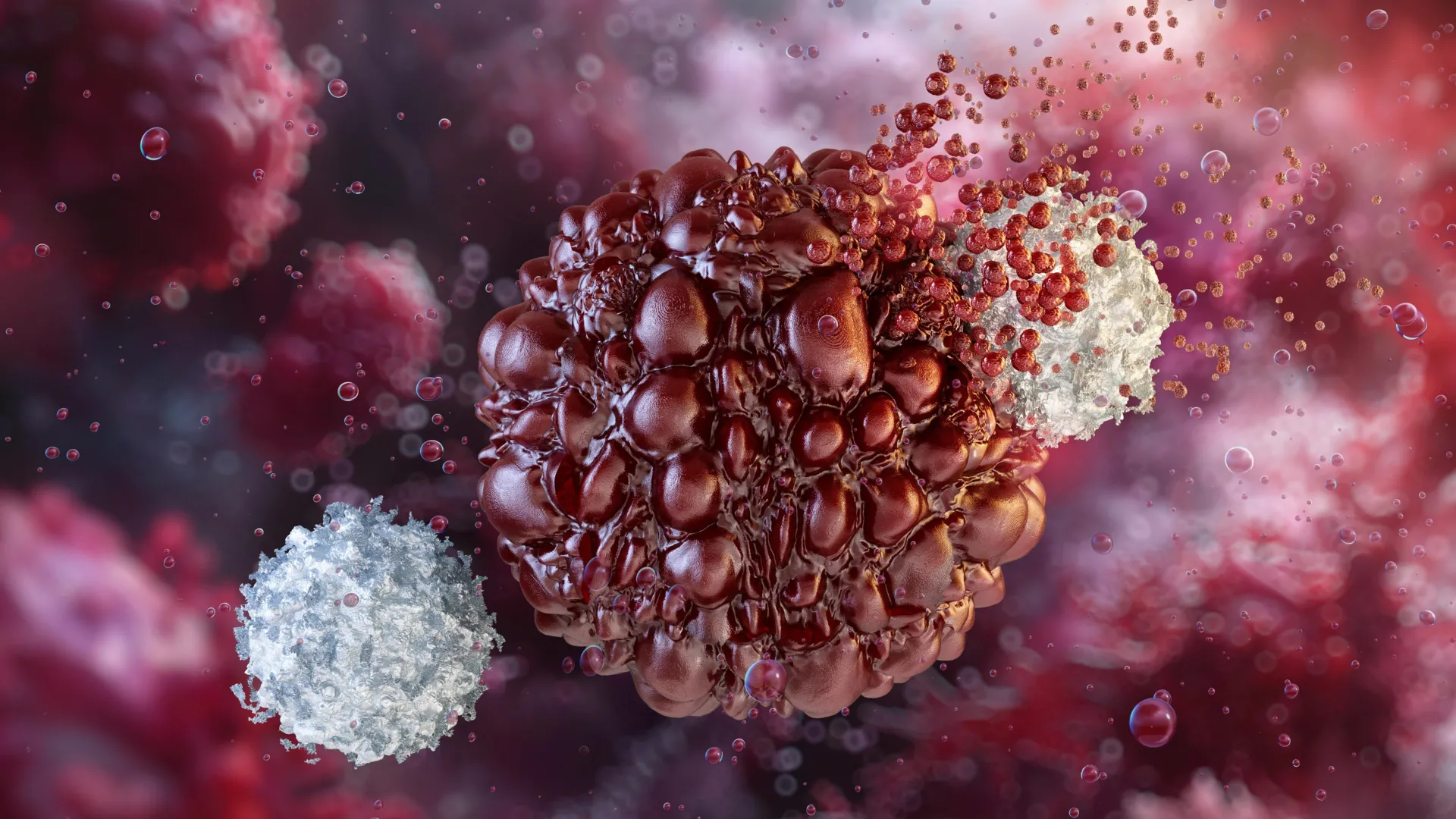
Scientists at Nagoya University in Japan have unveiled a groundbreaking discovery concerning an ancient immune molecule, complement C3, demonstrating its significant potential to revolutionize cancer immunotherapy. The research, published in the esteemed journal Nature Communications, highlights that C3, when produced locally within the tumor microenvironment, acts as a critical regulator, preventing the accumulation of immune-suppressing cells and thereby improving the effectiveness of cancer treatments. Crucially, the study differentiates this localized effect from the systemic C3 circulating in the bloodstream, which showed no discernible impact on treatment outcomes. This distinction points towards a novel therapeutic strategy: enhancing endogenous C3 production or mimicking its action directly at the tumor site could benefit a substantial cohort of patients whose tumors naturally exhibit insufficient C3 levels, potentially overcoming resistance to current immunotherapies.
The Evolving Landscape of Cancer Immunotherapy
Cancer immunotherapy represents one of the most significant advancements in oncology over the past decade, harnessing the body’s own immune system to identify and destroy cancer cells. Unlike traditional treatments such as chemotherapy or radiation, which directly target cancer cells, immunotherapy empowers T-cells and other immune components to recognize malignant threats. Drugs like checkpoint inhibitors, notably anti-PD-1 antibodies, have transformed the prognosis for many patients with previously untreatable cancers, including melanoma, lung cancer, and kidney cancer. These drugs work by blocking proteins that prevent immune cells from attacking cancer, effectively "releasing the brakes" on the immune response.
However, despite their remarkable successes, immunotherapies are not universally effective. A significant percentage of patients either do not respond to initial treatment (primary resistance) or develop resistance over time (acquired resistance). This resistance often stems from the complex interplay within the tumor microenvironment (TME), a highly dynamic ecosystem comprising cancer cells, stromal cells (like fibroblasts), immune cells, blood vessels, and extracellular matrix. Within this TME, various mechanisms can actively suppress immune responses, rendering checkpoint inhibitors ineffective. Understanding and manipulating these immunosuppressive pathways is a central challenge in current cancer research, and the Nagoya University findings offer a promising new avenue.
Complement C3: An Ancient Guardian with Modern Relevance
The complement system is a vital part of the innate immune system, representing a cascade of proteins that work together to defend the body against pathogens. Evolutionarily, it is one of the oldest immune mechanisms, with components like C3 found in simple invertebrates such as sponges and jellyfish, predating the development of adaptive immunity and even a circulatory system. This ancient lineage underscores its fundamental role in host defense. In vertebrates, C3 is predominantly synthesized in the liver and released into the bloodstream, where it plays multiple roles, including opsonization (tagging pathogens for destruction), inflammation, and direct lysis of microbial cells.
While the systemic functions of C3 are well-documented, its role when produced directly within specific tissues and organs, outside the general circulation, has been far less understood. This gap in knowledge became a focal point for the Nagoya University research team, particularly concerning its potential involvement in the complex dynamics of cancer. "Cancer tumors are surrounded by normal cells called fibroblasts. Until now, the role of complement C3 produced by these cancer-associated fibroblasts within tumor tissue was not known," stated lead author Yuki Miyai, an assistant professor at the Graduate School of Medicine, Nagoya University. This statement underscores the novelty and significance of their investigation into C3’s localized functions within the tumor microenvironment.
A Paradigm Shift: The Critical Distinction Between Local and Systemic C3
The core revelation of the Nagoya study lies in its definitive distinction between the effects of C3 produced locally within the tumor and C3 circulating systemically. The researchers meticulously demonstrated that only C3 generated by cancer-associated fibroblasts within the tumor tissue could influence the efficacy of immunotherapy. This localized C3 was found to actively prevent the infiltration and accumulation of immunosuppressive myeloid cells into the tumor microenvironment. These myeloid cells, often referred to as myeloid-derived suppressor cells (MDSCs) or tumor-associated macrophages (TAMs), are notorious for their ability to dampen anti-tumor immune responses, creating an environment hostile to effective immune cell activity. By excluding these detrimental cells, locally produced C3 effectively "clears the path" for immune cells, such as T-lymphocytes, to recognize and attack tumor cells more effectively.
To validate this critical distinction, the research team conducted a series of sophisticated experiments in mouse models. They engineered mice to allow for differential control over C3 production. In one experimental arm, the amount of liver-produced, systemic C3 was drastically reduced by 90%. Remarkably, an anti-PD-1 antibody, a standard immunotherapy drug, maintained its efficacy in these mice, performing just as well as in mice with normal systemic C3 levels. This observation provided the first strong indication that circulating C3 was not the primary driver of immunotherapy success.
The outcome dramatically shifted when the researchers specifically inhibited C3 production by fibroblasts within the tumor itself. Under these precise conditions, the same anti-PD-1 treatment became significantly less effective, even though the overall circulating C3 levels experienced only a minor reduction (a mere 9% decrease). This compelling evidence strongly supported the hypothesis that the local production of C3 within the tumor microenvironment, rather than its systemic counterpart, dictates the responsiveness to immunotherapy. "What determined the efficacy of the immunotherapy treatment was not the C3 in the blood, but the local C3 produced at the tumor site," Miyai explained. "When this C3 breaks down, it forms a fragment called iC3b that stops harmful myeloid cells from entering the tumor. As a result, immunotherapy is more likely to work." This detailed mechanistic insight into the iC3b fragment further solidifies the understanding of how localized C3 exerts its protective effects.
Overcoming Resistance: A New Therapeutic Avenue
The implications of this finding are profound, particularly for patients whose cancers are resistant to current immunotherapies. Given that the absence of local C3 led to reduced treatment efficacy, the researchers hypothesized that restoring or mimicking C3’s action could convert non-responsive tumors into responsive ones. They put this hypothesis to the test by developing and evaluating a drug designed to imitate the mechanism by which C3 blocks myeloid cell infiltration into tumors.
The results were highly encouraging. This novel approach successfully rendered immunotherapy effective against tumors that had previously exhibited resistance to treatment. Furthermore, the combination of this C3-mimicking drug with immunotherapy significantly extended the survival of mice in the experimental models. This breakthrough suggests a tangible strategy for overcoming primary or acquired resistance to checkpoint inhibitors, a major clinical challenge. The development of such C3-targeting agents could unlock immunotherapy’s potential for a broader patient population.
Clinical Relevance: Human Lung Cancer Samples Support the Findings
Translating findings from preclinical mouse models to human patients is a critical step in medical research. To assess the clinical relevance of their discoveries, the Nagoya University team analyzed tumor samples from patients diagnosed with lung cancer, a disease where immunotherapy has made significant inroads but also faces substantial resistance rates. The analysis revealed a compelling correlation: patients with higher levels of C3 within the tissue surrounding their cancer cells (i.e., in the tumor microenvironment) experienced better treatment results and, crucially, exhibited longer overall survival.
Specifically, approximately half of the lung cancer patients with high local C3 levels responded positively to immunotherapy. In stark contrast, none of the patients with lower levels of local C3 showed a response to treatment. This striking difference underscores the potential of local C3 levels as a predictive biomarker for immunotherapy success. Consistent with the mouse studies, C3 levels in the bloodstream of these human patients showed no link to treatment success, further cementing the distinction between local and systemic C3 in a clinical context. This direct human data provides robust support for the translational potential of the research, suggesting that assessing local C3 levels could become a vital tool for patient stratification.
Broader Implications and Future Directions in Cancer Treatment Research
The discovery of localized C3’s role in cancer immunotherapy opens several exciting avenues for future research and clinical development.
- Patient Stratification and Biomarker Development: The most immediate application could be in identifying which patients are most likely to benefit from existing immunotherapies. By measuring local C3 levels in tumor biopsies, clinicians might be able to predict response rates, helping to tailor treatment strategies and avoid unnecessary or ineffective therapies for patients unlikely to respond. This would optimize resource allocation and improve patient outcomes.
- Novel Therapeutic Strategies: The success of the C3-mimicking drug in mouse models paves the way for the development of new drug candidates. Future research will focus on developing safe and effective ways to either enhance endogenous C3 production directly within tumors or administer C3-activating or mimicking agents specifically to the tumor microenvironment. This could involve gene therapy approaches, local drug delivery systems, or novel small molecules.
- Combination Therapies: The C3-targeting approach could be combined with existing immunotherapies, such as anti-PD-1 antibodies, to achieve synergistic effects. By simultaneously boosting anti-tumor immunity and suppressing immunosuppressive mechanisms, such combination therapies could offer superior efficacy compared to monotherapies.
- Understanding Other Biological Processes: Beyond cancer, the insights into the local activity of C3 could significantly improve understanding of other biological processes where the complement system is implicated, such as wound healing, chronic inflammation, and autoimmune diseases. The nuanced distinction between local and systemic complement action may prove to be a fundamental principle across various physiological and pathological contexts.
The research team at Nagoya University is now planning the next critical steps. These include testing various methods to increase C3 levels inside tumors and determining the most effective timing for such interventions relative to other treatments. This will be crucial for optimizing any future clinical applications.
Expert Perspectives and Translational Hurdles
While the findings are highly promising, the journey from preclinical discovery to widespread clinical application is often long and arduous. Experts in immunology and oncology would likely view this research as a significant conceptual leap, challenging the traditional view of complement system function primarily in the bloodstream. The focus on the tumor microenvironment and the specific role of cancer-associated fibroblasts further enriches our understanding of tumor biology.
Translational hurdles will include:
- Drug Development: Designing C3-mimicking drugs or C3-enhancing therapies that are highly specific to the tumor, minimize off-target effects, and can be safely delivered.
- Biomarker Validation: Developing robust and standardized assays to measure local C3 levels in human tumor biopsies, ensuring reproducibility and clinical utility.
- Clinical Trials: Conducting rigorous phase I, II, and III clinical trials to assess the safety, efficacy, and optimal dosing of any new therapeutic agents or patient stratification strategies.
- Understanding Interpatient Variability: While promising, the findings will need to account for the vast genetic and biological heterogeneity among cancer patients.
In conclusion, the work from Nagoya University offers a fresh perspective on an ancient immune molecule, repositioning complement C3 as a crucial, localized player in the fight against cancer. By elucidating its distinct role within the tumor microenvironment, the scientists have not only deepened our understanding of immunotherapy resistance but have also laid a robust foundation for the development of innovative diagnostic tools and therapeutic strategies to make cancer immunotherapy more effective for a broader spectrum of patients. This discovery marks a pivotal moment in the ongoing quest to harness the full potential of the immune system in overcoming one of humanity’s most formidable diseases.
