
 By admin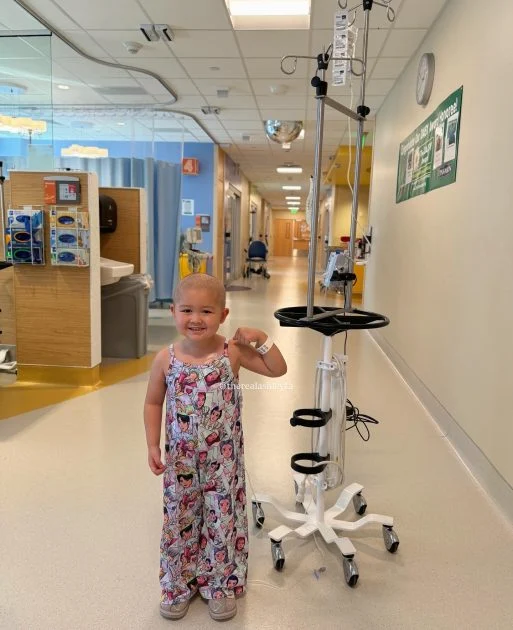
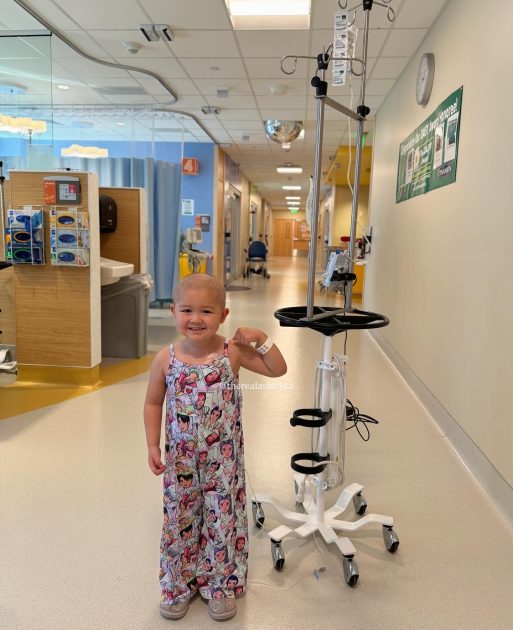
Rylee, a four-year-old patient diagnosed with Acute Lymphoblastic Leukemia (ALL), has been officially named a 2026 Ambassador for the American Childhood Cancer Organization (ACCO), highlighting both the personal challenges of pediatric oncology and the critical role of parental advocacy in the medical system. The appointment comes as Rylee continues a rigorous treatment protocol that began in the summer of 2024, a journey marked by initial diagnostic hurdles, the complexities of military family life during a medical crisis, and the ongoing integration of advanced immunotherapy. As an ACCO Ambassador, Rylee will represent the thousands of children diagnosed with cancer annually, providing a face to the statistics and emphasizing the importance of early detection and comprehensive support systems for families navigating the "new normal" of a life-threatening diagnosis.
The Path to Diagnosis: A Case Study in Maternal Advocacy
The medical history of Rylee’s diagnosis serves as a poignant example of the difficulties families often face during the prodromal phase of childhood cancer. For several days leading up to the formal diagnosis, Rylee’s mother, Ashley, observed a deteriorating clinical picture that was initially dismissed by various medical providers. The symptoms—which included persistent fevers, chills, body aches, a swollen eye, enlarged lymph nodes, bruising, and joint pain—were variously attributed to minor infections or common allergies.
Despite being told that her daughter was "fine," Ashley maintained a persistent presence at multiple urgent care facilities and emergency rooms. This period of diagnostic uncertainty is common in pediatric oncology, where early symptoms of leukemia can frequently mimic more benign childhood illnesses. On August 6, 2024, after multiple visits yielded no definitive answers, Ashley demanded a comprehensive blood panel. At 5:00 PM that evening, the results confirmed the presence of leukemia, a revelation that immediately transitioned the family from the realm of primary care into the intensive world of pediatric hematology-oncology.
The timing of the diagnosis added a layer of logistical and emotional complexity to the situation. Rylee’s father, Jacob, was deployed overseas at the time the news was delivered. This left Ashley to manage the immediate aftermath of the diagnosis and the emergency medical transport of her daughter to a specialized pediatric facility in Denver, Colorado, in isolation. The experience of military families facing catastrophic illness during deployment is a subject of increasing study within the Department of Defense, highlighting the need for robust support networks for those serving the country while their families face domestic crises.
Clinical Progression and the Reality of ALL Treatment
Acute Lymphoblastic Leukemia is a type of cancer of the blood and bone marrow that affects white blood cells. It is the most common cancer diagnosed in children, and while survival rates have improved significantly over the last several decades, the treatment regimen remains one of the most grueling in modern medicine. Upon her arrival in Denver, Rylee was immediately entered into an aggressive induction phase of treatment.
Within the first week of her hospitalization, Rylee underwent several invasive procedures necessary to stabilize her condition and begin the eradication of malignant cells. These included:
- Port-a-Cath Placement: The surgical insertion of a device under the skin to allow for frequent blood draws and the administration of chemotherapy without the need for repeated needle sticks.
- Bone Marrow Biopsy: A procedure to determine the concentration of leukemic cells within the marrow.
- Lumbar Puncture with Intrathecal Chemotherapy: A process where chemotherapy is injected directly into the spinal fluid to prevent the cancer from spreading to the central nervous system.
- Transfusion Therapy: Rylee required three blood transfusions and two platelet transfusions to address the anemia and thrombocytopenia caused by both the disease and the initial heavy doses of chemotherapy.
By early September 2024, Rylee was declared to be in clinical remission, a major milestone indicating that the initial induction therapy had successfully reduced the number of cancer cells to undetectable levels. However, in the treatment of ALL, remission is not the end of the journey but rather the conclusion of the first phase. The standard of care for ALL requires a long-term "maintenance" phase to ensure that any residual, dormant cells do not cause a relapse. Rylee’s current medical roadmap extends through October 2027, representing a three-year commitment to continuous medical intervention.
Innovation in Treatment: The Use of Blinatumomab
As part of her evolving treatment plan, Rylee began receiving Blinatumomab (commonly referred to as "Blina") in October 2024. Blinatumomab represents a significant advancement in immunotherapy. It is a bispecific T-cell engager (BiTE) antibody that works by directing the body’s own immune system, specifically T-cells, to target and destroy leukemia cells that express the CD19 protein.
Unlike traditional chemotherapy, which is often administered in high-dose cycles in a hospital setting, Blinatumomab is typically delivered via a continuous intravenous infusion over a 28-day cycle. To maintain her quality of life and allow for mobility, Rylee carries her medication and the infusion pump in a small backpack—which her family has affectionately termed her "superhero" backpack. This allows a four-year-old child to continue engaging in developmentally appropriate activities, such as playing with siblings and riding a bike, while receiving life-saving medication around the clock.
The Psychological Impact of Pediatric Illness and Medical Play
Beyond the physiological toll, a cancer diagnosis at age four carries significant psychological and developmental implications. Children at this age are beginning to develop a sense of autonomy and an understanding of their bodies. The ACCO addresses these needs through its "Medical Play Kit" program, a resource that Rylee has utilized to process her experiences.
Medical play is a recognized therapeutic intervention that allows children to take on the role of the healthcare provider, using toy versions of medical equipment to "treat" dolls or stuffed animals. This helps desensitize the child to the medical environment, reduces anxiety regarding upcoming procedures, and provides a sense of control in a situation where they have very little. Rylee’s engagement with these kits—expressed through her excitement to play "Dr. Ta"—demonstrates the effectiveness of these tools in helping young patients conceptualize their treatment and maintain a positive outlook.
Supporting Data and Broader Implications
The story of Rylee and her family is a microcosm of a larger public health reality. According to data from the National Cancer Institute (NCI), approximately 15,000 children and adolescents in the United States are diagnosed with cancer each year. While the 5-year survival rate for childhood ALL now exceeds 90%, the long-term effects of treatment—including potential impacts on heart health, fertility, and cognitive development—remain a focus of ongoing research.
The economic burden on families is also substantial. Studies have shown that families of children with cancer often face significant out-of-pocket costs, loss of income due to caregiving responsibilities, and the psychological strain of navigating a complex healthcare system. For military families, these stressors are compounded by the potential for relocation and the absence of a primary support figure during deployment.
The American Childhood Cancer Organization, founded in 1970, remains one of the oldest and largest grassroots organizations dedicated to childhood cancer in the U.S. By appointing Ambassadors like Rylee, the ACCO aims to influence policy and increase federal funding for pediatric cancer research, which currently receives a disproportionately small percentage of the National Institutes of Health (NIH) budget compared to adult cancers.
Analysis of Parental Intuition in Clinical Settings
One of the most critical takeaways from Rylee’s journey is the validation of parental intuition in the diagnostic process. Ashley’s advice to "trust your gut" is supported by various studies in clinical communication that suggest parents are often the first to notice subtle changes in a child’s health that may not be immediately apparent during a brief physical examination.
The phenomenon of the "overreacting parent" is a hurdle that many families must overcome. Medical professionals are increasingly being trained to view parents as partners in the diagnostic process. When a parent reports that a child is "not themselves," it provides a qualitative data point that can be just as significant as a fever or a rash. In Rylee’s case, the persistence of her mother was the direct catalyst for the blood test that ultimately saved her life.
Conclusion: The Road to 2027
As Rylee moves forward as the 2026 ACCO Ambassador, her story will continue to evolve alongside her treatment. The path to October 2027 is long, but her current status in remission and her positive response to immunotherapy provide a hopeful outlook. Her journey underscores the necessity of a multifaceted approach to pediatric cancer—one that combines cutting-edge medical technology, robust psychological support for the child, and an unwavering advocacy for the family unit.
The ACCO continues to provide resources such as the Medical Play Kits and educational materials free of charge to families, funded by public donations and advocacy efforts. Rylee’s role as an Ambassador ensures that her experience will serve a greater purpose: raising awareness that while the fight against childhood cancer is arduous, it is a fight that no child or family should have to undertake alone. Through her "superhero" backpack and her "Dr. Ta" persona, Rylee embodies the resilience of the youngest patients and the vital importance of the community that surrounds them.
