
 By admin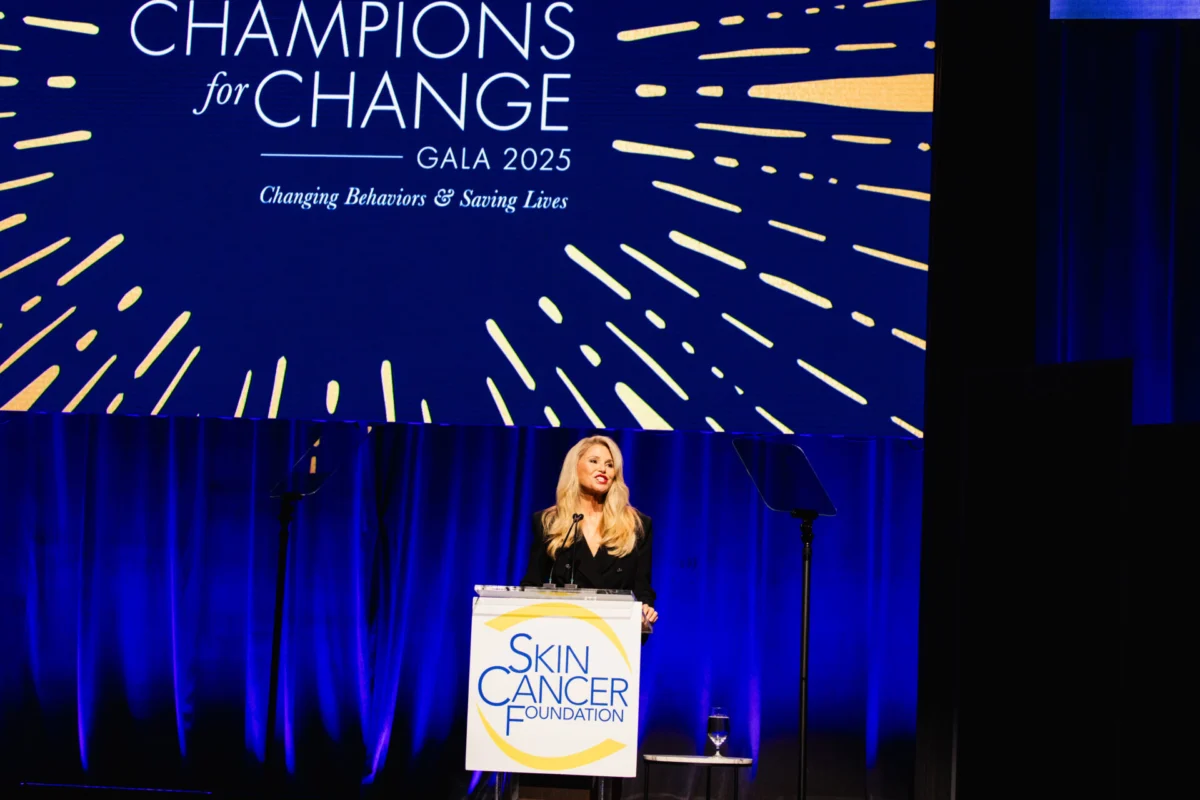
The Skin Cancer Foundation has released its comprehensive 2025 annual report, documenting a year of significant expansion in public health programming, legislative advocacy, and clinical research funding. Following a year characterized by the deployment of new mobile screening technologies and the successful passage of federal sunscreen legislation, the Foundation’s leadership has signaled that 2025 represented a pivotal turning point in the global effort to reduce skin cancer morbidity and mortality. With nearly one in five Americans developing skin cancer by age 70, the Foundation’s multi-pronged approach in 2025 focused on bridging the gap between scientific advancement and public behavior, addressing both the clinical needs of patients and the regulatory environment governing sun protection products.
A New Era of Mobile Diagnostics: The Destination Healthy Skin Initiative
One of the primary pillars of the Foundation’s 2025 strategy was the launch of a state-of-the-art Destination Healthy Skin (DHS) mobile unit. This recreational vehicle, designed as a high-tech clinic on wheels, was commissioned to address the growing "screening deserts" across the United States—regions where access to board-certified dermatologists is limited by geography or socioeconomic factors. Throughout the 2025 calendar year, the DHS program traveled to 39 cities, facilitating a massive logistical undertaking that required the coordination of local health departments and volunteer medical professionals.
The program successfully provided 2,391 free skin cancer screenings, a metric that underscores the high demand for accessible preventative care. These screenings were made possible through the altruism of 71 volunteer dermatologists who dedicated their time to examine patients, many of whom had never previously undergone a professional skin check. Beyond the immediate clinical impact, the mobile unit served as a hub for public education, distributing thousands of educational pamphlets and sun protection samples. By meeting the public in community spaces, the Foundation effectively lowered the barriers to early detection, which remains the single most important factor in surviving melanoma and non-melanoma skin cancers.
Legislative Victory: The SAFE Sunscreen Standards Act
In a move that many industry analysts describe as the most significant regulatory shift in a decade, the Skin Cancer Foundation successfully spearheaded the advocacy campaign for the SAFE Sunscreen Standards Act. For years, the dermatological community has called for more rigorous and transparent standards regarding sunscreen efficacy and ingredient safety. The Foundation’s involvement was instrumental in mobilizing public sentiment; the organization gathered over 3,500 formal signatures on a letter of support that was presented to the Congressional Skin Cancer Caucus.
The advocacy effort reached its zenith on November 13, 2025, when the Act was officially signed into law. This legislation mandates updated testing protocols for broad-spectrum protection and ensures that consumers have access to products that meet the highest safety benchmarks. The passage of the SAFE Sunscreen Standards Act is viewed as a triumph for evidence-based policy, reflecting the Foundation’s ability to translate clinical expertise into federal mandates that protect the general population. Analysts suggest that the new law will likely lead to a transformation in how sunscreens are formulated and marketed in the United States, prioritizing long-term skin health over cosmetic appeal.
Scientific Rigor: Updating the Seal of Recommendation
Parallel to its legislative efforts, the Foundation’s Photobiology Committee—a group of world-renowned experts on the effects of UV radiation on the skin—announced a comprehensive update to the Seal of Recommendation standards in May 2025. This Seal, which currently appears on more than 800 products worldwide, is considered the "gold standard" for consumer confidence in sun protection.
The 2025 updates specifically targeted the criteria for broad-spectrum sunscreen and Ultraviolet Protection Factor (UPF) for fabrics. As textile technology and chemical formulations have evolved, the Foundation recognized a need to raise the "minimum protection" ceiling. These new standards ensure that any product bearing the Seal has undergone rigorous testing to prove it can withstand real-world conditions, such as water exposure and prolonged UV intensity. By maintaining these high hurdles for entry, the Foundation provides a vital service to consumers who are often overwhelmed by the plethora of choices in the retail market.
Addressing Occupational Risks: The Outdoor Worker Crisis
In a targeted public health intervention, the Skin Cancer Foundation issued a formal public warning in 2025 regarding the disproportionate risks faced by outdoor workers. Data compiled by the Foundation and its partners revealed a sobering statistic: nearly one in three deaths from nonmelanoma skin cancer is linked to UV exposure incurred during outdoor employment. This demographic—which includes construction workers, agricultural laborers, and postal carriers—often lacks the systemic support and safety protocols necessary to mitigate daily sun damage.
To combat this, the Foundation released a specialized educational resource tailored to the unique needs of the outdoor labor force. The "Working Outdoors" initiative provides practical, low-cost strategies for prevention, such as the use of high-UPF clothing and the strategic scheduling of tasks to avoid peak UV hours. This effort marks a shift toward addressing skin cancer as an occupational safety issue, urging employers to recognize sun protection as a fundamental component of workplace wellness.

Philanthropy and Community: The Champions for Change Gala
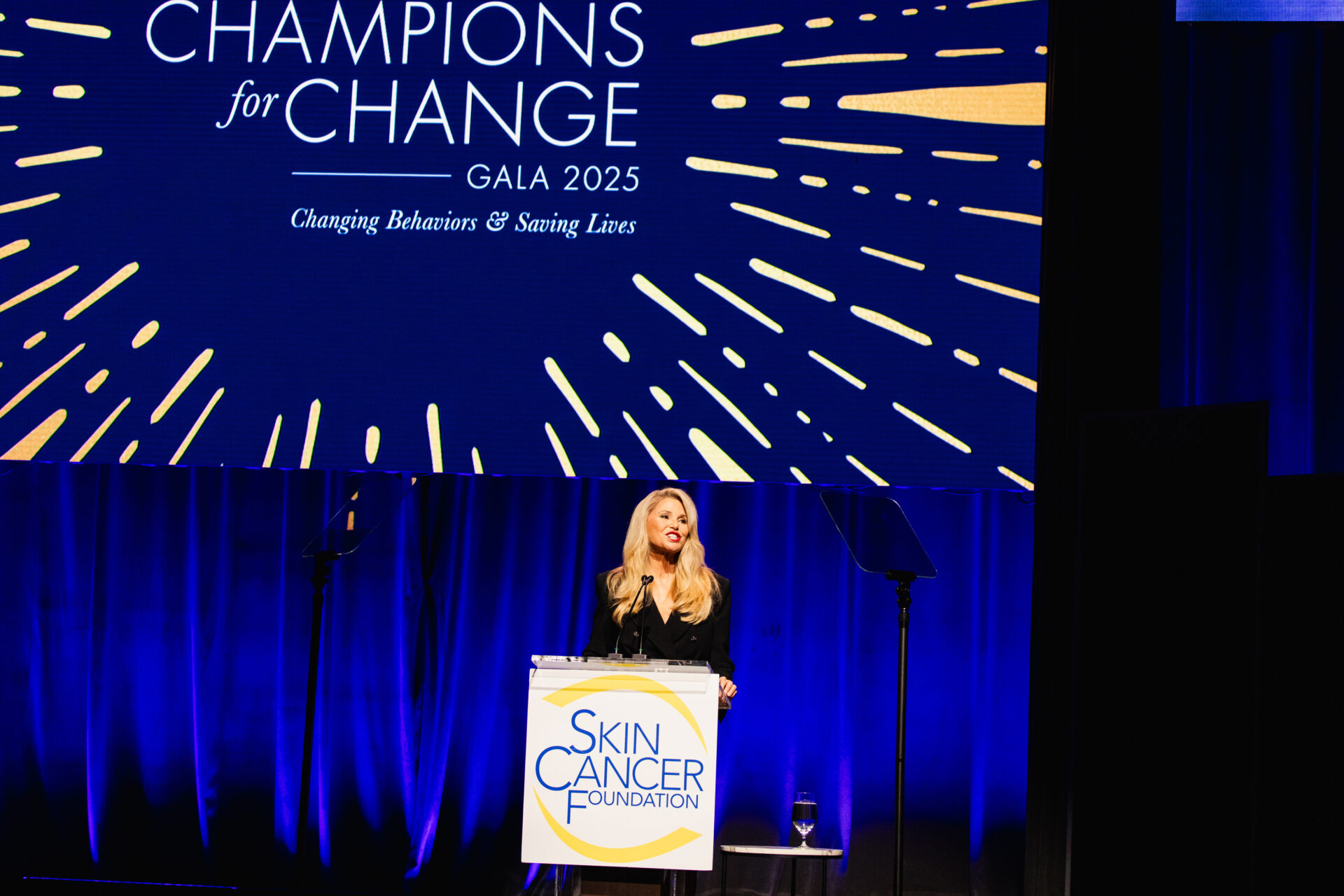
The Foundation’s financial ability to execute these programs was bolstered by the success of the annual Champions for Change Gala, held on May 14, 2025, at the Ziegfeld Ballroom in New York City. Hosted by actress and entrepreneur Christie Brinkley—a prominent skin cancer survivor and advocate—the event raised more than $800,000. These funds are directly allocated to educational campaigns, community outreach, and the Foundation’s prestigious research grant program.
The gala served as more than just a fundraiser; it was a high-profile platform for "skin cancer warriors" to share their stories. By leveraging the influence of figures like Brinkley and the expertise of physician co-chairs such as Dr. Jesse Lewin, Dr. Julie Karen, Dr. Elizabeth Hale, and Dr. Ariel Ostad, the Foundation successfully elevated skin cancer awareness into the national cultural conversation. The event highlighted the personal nature of the disease, reinforcing the message that while skin cancer is the world’s most common cancer, it is also one of the most preventable and treatable if caught early.
Digital Outreach and the Power of Information
The Foundation’s impact in 2025 was also felt across the digital landscape. During Skin Cancer Awareness Month in May, the Foundation’s website recorded nearly 1 million visitors. Notably, 96 percent of these visitors were first-time users, indicating that the Foundation’s messaging is successfully reaching new audiences who may be seeking information for the first time.
The 2025 edition of The Skin Cancer Foundation Journal further extended this reach. Themed "Skin Health: It’s Personal," the publication explored the intersection of dermatology and social media, as well as the specific risks faced by marginalized communities and outdoor workers. By distributing the Journal to dermatology offices nationwide and offering it as a free digital download, the Foundation ensured that science-backed information remained accessible to the public, countering the rise of skincare misinformation often found on social media platforms.
Investing in the Future: 2025-2026 Research Grants
To ensure continued progress in the field, the Foundation awarded $125,000 in research grants to three early-career investigators in 2025. This program is designed to support the next generation of dermatologists and scientists as they explore innovative methods for the prevention, detection, and treatment of skin cancer. Since its inception in 1983, the program has distributed over $3.5 million in funding.
The 2025 recipients represent some of the most prestigious medical institutions in the country:
- Dr. Marcia Robbins-Wilf Research Grant Award ($25,000): Awarded to Dr. Marissa Lobl of the University of Pittsburgh Medical Center (UPMC) for her work on emerging diagnostic techniques.
- The Skin Cancer Foundation Research Grants Award ($50,000): Awarded to Dr. Matthew Vesely of the Yale School of Medicine for research into the immunological aspects of skin cancer.
- The Todd Nagel Memorial Research Grant Award ($50,000): Awarded to Dr. Tomoko Akaike of the University of Washington for studies focused on improving treatment outcomes for advanced cases.
These grants are vital for fostering the specialized research necessary to tackle the complexities of skin cancer, particularly as the aging population and environmental changes contribute to rising incidence rates.
Implications and Outlook for 2026
As the Skin Cancer Foundation moves into 2026, the successes of the previous year provide a robust foundation for future initiatives. The integration of federal law, rigorous product standards, and grassroots mobile screening represents a comprehensive defense against a disease that affects millions. However, the Foundation’s leadership remains cautious, noting that the rise of "sun tanning" trends on digital platforms and the persistent lack of sun safety habits among younger demographics present ongoing challenges.
The implications of 2025’s achievements suggest a future where skin cancer is diagnosed earlier and treated more effectively through a combination of public awareness and legislative protection. By continuing to bridge the gap between the laboratory and the living room, the Skin Cancer Foundation remains the vanguard of the movement to save lives through education and early intervention. The organization’s roadmap for 2026 includes further expansion of the Destination Healthy Skin tour and a renewed focus on pediatric sun protection, ensuring that the progress made in 2025 benefits generations to come.
