
 By admin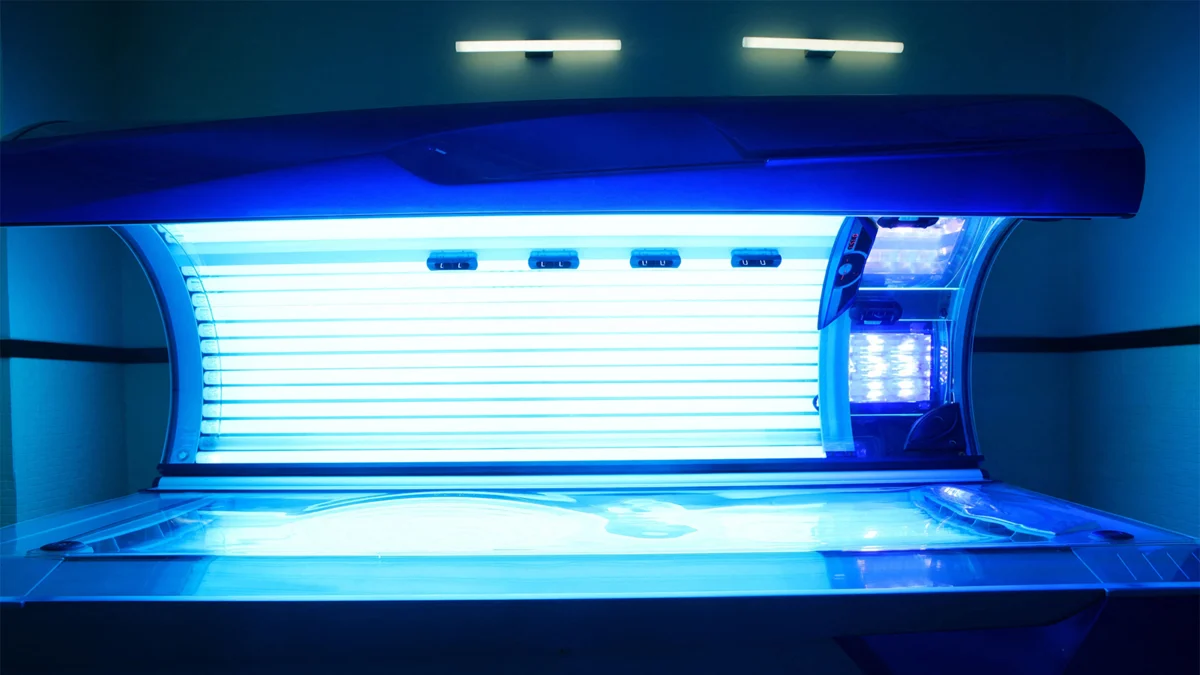
The U.S. Food and Drug Administration (FDA) has officially withdrawn a long-standing proposal that would have prohibited the use of sunlamp products, commonly known as tanning beds, by individuals under the age of 18. The decision, announced in a notice slated for publication in the Federal Register, marks the conclusion of a regulatory journey that began more than a decade ago. Citing an extensive review of over 8,000 public comments and concerns regarding the "unintended consequences" of the mandate, the agency has opted to set aside the restriction for further study. The withdrawal comes at a time of significant debate regarding the balance between federal public health intervention, parental rights, and the economic viability of small businesses within the cosmetic and wellness sectors.
The proposal, originally introduced in December 2015, sought to establish a nationwide age limit for indoor tanning and would have required adult users to sign a risk acknowledgment form before their first tanning session and every six months thereafter. However, the agency’s recent notice indicates that the feedback received from a diverse array of stakeholders—ranging from medical professionals and public health advocates to industry lobbyists and private citizens—necessitated a reconsideration of the rule’s framework. While the FDA maintains its stance that ultraviolet (UV) radiation poses significant health risks, the agency stated that the complexities of enforcement and the potential for unforeseen market shifts required a more nuanced approach than the 2015 proposal provided.
A Decade of Regulatory Evolution
The path toward the now-withdrawn proposal began in earnest in 2014, when the FDA issued a reclassification order for sunlamp products. Previously categorized as Class I (low risk) devices—a category that includes simple items like bandages and handheld mirrors—tanning beds were moved to Class II (moderate to high risk). This reclassification allowed the FDA to impose "special controls," which included mandatory labeling. Specifically, the agency required a prominent warning on all devices stating: "Attention: This sunlamp product should not be used on persons under the age of 18 years."
Despite these labeling requirements, public health advocates pushed for a hard ban, leading to the 2015 proposed rule. At the time, the FDA argued that the labels alone were insufficient to protect a vulnerable population from the cumulative effects of UV radiation. The proposed rule was intended to create a federal floor for age restrictions, as state laws varied significantly. As of 2026, many states have already implemented their own bans on indoor tanning for minors, but the FDA’s proposal would have standardized these protections across all 50 states.
The recent withdrawal notice was signed off by Department of Health and Human Services (HHS) Secretary Robert F. Kennedy Jr., reflecting a shift in administrative priorities toward personal autonomy and the reduction of regulatory burdens on small businesses. The notice emphasized that the withdrawal does not prevent the agency from revisiting the issue in the future but signals a current preference for further scientific and economic analysis.
Analysis of Public Sentiment and Regulatory Concerns
The 8,000 public comments received by the FDA played a pivotal role in the decision-making process. According to the agency, the feedback was split across several key themes. On one side, the medical community provided a mountain of evidence regarding the carcinogenic nature of UV radiation. On the other side, many commenters expressed concerns over the infringement on parental rights, arguing that the decision to allow a teenager to use a tanning bed should rest with the family rather than the federal government.
Small business owners, who operate the vast majority of the nation’s tanning salons, also voiced significant opposition. They argued that the compliance burden—which would have included rigorous age verification processes and the maintenance of signed risk acknowledgment forms for every adult customer—would be disproportionately expensive for independent operators. The industry also raised concerns about "unintended consequences," suggesting that a ban on professional salons might drive minors toward unregulated home tanning units, which lack the safety timers and professional oversight found in commercial establishments.
Furthermore, the FDA noted that some comments touched upon the "scientific aspects" of the proposal, including the efficacy of various UV spectrums and the relative safety of alternative products, such as spray tans and self-tanning lotions. The agency’s decision to withdraw the rule suggests that it intends to look more closely at how these alternatives might be promoted as a safer substitute for traditional UV tanning.
Medical Community Reacts with Alarm
The decision to withdraw the proposal has met with swift and vocal condemnation from the dermatological community. The American Academy of Dermatology Association (AADA) issued a formal statement expressing disappointment, emphasizing that the health risks associated with indoor tanning are settled science.
Dr. Susan C. Taylor, President of the American Academy of Dermatology, highlighted the specific vulnerability of young skin to UV damage. "Using tanning beds before age 20 can increase the risk of developing melanoma by 47%, and the risk rises with each use," Dr. Taylor stated. She noted that melanoma is one of the most common cancers in young women and that early exposure to artificial UV radiation is a primary preventable risk factor.
Dermatologists argue that the biological impact of indoor tanning is more intense than natural sunlight. Tanning beds often emit UV radiation that is significantly more concentrated than the midday sun. For adolescents, whose cells are dividing more rapidly, this exposure can cause DNA damage that leads to skin cancer later in life. "Adolescents who begin indoor tanning before age 18 are also more likely to continue their behavior into adulthood, creating a lifelong habit of high-risk exposure," Taylor added.
The AADA and other health organizations, including the American Cancer Society, have vowed to continue lobbying for the reintroduction of the rule. They argue that while "personal choice" is a valid consideration for many products, the known lethality of skin cancer justifies federal intervention, similar to regulations on tobacco and alcohol.
The Economic and Small Business Impact
From an economic perspective, the withdrawal is seen as a victory for the Indoor Tanning Association (ITA) and thousands of salon owners. The tanning industry has faced significant headwinds over the last decade, including the 10% federal excise tax on indoor tanning services (the "tanning tax") introduced as part of the Affordable Care Act.
Industry representatives argued that the 2015 proposal would have been the final blow for many "mom-and-pop" salons already struggling with high overhead and increased competition from sunless tanning options. They contended that the FDA’s 2014 labeling requirements were already effective in informing the public and that a total ban for minors was an overreach.
The FDA’s mention of "compliance burden" in its withdrawal notice suggests that the agency took these economic arguments seriously. In the current regulatory climate, there is an increased emphasis on performing cost-benefit analyses that account for the survival of small enterprises. The agency appears to be seeking a middle ground that might involve stricter enforcement of existing labels rather than a total prohibition.
Supporting Data on Skin Cancer and UV Exposure
The data underlying the FDA’s initial proposal remains a point of intense focus. According to the Centers for Disease Control and Prevention (CDC), skin cancer is the most common cancer in the United States. While basal cell and squamous cell carcinomas are the most frequent and usually highly treatable, melanoma is the most deadly form.
Key statistics often cited by the FDA and health advocates include:
- The Cumulative Effect: Every instance of indoor tanning increases the risk of both melanoma and non-melanoma skin cancers.
- Youth Vulnerability: Those who begin tanning before the age of 35 have a 59% higher risk of melanoma.
- The Gender Gap: Indoor tanning is significantly more popular among young women than young men, which correlates with higher rates of melanoma in women under 50 compared to their male counterparts.
- The Cost of Care: The annual cost of treating skin cancers in the U.S. is estimated to be in the billions of dollars, a significant portion of which is covered by federal programs like Medicare and Medicaid.
Implications and Future Outlook
The withdrawal of the 2015 proposal does not mean the FDA is abandoning its oversight of sunlamp products. The 2014 reclassification remains in effect, meaning tanning beds are still Class II devices subject to federal safety standards and mandatory warning labels. The FDA has stated it will continue to monitor the market and consider new regulatory initiatives as more data becomes available.
However, the immediate impact is a shift in the battleground from the federal level back to state legislatures. Currently, more than 20 states and the District of Columbia have enacted laws prohibiting the use of tanning beds by minors under 18. Other states have less stringent laws, requiring parental consent or prohibiting use by children under 14 or 16. Without a federal standard, a "patchwork" of regulations will continue to define the industry, with protections for minors depending largely on their zip code.
The decision also reflects a broader philosophical debate within the Department of Health and Human Services. Under the leadership of Secretary Robert F. Kennedy Jr., there has been a notable emphasis on reviewing older regulatory proposals to ensure they align with modern views on health freedom and economic transparency. Critics of the withdrawal argue that this approach prioritizes industry interests over pediatric health, while supporters suggest it restores a level of common sense and local control to the regulatory process.
In the coming months, the FDA is expected to release further guidance on how it intends to study the "unintended consequences" mentioned in the notice. This may include research into the rise of home-use UV lamps and the effectiveness of digital health campaigns targeting Gen Z and Alpha populations. For now, the tanning industry remains in a state of status quo, while the medical community prepares for a renewed push to bring the 2015 proposal back to the table in a modified form.
