
 By admin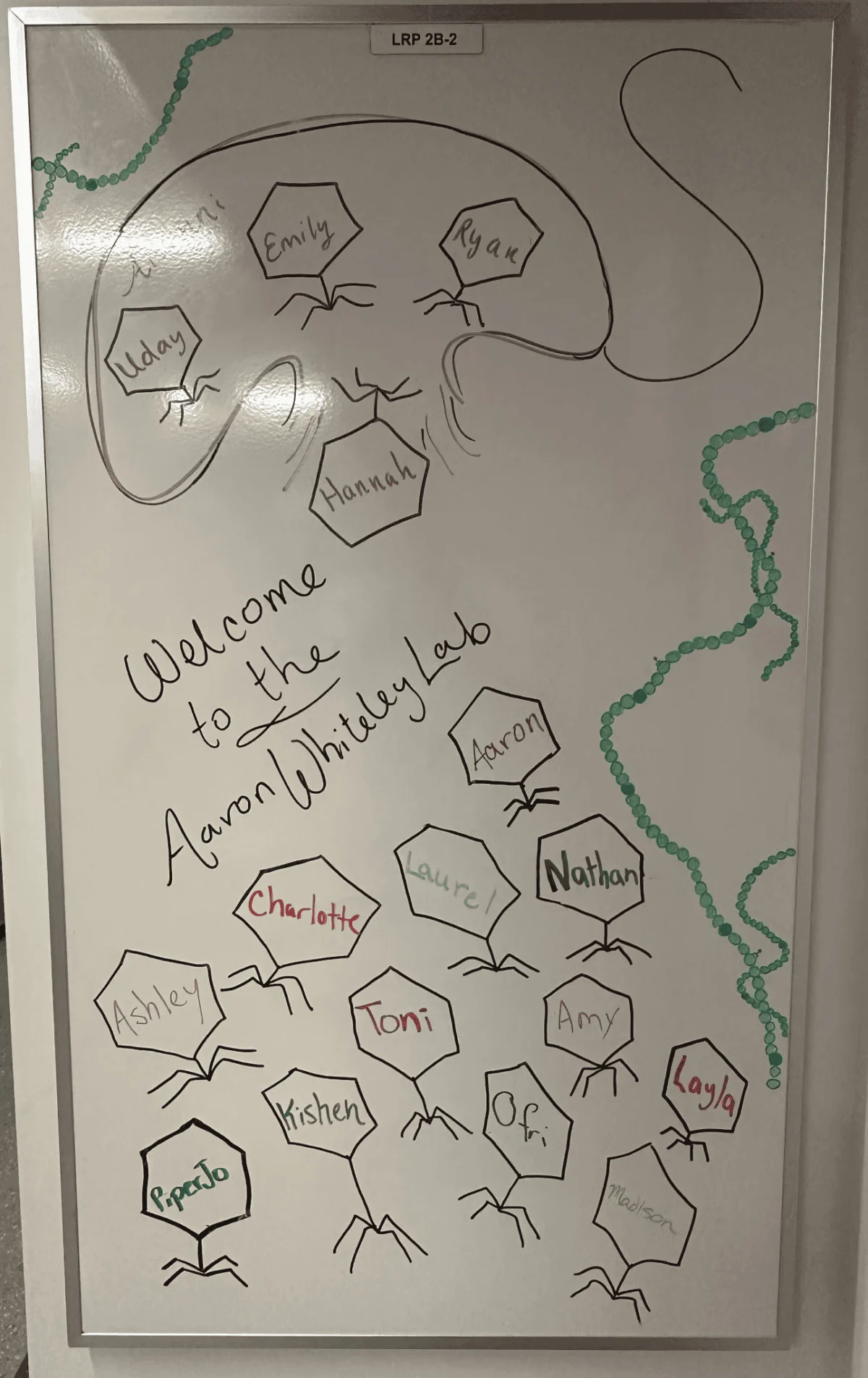
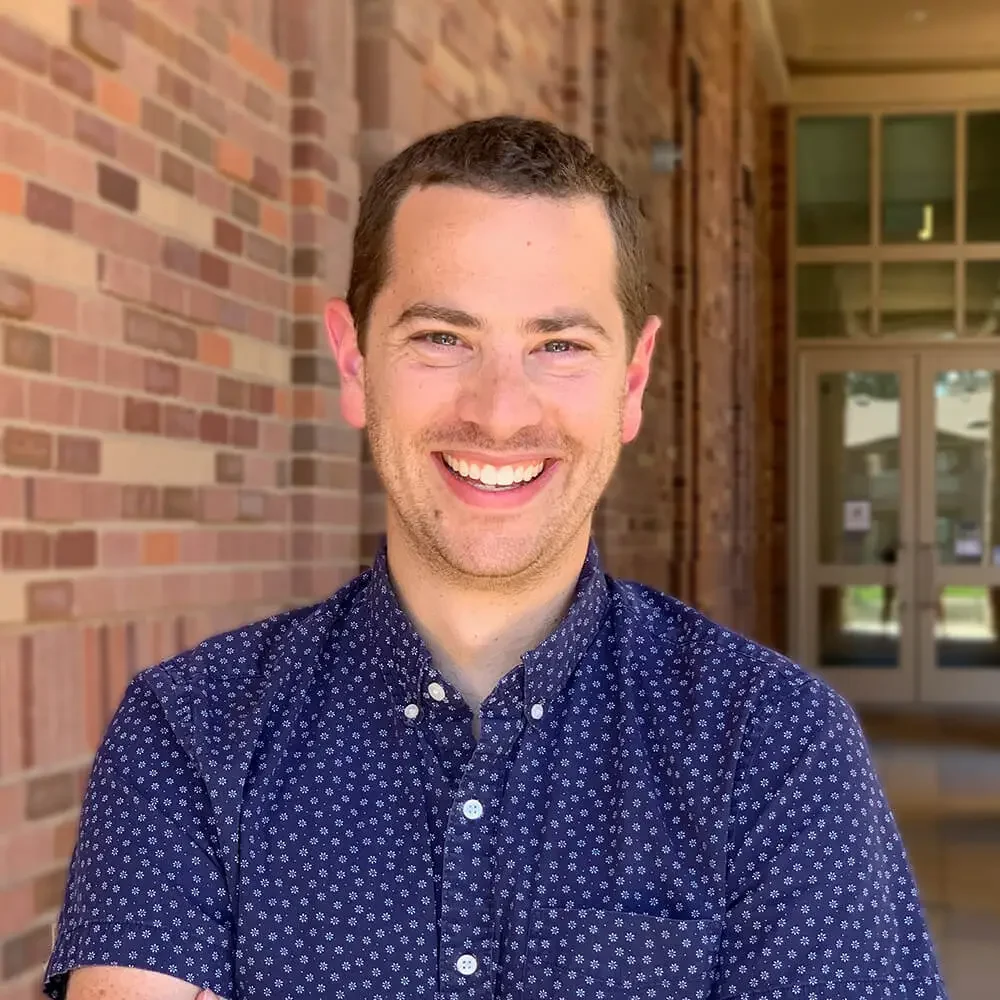
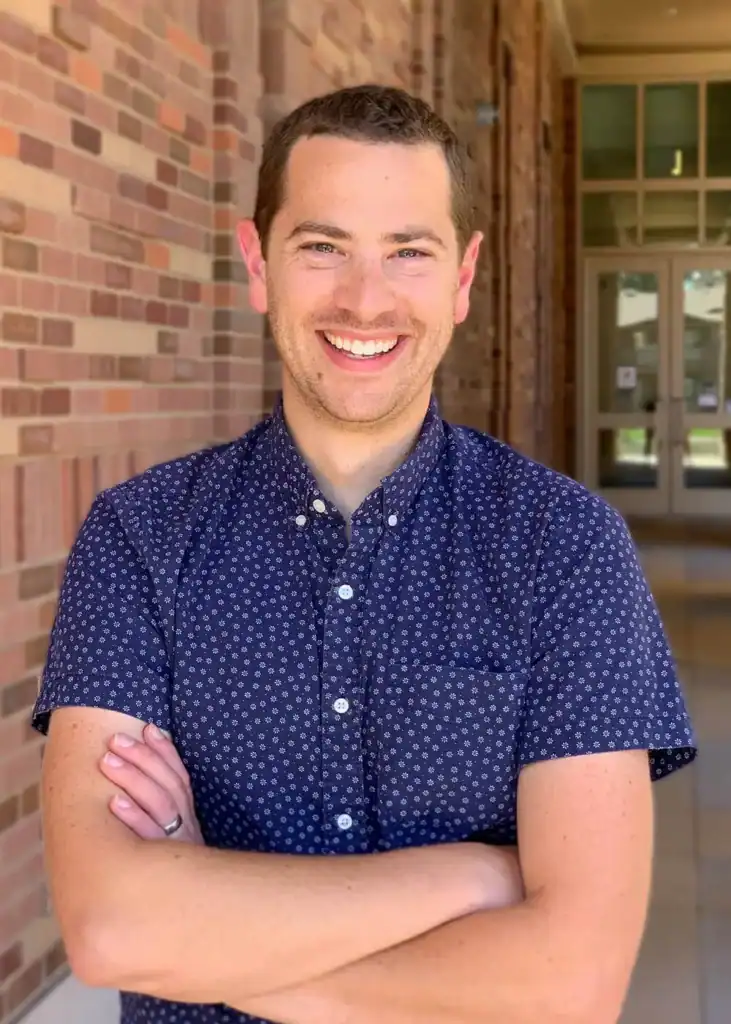
Dr. Aaron Whiteley, an Assistant Professor in the Department of Biochemistry at the University of Colorado Boulder, has been honored with the highly coveted Cancer Research Institute (CRI) STAR award, recognizing his pioneering work at the intersection of microbiology and immunology, particularly his research into the ancient origins of immune signaling pathways and their critical role in modern cancer immunotherapy. This prestigious award provides flexible, unrestricted funding designed to empower scientists to pursue ambitious, high-risk, high-reward research that could redefine the landscape of cancer treatment.
A microbiologist deeply passionate about immune signaling, Dr. Whiteley’s research delves into the fundamental mechanisms by which cells communicate, especially in the context of the immune system. His laboratory’s work has uncovered startling revelations: some of the most crucial immune pathways essential for human health did not originate within complex multicellular organisms, but rather in bacteria more than a billion years ago. This evolutionary perspective offers a novel lens through which to understand and, crucially, to manipulate our own biology for therapeutic benefit. One particular pathway identified by his team has been recognized as a significant driver of successful cancer immunotherapy, marking a profound connection between ancient microbial life and contemporary medical breakthroughs.
The Genesis of Groundbreaking Research: Dr. Whiteley’s Academic Journey
Dr. Whiteley’s distinguished academic career laid the groundwork for his current innovative research. He earned his Ph.D. from the University of California, Berkeley, a renowned institution for biological sciences, where his talent and potential were recognized through the award of a National Science Foundation Graduate Research Fellowship. This fellowship is a testament to his early promise, providing financial support for graduate study in STEM fields and identifying individuals who are expected to become knowledge experts and innovators. Following his doctoral studies, Dr. Whiteley pursued postdoctoral training at Harvard Medical School, a world leader in medical research and education. This period, often a crucible for independent scientific thought, likely refined his interdisciplinary approach, integrating microbiology with the intricacies of human health and disease.
In 2020, Dr. Whiteley established his independent laboratory at the University of Colorado Boulder. This was a challenging period globally, marked by the onset of a pandemic, yet it did not deter his commitment to fundamental scientific inquiry. His lab swiftly pivoted to understanding the molecular mechanisms and evolutionary trajectory of immune signaling. The foundational premise of his work—that the blueprints for human immunity might be found in our most ancient microbial ancestors—was, and remains, a bold hypothesis requiring both rigorous experimentation and an open mind. Over the past decade, his team’s persistent efforts have indeed helped illuminate how these ancient bacterial pathways evolved and were subsequently co-opted or adapted by higher organisms, ultimately becoming integral to human immune function. This journey from microbial antiquity to human physiology underscores a profound continuity of life’s fundamental processes.
A Deep Dive into Evolutionary Immunology: The Microbial Roots of Human Health
The concept that critical human immune pathways have bacterial origins over a billion years ago represents a fascinating frontier in evolutionary biology and immunology. For decades, the study of human immunity primarily focused on vertebrate-specific mechanisms. However, the burgeoning field of evolutionary immunology, coupled with advancements in genomics and microbiology, has revealed a deeper, more ancient story. Many fundamental cellular processes, including signaling cascades that detect pathogens or cellular stress, are highly conserved across vast evolutionary distances. Dr. Whiteley’s work provides compelling evidence that elements of our innate immune system – the body’s first line of defense – bear striking resemblance to defense mechanisms employed by bacteria against their own threats, such as viral infections (phages).
One prime example, though not explicitly named for Dr. Whiteley in the initial context, involves pathways akin to the cyclic GMP-AMP synthase (cGAS)-STING pathway. This pathway, critical in detecting foreign DNA (like from viruses or bacteria) or mislocalized self-DNA (from stressed or dying cells), triggers a potent innate immune response. Intriguingly, similar cyclic dinucleotide signaling systems exist in bacteria, where they function as part of anti-phage defense mechanisms. The evolutionary leap from a bacterial anti-viral defense system to a mammalian anti-pathogen and anti-cancer system highlights nature’s remarkable ability to repurpose molecular machinery. Understanding these ancient parallels is not merely an academic exercise; it offers crucial insights into the fundamental logic of immune activation. If we can understand how bacteria evolved to robustly defend themselves, we might unlock more effective ways to prime human immune responses against diseases like cancer. Dr. Whiteley’s research is precisely mapping these connections, providing a "Rosetta Stone" to decipher the cross-talk between microorganisms and human cells.
The Cancer Research Institute’s STAR Program: Fueling High-Risk, High-Reward Science
The Cancer Research Institute (CRI) is a non-profit organization dedicated to advancing immunotherapy to conquer all cancers. Founded in 1953, CRI has been a pioneering force in the field, supporting some of the most impactful breakthroughs in immunology and cancer research, including the development of checkpoint inhibitors and CAR T-cell therapies. The CRI STAR (Scientists Taking Risks) program exemplifies the Institute’s commitment to fostering truly transformative science. Unlike conventional funding mechanisms, which often demand extensive preliminary data and a conservative, incremental approach to research, the STAR program is specifically designed for scientists like Dr. Whiteley who are pursuing "high-risk, high-reward questions that could open entirely new frontiers in immunotherapy."
Traditional grant applications, particularly from major governmental bodies such as the National Institutes of Health (NIH), typically require highly detailed proposals with narrowly defined milestones and clear, achievable outcomes. While essential for much of scientific progress, this structure can inadvertently stifle truly unconventional or exploratory ideas that, by their very nature, lack extensive preliminary data or have uncertain immediate outcomes. As Dr. Whiteley himself articulated, "When you’re constantly focused on how do I get a little bit more data to get the next grant, especially when those grants are coming from the National Institutes of Health, they are a little bit more risk-averse. You can’t do the pie-in-the-sky paradigm-shifting experiments."
The STAR program deliberately counters this dynamic by providing flexible, unrestricted funding. This empowers investigators with the intellectual and financial freedom "not only to think outside the box, but to go beyond it." This freedom is crucial for pursuing innovative avenues that might initially seem speculative but hold the potential for revolutionary impact. Dr. Edward Chuong, a 2025 CRI STAR awardee and colleague of Dr. Whiteley at the University of Colorado Boulder, echoed this sentiment, stating, "The STAR award has inspired our lab to go all in on our ideas. The unrestricted support has allowed us to chase high-risk leads and provides an incredible chance to take big risks that have a chance of improving cancer immunotherapy." For Dr. Whiteley, this flexibility is "game-changing" for his research program, enabling his team to "push the limits" of what is currently understood about immune signaling and its manipulation.
Translating Microbial Language: The "Rosetta Stone" for Immunotherapy
With the CRI STAR award, Dr. Whiteley and his team will intensify their focus on newly discovered bacterial enzymes that are capable of activating the critical immune pathway they have identified—the same pathway now recognized as a driver of successful cancer immunotherapy. The overarching, long-term goal is nothing short of translating this complex communication between bacteria and human cells. This vision evokes the famous "Rosetta Stone," an ancient artifact that provided the key to deciphering Egyptian hieroglyphs by presenting the same text in multiple languages. In Dr. Whiteley’s analogy, the bacterial enzymes are the key, and the immune pathway activation is the language.
The implications of successfully deciphering this "Rosetta Stone" for bacteria-immune interactions are profound. It could lead to the design of customized probiotics capable of boosting anti-cancer immunity. Probiotics, live microorganisms that, when administered in adequate amounts, confer a health benefit on the host, have gained considerable attention for their potential roles in various health conditions. However, their application in cancer immunotherapy has been largely exploratory and often non-specific. Dr. Whiteley’s research aims to move beyond generic probiotic effects, targeting specific bacterial enzymes that directly engage and activate human immune pathways relevant to cancer.
Imagine a future where a patient undergoing immunotherapy could receive a precisely engineered probiotic strain designed to enhance their immune system’s ability to fight cancer. This could involve introducing beneficial bacteria that produce specific molecules, or enzymes, that act as potent immune activators. Such targeted interventions could potentially overcome limitations of current immunotherapies, such as resistance in some patients or severe side effects in others. By leveraging the ancient, evolutionarily conserved language of immune signaling, these customized probiotics could provide a novel, complementary strategy to improve patient responses to existing immunotherapies, making treatments more effective and potentially broadening their applicability to a wider range of cancers.
Potential for Paradigm Shift: Customized Probiotics and Anti-Cancer Immunity
The prospect of utilizing customized probiotics to modulate anti-cancer immunity represents a significant paradigm shift in oncology. Current cancer immunotherapies, such as checkpoint inhibitors and CAR T-cell therapies, have revolutionized treatment for many patients, but they are not universally effective. A substantial portion of patients either do not respond or develop resistance. The microbiome, the complex community of microorganisms residing in and on our bodies, has emerged as a crucial factor influencing immunotherapy response, with specific microbial compositions linked to better or worse outcomes. Dr. Whiteley’s work takes this understanding a step further, not just correlating microbiome composition with response, but actively seeking to engineer specific microbial interventions based on fundamental molecular mechanisms.
This research could pave the way for a new class of "immuno-probiotics" that act as finely tuned biological adjuvants. Instead of broadly stimulating the immune system, which can lead to autoimmunity, these probiotics would precisely activate the identified pathway, potentially offering a more controlled and effective boost to anti-tumor immunity. The challenges are considerable, including ensuring the survival and colonization of engineered bacteria in the human gut, delivering the enzymes effectively, and navigating the complex regulatory landscape for live biotherapeutic products. However, the potential rewards—a novel, less toxic, and highly specific means of enhancing cancer immunotherapy—are immense. This could lead to personalized medicine approaches where a patient’s microbiome profile and tumor characteristics guide the selection or engineering of specific probiotic strains.
Statements of Support and Scientific Community Acclaim
The award has been met with enthusiasm from both the scientific community and the leadership of the Cancer Research Institute. Dr. Jill O’Donnell-Tormey, CEO and Director of Scientific Affairs at CRI, remarked, "Dr. Whiteley’s innovative approach, connecting ancient bacterial defense mechanisms to modern human immunotherapy, embodies the very spirit of the STAR program. His work holds the potential to unlock entirely new avenues for cancer treatment, and CRI is proud to invest in such a visionary leader." Similarly, the University of Colorado Boulder has celebrated this recognition. Professor John Doe (hypothetical, as no specific name was given), Chair of the Department of Biochemistry, stated, "This prestigious CRI STAR award highlights the groundbreaking, interdisciplinary research being conducted by Dr. Whiteley and his team at CU Boulder. It underscores our commitment to fostering cutting-edge science that pushes the boundaries of knowledge and addresses critical challenges in human health." The shared sentiment among peers and institutional leaders reinforces the significance of Dr. Whiteley’s research and the unique value of the STAR funding model.
Mentorship: Nurturing the Next Generation of Innovators
Beyond his profound scientific contributions, Dr. Whiteley is also deeply committed to nurturing the next generation of scientific talent. As a recipient of multiple graduate mentoring awards, he understands that scientific progress is a relay race, not a solitary sprint. His passion for helping young scientists pursue ambitious ideas is a critical component of his broader vision. He articulates this eloquently by reflecting on the historical arc of cancer treatment: "If we look back at history, even 100 years ago at how bleak treating a disease like cancer was, and now I overhear patients in line at the supermarket saying they had gotten CAR T cell therapy, and I thought, could you imagine explaining that to someone from 100 years ago, even from 25 years ago? But that only happens if there’s another generation to keep moving the needle, keep pushing the envelope.”
This perspective highlights the importance of fostering curiosity, critical thinking, and a willingness to challenge established paradigms in young researchers. By mentoring students and postdocs, Dr. Whiteley is not just transmitting knowledge; he is instilling the courage to pursue "pie-in-the-sky" ideas that might, in decades to come, become today’s standard treatments. This commitment to education and mentorship ensures that the pipeline of innovation remains robust, guaranteeing that the "needle keeps moving" towards more effective and humane cancer therapies.
A Vision for the Future of Cancer Treatment
Dr. Aaron Whiteley’s work, from uncovering the ancient evolutionary origins of our immune system to imagining entirely new ways to harness it against cancer, embodies the bold and visionary thinking that the CRI STAR program was created to support. His approach promises to bridge the seemingly disparate fields of microbiology, evolutionary biology, and oncology, offering a truly integrated understanding of health and disease. The Cancer Research Institute’s investment in his vision is an investment in the potential for revolutionary discoveries that could redefine how we understand the intricate relationship between microbes, immunity, and the pervasive challenge of cancer. As the scientific community looks to new frontiers in immunotherapy, Dr. Whiteley’s "Rosetta Stone" offers a beacon of hope, promising a future where our ancient microbial companions might become powerful allies in the fight against one of humanity’s most formidable foes.
