
 By admin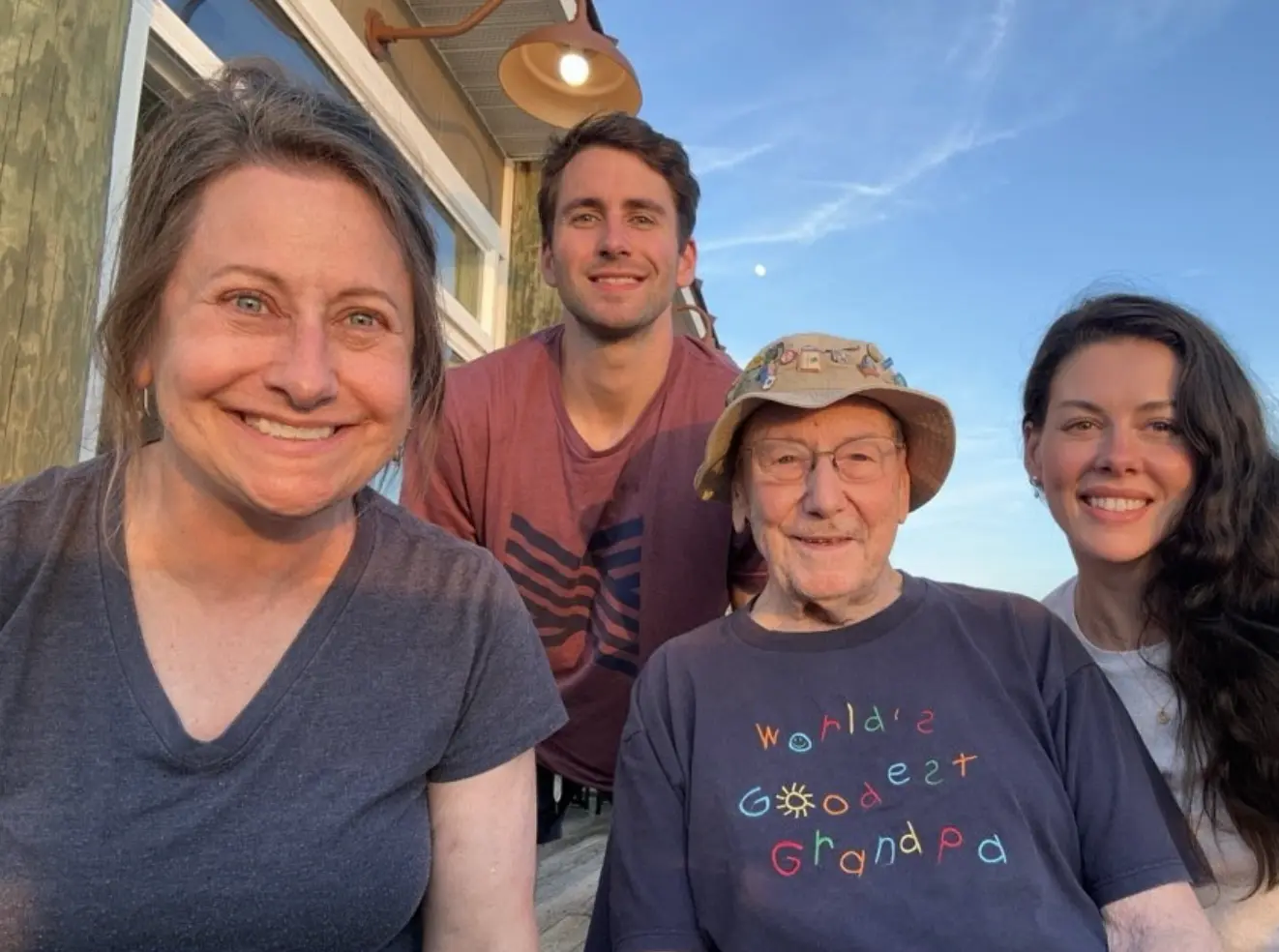
The landscape of pediatric oncology research is increasingly being shaped by a new generation of philanthropists who view charitable giving through the lens of technological disruption and venture-scale impact. Alex Monahan, a Stanford-educated entrepreneur and the founder of the sports analytics platform OddsJam, has recently emerged as a pivotal supporter of the Children’s Cancer Research Fund (CCRF). Following the successful acquisition of his startup, Monahan has redirected his focus toward addressing the systemic challenges in childhood cancer treatment, leveraging his background in data and technology to advocate for more efficient, research-driven outcomes. This transition from the competitive world of tech entrepreneurship to the high-stakes environment of medical philanthropy marks a significant shift in how private capital is being deployed to combat one of the leading causes of death by disease in children.
A Personal Catalyst for Philanthropic Engagement
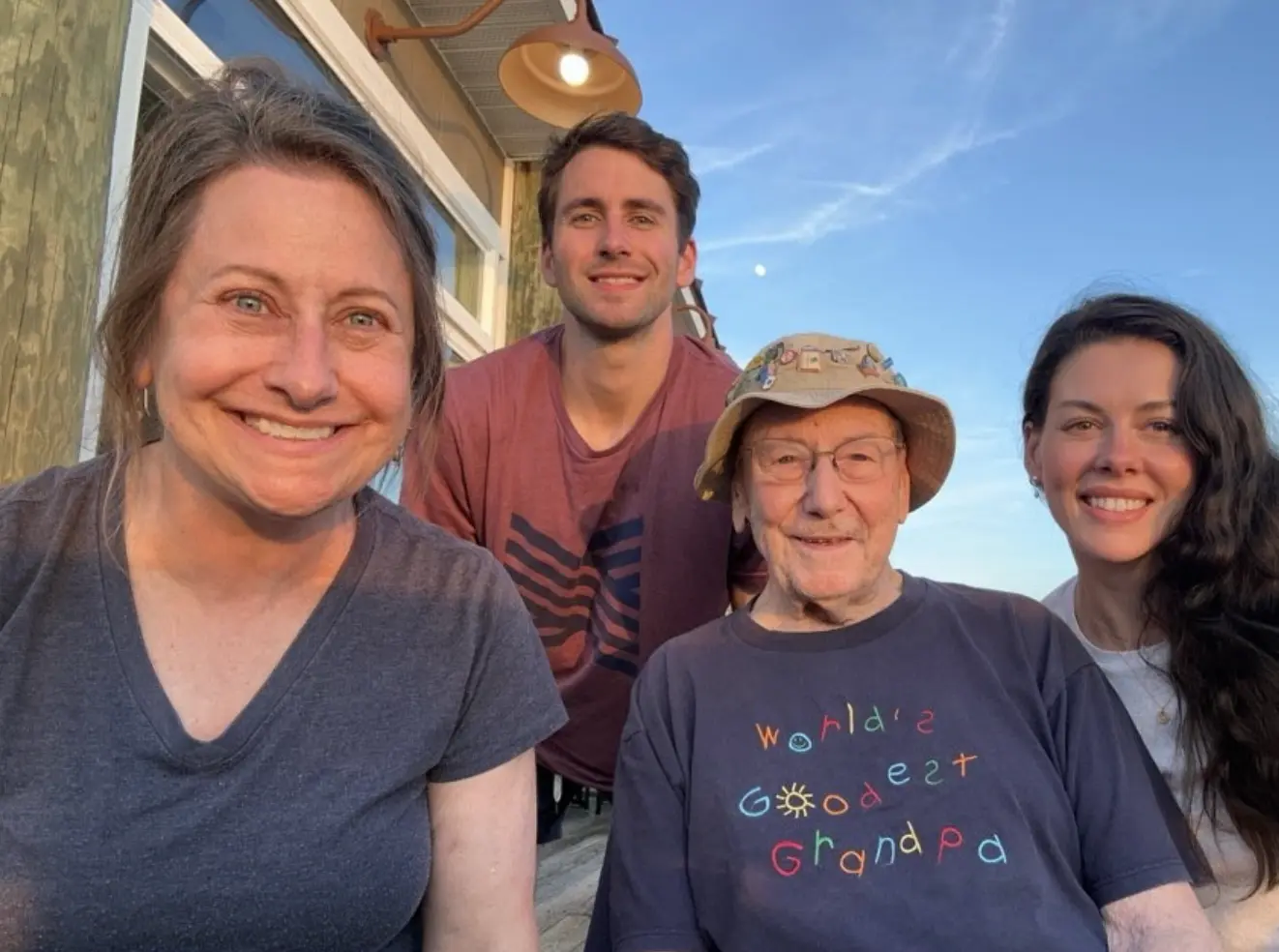
Monahan’s commitment to the cause is rooted in a history of personal loss and family health crises. Growing up in Northern Virginia, his first significant encounter with the disease occurred during his high school years when his grandmother passed away following a battle with cancer. The impact of this loss was compounded years later when his father was diagnosed with the disease. These experiences provided Monahan with a firsthand view of the emotional and logistical toll cancer exacts on families, shaping a worldview that prioritizes medical advancement and patient support systems.
While his early career path led him to the intersection of technology and mathematics at Stanford University, the desire to contribute to the medical field remained a latent ambition. Monahan notes that while he did not become a physician, the problem-solving frameworks he developed in the tech sector are highly applicable to the challenges of modern medicine. He reflects that while he cannot personally imagine the added burden of a child navigating a cancer diagnosis, the difficulties his own family faced served as a powerful motivator to ensure that future generations have access to better care and more effective treatments.
The Evolution from Entrepreneurship to Legacy Giving
The trajectory of Monahan’s professional life provided the resources necessary to engage in high-impact philanthropy. After building OddsJam into a prominent name in the sports technology space, the sale of the company prompted a period of reflection regarding legacy and social responsibility. Unlike traditional philanthropic models that often rely on social circles or legacy institutions, Monahan’s entry into the world of non-profits began with a data-driven search for organizations maximizing their impact in the pediatric space.
A targeted search led him to the Children’s Cancer Research Fund, a national non-profit dedicated to funding the most promising research in childhood cancer. Monahan’s decision to become an "instant supporter" was driven by the organization’s transparency and its focus on funding "seed" research—projects that are often too early-stage for federal funding but hold the potential for breakthrough discoveries. He views his contributions not merely as donations, but as investments in a future where pediatric cancer is no longer a life-threatening reality.
The Funding Gap in Pediatric Oncology
To understand the significance of Monahan’s contribution, it is necessary to examine the current state of pediatric cancer funding. While cancer is the leading cause of death by disease for children in the United States, pediatric oncology research receives a disproportionately small fraction of federal funding. According to data from the National Cancer Institute (NCI), only approximately 4% of the federal budget for cancer research is dedicated specifically to childhood cancers.
This funding disparity creates a critical "innovation gap" where pediatric treatments often lag decades behind adult oncology. Many drugs currently used to treat children were developed in the 1970s and 1980s and can be highly toxic to developing bodies. Private organizations like CCRF and individual donors like Monahan play a vital role in bridging this gap, providing the capital necessary to explore less toxic treatments and precision medicine tailored specifically to the unique biology of children.
Leveraging Artificial Intelligence and Modern Technology
One of the primary areas of interest for Monahan is the integration of advanced technology into the research process. With a background in building complex algorithms, he is particularly attuned to the potential of Artificial Intelligence (AI) and machine learning to accelerate the pace of discovery. In the context of oncology, AI is being utilized to analyze vast datasets of genomic information, allowing researchers to identify patterns that would be impossible for human scientists to detect in isolation.
Monahan emphasizes that technology can serve three critical functions in the fight against cancer: speeding up the discovery of new drug compounds, improving the quality of diagnostic care, and significantly reducing the long-term side effects of treatment. For children, the reduction of side effects is particularly crucial. Because their bodies are still growing, survivors of childhood cancer often face lifelong health challenges, including heart disease, secondary cancers, and cognitive impairments caused by harsh chemotherapy and radiation. By funding tech-forward research, Monahan aims to shift the focus from mere survival to "thriving survivorship."
Strategic Initiatives: The Brain Tumor Clinical Trial
A specific area of impact for Monahan’s support is the recent brain tumor clinical trial at Children’s Minnesota, an initiative funded in part by CCRF. Brain tumors remain one of the deadliest forms of pediatric cancer, and traditional treatments have often proven insufficient for high-grade gliomas and other aggressive forms of the disease. The trial at Children’s Minnesota focuses on innovative delivery methods and targeted therapies that aim to bypass the blood-brain barrier, a significant hurdle in treating neurological malignancies.
For Monahan, these clinical trials represent the "why" and "how" of his philanthropic mission. By supporting trials that bring laboratory research directly to the bedside, he is helping to provide immediate options for families who have exhausted standard protocols. This alignment with specific, measurable medical milestones is a hallmark of his approach to giving, ensuring that capital is directed toward the areas of greatest clinical need.
The Human Element: Community and Resilience
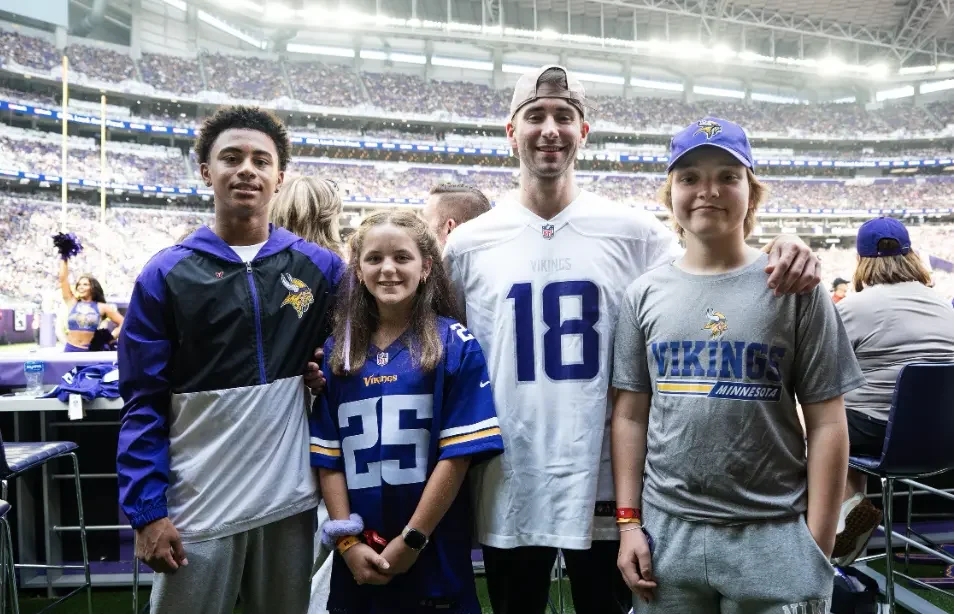
Despite his focus on the technical and scientific aspects of research, Monahan remains deeply connected to the human experience of the families affected by cancer. This was evidenced by his recent participation in an event at the CCRF suite during a Minnesota Vikings pre-season game. Spending time with families currently navigating the treatment process provided a stark reminder of the stakes involved in his philanthropic work.
Monahan observed that for these children, sports and community events serve as a necessary escape from the rigors of hospital life. He noted that seeing the resilience and excitement of the children helped him step out of the "entrepreneurial bubble" and re-center his focus on the immediate needs of the community. This balance between high-level scientific investment and direct community engagement defines his holistic approach to the cause.
Analysis of Implications: The Rise of Tech-Philanthropy
The involvement of figures like Alex Monahan suggests a broader trend in the non-profit sector. As wealth is increasingly generated in the technology and data sectors at younger ages, the nature of philanthropy is changing. These "new" donors are often less interested in having their names on buildings and more interested in the "ROI" of their contributions—measured in lives saved, years of life gained, or scientific hurdles overcome.
This shift necessitates a higher degree of transparency and technical communication from non-profit organizations. CCRF’s ability to explain the science behind their priorities was a key factor in securing Monahan’s long-term commitment. As more tech entrepreneurs enter the philanthropic space, organizations that can demonstrate a clear, data-backed path to impact will likely see the greatest support.
Guidance for the Next Generation of Donors
Monahan’s entry into philanthropy offers a blueprint for others looking to make a meaningful difference. His advice to prospective donors is characterized by the same pragmatism that fueled his success in business. He encourages donors to be realistic about their capabilities while viewing money as a tool that must be wielded with intention.
His primary recommendations for impactful giving include:
- Immediate Action: Not waiting for a specific life milestone to begin contributing to causes of importance.
- Scientific Literacy: Taking the time to understand the underlying research and "the why" behind specific initiatives.
- Resource Utilization: Working closely with organizational experts to ensure funds are directed toward the highest-priority needs.
Conclusion: A Vision for the Next Twenty Years
Alex Monahan’s perspective is anchored in the concept of generational responsibility. He frequently remarks that the investments made today will define the standard of care for the next twenty years. By funding childhood cancer research now, he is working to ensure that the "people of twenty years ago" provided the foundation for the successes of today, and that he, in turn, is providing the foundation for the cures of tomorrow.
Through a combination of personal conviction, technological expertise, and strategic financial support, Monahan is helping to move the needle in the fight against pediatric oncology. His partnership with the Children’s Cancer Research Fund stands as a testament to the power of combining entrepreneurial drive with a deeply personal mission to improve the lives of children and families worldwide. As research continues to evolve, the integration of such dedicated private support remains a cornerstone of the hope for a future free from the threat of childhood cancer.
