
 By admin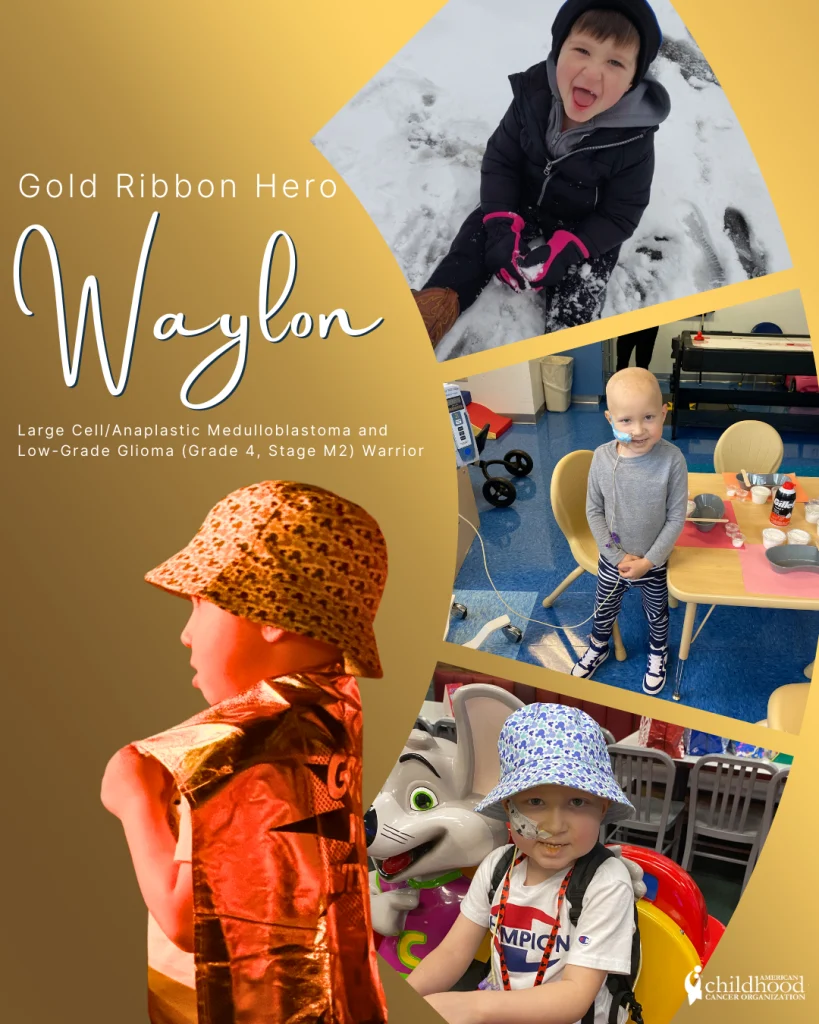
The landscape of pediatric oncology often involves stories of immense resilience, and the case of five-year-old Waylon stands as a testament to the fortitude required by both patients and their families when facing high-risk neurological malignancies. On April 24, 2025, Waylon’s life and the lives of his family members were irrevocably altered following a diagnosis of large cell/anaplastic medulloblastoma and low-grade glioma. Classified as Grade 4, Stage M2, the diagnosis represents one of the most aggressive forms of pediatric brain tumors, necessitating an intensive and multidisciplinary medical intervention strategy. Despite the severity of his condition, Waylon recently appeared as an ambassador at the Grand Ole Opry Chili Cook-Off in Nashville, Tennessee, a high-profile event designed to raise awareness and funds for childhood cancer research through the American Childhood Cancer Organization (ACCO).
The Path to Diagnosis: Identifying Early Warning Signs
The clinical progression leading to Waylon’s diagnosis followed a pattern often seen in pediatric posterior fossa tumors. His family first observed a series of neurological and physical red flags, including persistent, debilitating headaches and recurrent vomiting. These symptoms were accompanied by significant balance issues, known clinically as ataxia, which often indicates pressure on the cerebellum or brainstem.
According to Waylon’s mother, Kayla, the diagnosis was a transformative moment that "turned the family’s whole world upside down." The transition from observing vague physical ailments to receiving a Grade 4 cancer diagnosis is a traumatic experience shared by thousands of families annually. In Waylon’s case, the specific pathology—large cell/anaplastic medulloblastoma—is a subtype known for its aggressive growth and higher likelihood of spread through the cerebrospinal fluid (CSF). The "Stage M2" designation indicates that tumor cells had already begun to migrate, specifically manifesting as visible "seeding" within the brain’s cerebellar or cerebral subarachnoid spaces.
Clinical Intervention and Treatment Milestones
Following the diagnosis in late April, Waylon was immediately placed on a rigorous treatment protocol designed to combat the high-grade nature of the tumor. To date, his medical journey has included two major neurosurgical procedures. These surgeries are typically performed to achieve "maximal safe resection," a process where surgeons remove as much of the tumor mass as possible without damaging critical brain tissue responsible for motor skills and cognitive function.
Beyond surgery, Waylon has navigated a grueling schedule of adjuvant therapies. He has completed a full course of radiation treatment, a standard of care for medulloblastoma intended to eliminate residual microscopic disease. Furthermore, he has completed 33 of the 37 planned rounds of chemotherapy. This high-intensity regimen is designed to target rapidly dividing cancer cells but often carries significant side effects, including immunosuppression, fatigue, and nausea. The precision required in treating a five-year-old patient involves a delicate balance between aggressive eradication of the malignancy and the preservation of the child’s developing neurological systems.
Understanding Medulloblastoma: A Statistical and Pathological Overview
Medulloblastoma is the most common malignant brain tumor in children, accounting for nearly 20 percent of all pediatric central nervous system (CNS) tumors. It originates in the cerebellum, the part of the brain located at the base of the skull that controls balance, coordination, and other complex motor functions.
The "large cell/anaplastic" variant diagnosed in Waylon is particularly noteworthy in the medical community. It is characterized by distinct cellular features, including nuclear pleomorphism and high mitotic activity, which correlate with a more clinical course than the "classic" or "desmoplastic" subtypes.
Data from the National Cancer Institute (NCI) and the Central Brain Tumor Registry of the United States (CBTRUS) indicate that while five-year survival rates for pediatric medulloblastoma have improved significantly over the last several decades—now hovering around 70 to 80 percent depending on the risk group—the large cell/anaplastic subtype remains a high-risk category. Patients in this group often require more intensive chemotherapy and specialized radiation techniques, such as proton therapy, to minimize long-term cognitive deficits.
The Grand Ole Opry Chili Cook-Off: Community Advocacy in Nashville
In the midst of his clinical battle, Waylon was invited to serve as an ambassador for the Grand Ole Opry Chili Cook-Off in Nashville. The event, held in collaboration with the ACCO, serves as a cornerstone of the "Go Gold" campaign, which takes place annually to highlight the need for increased pediatric cancer research funding.
During the event, Waylon and his family were granted a behind-the-scenes experience at one of the most iconic venues in American music history. The itinerary included a tour of the Grand Ole Opry facility, participation in the employee-led chili cook-off, and attendance at a live performance. Such events are curated not only for fundraising but also to provide "therapeutic distraction" for pediatric patients, offering them experiences outside the sterile environment of hospital wards and infusion centers.
The Nashville event highlights the intersection of corporate social responsibility and public health advocacy. By leveraging the cultural influence of the Grand Ole Opry, the ACCO is able to reach a broader demographic, educating the public on the realities of childhood cancer. For Waylon, the role of ambassador allowed him to represent the thousands of children currently in active treatment, putting a human face on the abstract statistics of oncology.
The Role of the American Childhood Cancer Organization (ACCO)
The ACCO, founded in 1970 by a group of parents whose children were diagnosed with cancer, is the nation’s oldest and largest grassroots organization dedicated to childhood cancer. Its involvement in Waylon’s story underscores a critical support network that exists for families navigating the complexities of the healthcare system.
The organization focuses on several key pillars:
- Legislation and Advocacy: Pushing for increased federal funding through the National Institutes of Health (NIH). Currently, pediatric cancer receives only about 4 percent of the NCI’s total budget, a figure often criticized by advocates who argue that children’s cancers are biologically distinct from adult cancers and require dedicated research streams.
- Resource Provision: Providing families with educational materials that explain complex diagnoses in age-appropriate ways.
- Awareness: Utilizing the "Gold" ribbon as the international symbol for childhood cancer, similar to the pink ribbon for breast cancer awareness.
The partnership between the ACCO and the Grand Ole Opry is part of a larger initiative to bridge the "funding gap." Because pediatric cancers are considered "rare" compared to adult lung or breast cancers, pharmaceutical companies often have less financial incentive to develop new pediatric-specific drugs. Consequently, many children are treated with "off-label" medications originally designed for adults, which can lead to severe long-term "late effects" as the children grow.
Broader Implications: The Economic and Social Impact of Pediatric Cancer
The story of Waylon’s journey also reflects the broader economic and social burdens placed on families. A Grade 4 brain cancer diagnosis often necessitates that at least one parent leave the workforce to manage the grueling schedule of appointments, surgeries, and hospital stays. The financial strain of travel, specialized diet, and non-covered medical expenses can be overwhelming.
Furthermore, the "Stage M2" status of Waylon’s condition implies a need for long-term monitoring. Even after the completion of the 37 rounds of chemotherapy, survivors of medulloblastoma require years of follow-up care, including regular MRI scans to monitor for recurrence and endocrinology appointments to manage potential growth hormone deficiencies caused by cranial radiation.
From a sociological perspective, the inclusion of pediatric patients in public events like the Nashville cook-off serves to destigmatize the illness. It fosters a community of support that is essential for the psychological well-being of the patient. Kayla’s public sharing of Waylon’s story serves a dual purpose: it documents a personal history of bravery and acts as a call to action for systemic change in how pediatric cancer is funded and treated.
Analysis of the Pediatric Oncology Landscape in 2025
As of 2025, the field of pediatric oncology is shifting toward precision medicine. While Waylon’s treatment involved traditional pillars—surgery, radiation, and chemotherapy—research is increasingly focusing on the molecular subgroups of medulloblastoma (WNT, SHH, Group 3, and Group 4). Identifying the specific genetic drivers of a tumor allows for "risk-adapted" therapy, where treatments can be intensified for high-risk patients like Waylon or de-escalated for lower-risk patients to avoid unnecessary toxicity.
The presence of a low-grade glioma alongside the medulloblastoma in Waylon’s case adds a layer of complexity to his clinical profile. Gliomas are tumors that arise from glial cells, which support and protect neurons. While "low-grade" suggests a slower growth rate than the medulloblastoma, the presence of two distinct types of tumors requires a highly nuanced approach to chemotherapy to ensure both are adequately addressed.
Conclusion: The Path Forward for Waylon
Waylon’s journey is far from over, but his progress to date—completing 33 rounds of chemotherapy and enduring multiple surgeries—marks him as a significant figure of hope within the ACCO community. His participation in the Grand Ole Opry event signifies the importance of maintaining a sense of normalcy and joy for children undergoing life-threatening medical crises.
As Waylon moves toward the completion of his initial treatment protocol, the focus will shift toward survivorship and the management of any long-term effects of his intensive therapy. His story continues to serve as a vital narrative for the "Go Gold" movement, reminding the public and policymakers alike that behind every statistic is a child, a family, and a community fighting for a future free from the shadow of cancer. The successful collaboration between the ACCO and the Grand Ole Opry ensures that the fight for better treatments and higher survival rates remains in the national spotlight, fueled by the bravery of "warriors" like Waylon.
