
 By admin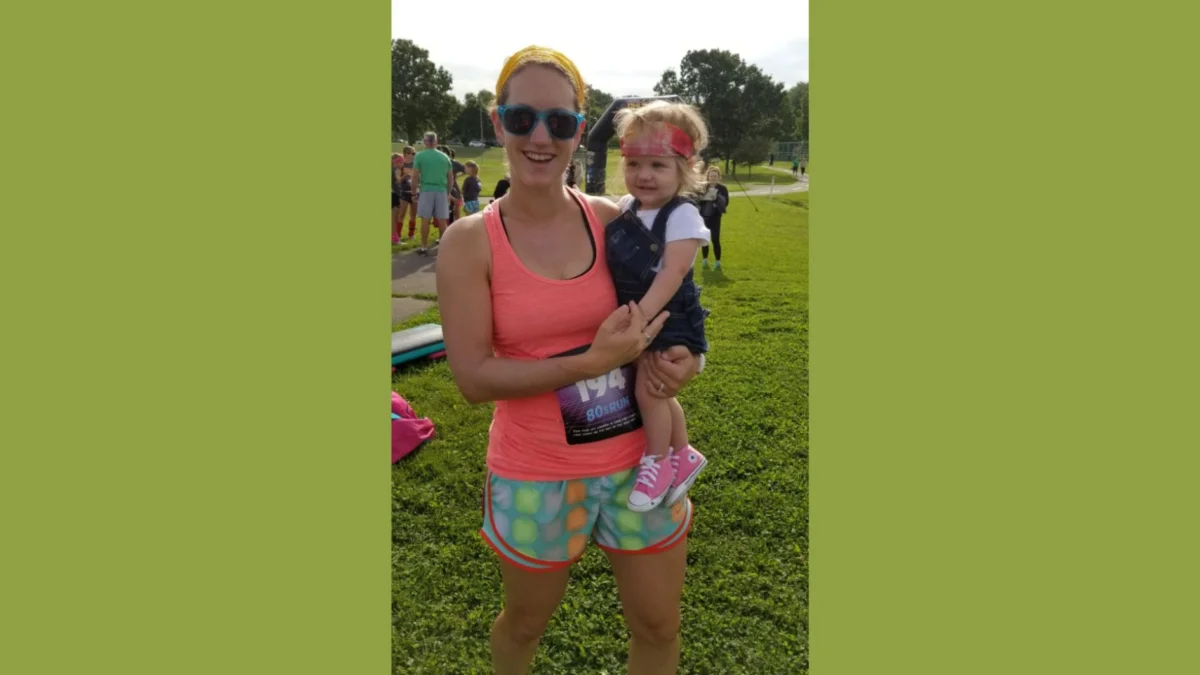
The scenic stretch of Highway 61 between Two Harbors and Duluth, Minnesota, is set to transform once again into a corridor of endurance and philanthropy as thousands of athletes converge for the annual Grandma’s Marathon weekend. While the event is renowned globally for its picturesque views of Lake Superior and its fast, flat course, the 2024 iteration carries a profound significance for a specific group of participants. Among the sea of runners are representatives of Team CCRF, a dedicated cohort of athletes raising funds for the Children’s Cancer Research Fund (CCRF). For these individuals, the 26.2-mile journey represents more than a personal athletic milestone; it serves as a critical platform to address the funding gaps in pediatric oncology and to honor the lives of those affected by the disease.
Personal Stakes on the North Shore
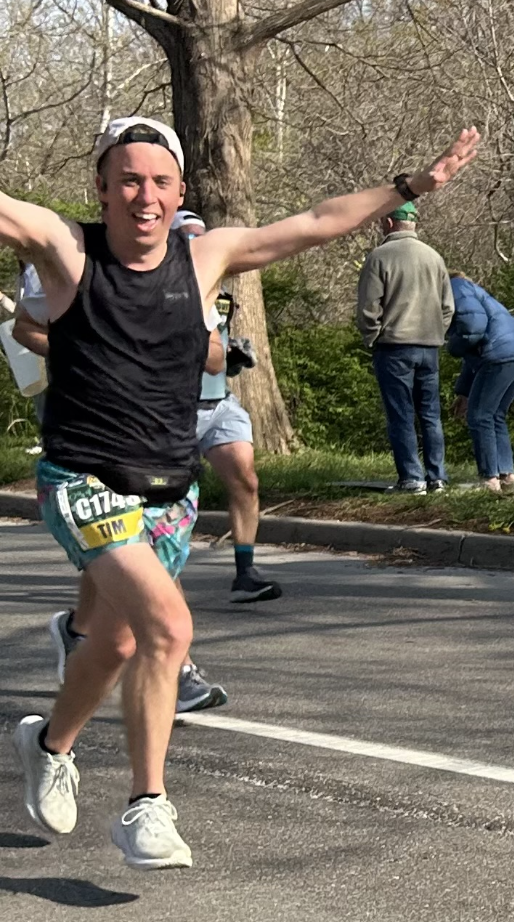
For Tim Lapping, a clinical research professional based in Kansas City, the decision to participate in Grandma’s Marathon was the result of both professional insight and personal tragedy. Lapping’s career has been defined by over a decade of work in clinical research, including significant time spent overseeing oncology studies at a local children’s hospital. This professional background provided him with an intimate understanding of the complexities involved in bringing new life-saving treatments from the laboratory to the bedside.
Lapping’s connection to the cause intensified when his four-year-old nephew was diagnosed with leukemia. The diagnosis brought the abstract nature of clinical data into sharp, painful focus. After years of intensive treatment, his nephew has remained cancer-free for two years—a success Lapping directly attributes to the decades of donor-funded research that preceded the diagnosis.
“He’s been cancer-free for about two years now, and I know that wouldn’t have been possible without years and years of research,” Lapping stated. His participation in Grandma’s Marathon marks his first-ever attempt at the full 26.2-mile distance. For Lapping, the training regimen of four days a week is balanced by the knowledge that each mile contributes to a broader mission. By turning the race into a family excursion with his wife, Sophie, and their sons, Freddie and Beau, Lapping aims to demonstrate the communal effort required to combat pediatric illness.
A Legacy of Resilience: Tami Swenson’s Journey
While Lapping runs to celebrate a recovery, Tami Swenson runs to honor a memory and fulfill a long-held athletic ambition. Swenson, a veteran runner with more than 15 marathons completed across California, has long viewed Grandma’s Marathon as a bucket-list event. However, her motivation for the 2024 race is inextricably linked to her daughter, Ada.
In 2023, five-year-old Ada passed away following a 15-month battle with leukemia. Her treatment journey was exhaustive, encompassing multiple rounds of chemotherapy, a bone marrow transplant, and participation in two distinct clinical trials. Throughout the grueling process, Ada became known for her spirited nature, often seen riding her bicycle through hospital hallways and carrying her "C.C. Bear," a signature stuffed animal provided by the Children’s Cancer Research Fund to children undergoing treatment.
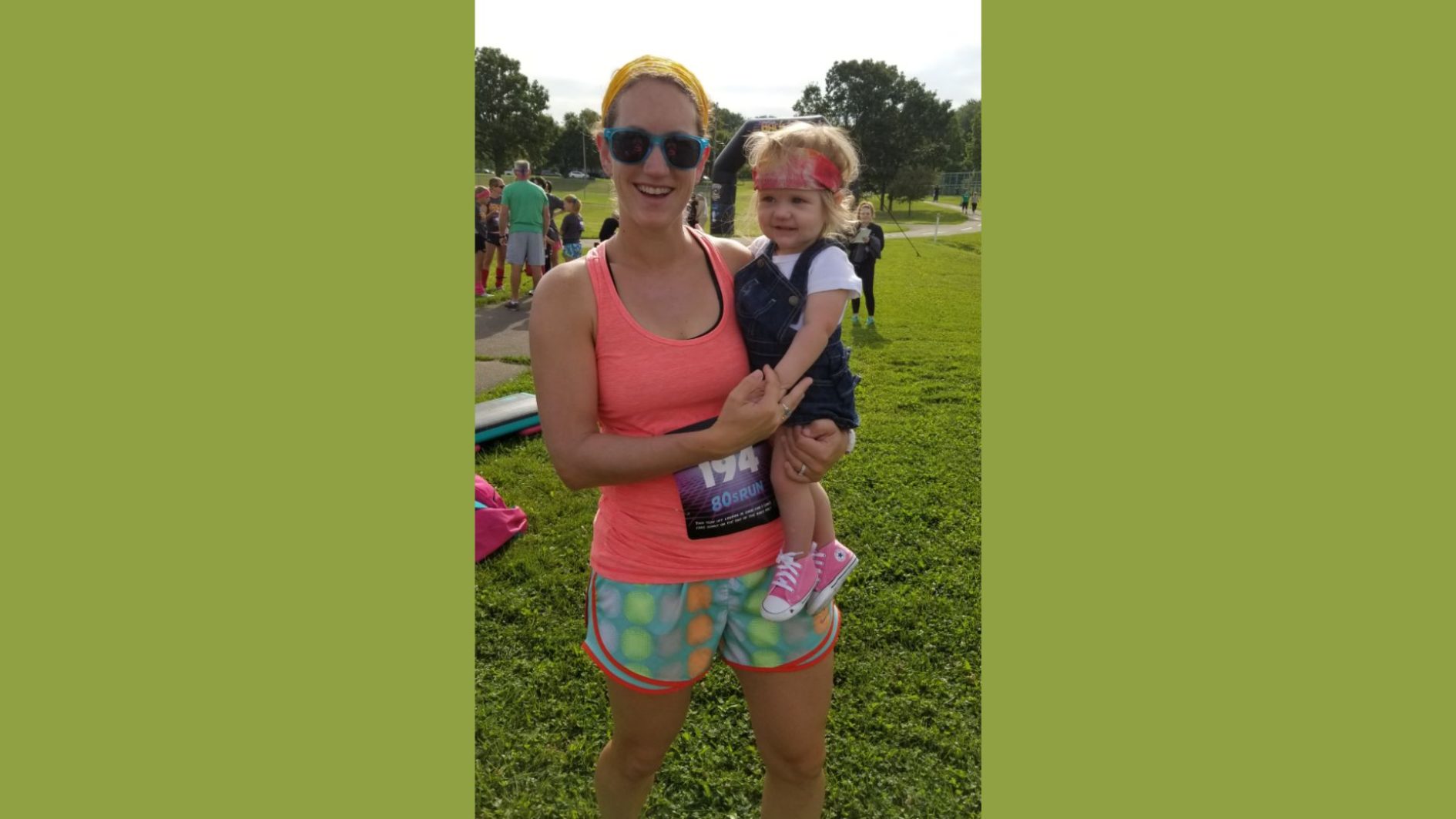
Swenson’s return to the marathon circuit is a testament to the endurance required of families facing a cancer diagnosis. She notes that during the most difficult segments of her training, the memory of Ada’s resilience provides the necessary psychological fortitude to continue. For Swenson, the race is a dual-purpose endeavor: a personal pursuit of a storied Midwest marathon and a public commitment to ensuring other families have access to the clinical trials that provided her daughter with a fighting chance.
The Historical Significance of Grandma’s Marathon
Grandma’s Marathon has evolved significantly since its inception in 1977. Originally organized by a group of local runners and named after its first major sponsor, Grandma’s Restaurant, the inaugural race featured just 150 participants. Today, it stands as one of the largest and most prestigious marathons in the United States, attracting over 20,000 participants across its various weekend events, including the Garry Bjorklund Half Marathon and the William A. Irvin 5K.
The race’s economic impact on the Duluth region is substantial, often exceeding $20 million annually. Beyond the economic metrics, the event has become a vital hub for "charity bib" programs. Organizations like the Children’s Cancer Research Fund leverage the event’s popularity to mobilize donors. The marathon’s point-to-point course, which mirrors the shoreline of Lake Superior, offers a meditative environment for runners who are often processing grief or celebrating survival as they move toward the finish line in Duluth’s Canal Park.
The Critical Need for Pediatric Cancer Research Funding
The efforts of Team CCRF runners are set against a backdrop of significant funding disparities in the medical research community. According to data from the National Cancer Institute (NCI), pediatric cancer research receives only a small fraction of the total federal funding allocated for cancer research—historically hovering around 4%. This disparity places a heavy burden on private non-profit organizations like the CCRF to bridge the gap.
Childhood cancer remains the leading cause of death by disease for children in the United States. While survival rates for certain types of cancer, such as Acute Lymphoblastic Leukemia (ALL), have improved dramatically over the last 50 years, other forms remain nearly 100% fatal. Furthermore, the long-term effects of current treatments—which often involve harsh chemotherapy and radiation—can lead to secondary cancers, organ failure, and cognitive impairments later in life.
Donor-funded research is essential for three primary reasons:
- Innovation in Clinical Trials: Private funding often supports Phase I and Phase II clinical trials, which are considered too high-risk for federal or pharmaceutical funding but are necessary for discovering breakthrough treatments.
- Survivorship Programs: Research into the long-term "late effects" of treatment helps survivors lead healthier adult lives.
- Hard-to-Treat Cancers: Funding allows scientists to focus on rare pediatric sub-types that do not offer a significant "market return" for traditional drug companies.
The Mechanics of Philanthropy through Athletics
The integration of endurance sports and fundraising—often referred to as "peer-to-peer fundraising"—has become a cornerstone of the CCRF’s operational model. By lacing up for Grandma’s Marathon, runners like Lapping and Swenson act as ambassadors, tapping into their personal and professional networks to raise awareness and capital.
The funds raised by Team CCRF are primarily directed toward the University of Minnesota’s Masonic Cancer Center, a world-renowned institution for pediatric blood and marrow transplantation. However, the impact is national, as the discoveries made in Minnesota are shared across a network of over 200 children’s hospitals globally through the Children’s Oncology Group (COG).
For the runners, the process involves months of preparation. A standard marathon training cycle lasts between 16 and 20 weeks, requiring hundreds of miles of roadwork. When coupled with the responsibility of fundraising, the commitment becomes a secondary "job." Yet, as Tim Lapping noted, the "noble cause" transforms the physical strain into a meaningful contribution to global health.
Broader Implications and Future Outlook
The participation of Team CCRF in Grandma’s Marathon highlights a growing trend in the philanthropic sector: the move toward experiential giving. Donors are increasingly drawn to narratives of personal sacrifice and physical endurance. This model not only secures necessary funds but also builds a community of advocates who are personally invested in the success of medical research.
As the 2024 race concludes, the data gathered from the funds raised will likely contribute to the next generation of pediatric protocols. The success of clinical trials, such as those Ada Swenson participated in, relies on a steady stream of capital to maintain laboratory staff, purchase specialized equipment, and subsidize the costs for participating families.
The stories of Tim Lapping and Tami Swenson serve as a reminder that behind every statistic in childhood cancer is a family navigating a transformative crisis. By utilizing the platform of Grandma’s Marathon, Team CCRF ensures that the conversation surrounding pediatric cancer remains in the public eye, moving the needle closer to a future where a diagnosis is no longer a life-altering tragedy, but a treatable condition.
For those interested in the intersection of athletics and advocacy, the Children’s Cancer Research Fund continues to offer opportunities for participation in various endurance events across the country. As the organization prepares for future races, the goal remains steadfast: to fund the research that will eventually render the "finish line" for childhood cancer a reality.
