
 By admin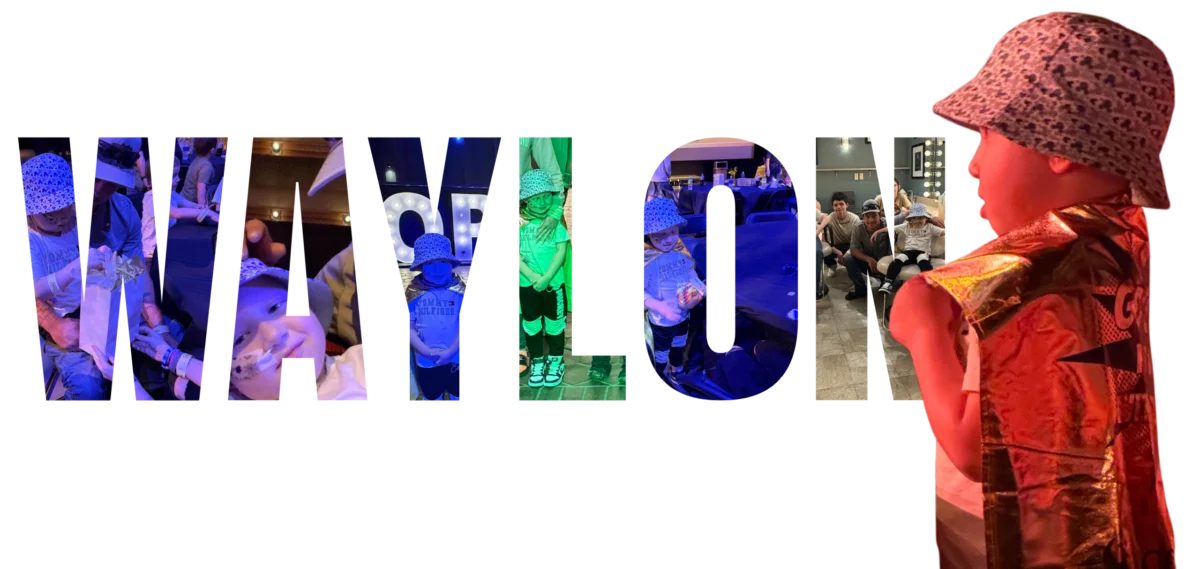
The Grand Ole Opry House, an iconic pillar of American country music history, recently transformed its legendary halls into a hub of culinary competition and philanthropic advocacy for the third annual Grand Ole Opry Employee Chili Cook-Off and Fundraiser. This initiative, a collaborative effort between the Opry staff and the American Childhood Cancer Organization (ACCO), was designed to generate critical funding and public awareness for pediatric cancer research and family support services. By leveraging the cultural influence of the Opry, the event successfully bridged the gap between the Nashville entertainment community and the urgent needs of the 15,780 children under the age of 19 diagnosed with cancer annually in the United States.
A Tradition of Philanthropy and Community Engagement
The 2024 iteration of the chili cook-off marked the third year of what has become a cornerstone event for the Grand Ole Opry’s internal community. The fundraiser serves a dual purpose: fostering camaraderie among the diverse departments of the Opry—ranging from stagehands and technical crews to administrative staff—and providing a platform for the ACCO to highlight the realities of childhood cancer.
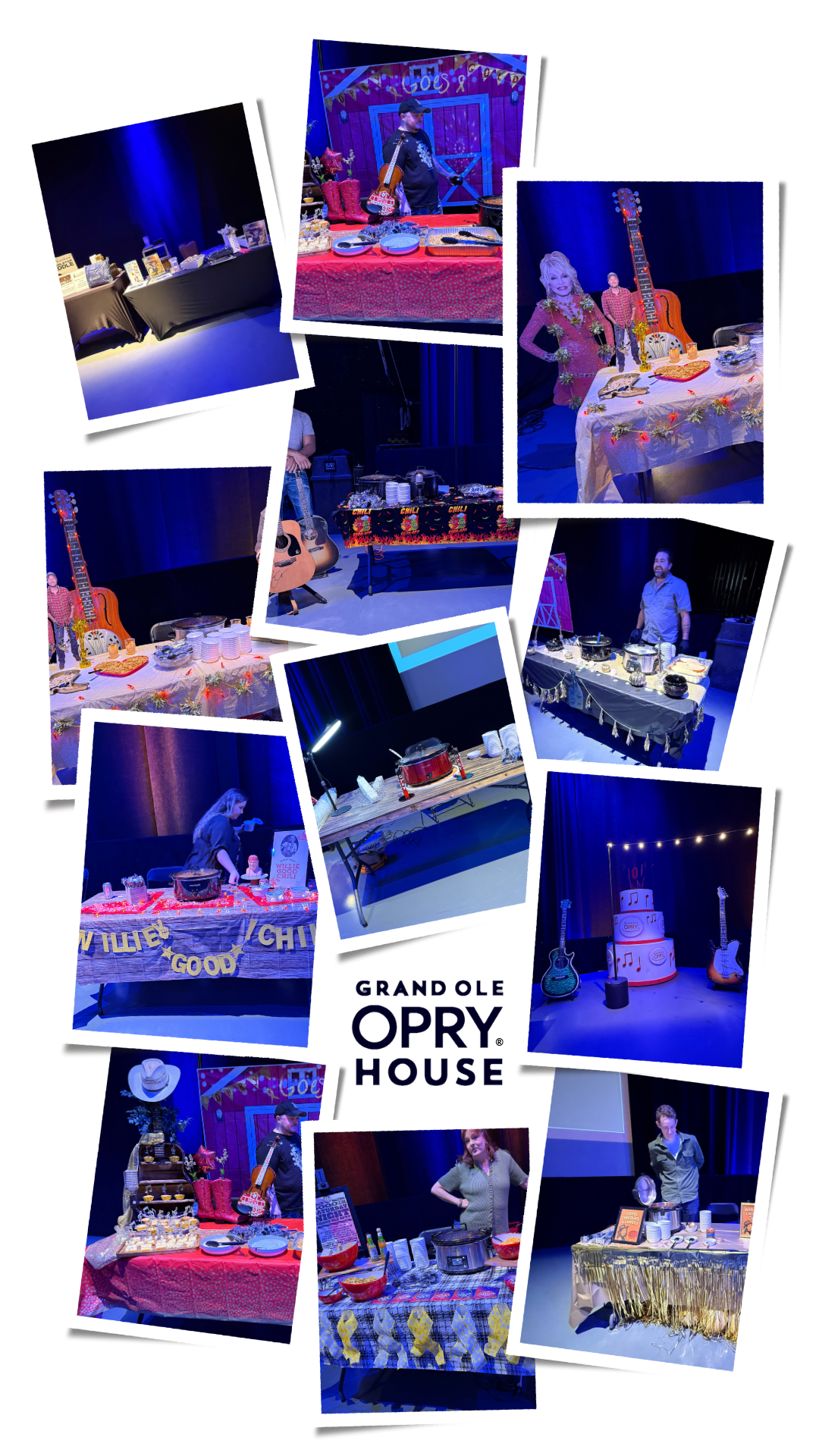
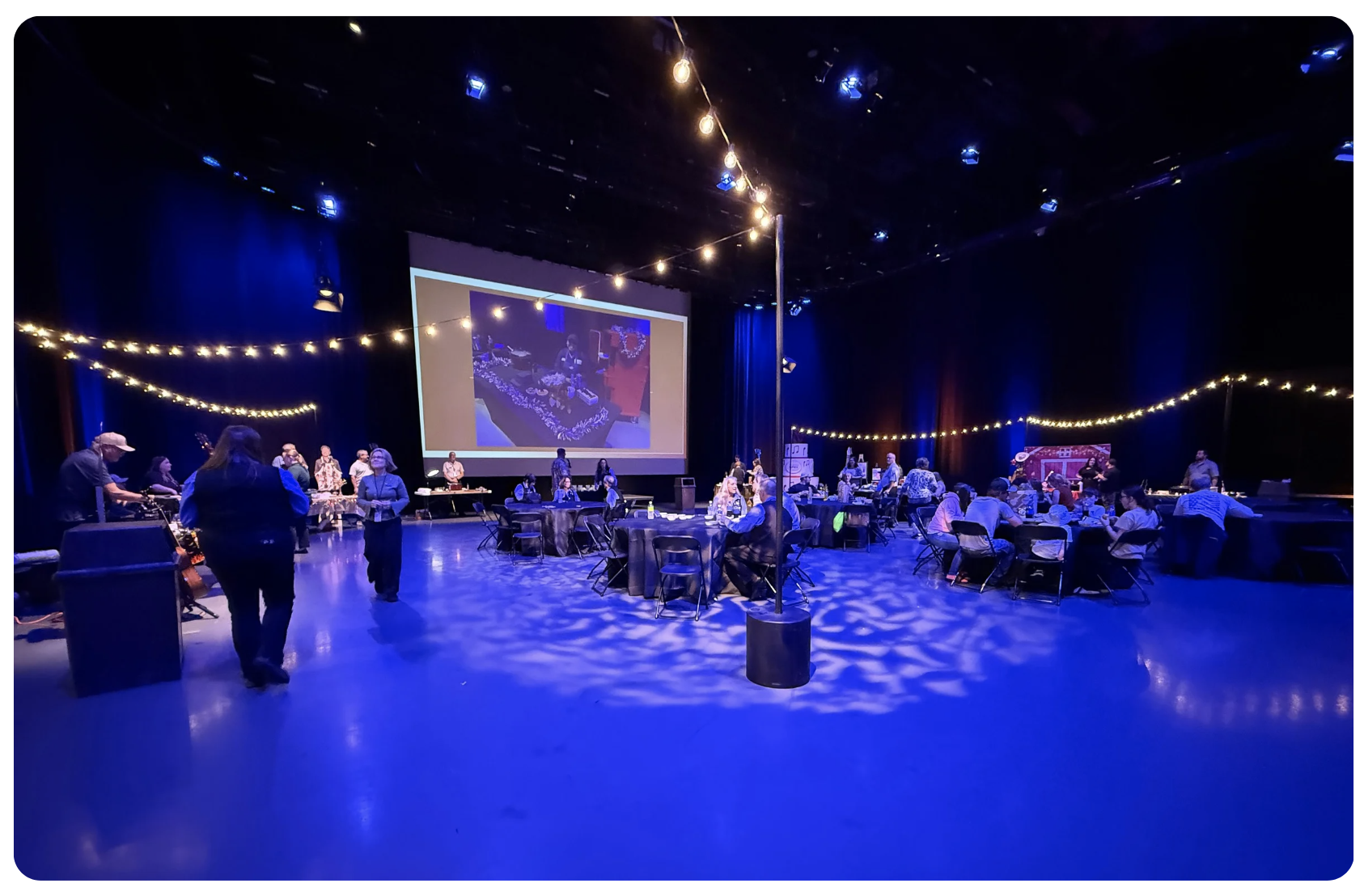
The event’s atmosphere was defined by high-spirited competition. Employees presented a wide array of chili recipes, from traditional savory stews to experimental spicy blends. The creativity extended beyond the culinary, as staff members decorated their booths with elaborate themes. Notable displays included a miniature to-scale replica of the Opry stage and a life-size cardboard tribute to country music legend Dolly Parton. This level of engagement underscores a growing trend in corporate social responsibility, where heritage brands utilize internal team-building events to drive external social impact.
Chronology of the Event and VIP Experience
The day was structured to provide a comprehensive "star treatment" experience for the invited families and ambassadors. The event followed a meticulous schedule designed to honor the young patients and their families while maintaining the competitive integrity of the cook-off.
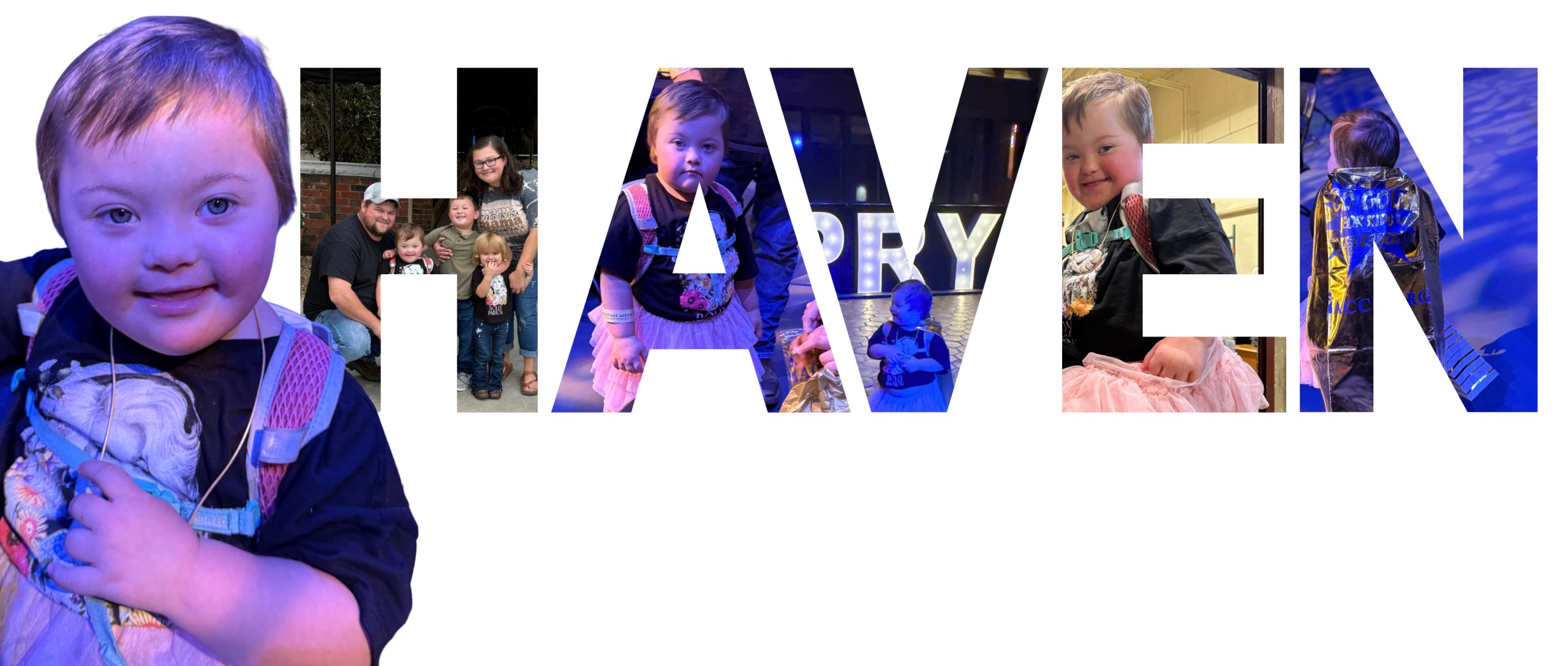
The proceedings began with the arrival of the guest families through the exclusive "Artist Entrance," the same threshold crossed by Country Music Hall of Fame members. Upon entry, the families were greeted by Opry and ACCO staff before being escorted to the main event area. Two reserved tables, personalized for the young ambassadors Haven and Waylon, featured gift bags curated by both organizations.
Following the tasting and lunch portion of the day, the families were led on a private, behind-the-scenes tour of the Grand Ole Opry House. This excursion included access to the dressing rooms, the backstage production areas, and the opportunity to stand on the world-famous stage. For children undergoing rigorous medical treatments, these moments of "radical normalcy" and extraordinary access provide significant psychological relief and positive memory-making opportunities.
The evening culminated in the official Opry broadcast. During the show, which reaches a global audience via radio and digital streaming, the American Childhood Cancer Organization was recognized as the official beneficiary of the fundraiser. This public acknowledgment served as a powerful tool for national awareness, highlighting the ACCO’s mission to provide resources for the more than 500,000 families they have supported over the last five decades.
The Adjudication Process
The judging panel reflected the intersection of advocacy, music, and personal experience. Blair Scroggs represented the ACCO, providing the perspective of the national organization. She was joined by Dawson, the father of Haven, one of the young cancer fighters in attendance. The final "celebrity" judge was Eddie Bayers, a renowned Opry Band member and Country Music Hall of Fame drummer.
The presence of Bayers and Scroggs ensured that the event maintained its high-profile status, while Dawson’s involvement grounded the competition in its primary purpose: supporting the families who navigate the complexities of a pediatric cancer diagnosis every day.
Profiles in Courage: The Young Ambassadors
The event centered on the stories of three children—Haven, Waylon, and Katniss—whose experiences illustrate the diverse challenges of pediatric oncology.
Haven’s Journey
Haven, a four-year-old diagnosed with B-cell Acute Lymphoblastic Leukemia (ALL) in March 2025, faced a particularly complex medical path. Her diagnosis, occurring just a week before her fourth birthday, was complicated by Down syndrome, which can heighten certain treatment risks. After an initial three-week hospitalization and port placement surgery, Haven has recently achieved her first month of remission. Her resilience is noted by her medical team and family, as she continues to approach her upcoming treatment phases with a signature playful spirit.
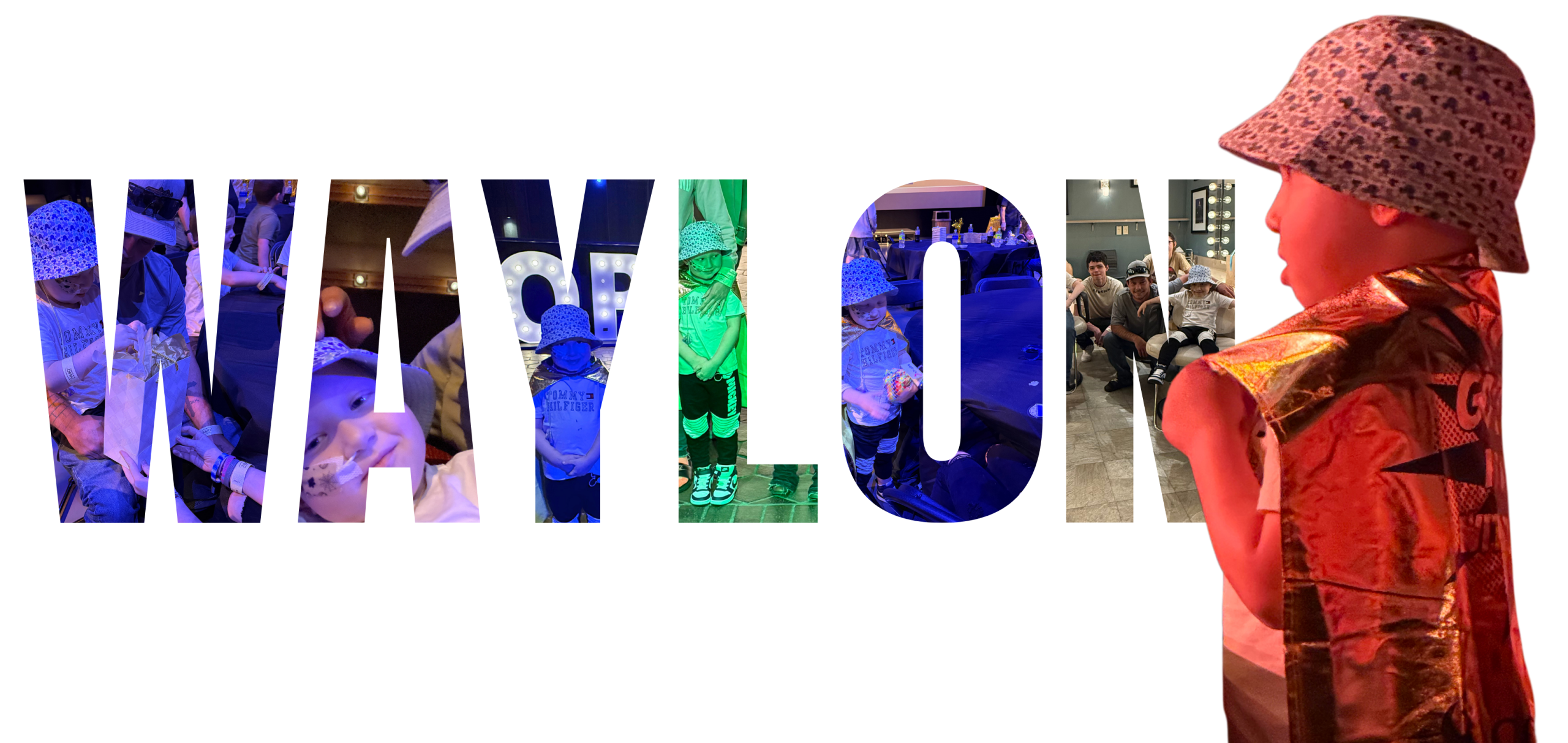
Waylon’s Battle
Five-year-old Waylon was diagnosed in April 2025 with large cell/anaplastic medulloblastoma and low-grade glioma (Grade 4, Stage M2). His symptoms, which included persistent headaches and balance issues, led to a diagnosis that required two brain surgeries, 37 rounds of chemotherapy, and full radiation treatment. Waylon’s story highlights the intensive nature of neurological cancer treatments in children and the necessity of specialized pediatric care.
Katniss’s Legacy
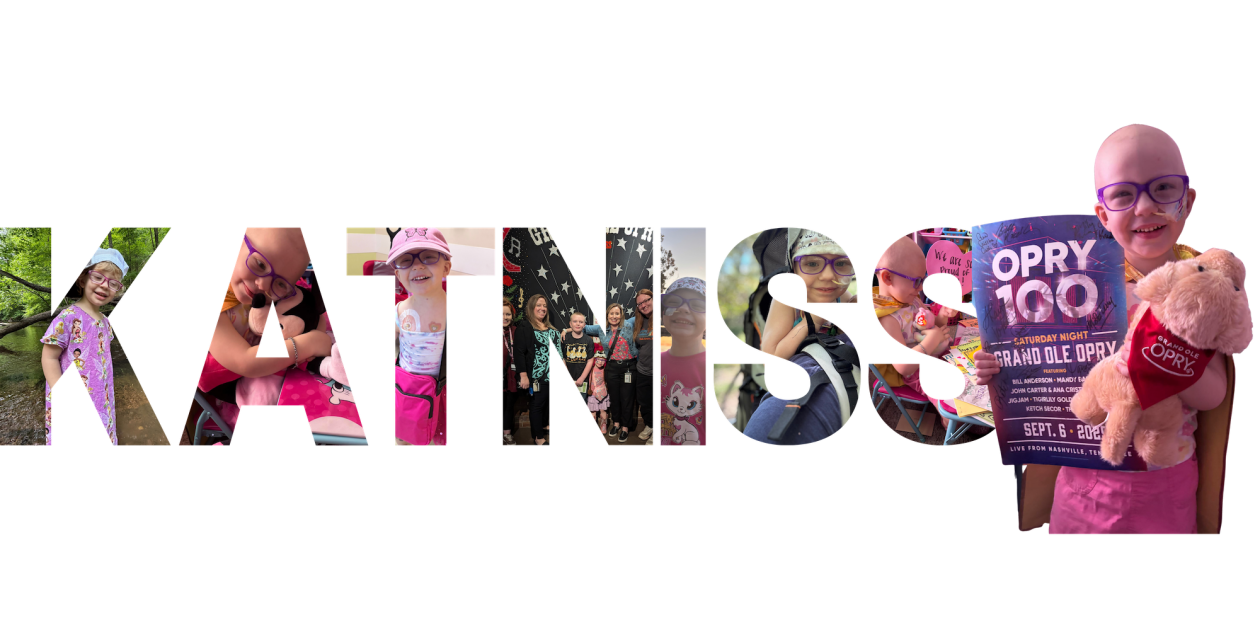
The story of Katniss offers a unique look at the generational impact of the disease. Her mother, Katherine, is herself a childhood leukemia survivor. When Katniss was diagnosed with leukemia in June 2025 following a strep infection and subsequent anemia, the family faced the emotional weight of a recurring battle. Katniss is currently embarking on a two-and-a-half-year treatment plan involving chemotherapy and regular bone marrow biopsies.
Supporting Data and the Landscape of Childhood Cancer
The funds raised during the Opry event are directed toward the ACCO’s various programs. As the nation’s oldest and largest grassroots childhood cancer organization, the ACCO operates on a model that prioritizes both national advocacy and local support.
According to data cited by the ACCO, childhood cancer remains the leading cause of death by disease for children in the United States. Despite this, pediatric cancer research historically receives a disproportionately small percentage of federal funding compared to adult cancers. This disparity places a significant burden on private organizations and corporate partners to fill the gap in funding for both research and family-centered resources, such as "comfort kits" and educational materials designed to help siblings and parents navigate the diagnostic process.
Regional Advocacy: The Tennessee License Plate Initiative
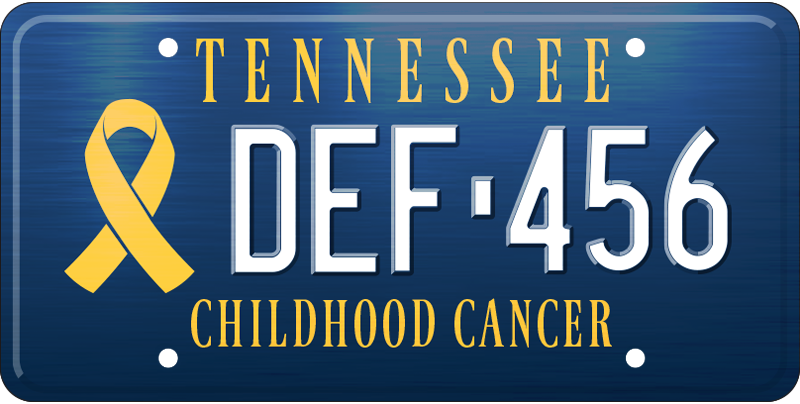
A specific point of focus during the event was the ongoing legislative and awareness campaign in Tennessee regarding specialized license plates. Residents of the state are being encouraged to register for a dedicated childhood cancer awareness license plate.
Under Tennessee state regulations, such specialty plates require a minimum of 1,000 registrants before they can move into formal production. The deadline for this registration is June 30, 2025. This initiative represents a sustainable, long-term fundraising and awareness mechanism, as a portion of the annual fees for these plates is typically directed back to the sponsoring organization to fund state-specific programs.
Analysis of Corporate and Community Impact
The partnership between the Grand Ole Opry and the ACCO serves as a blueprint for effective community engagement. For the Opry, the event enhances employee morale by providing a meaningful outlet for team-building. For the ACCO, the partnership provides access to a massive, loyal audience that may not otherwise be reached through traditional medical or non-profit channels.
Furthermore, the involvement of the Opry as a "Corporate Partner" aligns with broader industry trends where major entertainment venues are increasingly expected to act as community anchors. By hosting the families and integrating the ACCO’s mission into its broadcast, the Opry utilizes its cultural capital to normalize the conversation around childhood cancer, reducing the isolation often felt by affected families.
Future Outlook
The Grand Ole Opry has confirmed that the Employee Chili Cook-Off will remain an annual tradition, with plans already underway for an expanded event in 2025. Organizers aim to increase the fundraising targets and potentially involve the public in larger capacities, further cementing the relationship between the "Home of American Music" and the fight against pediatric cancer.
The success of the third annual cook-off demonstrates that even traditional institutions can find innovative ways to contribute to public health crises. As Haven, Waylon, and Katniss continue their respective treatments, the support garnered from the Nashville community provides a vital reminder of the power of collective action in the face of daunting medical challenges. Through flavor, competition, and a shared commitment to the next generation, the Grand Ole Opry and the ACCO are ensuring that no family faces the journey of childhood cancer alone.
