
 By admin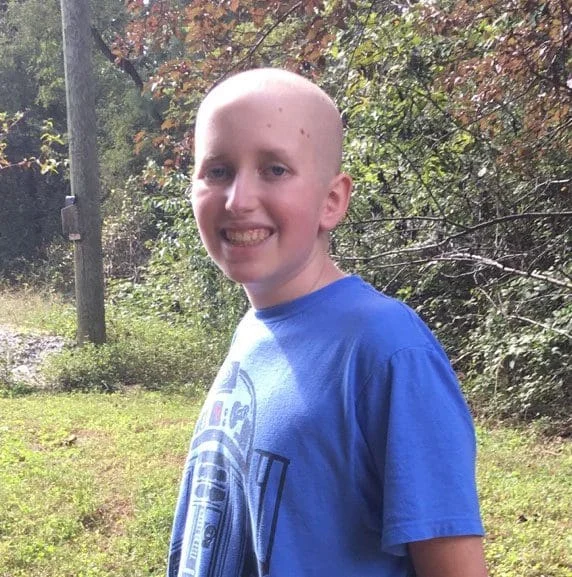
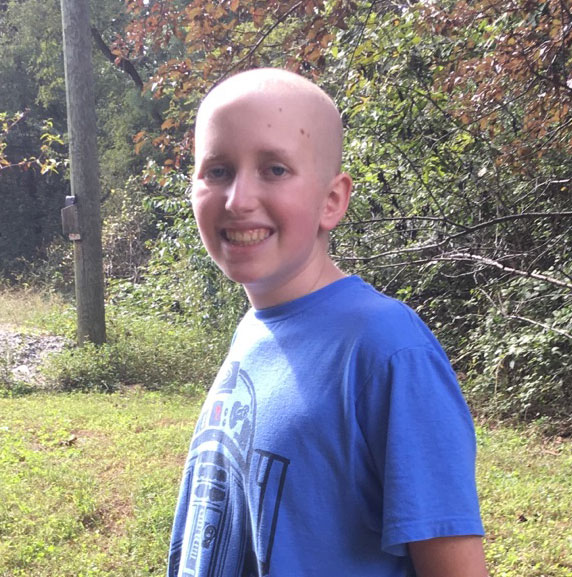
The devastating trajectory of pediatric Acute Myeloid Leukemia (AML) has been brought into sharp focus by the story of Luke Getchell, a 14-year-old whose battle with the disease underscores a critical need for more effective and less toxic therapeutic interventions. Diagnosed in July 2018 at the age of 13, Getchell’s medical journey highlights the aggressive nature of AML when coupled with specific genetic mutations, specifically the FLT3-ITD alteration. Despite intensive medical intervention and brief periods of clinical improvement, the toxicity of current standard-of-care treatments and the high rate of relapse in high-risk AML cases continue to pose significant challenges to the medical community. As Childhood Cancer Awareness Month begins, advocacy groups and researchers are leveraging Getchell’s story to bridge a significant funding gap, aiming to raise $25,000 for specialized research at Mount Sinai intended to identify the origins of leukemia and develop safer treatment protocols.
The Clinical Reality of Acute Myeloid Leukemia and FLT3-ITD
Acute Myeloid Leukemia is a cancer of the blood and bone marrow characterized by the rapid overproduction of abnormal myeloblasts, which interfere with the production of normal white blood cells, red blood cells, and platelets. While AML is more common in adults, it represents approximately 20% of childhood leukemias and is notoriously more difficult to treat than Acute Lymphoblastic Leukemia (ALL).
In Luke Getchell’s case, the diagnosis was further complicated by the presence of the FLT3-ITD (fms-like tyrosine kinase 3 internal tandem duplication) mutation. This genetic alteration is a well-documented "poor-prognosis" marker in pediatric oncology. It leads to the constitutive activation of the FLT3 receptor, which signals the leukemia cells to divide uncontrollably. Patients with this mutation face a significantly higher risk of relapse and lower overall survival rates compared to those without the mutation. The medical consensus indicates that while initial remission can often be achieved through high-dose chemotherapy, the durability of that remission is frequently compromised by the aggressive nature of the FLT3-ITD-positive clones.
A Chronology of Treatment and Complications
The timeline of Luke Getchell’s illness serves as a harrowing case study in the volatility of pediatric oncology. Following his diagnosis in mid-2018, Getchell underwent a rigorous regimen of chemotherapy. For over a year, his life was defined by the walls of the hospital, where the primary objective of eradicating cancer cells was constantly hampered by the secondary effects of the treatment itself.
By early 2019, approximately six months into his treatment, Getchell and his family received a brief reprieve when clinical tests indicated no detectable signs of leukemia. This state of "minimal residual disease" (MRD) negativity is the primary goal of induction therapy, offering a window of hope for long-term survival. However, in cases of FLT3-ITD AML, the molecular architecture of the disease often allows for a rapid resurgence.
Just one week after being cleared of active cancer, Getchell’s blood counts began to fluctuate, signaling a relapse. Upon readmission, diagnostic imaging and marrow biopsies confirmed that the cancer had not only returned but had disseminated rapidly throughout his body. The subsequent months involved a transition from curative intent to palliative management as his body succumbed to a cascade of complications. These included sepsis, heart damage resulting from the cardiotoxicity of chemotherapeutic agents, a severe colon infection, and Graft-Versus-Host Disease (GVHD)—a condition where donor or immune cells attack the patient’s own tissues.
By September 2019, the medical team at VCU Health determined that further aggressive treatment would be futile and recommended hospice care. Getchell’s condition deteriorated rapidly; he lost his mobility and vision before passing away on October 20, 2019.
The Burden of Treatment Toxicity
One of the most significant takeaways from the Getchell family’s experience is the profound physical toll of modern pediatric cancer treatments. While chemotherapy is designed to kill rapidly dividing cells, it lacks the precision to distinguish between malignant cells and healthy tissue. For pediatric patients, whose organs are still developing, this toxicity can lead to lifelong health issues or, as in Luke’s case, acute organ failure and secondary infections.
The list of secondary ailments Getchell endured—ranging from eye hemorrhaging and thrush to steroid-induced diabetes caused by prednisone—reflects the "collateral damage" of current protocols. Medical experts note that the pediatric oncology field is currently at a crossroads: while survival rates for some cancers have improved, the quality of life during and after treatment remains a major concern. The "Lego-cy" display at the Children’s Wonder Tower at VCU Health, featuring Getchell’s beloved Lego models, serves as a permanent reminder of a childhood interrupted by the harsh realities of 20th-century medicine applied to 21st-century patients.
Advancing Research: The Work of Dr. Elvin Wagenblast
To address the limitations of current treatments, organizations like CureSearch are focusing on "Young Investigator" programs that prioritize innovative, less toxic therapies. A primary beneficiary of current fundraising efforts is Dr. Elvin Wagenblast at the Icahn School of Medicine at Mount Sinai.
Dr. Wagenblast’s research is centered on the "leukemogenesis" process—specifically, the earliest cellular mutations that transform a healthy blood cell into a leukemic one. By using CRISPR-Cas9 genome editing technology, his team can model the development of childhood leukemia in human hematopoietic stem cells. The goal is to understand the "how" and "why" of the disease’s onset.
The implications of this research are twofold:
- Early Detection: Identifying the "first hits" or initial genetic mutations could lead to earlier diagnostic tools.
- Targeted Therapy: By understanding the specific pathways that drive leukemia, researchers can develop "targeted" drugs that kill cancer cells while sparing healthy tissue, thereby reducing the systemic toxicity that proved so devastating in Luke Getchell’s case.
The Funding Gap in Pediatric Oncology
Despite the severity of the issue, pediatric cancer research remains significantly underfunded compared to adult cancers. Data from the National Cancer Institute (NCI) shows that only a small fraction of the federal budget for cancer research is dedicated specifically to childhood cancers. This disparity often leaves the development of new pediatric drugs to private philanthropy and non-profit organizations.
The $25,000 goal set for this Childhood Cancer Awareness Month is part of a broader effort to provide "seed funding" for high-risk, high-reward research that might otherwise be overlooked by larger federal grants. Analysts suggest that because the "market" for pediatric drugs is smaller than that for adult cancers, pharmaceutical companies have less financial incentive to invest in childhood-specific treatments. This necessitates a community-driven approach to funding the next generation of oncology breakthroughs.
Broader Implications and Call to Action
The story of Luke Getchell is a call to action for a fundamental shift in how society approaches childhood cancer. It is no longer enough to aim for survival; the medical community must aim for "safe survival." The psychological and physical trauma described by the Getchell family—the "heartbreaking, stomach-turning reality" of watching a teenager suffer from the very medications meant to save him—is a systemic failure that can only be rectified through scientific advancement.
Luke’s interests—his love for penguins, his culinary aspirations in "Chopped" style kitchen competitions, and his "easygoing" nature—remind stakeholders that behind every clinical statistic is a child whose potential was truncated by a biological error. The "Luke’s Lego-cy" initiative at VCU Health not only honors his memory but serves as a visual representation of the many children currently hospitalized, awaiting a breakthrough.
As the month of September progresses, the focus remains on fueling the research of investigators like Dr. Wagenblast. By supporting these initiatives, donors are contributing to a future where a diagnosis of AML with FLT3-ITD is no longer a "grim prognosis," but a manageable condition treated with precision and compassion. The ultimate goal is to ensure that no other family has to witness the horrors of toxic treatment, replacing a legacy of loss with a legacy of hope and scientific triumph.
