
 By admin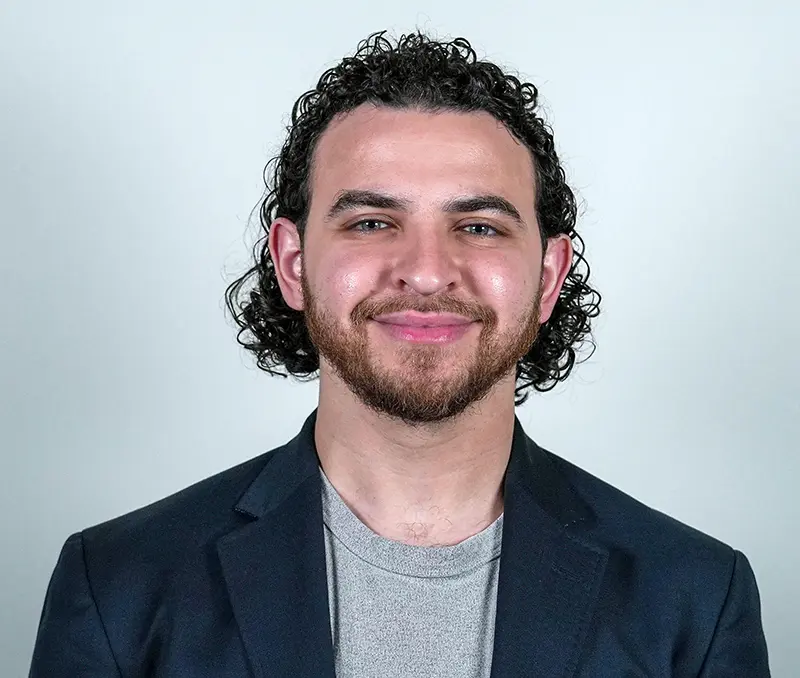
CureSearch for Children’s Cancer, a leading national non-profit organization dedicated to accelerating the development of new and safer treatments for pediatric cancer, has officially announced the appointment of Osama Alsaleh to its Board of Directors. The addition of Alsaleh, a distinguished executive with a robust background in venture capital, healthcare technology, and global health equity, signifies a strategic move by the organization to bridge the gap between clinical research and the rapidly evolving innovation ecosystem. As the current Head of Partnerships at Plug and Play Health, Alsaleh brings a unique perspective on how private investment and technological advancement can be leveraged to address the systemic underfunding and lack of representation inherent in the pediatric oncology sector.
The appointment comes at a critical juncture for CureSearch, which has increasingly focused on "venture philanthropy"—a model that applies the principles of venture capital to the charitable sector to ensure that high-potential research survives the "Valley of Death," the precarious gap between laboratory discovery and clinical application. By integrating Alsaleh’s expertise in strategic partnerships and regulatory collaboration, CureSearch aims to enhance its capacity to identify and fund the most promising therapeutic breakthroughs while navigating the complex hurdles of the pharmaceutical pipeline.
A Career Defined by Innovation and Global Health Leadership
Osama Alsaleh’s professional trajectory is marked by a consistent focus on the intersection of healthcare, technology, and social impact. Currently leading partnerships for Plug and Play Health—the healthcare arm of Plug and Play, recognized as the world’s most active venture capital firm and a premier global innovation platform—Alsaleh is at the forefront of identifying and scaling disruptive healthcare startups. His role involves fostering collaborations between established healthcare institutions, government bodies, and emerging technology companies to solve pressing global health challenges.
Prior to his tenure at Plug and Play, Alsaleh held several pivotal roles at Oracle Health (formerly Cerner). Most notably, he spearheaded the creation of the Oracle Health Equity team. In this capacity, he was responsible for developing transformative strategies aimed at addressing the social determinants of health (SDOH), improving healthcare accessibility, and ensuring that technological advancements benefit underserved populations. His work at Oracle also involved significant financial stewardship; as a member of the Oracle Charitable Foundation Clinical Decision Committee, he contributed to the evaluation and distribution of more than $42 million in healthcare grants. This experience in grant allocation provides him with a profound understanding of the philanthropic landscape, a skill set that will be invaluable to the CureSearch Board.
Alsaleh’s influence extends into the public sector and international policy. He has advised on quality reporting measures and collaborated with high-level governmental initiatives, including the White House Covid-19 Taskforce, the U.S. State Department, and the Centers for Medicare & Medicaid Services (CMS). His global perspective is further informed by his work with the World Bank Group and the World Health Organization (WHO), where he advocated for sustainable health solutions and the development of robust healthcare infrastructures in developing regions.
The Economic and Clinical Context of Pediatric Cancer
The inclusion of a venture capital expert like Alsaleh on the CureSearch board addresses a stark reality in the field of oncology: the pediatric market is frequently overlooked by traditional pharmaceutical developers. While cancer remains the leading cause of death by disease for children in the United States, the development of new pediatric drugs has historically lagged far behind adult oncology.
According to data from the National Cancer Institute (NCI), only about 4% of federal funding for cancer research is specifically allocated to pediatric cancers. Furthermore, since 1980, fewer than 40 new drugs have been FDA-approved specifically for use in children with cancer, compared to hundreds of approvals for adult cancers. The primary driver of this disparity is economic; because pediatric cancers are considered "rare diseases" by regulatory standards, the smaller patient population offers a lower return on investment for large pharmaceutical companies.
CureSearch’s strategy is designed to counteract this market failure by funding "translational" research—studies that have moved past the basic science stage but require additional data to attract commercial interest. Alsaleh’s background in venture capital is expected to help CureSearch refine this model. By viewing pediatric research through the lens of an investor, the organization can better prepare its grantees for eventual licensing or partnership with the private sector, ensuring that promising drugs do not stall in the lab due to a lack of business strategy.
Strategic Objectives and the "Valley of Death"
In his first official statement regarding the appointment, Alsaleh highlighted the disparity between mainstream innovation and pediatric needs. "Throughout my work, I have consistently observed that innovations focused on pediatrics, particularly pediatric oncology, remain significantly underfunded and underrepresented within mainstream venture capital and innovation ecosystems," Alsaleh stated. He emphasized his intention to use his extensive network of startups, healthcare institutions, and technology firms to "attract new technologies, strategic partners, and resources" to the cause.
The "Valley of Death" remains the greatest obstacle in pediatric drug development. This refers to the phase where a drug has shown promise in the lab but requires expensive, large-scale clinical trials to prove safety and efficacy. For pediatric drugs, this phase is particularly difficult because the clinical trial protocols for children are more complex and the recruitment pool is smaller.
Jared Brancazio, Chair of the CureSearch Board of Directors, noted that Alsaleh’s ability to connect innovation with investment is exactly what the organization needs to navigate these challenges. "Osama brings a unique and highly valuable perspective to CureSearch," Brancazio said. "His ability to connect innovation, investment, and healthcare will help expand our reach and unlock new opportunities to advance critical research for children with cancer."
Chronology of Organizational Growth and Board Evolution
The appointment of Alsaleh is part of a broader evolution for CureSearch. Founded with the mission to end childhood cancer, the organization has shifted its focus over the last decade toward a more results-oriented, business-informed approach to philanthropy.
- 2010s: CureSearch began prioritizing translational research, moving away from broad-spectrum laboratory funding to focus on specific projects with a clear path to clinical trials.
- 2017-2021: The organization intensified its efforts to engage with the biotechnology industry, recognizing that philanthropic dollars alone cannot bring a drug to market.
- 2022-2023: CureSearch expanded its Board of Directors to include leaders from diverse sectors, including finance, legal, and tech, to provide the multi-disciplinary oversight required for modern medical research.
- 2024: The appointment of Osama Alsaleh signifies the latest step in this strategy, specifically targeting the integration of venture capital networks and health equity principles into the organization’s core mission.
Analysis of Implications: A New Era for Pediatric Philanthropy
The addition of a figure like Alsaleh suggests several shifts in how CureSearch—and perhaps the broader pediatric non-profit sector—will operate in the coming years.
First, there is a likely move toward increased data integration. With Alsaleh’s background at Oracle Health and Cerner, he is well-positioned to help CureSearch leverage big data and artificial intelligence in identifying research trends and potential therapeutic targets. The use of real-world evidence (RWE) and advanced analytics is becoming standard in adult oncology; bringing these tools to pediatric research could significantly shorten development timelines.
Second, the focus on Health Equity will likely become a cornerstone of CureSearch’s grant-making process. Alsaleh’s previous work in addressing social determinants of health suggests that the organization will look more closely at how research and treatments can be made accessible to diverse populations, ensuring that advancements in pediatric care are not limited to those at elite medical institutions.
Third, there is the potential for Cross-Sector Partnerships. Through Plug and Play Health, Alsaleh has access to hundreds of health-tech startups. These startups often possess novel delivery mechanisms or diagnostic tools that could be repurposed for pediatric oncology. By facilitating "tech transfer" between the startup world and academic research, Alsaleh could help CureSearch find cost-effective solutions to long-standing clinical problems.
Conclusion and Future Outlook
The welcoming of Osama Alsaleh to the CureSearch Board of Directors reflects a sophisticated understanding of the current healthcare landscape. As the organization continues to push for breakthroughs in a field that is both scientifically challenging and economically underserved, the infusion of venture capital expertise and technological insight is more than a leadership change—it is a strategic imperative.
By bridging the gap between the altruism of philanthropy and the efficiency of the innovation sector, CureSearch is positioning itself to lead the next generation of pediatric cancer advocacy. The organization remains committed to the belief that every child deserves a future, and with the strategic guidance of leaders like Alsaleh, that future may be closer than ever before. As the healthcare community watches this partnership unfold, the hope is that the "CureSearch model" will serve as a blueprint for other rare disease organizations seeking to drive meaningful progress in an increasingly complex global market.
