
 By admin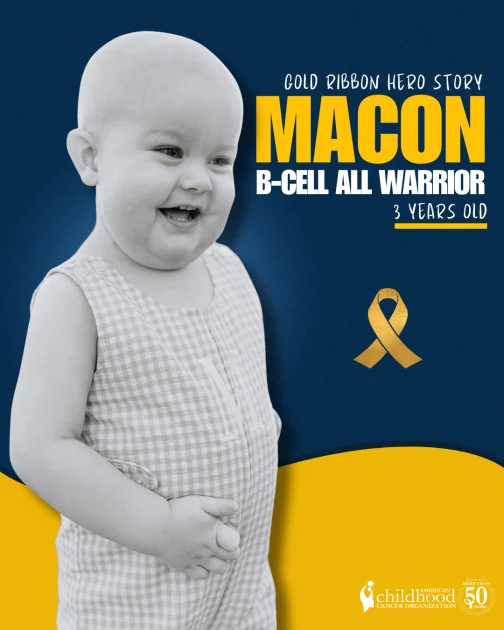
The Path to Diagnosis: From Routine Checkup to Emergency Care
In the field of pediatric medicine, the "well-child" visit serves as a critical safeguard for early detection of underlying conditions that may not present with outward symptoms. In Macon’s case, he appeared to be a perfectly healthy toddler, exhibiting no signs of lethargy, bruising, or frequent infections—common indicators often associated with hematologic malignancies. However, the laboratory results from his blood work indicated an extremely high white blood cell count, a clinical red flag known as leukocytosis.
Leukocytosis in pediatric patients can sometimes be attributed to common infections, but the specific elevation levels observed by Macon’s pediatrician necessitated immediate hospitalization for further diagnostic clarity. "In a matter of hours, our entire lives changed," stated Madeline, Macon’s mother. The family was directed to the emergency room, where exhaustive testing, including specialized blood panels and imaging, confirmed the presence of leukemia. The diagnosis of B-Cell Acute Lymphoblastic Leukemia was met with shock and disbelief by his parents, primarily because of the asymptomatic nature of his condition prior to the screening.
Clinical Overview: Understanding B-Cell Acute Lymphoblastic Leukemia
B-Cell Acute Lymphoblastic Leukemia is a type of cancer of the blood and bone marrow. It is the most common form of cancer diagnosed in children, affecting the B-lymphocytes—white blood cells that normally function to fight infection. In a patient with ALL, the bone marrow creates an abundance of immature white blood cells, known as lymphoblasts, which crowd out healthy red blood cells, white blood cells, and platelets.
According to data from the American Cancer Society, while ALL is a serious diagnosis, advancements in pediatric oncology have significantly improved the prognosis for young patients. The five-year survival rate for children with ALL has risen to approximately 90%. However, the treatment required to achieve and maintain remission is intensive, often spanning several years and involving multiple phases of chemotherapy and invasive monitoring.
Chronology of Treatment and Medical Complications
Macon’s journey through the healthcare system began immediately following his diagnosis. The standard protocol for pediatric ALL typically involves several distinct phases: induction, consolidation (or intensification), and maintenance.
The induction phase is designed to kill the leukemia cells in the blood and bone marrow to put the disease into remission. For Macon, this process was complicated by a secondary medical crisis. To facilitate the delivery of chemotherapy, a port-a-cath—a small medical device installed under the skin—was placed. However, Macon developed a serious staph infection in his bloodstream, a common but dangerous risk for immunocompromised oncology patients. This required the removal and subsequent replacement of the port once the infection was cleared.
Throughout the first year of his treatment, Macon underwent a rigorous schedule of procedures, including:
- Chemotherapy: Administered intravenously and orally to eradicate cancer cells.
- Lumbar Punctures: Also known as spinal taps, these procedures are performed every six weeks to check for the presence of leukemia cells in the cerebrospinal fluid and to administer intrathecal chemotherapy directly into the central nervous system.
- Bone Marrow Biopsies: Frequent extractions of marrow from the pelvic bone to monitor the concentration of leukemia cells and ensure the treatment is effectively suppressing the disease.
Current Status and the Roadmap to Recovery
As of the current reporting period, Macon has successfully completed his first full year of leukemia treatment. According to medical updates provided by his family, his weekly blood work continues to show no circulating leukemia cells, indicating that the current therapeutic regimen is performing as expected.
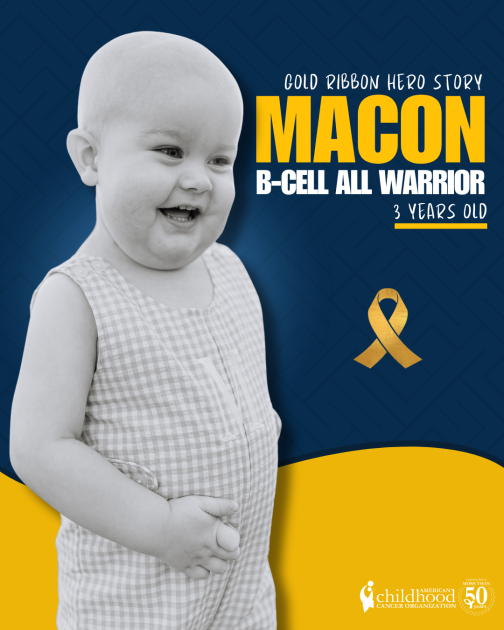
Macon is currently in the long-term chemotherapy phase, which is essential for preventing a relapse. This phase is less intensive than the initial induction period but requires a sustained commitment to medication and monitoring. His mother, Madeline, reports that Macon has handled the rigors of chemotherapy with remarkable fortitude. Despite the physical toll of the treatment, he remains a playful and active child who enjoys outdoor activities, playing with his sister, and engaging with his family.
The projected timeline for Macon’s treatment spans a total of two and a half years. If his progress remains on the current trajectory, he is expected to complete his final round of therapy and participate in the symbolic "ringing of the bell"—a ceremony marking the end of cancer treatment—in May 2027.
Supporting Data: The Landscape of Childhood Cancer
Macon’s case highlights the broader statistical realities of childhood cancer in the United States. The National Cancer Institute (NCI) notes that while pediatric cancer is rare compared to adult cancer, it remains the leading cause of death by disease among children past infancy.
Key statistics regarding pediatric ALL include:
- Incidence: Approximately 3,000 to 3,500 new cases of pediatric ALL are diagnosed annually in the U.S.
- Age Factors: The peak incidence of ALL occurs in children between the ages of 2 and 5, placing Macon exactly within the most common demographic for the disease.
- Treatment Duration: Unlike many adult cancers where treatment may last months, pediatric ALL protocols almost always last between 2 and 3 years to ensure the total eradication of resilient cancer cells.
The financial and emotional burden on families is also a significant factor. Organizations like the American Childhood Cancer Organization (ACCO) emphasize that the "hidden costs" of cancer—travel for treatment, lost wages for parents, and the psychological impact on siblings—create a complex environment that requires robust community and institutional support.
Official Responses and Advocacy
The American Childhood Cancer Organization has utilized Macon’s story to emphasize the necessity of continued research and funding for pediatric-specific treatments. Advocacy groups argue that while survival rates are high, the long-term side effects of current chemotherapy protocols—which were often originally designed for adults—can lead to secondary health issues later in life for childhood survivors.
"Together, we can make a difference," the ACCO stated in a public release regarding Macon’s progress. The organization stresses that "kids can’t fight cancer alone," highlighting the collaborative effort required between medical professionals, researchers, and donors to improve outcomes and develop less toxic treatment alternatives.
Madeline’s testimony serves as a reminder of the importance of the initial pediatric screening. The fact that Macon was asymptomatic at the time of his checkup underscores the vital role of routine blood work. Without that finger-prick test, the leukemia could have progressed to a much more advanced and difficult-to-treat stage before presenting physical symptoms.
Broader Implications and Analysis
The case of Macon illustrates a triumph of modern diagnostic medicine and the efficacy of current pediatric oncology protocols. However, it also serves as a case study for the systemic challenges within the healthcare landscape.
The successful management of Macon’s staph infection and his subsequent response to chemotherapy demonstrate the high level of specialized care available in modern pediatric oncology wards. Yet, the necessity of two and a half years of chemotherapy for a toddler raises questions about the pace of innovation in targeted therapies. Researchers are currently looking into immunotherapy and CAR T-cell therapy as potential future standards that may one day reduce the reliance on traditional chemotherapy for B-Cell ALL, potentially shortening treatment windows and reducing side effects.
Furthermore, Macon’s story reinforces the necessity of parental vigilance and the adherence to well-child visit schedules. In an era where healthcare access can vary, the "routine" checkup remains the most effective tool for identifying life-threatening conditions in children who otherwise appear healthy.
As Macon continues his journey toward May 2027, his status as a "warrior" is not merely a title of endearment but a reflection of the clinical and physical battle he undergoes every six weeks during lumbar punctures and daily during his chemotherapy cycles. His progress remains a beacon of hope for other families entering the daunting world of pediatric oncology, proving that with early detection and rigorous medical intervention, the path from a devastating diagnosis to a "bell-ringing" conclusion is possible.
