
 By Nana O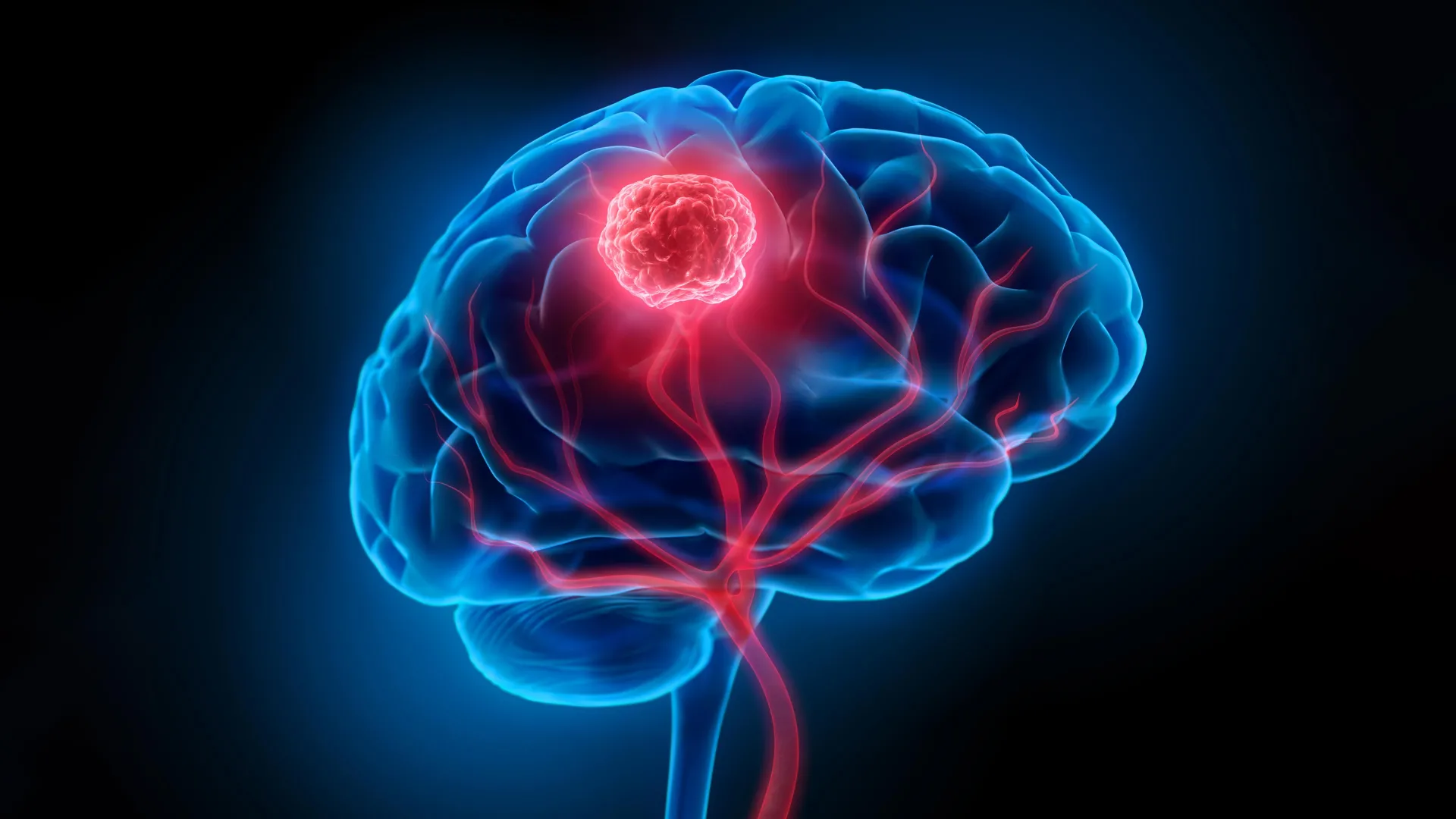
The landscape of adult brain cancer is dominated by IDH-mutant glioma, a formidable foe that disproportionately affects individuals under the age of 50. Its tenacious nature, characterized by a high propensity for recurrence even after aggressive therapeutic interventions, has long presented a significant challenge to oncologists and researchers alike. For decades, the prevailing strategy in managing this malignancy has been to surgically excise the visible tumor mass identified through advanced imaging techniques. However, groundbreaking research emerging from South Korea is poised to revolutionize this understanding, suggesting that this conventional approach may be overlooking the insidious beginnings of the disease – a hidden, early phase where normal-looking brain cells acquire the critical IDH mutation and begin their silent spread long before a discernible tumor forms.
This paradigm-shifting discovery, published on January 8th in the prestigious journal Science, offers profound implications for the future of early detection, treatment, and the prevention of recurrence in IDH-mutant glioma. The research, a collaborative effort spearheaded by Professor Jeong Ho Lee of the Graduate School of Medical Science and Engineering at KAIST (Korea Advanced Institute of Science and Technology) and Professor Seok-Gu Kang of Yonsei University Severance Hospital, has meticulously traced the cellular origins of these aggressive brain tumors back to Glial Progenitor Cells (GPCs) residing within seemingly healthy brain tissue.
Tracing the Genesis: From Healthy Cells to Malignant Transformation
The journey to this pivotal discovery began with a meticulous examination of tumor samples obtained during extensive surgical resections. Crucially, the research team did not confine their analysis to the cancerous tissue alone. Instead, they extended their investigation to adjacent brain regions that, to the naked eye and even standard imaging, appeared entirely normal. It was within these unassuming areas that the researchers encountered a startling revelation: cells already harbored the characteristic IDH mutation. This finding strongly suggests that the initial genetic insult occurs in cells that have not yet undergone overt malignant transformation, laying the groundwork for a long, clandestine period of disease development.
The implications of this are far-reaching. It challenges the long-held assumption that brain tumors arise abruptly from a singular event or within a pre-defined cancerous niche. Instead, the research paints a picture of a gradual, insidious process, where genetic alterations in normal brain cells can initiate a cascade of events that, over years, culminates in the formation of a detectable tumor mass. This protracted developmental timeline could be a key factor contributing to the observed recalcitrance of IDH-mutant gliomas to conventional therapies, as residual mutated cells, invisible to current diagnostic tools, may persist and fuel future tumor growth.
To definitively identify these early-stage mutated cells, the research team employed "spatial transcriptomics." This cutting-edge technology offers an unprecedented ability to simultaneously map gene expression patterns within specific spatial locations of a tissue sample. By analyzing which genes were active and where, the researchers were able to confirm that the mutation-bearing cells were indeed Glial Progenitor Cells (GPCs) – a type of cell normally found in the cerebral cortex, possessing the capacity to differentiate into various glial cells that support and protect neurons. When these GPCs acquire critical genetic mutations, such as the IDH alteration, they can embark on a path toward uncontrolled proliferation and tumor formation.
Further bolstering their findings, the scientists successfully replicated key aspects of brain tumor development in animal models. By introducing the identical genetic "driver mutation" identified in human IDH-mutant glioma patients into the GPCs of mice, they were able to recapitulate crucial stages of tumor initiation and progression. This experimental validation provides robust evidence for the causal role of GPC mutation in the genesis of this specific brain cancer subtype.
A Divergent Path: Understanding the Nuances of Brain Cancer Development
This latest research builds upon a significant prior discovery by the same research group. In a landmark study published in Nature in 2018, Professor Lee and his colleagues identified the cellular origin of IDH wildtype glioblastoma, another highly aggressive form of brain cancer. Their earlier work revealed that these tumors arise from neural stem cells located in the subventricular zone, a region known for its role in generating new brain cells in the adult brain.
The new findings underscore a critical point: while both IDH wildtype glioblastoma and IDH-mutant glioma are classified as malignant brain tumors, they originate from distinct cell types and initiate their development in different anatomical locations within the brain. This distinction is not merely academic; it highlights the inherent biological diversity of brain cancers and emphasizes that each subtype may follow unique developmental trajectories. Understanding these divergent paths is crucial for developing targeted and effective therapeutic strategies tailored to the specific molecular and cellular underpinnings of each cancer.
Redefining the Battlefield: Implications for Early Diagnosis and Treatment
The ramifications of this research extend far beyond the laboratory, offering a tangible hope for transforming clinical practice. Professor Seok-Gu Kang articulated the profound shift in perspective this discovery necessitates: "Brain tumors may not start exactly where the tumor mass is visible. A targeted approach focused on the origin cells and the site of origin according to the brain tumor subtype will serve as a crucial clue to changing the paradigm of early diagnosis and recurrence suppression treatment."
This new understanding suggests that the focus of therapeutic intervention may need to expand beyond the visible tumor mass. By identifying and targeting the earliest mutated cells – the "seeds" of the tumor – clinicians might be able to prevent the disease from taking root or halt its progression at a far more nascent stage. This could pave the way for novel diagnostic tools capable of detecting these pre-symptomatic, mutated cells, thereby enabling interventions long before a tumor becomes clinically apparent.
The practical applications of this research are already beginning to materialize. Sovagen Co., Ltd., a faculty startup spun out of KAIST, is actively developing a novel RNA-based drug designed to inhibit the progression and recurrence of IDH-mutant malignant brain tumors. Concurrently, Severance Hospital is engaged in pioneering research aimed at developing technologies for the early detection and control of these incipient mutant cells. This initiative is being pursued through the Korea-US Innovative Result Creation R&D project, signaling a significant international collaboration to combat this devastating disease.
A Journey of Curiosity: The Spark of Discovery
The genesis of this groundbreaking research can be traced back to a fundamental question that gnawed at the lead author, Dr. Jung Won Park, a neurosurgeon and postdoctoral researcher at KAIST. "This achievement was made possible by combining KAIST’s world-class basic science research capabilities with the clinical expertise of Yonsei Severance Hospital," Dr. Park stated. "The question I kept asking while treating patients — ‘Where does this tumor originate?’ — was the starting point of this research." This testament to the synergy between fundamental scientific inquiry and clinical experience underscores the collaborative spirit that drove this significant breakthrough.
The research was generously supported by a consortium of esteemed organizations, including the Suh Kyung-bae Science Foundation, the National Research Foundation of Korea, the Ministry of Science and ICT, the Ministry of Health and Welfare, and the Korea Health Industry Development Institute (through its Physician-Scientist Training Program). These endorsements highlight the recognized importance and potential impact of this work within the scientific and medical communities.
The Broader Context: A Shifting Paradigm in Cancer Research
The discovery of the early cellular origins of IDH-mutant glioma aligns with a growing trend in cancer research: the exploration of cancer’s initiation at the cellular and molecular level. For many years, cancer research was largely focused on understanding the characteristics of established tumors and developing treatments to destroy them. However, advancements in genomics, epigenetics, and single-cell analysis have opened new avenues for investigating the very beginnings of cancer, identifying pre-malignant lesions, and understanding the complex interplay between genetic mutations and the cellular environment.
The identification of GPCs as the source of IDH-mutant glioma is particularly significant because GPCs are stem-like cells. Stem cells, by their nature, have a high capacity for self-renewal and differentiation, making them ideal candidates for initiating tumors that are both persistent and capable of evolving. Understanding the specific vulnerabilities of these mutated GPCs could lead to the development of therapies that specifically target these cells while sparing normal brain tissue, thereby minimizing side effects and improving patient outcomes.
Furthermore, the distinction between IDH-mutant and IDH wildtype glioblastoma origins highlights the importance of subtyping cancers not just by their microscopic appearance but by their underlying cellular lineage and genetic drivers. This granular approach is essential for personalized medicine, where treatments are tailored to the unique biological profile of an individual’s cancer. As research continues to unravel the complex tapestry of brain tumor heterogeneity, it becomes increasingly clear that a one-size-fits-all approach to treatment will be insufficient.
The long-term implications of this research are vast. If early detection methods can be developed to identify mutated GPCs before tumor formation, it could fundamentally alter the prognosis for patients diagnosed with IDH-mutant glioma. Instead of facing a disease that has already established a significant foothold, individuals might be identified at a stage where intervention is far more likely to be curative or to prevent the onset of overt disease altogether. This would represent a monumental shift from treating established cancer to preventing it.
The development of new RNA-based therapies, as pursued by Sovagen, also signals a promising future. RNA-based therapeutics, including mRNA vaccines and gene-silencing technologies, offer a versatile platform for targeting specific genetic mutations or cellular pathways. By precisely targeting the mutated IDH gene or the downstream effects of its alteration within GPCs, these therapies could offer a more precise and potentially less toxic alternative to traditional chemotherapy or radiation.
The collaborative nature of this research, involving both academic institutions and industry partners, is also a positive indicator for the translation of scientific discoveries into clinical realities. The seamless integration of basic science from KAIST with the clinical expertise and patient data from Yonsei University Severance Hospital exemplifies a model for future translational research in oncology. This interdisciplinary approach is crucial for tackling complex diseases like brain cancer, where insights from the laboratory bench must be rigorously validated and applied in the clinical setting.
In conclusion, the findings published in Science represent a significant leap forward in our understanding of IDH-mutant glioma. By pinpointing the origin of these tumors to normal-looking Glial Progenitor Cells in the brain’s cortex, researchers have not only shed light on why these cancers are so difficult to treat but have also illuminated new pathways for early detection and the development of more effective, targeted therapies. This discovery marks the beginning of a new era in the fight against this devastating brain cancer, offering renewed hope to patients and their families worldwide.
