
 By admin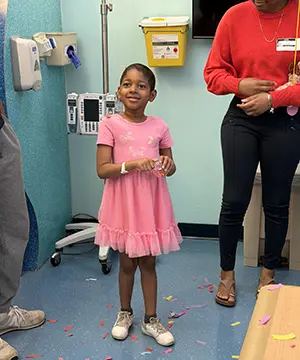
The trajectory of a family’s life can be irrevocably altered in a single evening, a reality Cora H. and her daughter Amari faced when a routine school night escalated into a medical emergency. What began with the discovery of blood in the child’s urine ended in a race to the emergency room and a subsequent diagnosis that placed the family at the center of a complex battle against pediatric cancer. Following an arduous journey involving intensive chemotherapy and high-stakes surgery, Amari has transitioned into survivorship, highlighting both the resilience of pediatric patients and the vital role of specialized oncological research.
The Clinical Presentation and Initial Diagnosis
The medical emergency began abruptly when Amari’s mother noticed hematuria—the presence of blood in the urine—a symptom that often indicates significant underlying pathology in pediatric patients. Upon arrival at the emergency department, diagnostic imaging revealed a substantial mass on Amari’s kidney. By 3:00 AM, the clinical team informed the family that a tumor had been identified, marking the beginning of a confrontation with Wilms tumor, the most common form of kidney cancer in children.
Wilms tumor, or nephroblastoma, primarily affects children between the ages of three and four. While the overall survival rate for Wilms tumor is relatively high compared to other pediatric malignancies, the specific pathology of the tumor dictates the intensity of the treatment and the long-term prognosis. In Amari’s case, the diagnosis was further complicated by the identification of anaplastic features.
Understanding Stage 3 Anaplastic Wilms Tumor
Medical professionals categorized Amari’s condition as Stage 3 anaplastic Wilms tumor. In the staging of renal tumors, Stage 3 indicates that the cancer has spread beyond the kidney to nearby lymph nodes or other structures within the abdomen, but has not yet reached distant organs like the lungs or liver. The "anaplastic" designation is a critical histological marker; it refers to the appearance of the cancer cells under a microscope. Anaplastic cells are irregular and often resistant to standard chemotherapy, making this subtype significantly more challenging to treat than "favorable histology" Wilms tumors.
The presence of anaplasia necessitates a more aggressive therapeutic intervention. For Amari, this meant a rigorous 32-week regimen of chemotherapy designed to shrink the primary tumor and address any residual cancerous cells in the abdominal cavity. The goal of the initial rounds of chemotherapy was not only to treat the systemic nature of the disease but also to facilitate a more favorable surgical outcome.
Surgical Innovation and Organ Preservation
Initially, the surgical outlook for Amari was grim, with doctors anticipating the need for a radical nephrectomy—the total removal of the left kidney. However, advancements in pediatric surgical oncology provided a narrow window of hope for a nephron-sparing approach. Following the preliminary chemotherapy, surgeons evaluated the tumor’s response and determined that a partial nephrectomy was feasible.
In a complex procedure, surgeons successfully excised the tumor while preserving approximately 60 percent of Amari’s healthy kidney tissue. This outcome is significant in pediatric oncology, as maintaining renal function is paramount for a child’s long-term health. Preserving a portion of the kidney reduces the risk of chronic kidney disease and hypertension later in life, issues that are common among survivors who have undergone total nephrectomies.
The Rigors of the Treatment Journey
Despite the surgical success, the path to recovery required a sustained commitment to clinical protocols. The 32-week chemotherapy schedule subjected Amari to the standard side effects of cytotoxic drugs, including profound exhaustion and physical vulnerability. For the family, the experience was defined by long hospital stays and the emotional weight of navigating a life-threatening illness.
Cora H. emphasized a policy of transparency throughout the process, ensuring her daughters understood the medical steps being taken. This psychological approach is often recommended by child life specialists to help pediatric patients maintain a sense of agency and reduce the trauma associated with invasive procedures. Throughout the treatment, Amari remained active in her local cheerleading program, a decision that medical experts often support as a means of maintaining normalcy and physical strength during oncology treatments.
The Symbolism of the Bell and Transition to Survivorship
A pivotal moment in the oncology journey is the "ringing of the bell," a tradition in many cancer centers that signifies the completion of active treatment. For Amari, this ceremony took place on a date of personal significance—the birthday of her late grandmother. Surrounded by a multidisciplinary team of doctors, nurses, and family members, Amari rang the bell to mark her transition from patient to survivor.
Today, Amari is reported to be thriving, engaging in age-appropriate interests such as K-pop, dancing, and cheerleading. Her story serves as a clinical and personal success, but it also underscores the ongoing needs of the survivor population. Survivorship in pediatric cancer is not merely the absence of disease; it is a lifelong phase of medical monitoring to manage potential "late effects" of chemotherapy and radiation, which can include cardiac issues, secondary cancers, and developmental delays.
The Broader Landscape of Pediatric Cancer Research
Amari’s case coincides with Cancer Survivors Month in June, a time designated to recognize the millions of individuals living with a history of cancer. While stories like Amari’s are celebratory, they also highlight a systemic disparity in medical research funding. According to the National Cancer Institute (NCI), pediatric cancer research receives only a small fraction of the total federal funding allocated for cancer research, despite the fact that cancer remains the leading cause of death by disease for children in the United States.
Data from organizations like CureSearch for Children’s Cancer indicate that the development of new pediatric-specific drugs lags significantly behind adult oncology. Many treatments used for children today were developed decades ago for adults and are often repurposed for smaller bodies, sometimes resulting in unnecessary toxicity. Amari’s successful treatment, particularly the preservation of her kidney, is a testament to the progress made in surgical techniques and targeted protocols, yet the medical community continues to advocate for more precise, less toxic therapies.
Implications for Families and the Medical Community
The psychological impact on families navigating pediatric cancer is profound. Cora H.’s message to other families—to maintain hope and prepare for the eventual "sound of the bell"—reflects the importance of psychosocial support systems. Hospitals are increasingly integrating social workers, psychologists, and patient advocates into oncology teams to address the holistic needs of the family unit.
Furthermore, the role of community support and non-profit organizations cannot be overstated. These entities often fill the gaps left by federal funding, driving the innovation necessary for clinical trials and the development of new therapeutic agents. Amari’s journey from a traumatic ER visit to a return to the cheerleading sidelines illustrates the potential for positive outcomes when medical expertise, family resilience, and dedicated research intersect.
As the medical community continues to analyze the long-term data from Wilms tumor survivors, the focus is shifting toward "de-escalation" of treatment where possible—finding ways to achieve the same high cure rates with fewer long-term side effects. Amari’s case of Stage 3 anaplastic Wilms tumor remains a reminder of why aggressive research into high-risk subtypes is essential for ensuring that every child has the opportunity to ring the bell and move toward a healthy future.
Conclusion: A Call for Continued Momentum
Amari’s story is a microcosm of the current state of pediatric oncology: a blend of sudden crisis, rigorous scientific intervention, and the triumph of the human spirit. While her survivorship is a milestone, it serves as a call to action for continued investment in pediatric-specific medical research. As June highlights the growing community of survivors, the focus remains on improving the quality of life for those who have finished treatment and expanding the possibilities for those still waiting for their turn to ring the bell. Through the advancement of surgical techniques and the refinement of chemotherapy protocols, the medical field aims to turn more diagnoses of Stage 3 anaplastic tumors into stories of long-term health and vitality.
