
 By admin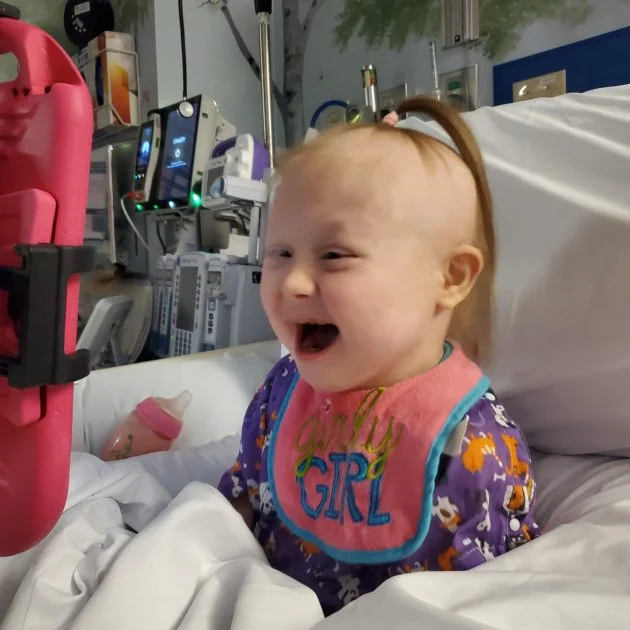
The medical journey of Lauren Kate, a nine-year-old girl from Tennessee, has become a poignant narrative of resilience as she confronts a dual diagnosis of Down syndrome and B-Cell Acute Lymphoblastic Leukemia (ALL). Diagnosed in the autumn of 2025, Lauren’s case highlights the complex intersection of genetic predispositions and pediatric oncology, shedding light on the challenges faced by families navigating the healthcare system under extraordinary circumstances. Her story is not merely one of medical statistics but a testament to the specialized care provided by regional pediatric institutions and the unwavering support of family units in the face of life-altering health crises.
The Chronology of Diagnosis and Early Symptoms
The onset of Lauren Kate’s illness was marked by subtle yet concerning shifts in her baseline health. Already recognized by her family for the strength she had exhibited since birth due to Down syndrome, Lauren began to display signs of significant physical distress in mid-September 2025. Her mother observed that the normally vibrant nine-year-old was experiencing profound lethargy, appearing uncharacteristically fatigued and withdrawn from her daily routines. The most alarming physical symptom, however, was the emergence of large, palpable masses beneath her jawline—swollen lymph nodes that indicated a systemic immune response or a more severe underlying pathology.
Acting with urgency, Lauren’s mother secured an immediate appointment with their primary care physician. Initial physical examinations confirmed the presence of lymphadenopathy, and subsequent blood work revealed a highly abnormal white blood cell count. In the context of pediatric medicine, a drastically elevated or depressed white blood cell count often serves as a primary red flag for hematologic malignancies. Recognizing the severity of the clinical presentation, the primary care provider directed the family to East Tennessee Children’s Hospital for emergency specialized evaluation.
On September 23, 2025, following a battery of intensive diagnostic tests including peripheral blood smears and preliminary imaging, the medical team delivered the definitive diagnosis: B-Cell Acute Lymphoblastic Leukemia. The news arrived as a shock to the family, transitioning them instantly from a state of concerned observation to the high-stakes environment of pediatric oncology. The diagnosis marked the beginning of an aggressive treatment protocol designed to address the proliferation of malignant lymphoblasts in Lauren’s bone marrow.
Understanding B-Cell Acute Lymphoblastic Leukemia
B-Cell Acute Lymphoblastic Leukemia is the most common form of childhood cancer, representing approximately 80% of all pediatric leukemia cases. It is characterized by the overproduction of immature white blood cells, known as lymphoblasts, which crowd out healthy red blood cells, white blood cells, and platelets. This process leads to the hallmark symptoms of the disease: anemia (causing fatigue), increased susceptibility to infections, and easy bruising or bleeding.
Medical data indicates that while ALL is a formidable diagnosis, the prognosis for pediatric patients has improved dramatically over the last several decades. Contemporary treatment protocols now yield a five-year survival rate exceeding 90% for children under the age of 15. However, the path to remission is arduous, typically spanning two to three years of multi-phase chemotherapy. For Lauren Kate, the diagnosis of B-Cell ALL requires a highly calibrated approach, as her pre-existing genetic condition introduces specific variables into her clinical management.
The Genetic Link: Down Syndrome and Leukemia Risk
The intersection of Down syndrome (Trisomy 21) and leukemia is a well-documented phenomenon in pediatric hematology. Research suggests that children with Down syndrome are approximately 20 times more likely to develop Acute Lymphoblastic Leukemia than their neurotypical peers. This increased risk is attributed to the extra copy of chromosome 21, which carries genes involved in the regulation of blood cell production and hematopoietic development.
While children with Down syndrome face a higher incidence of ALL, they also exhibit unique responses to chemotherapy. Clinical studies have shown that these patients are often more sensitive to certain chemotherapeutic agents, such as methotrexate, which can increase the risk of toxicity. Consequently, oncology teams must employ precision medicine, carefully balancing the intensity of the treatment to eradicate the leukemia while minimizing the adverse effects on the patient’s system. Lauren’s medical team at East Tennessee Children’s Hospital is tasked with navigating this delicate balance, ensuring that her treatment is both effective and tolerable.
Treatment Protocols and Clinical Interventions
Since her diagnosis, Lauren Kate has undergone an intensive regimen of clinical interventions. The standard of care for B-Cell ALL begins with the "Induction" phase, a period of high-intensity chemotherapy aimed at achieving complete remission—defined as the absence of detectable leukemia cells in the bone marrow.
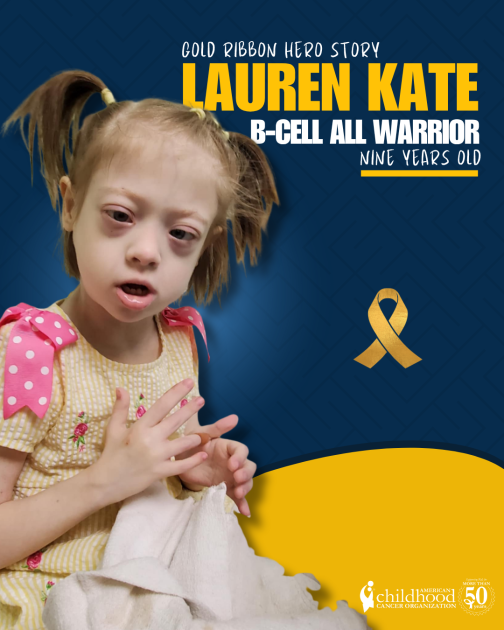
Lauren’s treatment has included several critical procedures:
- Lumbar Punctures: Also known as spinal taps, these procedures are essential for both diagnosing the spread of leukemia to the central nervous system and delivering intrathecal chemotherapy directly into the cerebrospinal fluid to prevent or treat "sanctuary sites" where systemic chemo might not reach.
- Port Insertion: To facilitate the frequent administration of intravenous medications and the drawing of blood for monitoring, a surgical port was implanted in Lauren’s chest. This device reduces the need for repeated needle sticks, providing a more stable and less traumatic access point for her long-term care.
- Bone Marrow Aspirations: These procedures allow doctors to monitor the percentage of blasts in the marrow, serving as the primary metric for determining the effectiveness of the current chemotherapy cycle.
- Systemic Chemotherapy: Lauren has received multiple rounds of chemotherapy, which involve the administration of powerful drugs designed to target and kill rapidly dividing cancer cells.
These medical milestones have necessitated numerous hospital stays, separating Lauren from the comforts of her home and her usual childhood activities. The physical toll of chemotherapy—including nausea, immunosuppression, and physical weakness—is significant, yet reports from her family indicate that Lauren continues to exhibit a resilient spirit.
The Role of Specialized Pediatric Care
The role of East Tennessee Children’s Hospital in Lauren’s journey underscores the importance of regional centers of excellence in pediatric oncology. Specialized children’s hospitals provide not only the advanced medical technology required for leukemia treatment but also a multidisciplinary support system. This includes pediatric oncologists, specialized nurses, child life specialists, and social workers who address the holistic needs of the patient and their family.
For a child like Lauren, who has Down syndrome, the integrated care model is particularly vital. Child life specialists work to explain complex medical procedures in age-appropriate and developmentally accessible ways, helping to reduce the anxiety associated with frequent hospitalizations. The presence of such specialized infrastructure is a critical factor in the successful management of pediatric cancer cases in the United States.
Psychosocial Impact and Family Support Systems
The impact of a pediatric cancer diagnosis extends far beyond the patient, affecting the entire family ecosystem. Lauren’s family, including her sister Emma, has had to adapt to a "new normal" defined by hospital schedules, medication timings, and the constant vigilance required to protect an immunocompromised child.
Statements from the family highlight the importance of maintaining a sense of normalcy and joy amidst the clinical rigor. Lauren’s interest in the television program Bubble Guppies and her bond with her sister Emma serve as vital emotional anchors. These moments of "vibrant and fun-loving" interaction provide a necessary reprieve from the stresses of oncology wards.
Organizations such as the American Childhood Cancer Organization (ACCO) play a pivotal role in supporting families like Lauren’s. By providing educational resources, advocacy, and community-building opportunities, these non-profits help bridge the gap between medical treatment and the logistical and emotional realities of living with childhood cancer. The ACCO emphasizes that "kids can’t fight cancer alone," a mantra that reflects the collaborative effort required from families, medical professionals, and the broader community.
Broader Implications and the Path Forward
Lauren Kate’s battle with B-Cell ALL is emblematic of the broader challenges and triumphs in the field of pediatric oncology. Her case illustrates the necessity for continued research into the genetic underpinnings of leukemia, particularly in populations with developmental disabilities. As genomic sequencing becomes more integrated into clinical practice, there is hope for even more personalized treatment plans that can further reduce toxicity and improve long-term outcomes.
Furthermore, Lauren’s journey highlights the ongoing need for public awareness and funding for pediatric cancer research. Despite the high success rates in treating ALL, cancer remains the leading cause of death by disease for children in the United States. Increased investment in pediatric-specific research is essential to develop therapies that are not only curative but also minimize the long-term "late effects" of chemotherapy, such as cardiac issues or secondary malignancies.
As Lauren Kate continues her treatment, her story serves as a call to action for continued support of pediatric healthcare infrastructure and research. Her bravery, combined with the expertise of her medical team and the dedication of her family, forms a powerful front against a formidable disease. The transition from the shock of a September diagnosis to the sustained endurance of active treatment represents a significant chapter in her life—one defined by the quiet strength of a nine-year-old warrior and the collective effort of those determined to see her through to recovery.
