
 By admin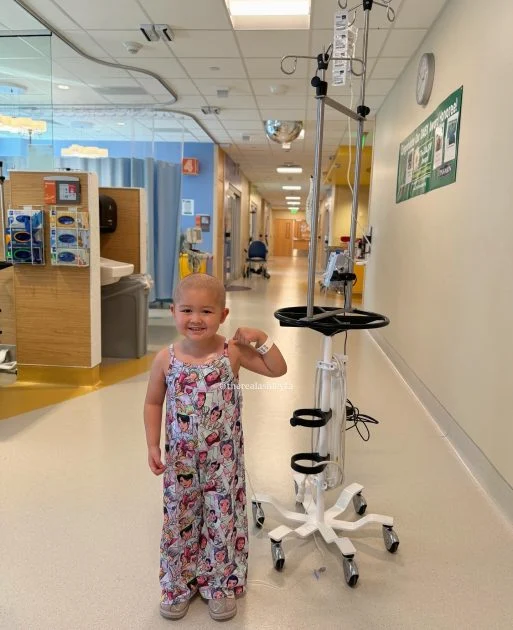
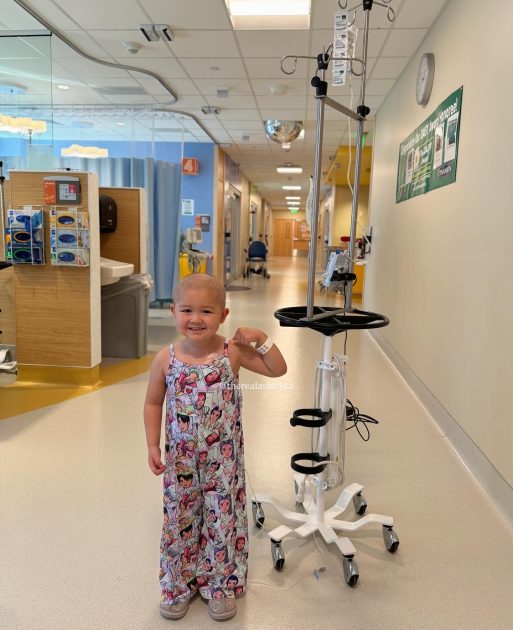
The American Childhood Cancer Organization (ACCO) has officially named four-year-old Rylee as a 2026 ACCO Ambassador, highlighting a journey that underscores the critical importance of parental advocacy and the complexities of treating pediatric Acute Lymphoblastic Leukemia (ALL). Rylee’s selection for this role follows a harrowing diagnostic period and a rigorous initial treatment phase that saw her transition from a seemingly healthy child to a patient requiring intensive oncological intervention within a matter of days. As an ambassador, Rylee represents the thousands of children diagnosed with cancer annually in the United States, serving as a face for the organization’s mission to provide resources, advocacy, and support to families navigating the life-altering reality of a pediatric cancer diagnosis.
The Diagnostic Timeline: From Symptoms to Critical Care
The onset of Rylee’s illness was characterized by a series of non-specific symptoms that initially eluded a definitive diagnosis. According to accounts provided by her mother, Ashley, the family sought medical attention multiple times as Rylee exhibited fevers, chills, body aches, a swollen eye, swollen lymph nodes, bruising, and joint pain. Despite repeated visits to urgent care facilities and emergency departments, initial assessments suggested minor ailments such as allergies or common infections. This period of diagnostic uncertainty is a documented challenge in pediatric oncology, as the early symptoms of leukemia often mimic those of routine childhood illnesses.
The situation reached a critical juncture on August 6, when Ashley, acting on parental intuition and the worsening condition of her daughter, insisted on a comprehensive blood panel. At 5:00 PM that evening, the results confirmed a diagnosis of leukemia. The timing of the diagnosis presented an additional layer of logistical and emotional hardship; Rylee’s father, Jacob, was deployed overseas with the military at the time, leaving Ashley to manage the immediate crisis in isolation. Within hours of the confirmed blood results, Rylee was transported via ambulance to a specialized pediatric facility in Denver, Colorado, to begin emergency treatment.
The first week of Rylee’s hospitalization involved a rapid succession of invasive procedures and stabilization efforts. Medical teams placed a chemo port—a device implanted under the skin to allow for the frequent administration of medication and blood draws—and conducted a bone marrow biopsy and a lumbar puncture. The latter procedure included the administration of chemotherapy directly into the spinal fluid to prevent the spread of cancer cells to the central nervous system. During this initial phase, Rylee also required three blood transfusions and two platelet transfusions to address the hematological imbalances caused by the leukemia, followed by her first two-hour chemotherapy session.
Clinical Overview of Acute Lymphoblastic Leukemia (ALL)
Acute Lymphoblastic Leukemia, the condition Rylee is currently battling, is the most common form of childhood cancer, accounting for approximately 25% of all cancer diagnoses in children under the age of 15. ALL is a type of cancer of the blood and bone marrow that affects white blood cells, specifically the lymphocytes. It is characterized by the overproduction of immature white blood cells, which crowds out healthy red blood cells, white blood cells, and platelets.
While the diagnosis is formidable, advancements in pediatric oncology have significantly improved the prognosis for children with ALL. According to data from the American Cancer Society and the National Cancer Institute, the five-year survival rate for children with ALL has risen to approximately 90%. However, the treatment regimen remains one of the most prolonged and intensive in pediatric medicine. For Rylee, while she was declared to be in remission as of early September—meaning no cancer cells were detectable in her bone marrow—her clinical journey is far from over. Her current treatment protocol is scheduled to continue through October 2027, a timeline standard for ALL to ensure that any residual, undetectable cells are eradicated and to minimize the risk of relapse.
Innovative Treatment and the Role of Immunotherapy
By October, Rylee’s treatment entered a new phase involving Blinatumomab, often referred to in clinical settings as "Blina." Blinatumomab represents a significant advancement in targeted therapy; it is a bispecific T-cell engager (BiTE) antibody that works by directing the body’s own T-cells (a type of immune cell) to target and destroy leukemia cells.
Unlike traditional chemotherapy, which is often administered in high-dose bursts, Blinatumomab is typically delivered via a continuous intravenous infusion over a period of 28 days. To maintain her quality of life and mobility during this month-long cycle, Rylee carries her medication and the associated infusion pump in a small, specialized backpack. This "superhero backpack" allows her to remain active and engage in typical childhood activities while receiving life-saving medication. The use of such therapies highlights a shift in pediatric oncology toward treatments that, while still intensive, aim to reduce long-term toxicity and allow for more outpatient management.
The Importance of Parental Advocacy in Pediatric Medicine
A central theme of Rylee’s story, and one that her mother Ashley emphasizes to the public, is the necessity of parental advocacy. In the medical community, the term "parental intuition" is increasingly recognized as a valid and vital component of the diagnostic process. Ashley’s refusal to accept initial dismissals and her demand for a blood test were the catalysts for the life-saving intervention Rylee eventually received.
Medical experts often note that parents are the most attuned to subtle changes in a child’s behavior, energy levels, and physical appearance. In cases of pediatric cancer, where early detection can influence the complexity of the initial stabilization, the "fight to be heard" can be a determining factor in clinical outcomes. Ashley’s message to other parents—to "trust your gut" even when faced with professional reassurances—serves as a cornerstone of her advocacy work as she documents Rylee’s journey on social media.
The Role of the American Childhood Cancer Organization (ACCO)
As a 2026 ACCO Ambassador, Rylee helps bring awareness to the resources available to families in similar circumstances. One such resource is the ACCO Medical Play Kit, which Rylee has utilized to process her medical experiences. Medical play is a recognized therapeutic technique used to help children understand their treatments, reduce anxiety, and gain a sense of control over their environment. By using toy medical instruments to "treat" dolls or participate in simulated procedures, children like Rylee can externalize their fears and develop a vocabulary for what they are experiencing.
The ACCO, founded in 1970, is the oldest and largest grassroots childhood cancer organization in the United States. The organization focuses on providing free resources to families, advocating for increased research funding at the federal level, and raising awareness about the unique challenges of pediatric oncology. Organizations like the ACCO fill a critical gap, as pediatric cancer research often receives a disproportionately small percentage of federal cancer research funding compared to adult cancers.
Broader Implications and Military Family Support
Rylee’s case also sheds light on the specific challenges faced by military families when a child is diagnosed with a chronic or life-threatening illness. The "Exceptional Family Member Program" (EFMP) within the U.S. military is designed to support families with special medical needs, but the sudden onset of a cancer diagnosis during a deployment creates immediate and severe strain. The logistical coordination required to bring a deployed service member home, combined with the sudden need for specialized care often found in major metropolitan areas, requires a robust support network.
The resilience shown by the Ta family reflects a broader trend among pediatric cancer families who must balance the normalcy of childhood—tea parties, bike riding, and sibling play—with the rigid demands of oncology protocols. Ashley’s documentation of their journey provides a transparent look at the "shattered" reality of a diagnosis and the subsequent rebuilding of a new, medicalized "normal."
Conclusion and Future Outlook
The road ahead for Rylee is marked by nearly three more years of treatment, a period that will include continued monitoring, potential side effects, and the ongoing challenge of maintaining a childhood in the shadow of a serious illness. However, her status as an ACCO Ambassador and her current state of remission provide a foundation of hope for her family and the wider childhood cancer community.
The story of Rylee is more than a narrative of individual illness; it is a case study in the power of persistent advocacy, the efficacy of modern immunotherapy, and the vital role of community organizations in supporting the most vulnerable patients. As she continues her treatment through 2027, Rylee’s journey will continue to serve as a reminder that behind every statistic in pediatric oncology is a child and a family fighting a battle that requires both medical excellence and unwavering emotional support. Through the continued efforts of the ACCO and the advocacy of parents like Ashley, the goal remains clear: to ensure that no child has to fight cancer alone and that every parent’s voice is heard in the pursuit of a cure.
