
 By Lina carolina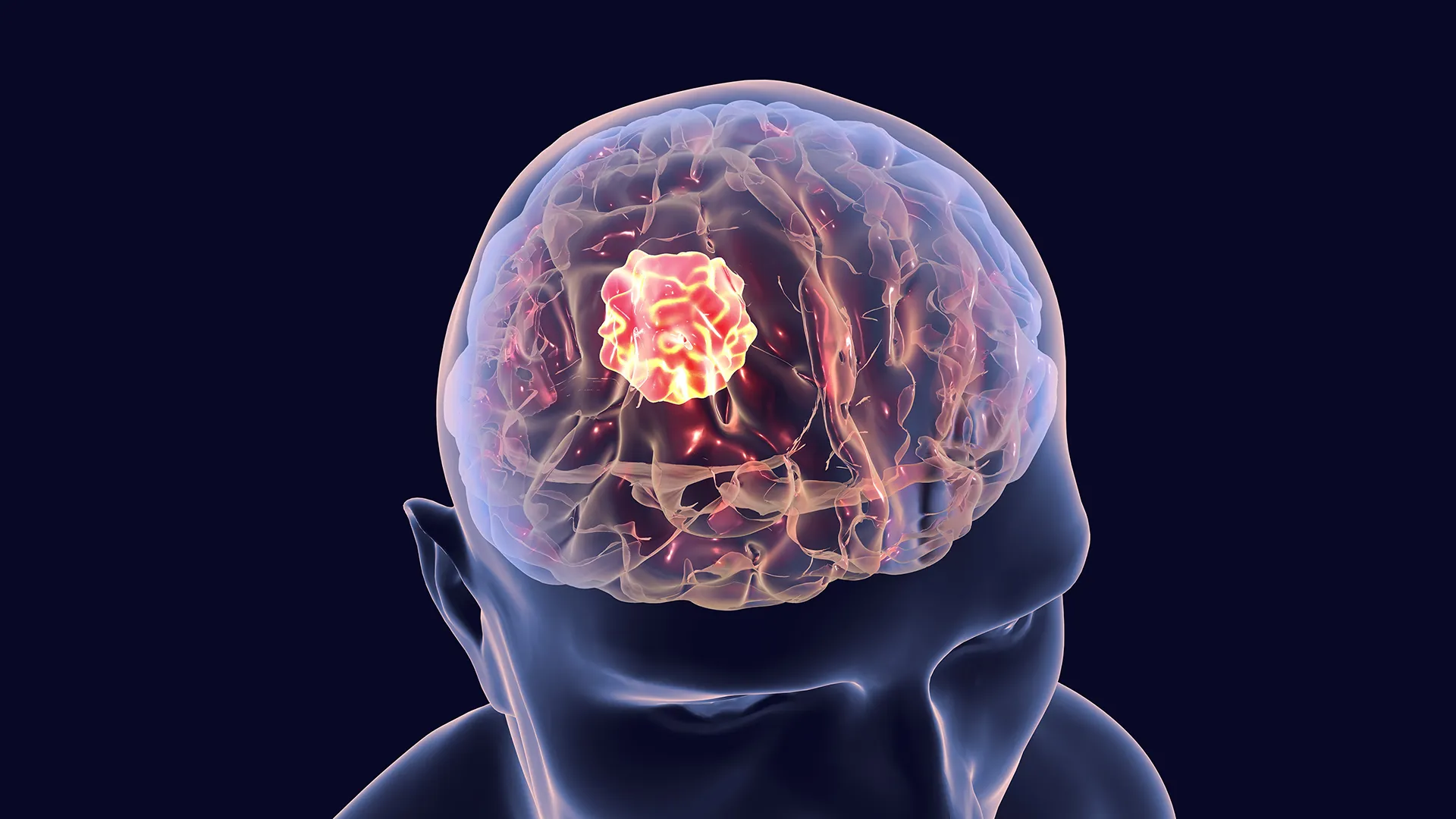
A groundbreaking study led by researchers at Keck Medicine of USC has identified a potentially transformative combination therapy for glioblastoma, an aggressive and notoriously difficult-to-treat brain tumor. This novel approach, integrating Tumor Treating Fields (TTFields) therapy with immunotherapy and chemotherapy, has demonstrated significant promise in extending survival for patients diagnosed with this devastating condition. Glioblastoma, often referred to as glioblastoma multiforme (GBM), carries a grim prognosis, with the National Brain Tumor Society reporting an average survival rate of just eight months following diagnosis. The current findings represent a beacon of hope in a field where effective treatment options have historically been scarce.
The research, published recently, indicates that the synergistic application of TTFields, a non-invasive cancer treatment, alongside the immunotherapy drug pembrolizumab and the chemotherapy agent temozolomide, can significantly improve patient outcomes. This multi-pronged attack targets the tumor’s growth mechanisms, stimulates the body’s own immune defenses, and eradicates cancer cells through conventional means, addressing the multifaceted challenge posed by glioblastoma.
Understanding Tumor Treating Fields (TTFields)
At the core of this promising combination is Tumor Treating Fields (TTFields) therapy. This innovative treatment utilizes low-intensity, alternating electric fields that are precisely delivered directly to the tumor site. The fundamental principle behind TTFields is to disrupt the rapid division of cancer cells, a hallmark of aggressive tumors like glioblastoma. By applying these electric fields, key cellular structures within tumor cells are subjected to constant directional forces, making it exceedingly difficult for them to replicate and proliferate. This interruption of tumor growth provides a crucial window of opportunity for the body’s immune system and other therapeutic agents to mount a more effective assault on the cancer.
For glioblastoma patients, TTFields are administered through a specialized device. A set of mesh electrodes is carefully positioned on the patient’s scalp, meticulously targeting the precise location and dimensions of the brain tumor. These electrodes generate electric fields at a specific frequency and intensity, ensuring that the therapeutic energy is focused where it is needed most. The treatment regimen typically requires patients to wear the electrode array for an extended period, approximately 18 hours per day, underscoring the commitment required from patients undergoing this therapy. This consistent application is believed to be vital for maintaining the disruptive effect on tumor cell division.
The Immune System’s Crucial Role
Beyond its direct anti-proliferative effects, a key finding of the Keck Medicine study is TTFields’ remarkable ability to modulate the tumor microenvironment and enhance the body’s immune response. Researchers observed that TTFields therapy actively attracts a greater number of tumor-fighting T cells – a critical type of white blood cell responsible for identifying and neutralizing cancerous cells – into and around the glioblastoma. This influx of immune cells is a significant development, as glioblastomas are known for their ability to evade immune surveillance.
Furthermore, when TTFields are followed by immunotherapy, these newly recruited T cells exhibit enhanced and prolonged activity. The study suggests that this combination not only keeps the existing T cells engaged in fighting the cancer but also prompts the generation of new, even more potent tumor-fighting T cells. This creates a self-sustaining cycle of immune attack, amplifying the body’s natural defenses against the aggressive cancer.
Dr. David Tran, MD, PhD, chief of neuro-oncology at Keck Medicine, co-director of the USC Brain Tumor Center, and the corresponding author of the study, eloquently described the synergistic effect: "By using TTFields with immunotherapy, we prime the body to mount an attack on the cancer, which enables the immunotherapy to have a meaningful effect in ways that it could not before. Our findings suggest that TTFields may be the key to unlocking the value of immunotherapy in treating glioblastoma." This statement highlights the potential of TTFields to overcome a long-standing barrier to effective immunotherapy in brain cancers.
Historical Challenges and the Need for Innovation
Glioblastoma has long been a formidable opponent in the field of oncology. Even with aggressive standard treatments, which typically include surgery, radiation therapy, and chemotherapy, the prognosis has remained grim. Chemotherapy, such as temozolomide, has been a cornerstone of treatment, but its effectiveness can be limited by the tumor’s ability to develop resistance.
Immunotherapy, a revolutionary class of cancer treatments that harnesses the patient’s immune system, has achieved remarkable success in treating various other cancer types, including melanoma and lung cancer. However, its application to glioblastoma has been met with significant challenges. The unique biology of brain tumors, particularly their location within the highly protected brain environment, often hinders the immune system’s ability to reach and effectively attack cancer cells.
Historically, TTFields have been combined with chemotherapy for glioblastoma treatment. While this combination has shown some benefit, the addition of immunotherapy in this new study represents a significant leap forward. The observed 70% increase in overall survival associated with the three-pronged approach – TTFields, immunotherapy, and chemotherapy – is a statistically significant and clinically meaningful improvement.
Unlocking Immunotherapy’s Potential
The immunotherapy used in this study, pembrolizumab, is an immune checkpoint inhibitor (ICI). ICIs work by blocking specific proteins on immune cells that act as "brakes," preventing them from attacking cancer cells. By releasing these brakes, ICIs unleash the full potential of T cells to identify and eliminate tumors.
However, the brain’s intricate defense system, the blood-brain barrier (BBB), presents a formidable obstacle. This protective layer rigorously regulates the passage of substances from the bloodstream into the brain, acting as a highly selective gatekeeper. While essential for safeguarding brain function, the BBB can also prevent crucial immune cells, like T cells, and therapeutic agents from reaching and effectively targeting brain tumors. Consequently, glioblastomas often exist in an immunosuppressive microenvironment, characterized by a scarcity of tumor-fighting T cells. This environment actively suppresses immune responses, rendering standard immunotherapies less effective when used in isolation.
Dr. Tran’s hypothesis was that the most effective strategy to overcome this immunosuppression would be to initiate an immune reaction directly within the tumor itself, a concept known as "in situ immunization." TTFields, by attracting T cells and potentially altering the tumor microenvironment, appear to fulfill this role. By first "priming" the tumor site with TTFields, the subsequent introduction of immunotherapy can then amplify this nascent immune response, leading to a more robust and sustained anti-cancer effect. Dr. Tran likens this to a team sport, where immunotherapy provides the offensive power and TTFields enhance the defensive capabilities of the tumor by weakening its ability to resist, ultimately allowing the offense to be more successful.
Study Methodology and Key Findings
The research drew upon data from the 2-THE-TOP Phase 2 clinical trial, a carefully designed study that enrolled 31 patients newly diagnosed with glioblastoma who had already completed chemoradiation therapy. The majority of these patients, 26 in total, received the experimental combination therapy: TTFields alongside both chemotherapy (temozolomide) and immunotherapy (pembrolizumab). A particularly high-risk subgroup within this trial consisted of seven patients with inoperable tumors, meaning their tumors were not surgically accessible due to their critical location in the brain. These patients historically face the bleakest prognoses and have the fewest treatment alternatives.
The treatment protocol involved a rigorous schedule. Patients received six to 12 monthly cycles of chemotherapy, administered concurrently with TTFields therapy, for a duration of up to 24 months. The exact number and duration of these treatments were individualized based on each patient’s response. Immunotherapy was administered every three weeks, commencing with the second dose of chemotherapy, and continued for a maximum of 24 months.
The results were striking. Patients who received TTFields in combination with chemotherapy and immunotherapy lived approximately 10 months longer compared to historical control groups who had only received TTFields and chemotherapy. Even more encouraging were the findings for patients with large, inoperable tumors. This subgroup experienced an even more significant survival benefit, living approximately 13 months longer. Crucially, these patients also exhibited a markedly stronger immune activation in response to the therapy, suggesting that larger tumors might, counterintuitively, provide more targets for the TTFields to engage and initiate a robust immune response.
"Further studies are needed to determine the optimal role of surgery in this setting, but these findings may offer hope, particularly for glioblastoma patients who do not have surgery as an option," stated Dr. Tran. This sentiment underscores the potential of this non-surgical combination therapy to become a vital treatment modality, especially for those for whom surgical intervention is not feasible or carries excessive risk.
The Path Forward: Phase 3 Trials and Future Implications
Recognizing the profound implications of these findings, Keck Medicine is actively participating in a multicenter Phase 3 clinical trial. This larger-scale study is designed to definitively validate the efficacy of the TTFields, immunotherapy, and chemotherapy combination. Dr. Tran, a long-time advocate and researcher of TTFields, is at the helm of this crucial trial, serving as the chair of its steering committee. Dr. Frances Chow, a neuro-oncologist at USC Norris, is leading the Keck Medicine site for this pivotal study.
The Phase 3 trial is a significant undertaking, currently enrolling over 740 patients across 28 sites in the United States, Europe, and Israel. Enrollment is projected to continue through April 2029. A key aspect of this trial is its inclusion of patients with varying degrees of tumor resection – including gross total resection, partial resection, or biopsy-only tumors. This comprehensive approach will allow researchers to assess how the extent of surgical tumor removal influences the immune response generated by the combination therapy, providing a more nuanced understanding of its application.
The collaborative nature of this research is evident in the list of contributing authors from the Keck School of Medicine of USC, including Dr. Dongjiang Chen, Dr. Son Le, Mr. Harshit Manektalia, Dr. Ming Li, and Mr. Adam O’Dell. Furthermore, valuable contributions were made by colleagues from the University of Florida, including Dr. Ashley Ghiaseddin and Dr. Maryam Rahman.
This pivotal research was made possible by a grant from Novocure, the manufacturer of the Optune device, the TTFields system utilized in the study. Dr. Tran has also engaged in consultant work for Novocure, and both he and Dr. Chen are listed as inventors on patent applications related to this work, highlighting their deep involvement in the development and advancement of TTFields technology.
The implications of this research extend beyond the immediate patient population. The successful integration of TTFields with immunotherapy could pave the way for similar combination strategies in other challenging brain tumor types or even other cancers that have historically resisted conventional treatments. The study’s findings represent a significant stride in the ongoing battle against glioblastoma, offering a tangible and promising new avenue for improving the lives of patients facing this formidable diagnosis. As the Phase 3 trial progresses, the medical community will be watching closely, hopeful that this innovative combination therapy will soon become a standard of care, bringing renewed hope and improved outcomes to those in need.
