
 By admin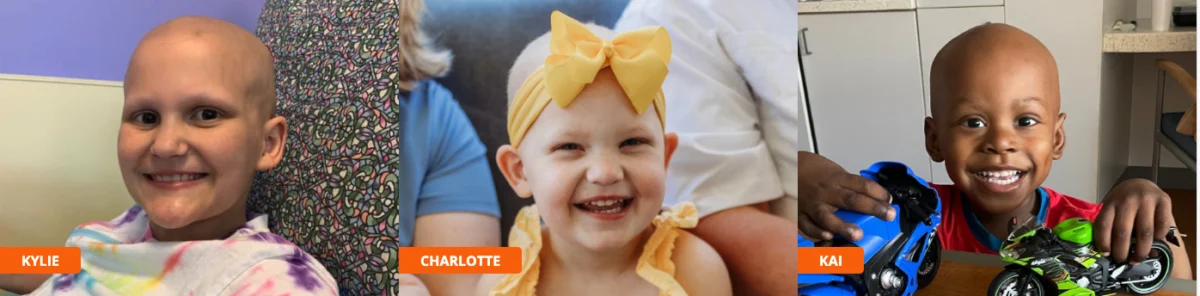
The Great Cycle Challenge enters its 12th year of operation in 2026, marking a significant milestone in the national effort to fund innovative pediatric oncology research through the Children’s Cancer Research Fund. Since its inception, the initiative has transformed from a localized cycling event into a massive philanthropic movement, mobilizing hundreds of thousands of riders across all 50 states. To date, participants have collectively logged more than 38 million miles, a distance equivalent to circling the Earth over 1,500 times, and have raised more than $87 million. These funds are directed toward the development of better treatments, the discovery of more personalized therapies, and the mitigation of long-term side effects that often plague survivors of childhood cancer.
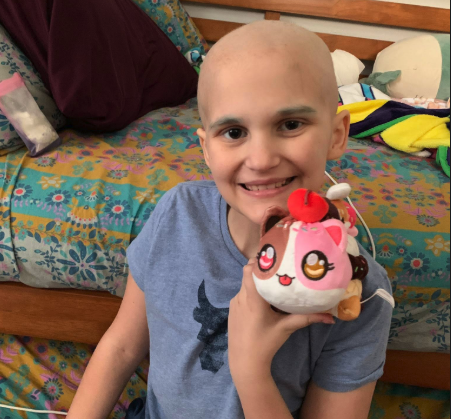
As the 2026 campaign commences, the organization has introduced five national ambassadors—Charlotte, Kai, Kylie, Jasper, and Emma—whose personal battles with various forms of the disease serve as the focal point for this year’s fundraising efforts. These children represent the diverse and often grueling realities of pediatric cancer, highlighting the urgent need for research that extends beyond the laboratory and into the everyday lives of families. By sharing their stories, the Great Cycle Challenge aims to humanize the statistics and emphasize that every mile pedaled contributes to a future where childhood cancer is no longer a life-threatening diagnosis.
The 2026 Ambassadors: Personal Narratives of Resilience
The selection of the 2026 ambassadors provides a comprehensive look at the different stages and types of pediatric cancer. Each child’s story underscores a specific area where research funding is critical, from initial diagnosis and intensive chemotherapy to the complexities of relapse and the long road of maintenance therapy.
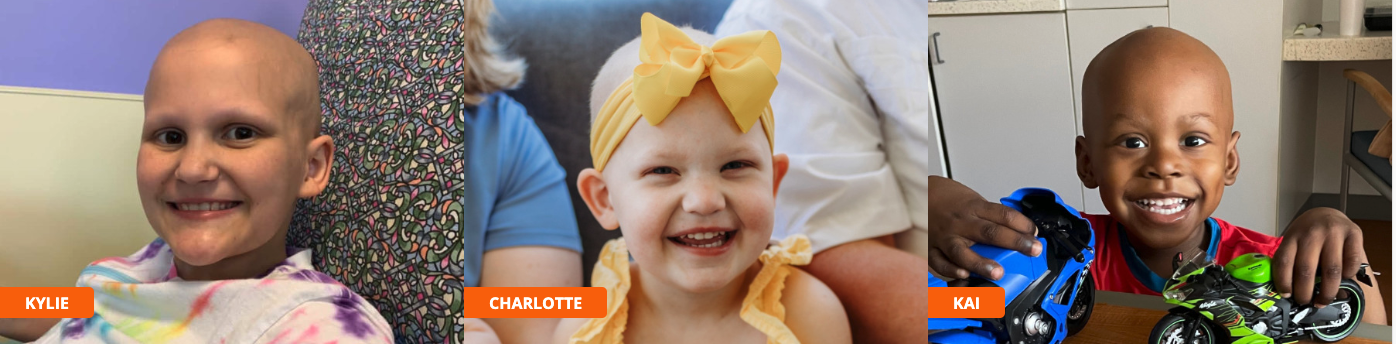
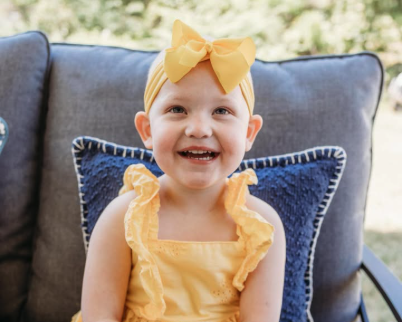
Charlotte, age 4, is currently navigating the maintenance phase of treatment for B-cell acute lymphoblastic leukemia (ALL). This diagnosis, while one of the most common forms of childhood cancer, requires a rigorous and prolonged treatment protocol. Charlotte’s journey included months of intensive chemotherapy, a process that often takes a heavy toll on a child’s developing body. Her transition to maintenance treatment is a testament to the efficacy of current protocols, yet her family emphasizes that the investment in research is not just for her, but for the future of pediatric oncology. Her mother, Emily, noted that every contribution serves as an investment in the lives of all children who will eventually face similar battles, suggesting that the current standard of care is merely a baseline that must be improved through continued scientific inquiry.
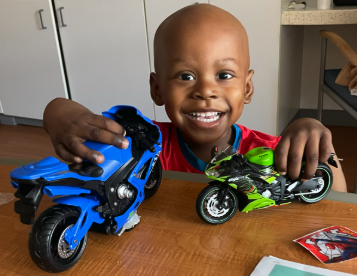
At age 3, Kai is undergoing treatment for neuroblastoma, a cancer that develops from immature nerve cells and is most commonly found in the adrenal glands. His treatment regimen has been exhaustive, involving chemotherapy, surgical intervention, and extended periods of hospitalization. Kai’s experience highlights the "unpredictable and relentless" nature of childhood cancer, as described by organizers. For children like Kai, the goal of research is to move away from "one-size-fits-all" treatments toward precision medicine that can target neuroblastoma cells with greater accuracy and fewer systemic side effects.
Kylie, age 10, represents the sobering reality of cancer recurrence. Having been first diagnosed in 2022, she faced a relapse in early 2025 and is now battling the disease for the third time. Relapse remains one of the greatest challenges in pediatric oncology, as recurrent cancers often become more resistant to standard therapies. Kylie’s parents have publicly advocated for the funding of new protocols specifically designed to improve long-term outcomes for relapsed patients. Her story serves as a reminder that the fight against cancer is often a marathon rather than a sprint, requiring sustained funding for high-risk, high-reward research.
Jasper, age 5, offers a narrative of hope and the importance of returning to normalcy. Currently in maintenance treatment for acute lymphoblastic leukemia, Jasper is expected to "ring the bell"—a traditional ceremony marking the end of active treatment—in September 2026. His ability to return to school and participate in sports highlights the success of modern research in preserving a child’s quality of life during and after treatment. However, his journey also points to the necessity of monitoring for late-stage side effects that can emerge years after treatment concludes.
Finally, 3-year-old Emma is fighting a rare and aggressive form of acute myeloid leukemia (AML) known as the RAM phenotype. Her treatment has included both chemotherapy and a bone marrow transplant. Emma’s case is particularly significant because her access to innovative therapies was made possible directly through research advancements. Her parents have noted that cancer research enabled her to remain active despite a challenging diagnosis, illustrating how modern science can mitigate the physical limitations often imposed by aggressive leukemia treatments.
Historical Context and the Evolution of the Great Cycle Challenge
The Great Cycle Challenge (GCC) was established with a singular focus: to engage the community in a physical activity that mirrors the endurance required by children fighting cancer. Over the past 12 years, the event has evolved from a niche fundraising activity into a cornerstone of the Children’s Cancer Research Fund’s (CCRF) annual calendar.
The growth of the GCC can be attributed to its accessible participation model. Unlike traditional marathons or stationary bike-a-thons, the GCC allows participants to set their own mileage goals and ride at their own pace throughout a designated month. This flexibility has allowed for a massive diversification of the participant base, including professional cyclists, casual commuters, and families riding together in suburban neighborhoods.
The $87 million raised since the event’s inception has been instrumental in bridging the "funding gap" in pediatric research. Historically, childhood cancer research has received a disproportionately small fraction of federal funding compared to adult cancers. According to the National Cancer Institute (NCI), only about 4% of the federal budget for cancer research is dedicated specifically to pediatric cases. Initiatives like the Great Cycle Challenge are therefore vital in providing the "seed money" necessary for researchers to conduct preliminary studies that can later qualify for larger federal grants.
Scientific Impact: Where the $87 Million Goes
The funds raised through the Great Cycle Challenge are managed by the Children’s Cancer Research Fund, which distributes them to leading medical institutions and research hospitals. The impact of this funding is visible in several key areas of pediatric oncology:
- Precision Medicine and Genomics: A significant portion of the funds is dedicated to understanding the genetic drivers of childhood cancers. Unlike adult cancers, which are often linked to lifestyle or environmental factors, childhood cancers are typically the result of DNA changes that occur early in life. Research funded by the GCC helps scientists identify these mutations, leading to the development of targeted therapies that attack cancer cells while sparing healthy tissue.
- Immunotherapy: The rise of CAR T-cell therapy and other immunotherapies has been bolstered by private fundraising. These treatments harness the patient’s own immune system to fight cancer and have shown remarkable success in treating certain types of leukemia, such as the B-cell ALL seen in patients like Charlotte.
- Survivorship and Long-Term Outcomes: As survival rates for many childhood cancers have improved, the focus has expanded to include the "late effects" of treatment. Survivors often face a lifetime of health challenges, including heart disease, secondary cancers, and cognitive impairments caused by toxic chemotherapy and radiation. GCC-funded research into "de-escalation" of treatment aims to find the minimum effective dose of therapy to cure the cancer while minimizing long-term damage.
- Rare Cancer Research: For children like Emma, who has the rare RAM phenotype AML, traditional pharmaceutical companies may not invest in research due to the small number of patients. Philanthropic funding is often the only source of support for studying these rare subtypes, ensuring that no child is left behind due to the rarity of their condition.
Community and Economic Implications of Peer-to-Peer Fundraising
The Great Cycle Challenge utilizes a peer-to-peer (P2P) fundraising model, which has become a powerful tool in the non-profit sector. By empowering individuals to advocate for the cause within their own social circles, the GCC expands its reach far beyond the traditional donor base of the Children’s Cancer Research Fund.
Analysis of P2P trends suggests that donors are more likely to contribute when they have a personal connection to the fundraiser. In the case of the GCC, the "mileage" aspect serves as a physical manifestation of the commitment. When a rider logs 100 miles in a month, it signals to their donors a level of dedication that often results in higher average gift sizes.
Furthermore, the event has a positive secondary impact on public health. By encouraging thousands of people to cycle throughout the month, the GCC promotes cardiovascular health and physical activity among the general population. This "health-for-health" trade-off creates a virtuous cycle where the act of improving one’s own well-being directly contributes to the medical well-being of a child in need.
Official Responses and the Path Forward
Spokespersons for the Children’s Cancer Research Fund have emphasized that while the $87 million milestone is a cause for celebration, the work is far from over. "The stories of Charlotte, Kai, Kylie, Jasper, and Emma remind us that behind every statistic is a child whose life has been interrupted," a representative stated. "Our goal is to reach a point where the ‘bell-ringing’ ceremony Jasper is looking forward to becomes the standard outcome for every single diagnosis."
Medical professionals involved in GCC-funded projects have also expressed the importance of these funds in maintaining the momentum of clinical trials. Without consistent private funding, many promising trials could face delays, potentially costing lives in the process.
As the 2026 Great Cycle Challenge continues, the organization is calling on new riders to join the movement. With the integration of modern tracking apps and social media sharing, the barrier to entry has never been lower. The organization anticipates that the 2026 event will set new records for both mileage and fundraising, further accelerating the pace of discovery in the fight against pediatric cancer.
The trajectory of the Great Cycle Challenge suggests that it will remain a critical pillar of support for the pediatric oncology community for years to come. By combining the power of personal storytelling with a scalable, community-driven athletic event, the GCC has created a sustainable model for funding the future of medicine. Every mile logged by a rider in 2026 is a step toward a world where children like Charlotte, Kai, Kylie, Jasper, and Emma can spend their childhoods on playgrounds and in classrooms, rather than in hospital corridors and treatment rooms.
