
 By admin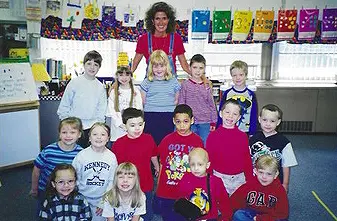
In August, a 25.5-mile stretch of Minnesota’s rugged Superior Hiking Trail will serve as the backdrop for a significant act of remembrance and advocacy. Alicia, a local special needs teacher, and Michele, a grieving mother, are set to participate in the CureSearch Ultimate Hike, a grueling endurance event designed to raise funds and awareness for pediatric cancer research. This trek represents the culmination of a narrative that began nearly three decades ago in the hallways of an elementary school and the oncology wards of Minneapolis Children’s Hospital. The hike is dedicated to the memory of David Benyo, who passed away in 2000 at the age of six, and Alicia’s mother, a former Sunday school teacher who recently succumbed to cancer.
The partnership between Alicia and Michele highlights the long-term impact of childhood illness on families and communities. While David’s life was cut short by rhabdomyosarcoma, his legacy has fostered a lifelong bond between his mother and his childhood friend. By participating in the Ultimate Hike, the pair aims to support CureSearch for Children’s Cancer, a national non-profit organization that accelerates the development of new pediatric cancer treatments by funding clinical trials and innovative research.
The Clinical Journey of David Benyo (1997–2000)
The medical history of David Benyo serves as a poignant example of the challenges faced by pediatric oncology patients in the late 1990s. In December 1997, David’s parents discovered a physical abnormality that led to a diagnosis of rhabdomyosarcoma. Rhabdomyosarcoma is a rare type of cancer that forms in soft tissue—specifically skeletal muscle tissue or sometimes hollow organs such as the bladder or uterus. In David’s case, the tumor was described as being the size of a grapefruit.
David’s initial treatment regimen was intensive, involving a combination of chemotherapy, surgical intervention, and blood transfusions. For approximately one year, the treatment appeared successful. The tumor retreated, and David entered a period of remission. During this time, the family participated in a Make-A-Wish trip to Disney World, a milestone often utilized by families of critically ill children to provide a reprieve from the rigors of clinical environments.
However, the nature of high-risk rhabdomyosarcoma often involves a high rate of recurrence. Shortly after returning from their trip, clinicians discovered that David’s cancer had returned, this time manifesting in his bone marrow. The medical team at Minneapolis Children’s Hospital employed aggressive secondary measures, including high-dose chemotherapy and radiation. David was also among the first pediatric patients at the facility to undergo a stem cell transplant, a procedure that was then at the forefront of pediatric hematology.
Despite a second brief period of remission, the cancer returned for a third time. By early 2000, medical options had been exhausted. David, then six years old, expressed a desire to cease further invasive treatments. He transitioned to home-based palliative care and passed away in May 2000. The loss had a profound impact on his family, including his younger sister and his kindergarten classmates, among whom was Alicia.
Pediatric Cancer Statistics and Research Gaps
David Benyo’s story is situated within a broader national crisis regarding pediatric health. According to data from the National Cancer Institute (NCI) and the American Cancer Society, cancer remains the leading cause of death by disease among children in the United States. Approximately 10,000 children under the age of 15 are diagnosed with cancer annually in the U.S. alone.
While survival rates for many childhood cancers have improved significantly since the 1970s—climbing from an average 5-year survival rate of 58% to over 80% today—certain aggressive forms of the disease, such as metastatic rhabdomyosarcoma, continue to have lower survival outcomes. Furthermore, the long-term side effects of the treatments David endured, such as high-dose radiation and intensive chemotherapy, can lead to chronic health issues for survivors, emphasizing the need for more targeted, less toxic therapies.
A significant hurdle in the field is the disparity in research funding. Historically, only about 4% of the federal funding from the National Institutes of Health (NIH) for cancer research is specifically allocated to pediatric cancers. This "4% gap" has necessitated the rise of private organizations like CureSearch, which focus exclusively on the pediatric demographic. CureSearch identifies and funds research projects that have the highest potential to reach clinical trials, bridging the gap between laboratory discovery and patient bedside.
A Lifelong Connection: Alicia and Michele
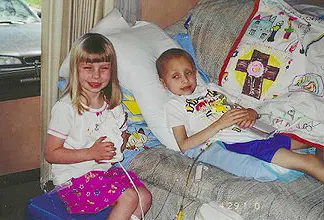
The relationship between Alicia and Michele Benyo demonstrates the enduring social fabric that supports bereaved families. Alicia and David were kindergarten classmates and members of the same church congregation. In the years following David’s death, Alicia remained a consistent presence in Michele’s life.
A significant milestone in this relationship occurred during Alicia’s high school graduation. Alicia invited Michele to the ceremony to honor the life David would have lived as a member of the same graduating class. Following the event, Alicia presented Michele with a locket containing David’s photograph, stating that he had symbolically "walked across the stage" with her. This gesture underscored the concept of "continuing bonds," a psychological framework where the bereaved maintain a symbolic relationship with the deceased.
Alicia’s professional path was also influenced by her early exposure to the complexities of health and development; she currently serves as a special needs teacher at the same elementary school she and David attended. The recent death of Alicia’s mother, who had been David’s Sunday school teacher, added a new layer of shared grief to her relationship with Michele. This double loss served as the catalyst for their decision to join the CureSearch Ultimate Hike.
The Ultimate Hike and the Superior Hiking Trail
The CureSearch Ultimate Hike is a signature fundraising event that challenges participants to complete a long-distance trek in a single day. The event on the Superior Hiking Trail (SHT) is particularly demanding. The SHT is a 310-mile footpath in northeastern Minnesota that follows the rocky ridgeline overlooking Lake Superior. The trail is characterized by steep climbs, descents through hardwood forests, and crossings of numerous rushing streams and rivers.
The 25.5-mile section chosen for the Ultimate Hike requires significant physical preparation and mental fortitude. Participants typically undergo months of training to build the endurance necessary for a 10-to-12-hour hike. For Michele and Alicia, the physical toll of the hike is a secondary concern compared to the mission of the event. Every mile hiked represents a commitment to the children currently undergoing treatment and a tribute to those who lost their battles.
The Ultimate Hike program has raised millions of dollars since its inception. These funds are directed toward the CureSearch Acceleration Fund and the Catapult Fund, which support international research collaborations. By focusing on the "Ultimate Hike," CureSearch leverages the metaphor of a difficult journey to mirror the "uphill battle" faced by pediatric oncology patients.
Implications for Pediatric Oncology and Advocacy
The involvement of individuals like Alicia and Michele is critical for the sustainability of pediatric cancer advocacy. Their efforts contribute to a multi-faceted approach to solving the pediatric cancer crisis:
- Funding Innovation: Private donations raised through the hike allow researchers to explore high-risk, high-reward treatments that might not receive federal funding.
- Awareness and Education: By sharing David’s story, Alicia and Michele educate the public on the realities of childhood cancer, moving beyond the statistics to show the human cost of the disease.
- Community Support: The event provides a space for bereaved families to connect with others who have had similar experiences, fostering a sense of solidarity and purpose.
- Policy Influence: High-profile fundraising and advocacy efforts often put pressure on lawmakers to increase federal allocations for pediatric research, such as the STAR (Survivorship, Treatment, Access, and Research) Act.
As Alicia and Michele prepare for their August trek, they represent a growing movement of "legacy advocates"—individuals who use their personal tragedies to fuel systemic change. For Alicia, the hike is an opportunity to do something meaningful for both her childhood friend and her mother. For Michele, it is a continuation of a story that began in 1997, ensuring that David’s "cheetah-like" spirit continues to drive progress in a field that desperately needs it.
The 25.5 miles on the Superior Hiking Trail will be a test of physical strength, but for the participants, the true objective is the hope that future families will not have to experience the same ending that the Benyo family did. Through research, advocacy, and the simple act of putting one foot in front of the other, the CureSearch Ultimate Hike continues to move the needle toward a future where every child can survive and thrive.
