
 By admin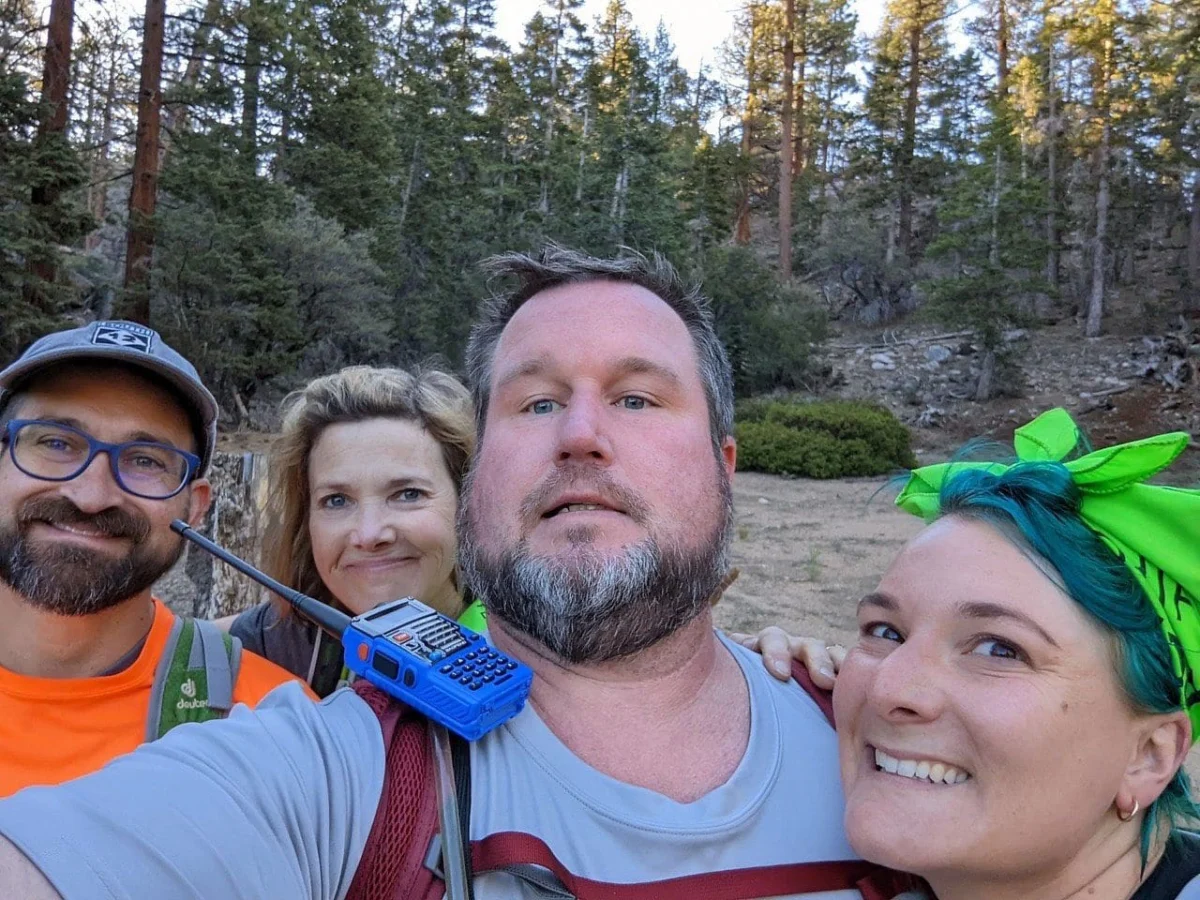
The intersection of personal tragedy and philanthropic endurance often creates powerful narratives of resilience, but for James and Elizabeth Gunnett, the "Ultimate Hike" served as the foundation for both a lifelong partnership and a sustained commitment to pediatric oncology research. In 2018, both individuals joined the CureSearch Ultimate Hike under vastly different circumstances, seeking a path through personal hardship. James was navigating a period of significant loss, while Elizabeth was contending with severe clinical depression. Their subsequent meeting on the trail not only catalyzed their personal recovery but also transformed them into prominent advocates for a cause that sees 42 children in the United States diagnosed with cancer every single day.
The Ultimate Hike is the only national endurance hiking program dedicated exclusively to raising funds for childhood cancer research. Since its inception, the program has raised more than $10 million, providing critical capital for CureSearch for Children’s Cancer, a national non-profit organization. The Gunnetts’ story, which transitioned from a chance meeting on a trail to a marriage and a leadership role within the hiking community, underscores the multifaceted impact of such endurance events, which combine physical challenge, community support, and high-stakes medical fundraising.
The 2018 Catalyst: Personal Struggle Meets Philanthropic Purpose
The year 2018 marked a turning point for both James and Elizabeth. James Gunnett entered the program at the suggestion of a colleague and friend, Chris Morton. Morton, a veteran coach for the Ultimate Hike, had a personal stake in the cause; his daughter, Violet, is a survivor of liver cancer. For James, the hike offered a structured environment to process grief and channel energy into a cause larger than his own circumstances.
Simultaneously, Elizabeth Gunnett was searching for a mechanism to combat the isolation and lethargy often associated with severe depression. Seeking both a physical challenge and a sense of belonging, she attended a CureSearch information session. The session detailed the rigors of the Ultimate Hike—a program that requires participants to train for months to complete high-mileage treks, often 20 to 30 miles in a single day. For Elizabeth, the mission-driven nature of the hike provided the external motivation necessary to engage with a community of like-minded individuals.
The initial journey was not without logistical hurdles. Shortly before the 2018 event, Elizabeth’s hiking boots were stolen, a setback that could have discouraged a less determined participant. However, she persevered, completing the trek alongside James. The shared experience of the Pacific Crest Trail (PCT) served as the backdrop for their burgeoning relationship. This connection culminated two years later when James proposed at Big Bear Lake, California, on the same trail where they had first met. The couple officially wed on October 11, 2021, and have since integrated the Ultimate Hike into the core of their domestic life.
The Landscape of Pediatric Oncology and the Funding Gap
To understand the significance of the $10 million raised by the Ultimate Hike program, one must examine the current state of childhood cancer research in the United States. While cancer is the leading cause of death by disease for children in the U.S., pediatric oncology receives a disproportionately small fraction of federal research funding compared to adult cancers. According to data from the National Cancer Institute (NCI), only about 4% of the federal budget for cancer research is dedicated specifically to childhood cancers.
This funding gap has led to a reliance on private non-profit organizations like CureSearch to bridge the divide. CureSearch focuses on accelerating the development of new treatments by funding clinical trials and research that might otherwise languish in the "valley of death"—the gap between laboratory discovery and commercial availability. The funds raised by hikers like the Gunnetts are directed toward high-impact research projects designed to deliver less toxic and more effective treatments for the youngest patients.
Every day, approximately 42 families in the U.S. receive a pediatric cancer diagnosis. While survival rates for some forms of childhood cancer, such as certain types of leukemia, have improved significantly over the last several decades, others, such as diffuse intrinsic pontine glioma (DIPG) or certain types of neuroblastoma, remain devastatingly difficult to treat. The Ultimate Hike provides a consistent stream of unrestricted funding that allows CureSearch to pivot toward the most promising emerging therapies.
Evolution of the Ultimate Hike: The Move to Mt. Tamalpais
As the program enters its next phase, the California chapter of the Ultimate Hike is undergoing a geographical transition. After years of utilizing the Pacific Crest Trail, the event is moving to the rugged and scenic landscapes of Mt. Tamalpais in Marin County. This new route offers hikers a challenging 19-mile trek through diverse ecosystems, including enchanted oak woodlands and high-elevation ridges with panoramic views of the San Francisco Bay Area.
The shift to Mt. Tamalpais is designed to offer a fresh challenge for returning participants while maintaining the rigorous standards of the endurance event. Hikers are not merely recreational walkers; they are required to undergo a comprehensive training regimen that prepares them for the significant elevation gains and the physical toll of a nearly 20-mile single-day excursion. This physical sacrifice is intended to mirror, in a small way, the endurance and resilience required of children undergoing intensive cancer treatments.
James and Elizabeth Gunnett remain central figures in this community. Having completed six Ultimate Hikes together, they now lead a team known as "Bear Snacks." The team serves as a microcosm of the larger Ultimate Hike mission, combining a lighthearted community spirit with a serious commitment to fundraising. For the Gunnetts, the "Bear Snacks" team is a way to pay forward the support they received in 2018.
The Psychological and Social Impact of Endurance Philanthropy
The Gunnetts’ story highlights an often-overlooked aspect of endurance fundraising: the psychological benefits for the participants. Research into "adventure therapy" and group physical activity suggests that long-distance hiking can have profound effects on mental health, particularly for those dealing with depression or bereavement. The combination of rhythmic physical exertion, exposure to nature, and a shared social mission creates a "therapeutic alliance" among participants.
Elizabeth Gunnett’s experience with depression is a testament to this phenomenon. By focusing on a goal that was both physically demanding and altruistic, she found a path toward recovery that was reinforced by the community she met through CureSearch. "The PCT hike was life-changing," Elizabeth noted in a recent reflection. "But it’s the incredible people we meet each year—those who pour their hearts into this cause—that keeps us coming back."
This sentiment is echoed by James, who views the hike as a cornerstone of their marriage. "It’s been seven years—such a long time but a short time, filled with so many adventures," he stated. The Gunnetts have leveraged their personal story to become effective fundraisers, sharing their journey at information sessions and on social media to inspire new cohorts of hikers.
Implications for Future Research and Participation
The success of the Ultimate Hike program has broader implications for the non-profit sector. It demonstrates the viability of "peer-to-peer" fundraising models where participants are not just donors, but active ambassadors for the cause. By engaging in a high-effort activity, participants create a compelling narrative that resonates with their personal networks, leading to higher donation retention rates.
As the program looks toward the future, the goal remains the same: to fund the research that will eventually eliminate childhood cancer as a life-threatening reality. The $10 million raised to date has already contributed to significant milestones in pediatric drug development, but the "Bear Snacks" team and CureSearch leadership acknowledge that much work remains. The daily reality of 42 new diagnoses serves as a sobering reminder of the urgency of the mission.
For those not inclined to hike 19 to 30 miles, the program offers various ways to contribute, including virtual hiking options and direct support for established teams. The move to Mt. Tamalpais represents a new chapter for the California event, promising to draw in a new demographic of hikers from the Northern California region who are eager to combine their love of the outdoors with a commitment to medical progress.
Conclusion: A Legacy on the Trail
The story of James and Elizabeth Gunnett is more than a romantic anecdote; it is a case study in how personal transformation can be harnessed for public good. Their journey from a state of personal crisis in 2018 to their current roles as leaders in the fight against childhood cancer illustrates the profound impact of the Ultimate Hike. As they prepare for their next trek through the oak woodlands of Marin County, they carry with them the names of survivors like Violet Morton and the memory of those who lost their battles, ensuring that every mile hiked is a step toward a cure.
Through the Ultimate Hike, CureSearch continues to prove that while the path to ending childhood cancer is long and steep, it is a journey that no one has to take alone. The trail, much like the mission it supports, offers a space for resilience, community, and the hope that the next breakthrough is just over the horizon.
