
 By Lina carolina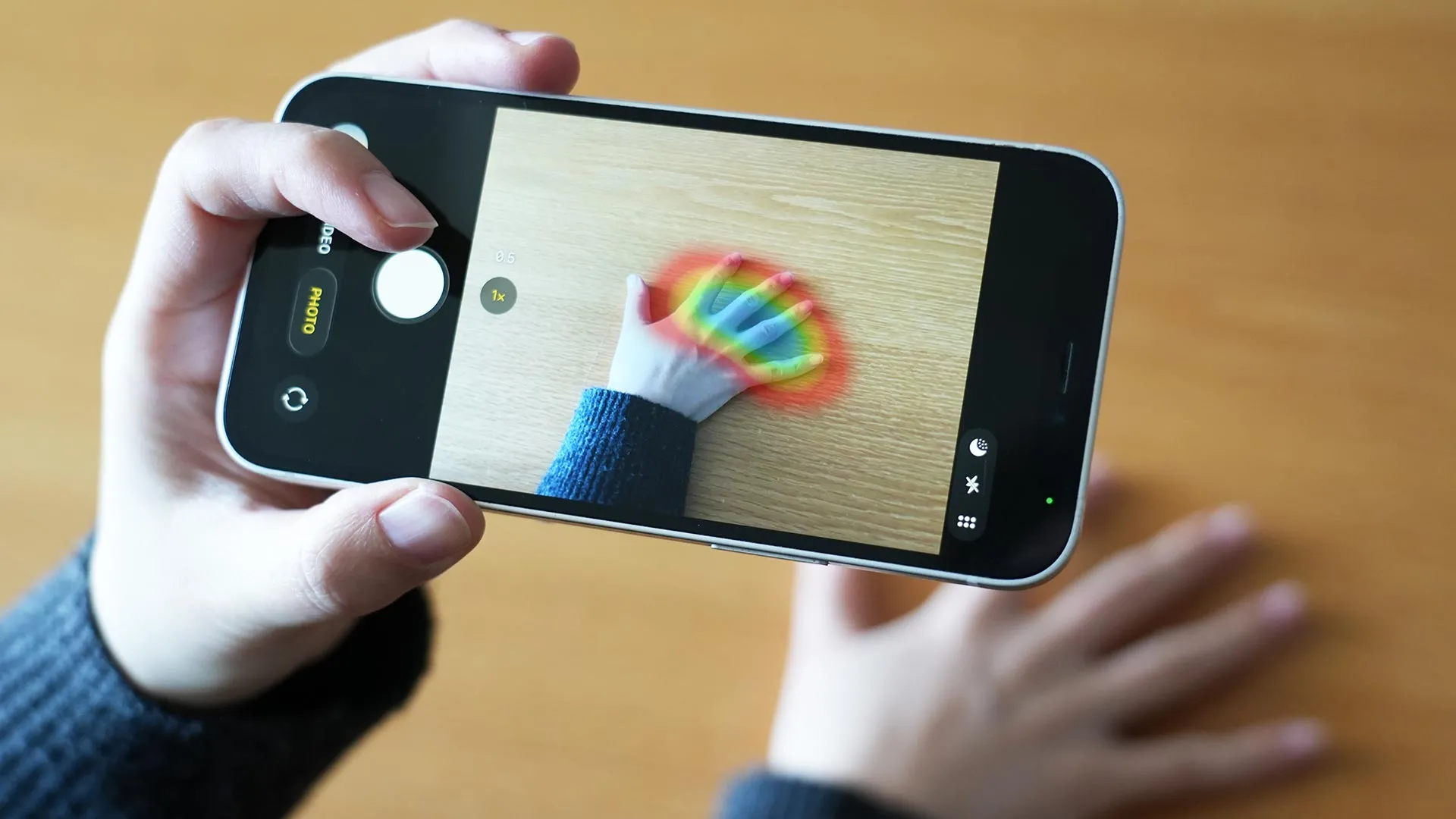
Researchers at Kobe University have achieved a significant breakthrough in medical diagnostics with the development of an artificial intelligence system capable of identifying acromegaly, a rare endocrine disorder, solely through images of the back of the hand and a clenched fist. This innovative approach circumvents the need for facial photographs, thereby enhancing patient privacy while maintaining a high degree of diagnostic accuracy. Experts believe this technology holds immense potential to expedite specialist referrals for affected individuals and broaden access to critical healthcare, particularly in underserved regions.
The Silent Progression of Acromegaly
Acromegaly, the focus of this groundbreaking research, is an uncommon endocrine condition that typically emerges in middle age. Its root cause lies in the overproduction of growth hormone by the pituitary gland, leading to a cascade of physical changes. These often include the enlargement of hands and feet, subtle but significant alterations in facial features, and abnormal growth of bones and internal organs. The insidious nature of acromegaly, characterized by its gradual development over many years, frequently renders early detection a formidable challenge for medical professionals.
The consequences of untreated acromegaly can be severe, contributing to a range of serious health complications and potentially shortening life expectancy by as much as a decade. Dr. Hidenori Fukuoka, an endocrinologist at Kobe University and a lead researcher on the project, underscored the diagnostic delay commonly experienced by patients. "Because the condition progresses so slowly, and because it is a rare disease, it is not uncommon to take up to a decade for it to be diagnosed," Dr. Fukuoka stated. He further elaborated on the ongoing efforts to leverage technological advancements, noting, "With the progress of AI tools, there have been attempts to use photographs for early detection, but they have not been adopted in clinical practice." This historical context highlights the unmet need for a practical and reliable early detection method.
A Privacy-Centric AI Revolution: Focusing on the Hands
The research team meticulously reviewed existing AI-driven diagnostic systems and observed a prevalent reliance on facial imagery. However, this approach inherently raises significant privacy concerns for patients, a factor that the Kobe University team sought to proactively address. "Trying to address this concern, we decided to focus on the hands, a body part we routinely examine alongside the face in clinical practice for diagnostic purposes, particularly because acromegaly often manifests changes in the hands," explained Yuka Ohmachi, a graduate student at Kobe University and a key member of the research group.
To further fortify privacy protections, the researchers deliberately restricted their image dataset to the back of the hand and a clenched fist. This strategic decision was made to avoid palm images, as the intricate patterns of palm lines can be highly individualized and potentially compromise patient anonymity. This careful consideration of privacy not only safeguarded participants but also proved instrumental in facilitating the recruitment of a substantial number of volunteers. Ultimately, the study involved 725 patients from 15 diverse medical institutions across Japan. These participants contributed more than 11,000 images, which were then utilized to train and rigorously test the AI model. This extensive dataset, gathered under strict ethical guidelines, forms the bedrock of the AI’s diagnostic capabilities.
AI Surpasses Human Expertise in Acromegaly Detection
The findings of this pioneering research were formally published in the prestigious Journal of Clinical Endocrinology & Metabolism, a leading publication in the field of endocrinology. The AI model demonstrated remarkable efficacy, exhibiting exceptionally high sensitivity and specificity in its ability to identify acromegaly from the captured hand images. In a direct comparative analysis, the AI system even outperformed experienced endocrinologists who were tasked with evaluating the same set of photographs.
The results of this comparative study are particularly striking. While human specialists, with years of clinical experience, can often recognize the subtle signs of acromegaly in hands, the AI’s ability to consistently and accurately identify these markers without any contextual facial information is a testament to its advanced pattern recognition capabilities. "Frankly, I was surprised that the diagnostic accuracy reached such a high level using only photographs of the back of the hand and the clenched fist. What struck me as particularly significant was achieving this level of performance without facial features, which makes this approach a great deal more practical for disease screening," remarked Ohmachi. This statement underscores the transformative potential of the technology, moving beyond the limitations and ethical hurdles associated with facial recognition in medical diagnostics.
Expanding the Horizons of Medical AI
The success achieved in detecting acromegaly has opened up exciting avenues for the future application of this AI system. The researchers are now keen to adapt their technology to identify a range of other medical conditions that manifest visible changes in the hands. Potential future targets include rheumatoid arthritis, a chronic inflammatory disorder affecting joints; anemia, a condition characterized by a deficiency of red blood cells; and finger clubbing, a deformity of the fingers and fingernails often associated with underlying lung or heart disease. "This result could be the entry point for expanding the potential of medical AI," stated Ohmachi, expressing optimism about the broader implications of their work.
The development of AI tools that can analyze readily available visual data, such as hand photographs, represents a significant step towards democratizing medical diagnostics. This could be particularly impactful in regions with limited access to specialist physicians or advanced diagnostic equipment.
Empowering Clinicians and Bridging Healthcare Gaps
It is crucial to acknowledge that in real-world clinical scenarios, the diagnostic process for acromegaly, and indeed for many other conditions, involves a comprehensive evaluation that extends far beyond visual examination of the hands. A patient’s medical history, results from laboratory tests, and thorough physical examinations all play indispensable roles in arriving at an accurate diagnosis. The Kobe University researchers are acutely aware of this and envision their AI tool as a valuable assistant to physicians, rather than a replacement for their expertise.
In their published study, the researchers articulated their vision for the technology as a means to "complement clinical expertise, reduce diagnostic oversight and enable earlier intervention." This collaborative approach, where AI augments human judgment, is likely to be the most effective pathway for its integration into clinical practice.
Dr. Fukuoka articulated the long-term vision for this technology: "We believe that, by further developing this technology, it could lead to creating a medical infrastructure during comprehensive health check-ups to connect suspected cases of hand-related disorders to specialists. Furthermore, it could support non-specialist physicians in regional healthcare settings, thus contributing to a reduction of healthcare disparities there." This ambitious goal aims to build a more robust and equitable healthcare system, ensuring that individuals in remote or underserved areas receive timely and appropriate care. The potential to streamline the referral process and provide diagnostic support to general practitioners could significantly improve patient outcomes and alleviate the burden on overburdened healthcare systems.
A Collaborative Endeavor
The research that led to this significant advancement was made possible through the generous funding provided by the Hyogo Foundation for Science Technology. This vital financial support enabled the researchers to dedicate the necessary resources to develop and validate their innovative AI system.
Furthermore, the project benefited from the collaborative efforts of a wide array of academic institutions and medical centers, underscoring the multidisciplinary nature of cutting-edge medical research. Key collaborators included researchers from Fukuoka University, Hyogo Medical University, Nagoya University, Hiroshima University, Toranomon Hospital, Nippon Medical School, Kagoshima University, Tottori University, Yamagata University, Okayama University, Hyogo Prefectural Kakogawa Medical Center, Hokkaido University, International University of Health and Welfare, Moriyama Memorial Hospital, and Konan Women’s University. This extensive network of expertise and resources was instrumental in the successful completion of the study, from data collection and AI model development to clinical validation.
The successful development of this privacy-preserving AI system for acromegaly detection marks a pivotal moment in the integration of artificial intelligence into healthcare. By focusing on accessible and non-invasive data sources like hand images, the Kobe University team has not only addressed critical privacy concerns but also paved the way for a more efficient, equitable, and patient-centered approach to disease diagnosis and management. The implications of this research extend beyond acromegaly, offering a glimpse into a future where AI plays an increasingly vital role in enhancing diagnostic capabilities and improving health outcomes for individuals worldwide.
