
 By admin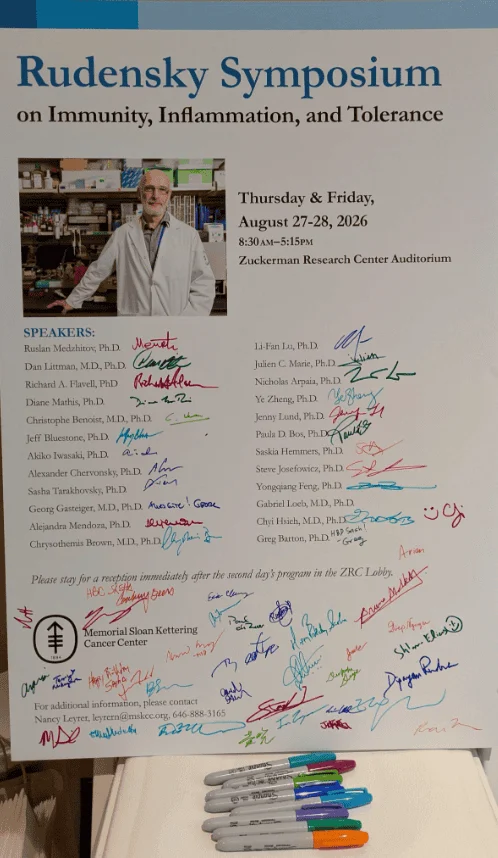
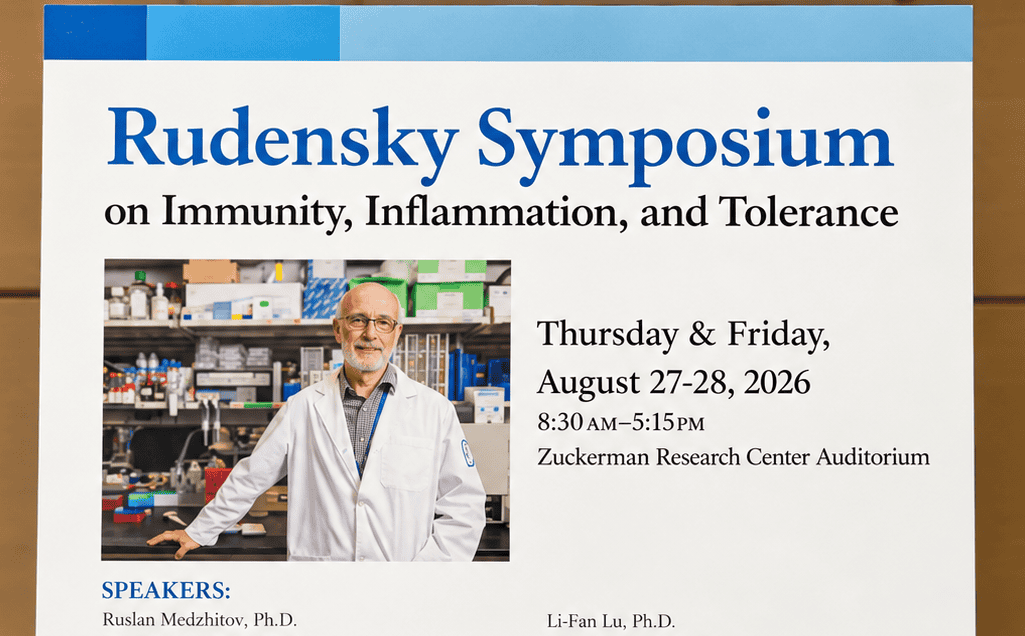
The Rudensky Symposium on Immunity, Inflammation and Tolerance, held on August 27–28, 2026, transcended the typical format of a scientific conference, evolving into a profound celebration of scientific legacy and enduring personal connections. This significant event marked the 70th birthday of Dr. Alexander “Sasha” Rudensky, a distinguished immunologist from Memorial Sloan Kettering Cancer Center, renowned for his groundbreaking contributions to the field. The symposium drew together an impressive cohort of his former trainees, long-standing collaborators, and esteemed colleagues, many of whom have maintained relationships spanning several decades. The scientific presentations, which delved into the latest advancements in immunology, were seamlessly interwoven with heartfelt shared memories, underscoring the profound impact of Dr. Rudensky’s mentorship and the deep friendships that have shaped countless lives and careers within the scientific community.
A Pillar of Immunological Research: The Legacy of Alexander Rudensky
Dr. Alexander Rudensky stands as a titan in modern immunology, particularly for his pioneering work on regulatory T cells (Tregs). Born in Russia, his journey to becoming a leading figure at institutions like Memorial Sloan Kettering Cancer Center and the Howard Hughes Medical Institute is a testament to relentless curiosity and scientific rigor. His early career laid the groundwork for understanding T cell development and function, but it was his seminal contributions to the identification and characterization of Tregs that fundamentally reshaped our understanding of immune system regulation. Before Dr. Rudensky’s work, the mechanisms by which the immune system prevented self-destruction (autoimmunity) while still effectively combating pathogens and cancer were poorly understood. His research, starting in the late 1990s and early 2000s, elucidated how Tregs act as critical "peacekeepers," dampening excessive immune responses and maintaining tolerance to the body’s own tissues. This discovery opened entirely new avenues for therapeutic intervention in autoimmune diseases, allergies, and cancer.
The symposium served not only as a platform for cutting-edge scientific discourse but also as a living testament to Dr. Rudensky’s profound influence as a mentor. His laboratory has been a crucible for developing future leaders in immunology, fostering an environment of intellectual freedom, rigorous debate, and collaborative spirit. Attendees frequently spoke of his unique ability to guide without dictating, inspiring generations of scientists to pursue challenging questions with creativity and precision. "Sasha has an unparalleled gift for identifying critical biological questions and empowering his team to tackle them head-on," remarked one long-time collaborator, highlighting the pervasive influence of his mentorship philosophy. "This symposium isn’t just about his science; it’s about the scientific family he’s built."
The Cancer Research Institute: Two Decades of Sustained Support
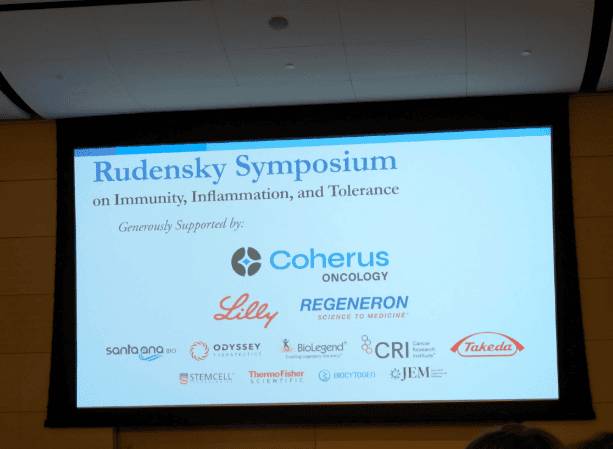
The Cancer Research Institute (CRI) proudly announced its support for this landmark symposium, celebrating a distinguished member of its Scientific Advisory Council (SAC). CRI’s commitment to Dr. Rudensky’s work and the broader field of immunology is long-standing, spanning more than two decades. This enduring partnership includes significant financial backing for his research and, crucially, for the mentorship of emerging scientists. Over a dozen CRI-funded fellows have trained under Dr. Rudensky’s guidance, many of whom have gone on to establish their own successful laboratories and make independent contributions to the field. This consistent investment underscores CRI’s strategic vision: that a deep understanding of basic immunology is indispensable for unlocking effective cancer therapies.
In recognition of his transformative research, Dr. Rudensky was honored with the prestigious CRI William B. Coley Award in 2015. This award, named after the pioneering surgeon and "Father of Immunotherapy" William B. Coley, celebrates scientists who have made seminal discoveries in basic and tumor immunology. Dr. Rudensky received it for his "pioneering work on regulatory T cells, or Tregs," a recognition of how his research provided fundamental insights into these critical immune cells that restrain excessive responses and help protect healthy tissues from damage. CRI’s connections to this vibrant scientific community run exceptionally deep, reflecting a steadfast commitment to funding basic immunology research alongside targeted cancer immunology studies. This dual focus is rooted in the conviction that comprehending the fundamental operational principles of the immune system is the prerequisite for effectively harnessing its power against cancer. As a CRI spokesperson noted, "Our support for Dr. Rudensky and his lab exemplifies our belief that breakthroughs in cancer treatment often originate from fundamental biological questions. Investing in foundational immunology is investing in the future of cancer care."
Unveiling Immune Balance: Insights from Basic Science
A central theme woven throughout the symposium was the revelation that fundamental biological processes maintaining the balance of healthy tissues are intimately linked to how cancer develops, progresses, and responds to treatment. This understanding is paving new pathways for cancer prevention and therapy, often stemming from discoveries that initially pursued different biological questions.
Several presentations highlighted how basic immunological research uncovers principles directly relevant to cancer. Dr. Ruslan Medzhitov, a CRI scientist and 2003 CRI Coley Awardee, presented compelling research on how stressed cells actively recruit macrophages to remove damaged proteins, functioning as a "garbage disposal" system. This work suggests that immune cells serve not merely as defenders against infection but also as essential tissue maintenance crews, constantly surveying and repairing cellular damage. The implications for cancer are profound: if immune cells are involved in tissue homeostasis, their dysfunction could contribute to the accumulation of damaged cells and the initiation of malignancy.
The symposium also broadened the understanding of Tregs, demonstrating their roles extend far beyond simply suppressing immune responses. Dr. Diane Mathis, a co-recipient of the 2024 CRI Coley Award, presented findings on specific Treg populations that assist injured muscle in controlling inflammation, guiding repair processes, and limiting scar formation. Her research suggests a nuanced role for Tregs in tissue regeneration, indicating that their influence on inflammation is finely tuned to promote healing rather than just blanket suppression. Complementing this, Dr. Christophe Benoist, also a 2024 CRI Coley Awardee, revealed that the specific molecular target a Treg recognizes plays a crucial role in determining its identity and function. These insights underscore the incredible plasticity and specificity of Treg populations, moving beyond a monolithic view to recognize their diverse roles in maintaining health. This precision is vital, as insufficient immune restraint can lead to autoimmunity and tissue damage, while excessive restraint can paradoxically allow cancer cells to evade immune detection and thrive. Understanding these intricate balances is key to developing targeted therapies that modulate immune responses without undesirable side effects.
Intercepting Cancer: Early Immunosurveillance and the Role of Inflammation
A particularly exciting frontier explored at the symposium was the concept of early cancer immunosurveillance – the immune system’s ability to detect and eliminate pre-malignant cells before a visible tumor even forms. Dr. Richard A. Flavell, a CRI scientist and 2012 CRI Coley Awardee, presented groundbreaking research on how the immune system might act before cancer takes hold, studying mutant intestinal stem cells in mouse models. His work demonstrated that while cells carrying a cancer-linked BRAF mutation initially gained a competitive survival advantage, a significant proportion were still eliminated.
These preclinical experiments strongly suggested that immune recognition is a critical determinant of which abnormal cells survive in the earliest stages of cancer development. When these mutant cells were engineered to lose a molecule essential for communicating with T cells, they were far more likely to proliferate and colonize the small compartments where intestinal stem cells reside. Furthermore, Dr. Flavell’s team found that Tregs and the immune signal IL-10 appeared to play a crucial role in restraining these early, potentially dangerous clones. This research offers a powerful new paradigm: the immune system may influence cancer development from the very moment a potentially dangerous cell begins competing with its normal neighbors, suggesting new strategies for cancer prevention by enhancing this early surveillance.
Approaching the complex inflammation-cancer connection from another angle, Dr. Julien C. Marie presented his work on how disruptions in regulatory signals can drive cancer development. In mouse models, interfering with a crucial regulatory signal called TGF-β pushed intestinal Th17 cells – another type of immune cell – into a persistently inflammatory state. This chronic inflammation was directly associated with localized DNA damage and, eventually, the development of cancer. Importantly, restoring the TGF-β signal reversed aspects of that harmful inflammatory state, suggesting that even deeply entrenched inflammatory programs may retain some degree of flexibility and could potentially be modulated therapeutically to prevent cancer.
The Tumor Microenvironment: A Complex Ecosystem Dictating Outcomes
The symposium also highlighted the critical importance of the tumor’s wider ecosystem, or microenvironment, in dictating cancer progression and response to therapy. This multifaceted environment, composed of immune cells, stromal cells, blood vessels, and signaling molecules, plays a pivotal role.
Dr. Dan Littman, a CRI SAC member and 2016 CRI Coley Awardee, presented fascinating preclinical work connecting the gut microbiome to cancer immunotherapy. His research explored how specific gut bacteria can "train" T cells, influencing their activation and efficacy, and ultimately impacting responses to checkpoint immunotherapy. This work illustrates a remarkable principle: an immune response initiated or modulated by the gut microbiota can exert profound effects on cancer located elsewhere in the body, suggesting that manipulating the gut microbiome could enhance the effectiveness of current cancer treatments. This concept has rapidly gained traction in oncology, with clinical trials now exploring dietary interventions and fecal microbiota transplants to improve patient outcomes.
Dr. Paula D. Bos shed light on how Tregs can influence breast cancer progression through their interactions with macrophages and the physical scaffolding surrounding a tumor, known as the extracellular matrix. Her research demonstrated that temporarily removing Tregs in mouse breast tumors caused a beneficial shift in macrophages, transforming them toward a tumor-fighting state. Concurrently, this intervention disrupted the aligned collagen fibers that can act like "highways" for cancer cells to escape the primary tumor and metastasize. Consequently, the treated mice exhibited fewer circulating tumor cells and significantly less metastatic disease. This research offers a pathway to more targeted therapies: rather than broadly eliminating Tregs, which could induce harmful autoimmune responses, the goal is to identify more specific ways to influence macrophage behavior and prevent tumor spread by modulating the tumor microenvironment.
Further elucidating the intricate immunosuppressive neighborhoods created by tumors, Dr. Nicholas Arpaia’s group identified a specific fibroblast population that actively recruits suppressive Tregs around lung tumors. By characterizing these fibroblasts, his team is opening new avenues for targeting these cells to make tumors more susceptible to immune attack. Dr. Arpaia also described collaborative work developed with CRI Lloyd J. Old STAR Dr. Tal Danino, utilizing engineered bacteria to deliver therapies directly inside tumors. This innovative approach aims to concentrate immune-modulating treatments precisely where they are needed, minimizing systemic side effects and maximizing therapeutic efficacy. The convergence of these studies underscores the imperative to understand and manipulate the complex cellular and molecular interactions within the tumor microenvironment to overcome therapeutic resistance.
Progress Forged Through People: Mentorship, Collaboration, and Future Horizons
The Rudensky Symposium served as a powerful reminder that advances in cancer research are not isolated events but rather the cumulative result of fundamental questions about immune cells, tissues, and their intricate interactions. More profoundly, it underscored that scientific progress is inextricably linked to mentorship, robust collaboration, healthy scientific disagreement, and the invaluable freedom to pursue questions whose clinical relevance may not be immediately apparent.
Seeing generations of scientists, from seasoned professors to eager postdoctoral fellows, gathered in one room made the "ripple effect" of Dr. Rudensky’s influence tangibly evident. His "research family," spanning decades, represented a living network of shared knowledge, mutual support, and collective ambition. For over 70 years, the Cancer Research Institute has strategically invested in this foundational ethos of discovery, supporting not only the cutting-edge science but, just as critically, the brilliant individuals who carry it forward. The symposium brought this long-term commitment vividly to life: trainees evolving into influential mentors, fundamental discoveries informing entirely new fields of study, and collaborative endeavors connecting profound biological questions directly to the shared, ultimate goal of improving patients’ lives. The enduring legacy of Dr. Alexander Rudensky, celebrated through this remarkable symposium, provides a compelling blueprint for the future of biomedical research: a future where curiosity, collaboration, and commitment to human health continue to drive unparalleled discovery.
