
 By admin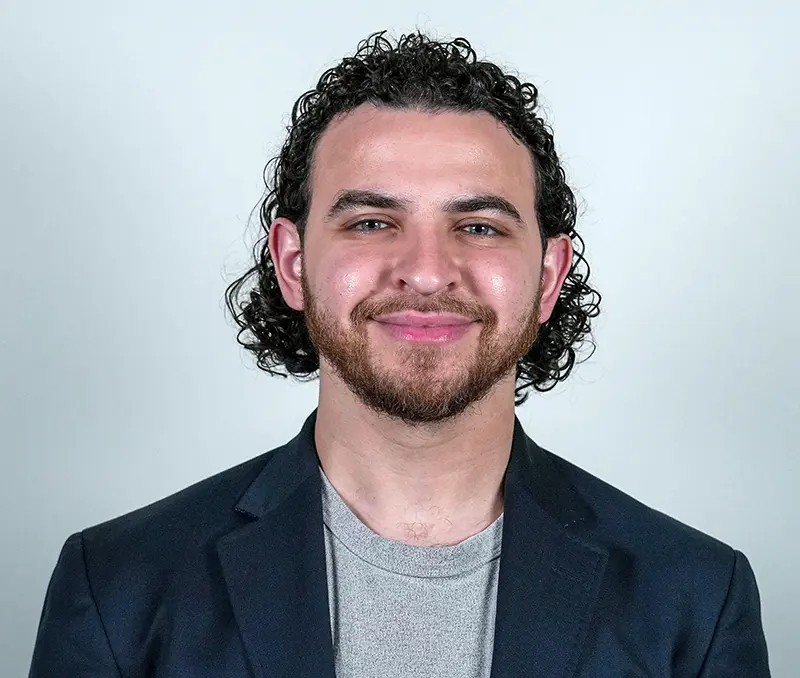
The appointment of Osama Alsaleh to the Board of Directors at CureSearch for Children’s Cancer marks a significant strategic expansion for the national non-profit organization, which remains dedicated to ending the funding gap and clinical delays that hinder the development of pediatric oncology treatments. As a prominent figure in the global healthcare innovation and venture capital sectors, Alsaleh brings a specialized skillset designed to bridge the historical divide between early-stage medical research and the commercial investment necessary to bring life-saving drugs to market. His arrival comes at a critical juncture for CureSearch, as the organization increasingly focuses on high-impact venture philanthropy and strategic partnerships to overcome the unique economic hurdles of the pediatric cancer landscape.
A Career Defined by Innovation and Strategic Collaboration
Osama Alsaleh currently serves as the Head of Partnerships at Plug and Play Health, a division of one of the world’s most prolific venture capital firms and global innovation platforms. In this capacity, he oversees the convergence of startups, major healthcare corporations, and institutional investors. Plug and Play is recognized globally for its role in accelerating digital health solutions and biotechnology, providing Alsaleh with a vantage point on the cutting edge of therapeutic development and healthcare delivery.
Prior to his leadership role at Plug and Play, Alsaleh established himself as a transformative force at Oracle Health and Cerner Corporation. During his tenure at Oracle, he was instrumental in the formation of the health equity team, a division tasked with addressing the social determinants of health and ensuring that technological advancements in medicine are accessible to underserved populations. This focus on equity is particularly relevant to pediatric oncology, where access to specialized clinical trials and the latest genomic therapies can vary significantly based on geography and socioeconomic status.
Alsaleh’s influence has also extended into the regulatory and governmental spheres. He has served as a consultant and advisor on quality reporting measures, collaborating with the Centers for Medicare & Medicaid Services (CMS). His expertise was further recognized on the international stage through his involvement with the White House COVID-19 Task Force and the U.S. State Department, where he provided strategic guidance during the height of the global pandemic. His professional trajectory also includes high-level engagements with the World Bank Group and the World Health Organization (WHO), solidifying his reputation as a leader capable of navigating the complex intersections of public policy, private investment, and global health.
Addressing the Funding Crisis in Pediatric Oncology
The inclusion of a venture capital expert on the CureSearch board is a calculated response to the "market failure" often cited in pediatric drug development. While adult cancer research benefits from massive private sector investment due to the high volume of patients, pediatric cancers are considered "rare diseases" in the eyes of the pharmaceutical industry. This classification often leads to a lack of incentive for traditional biotechnology firms to invest the hundreds of millions of dollars required for clinical trials.
Supporting data highlights the severity of this discrepancy. According to the National Cancer Institute (NCI), while cancer remains the leading cause of death by disease for children in the United States, only about 4% of federal funding for cancer research is specifically directed toward pediatric applications. Furthermore, in the last several decades, the U.S. Food and Drug Administration (FDA) has approved significantly fewer drugs specifically for pediatric cancer compared to adult cancers. Many children are treated with "off-label" medications—drugs designed and approved for adults that may be too toxic for developing bodies.
Alsaleh’s background in venture capital is expected to help CureSearch navigate this "Valley of Death"—the period between a laboratory discovery and the start of clinical trials where many promising treatments stall due to a lack of funding. By leveraging his network within the startup and investment ecosystems, Alsaleh aims to identify new technologies and funding models that can sustain pediatric research through the most expensive phases of development.
Strategic Vision and Leadership Perspectives
Upon his appointment, Alsaleh emphasized the necessity of integrating pediatrics into the broader innovation ecosystem. He noted that pediatric oncology remains significantly underrepresented in mainstream venture capital, a gap he intends to close. By connecting CureSearch with technology companies and strategic investors, his goal is to ensure that the most advanced medical innovations—such as AI-driven drug discovery and personalized immunotherapy—are applied to childhood cancers with the same urgency as adult conditions.
Jared Brancazio, Chair of the CureSearch Board of Directors, underscored the value of Alsaleh’s multifaceted perspective. Brancazio noted that the ability to link innovation, investment, and healthcare delivery is essential for the organization’s growth. The board expects Alsaleh to provide a roadmap for expanding CureSearch’s reach, particularly in how the organization engages with the private sector to de-risk pediatric research projects, making them more attractive to long-term investors.
Chronology of Organizational Growth and Impact
The appointment of Alsaleh is part of a broader timeline of evolution for CureSearch, which has shifted its focus over the last decade toward a venture philanthropy model.
- Foundational Years: Originally focused on broad institutional support for the Children’s Oncology Group, CureSearch pivoted to address the specific "bottlenecks" in the drug development pipeline.
- Introduction of the Acceleration and Impact Awards: The organization began targeting research that had the highest potential for clinical application, moving away from purely academic grants.
- Expansion into Global Health IT: With the rise of big data in the 2010s, CureSearch began seeking board members who understood the role of technology in accelerating trial results.
- 2020–2023 Strategic Shift: The organization increased its focus on health equity and regulatory advocacy, coinciding with the passage of the RACE for Children Act, which requires companies developing adult cancer drugs to also evaluate those drugs in children if the molecular targets are similar.
- 2024 Board Expansion: The addition of Osama Alsaleh signifies the latest phase of this evolution, emphasizing the role of venture capital and global partnerships in the non-profit’s mission.
Broader Implications for the Pediatric Research Landscape
The integration of a leader from Plug and Play Health into a non-profit board suggests a growing trend in the philanthropic sector: the "corporatization of compassion." This trend involves applying rigorous investment metrics and business development strategies to charitable endeavors to maximize the "return on mission." For CureSearch, this means not only funding research but also ensuring that research is "investor-ready."
Industry analysts suggest that Alsaleh’s expertise in regulatory compliance and his history with the Oracle Charitable Foundation—where he helped oversee more than $42 million in healthcare grants—will be instrumental in refining CureSearch’s grant-making processes. His experience with the World Bank and WHO also suggests a potential expansion of CureSearch’s influence beyond the North American market, seeking to harmonize pediatric clinical trial standards internationally.
The long-term impact of this appointment will likely be measured by the organization’s ability to attract "non-traditional" partners. This includes technology giants looking to apply machine learning to rare disease datasets and venture firms that may have previously overlooked the pediatric market. As the cost of drug development continues to rise, the ability to convene leaders across technology, finance, and medicine will be the determining factor in whether the next generation of children with cancer has access to targeted, less toxic therapies.
About CureSearch for Children’s Cancer
CureSearch for Children’s Cancer is a national non-profit foundation that accelerates the search for cures by driving innovation and eliminating the hurdles that stall the development of new pediatric cancer treatments. By supporting targeted research with a clear path to clinical trials, CureSearch addresses the most significant challenges in pediatric oncology today. The organization’s work is supported by a diverse board of medical experts, business leaders, and advocates who share a common goal: to ensure that every child diagnosed with cancer has a chance at a long and healthy life. Through strategic investments and global collaborations, CureSearch continues to be a primary catalyst for progress in the field of pediatric cancer research.
