
 By admin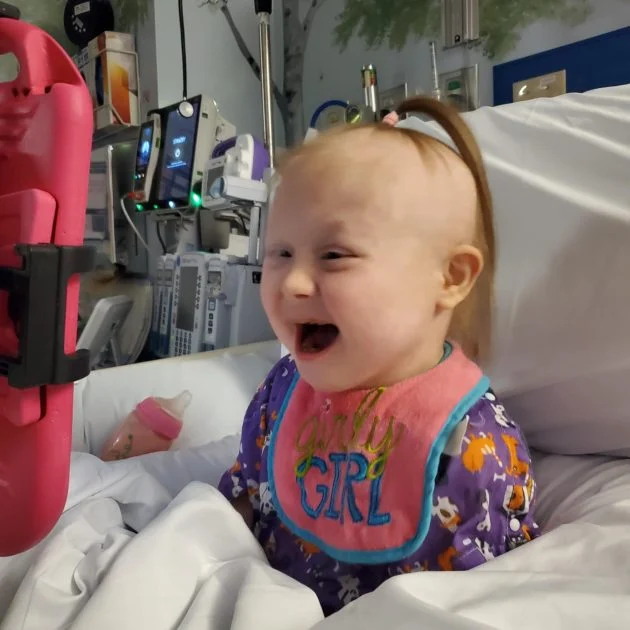
The medical community and pediatric advocacy groups are highlighting the courageous journey of Lauren Kate, a nine-year-old girl who is currently confronting a diagnosis of B-Cell Acute Lymphoblastic Leukemia (ALL). This diagnosis is particularly complex as Lauren Kate was born with Down syndrome, a genetic condition that historically presents unique challenges and increased risks within the field of pediatric oncology. Her story, which transitioned from a routine childhood to a high-stakes medical battle in late 2025, serves as a poignant case study in the resilience of pediatric patients and the critical importance of early diagnostic intervention.
On September 23, 2025, Lauren’s life and the lives of her family members were irrevocably altered when clinical tests confirmed the presence of leukemia. The diagnosis followed a period of physical decline that initially appeared subtle but rapidly became alarming to her primary caregivers. The subsequent medical odyssey has seen Lauren undergo intensive therapeutic regimens at East Tennessee Children’s Hospital, a facility specializing in complex pediatric cases. As she navigates the grueling requirements of chemotherapy and invasive surgical procedures, her journey underscores the broader systemic needs for specialized care and research into the intersection of chromosomal disorders and hematologic malignancies.
The Chronology of Diagnosis and Clinical Presentation
The onset of Lauren Kate’s illness was marked by a shift in her baseline behavior and physical state. Her mother first noted that Lauren, who had previously demonstrated significant strength and vitality despite the inherent challenges of Down syndrome, was experiencing uncharacteristic lethargy. This fatigue was accompanied by the appearance of significant lymphadenopathy—large, palpable bumps beneath the skin of her neck. Recognizing these as potential indicators of a serious underlying condition, her mother secured an urgent consultation with their primary care physician.
During this initial clinical assessment, medical professionals identified abnormalities in Lauren’s white blood cell count. In the context of pediatric health, a skewed white blood cell count often necessitates immediate hematologic investigation to rule out or confirm malignancy. Due to the severity of the lab results, Lauren was referred immediately to East Tennessee Children’s Hospital. The transition from a local clinic to a specialized pediatric oncology unit occurred within hours, reflecting the emergency nature of her condition.
Upon arrival at the hospital, a battery of diagnostic tests was administered. The period of waiting was characterized by intense anxiety for the family, a common experience for those facing potential oncological diagnoses. On September 23, 2025, the formal diagnosis of B-Cell Acute Lymphoblastic Leukemia was delivered. This specific form of leukemia affects the B-lymphocytes, which are white blood cells responsible for producing antibodies and maintaining the body’s immune response. In Lauren’s case, the rapid proliferation of these immature cells necessitated the immediate commencement of a rigorous treatment protocol.
Medical Context: Down Syndrome and Leukemia Risk
The intersection of Down syndrome (Trisomy 21) and leukemia is a well-documented phenomenon in medical literature. Epidemiological data suggests that children with Down syndrome have a significantly higher predisposition to developing certain types of leukemia compared to the general pediatric population. Specifically, they are estimated to be 10 to 20 times more likely to develop Acute Lymphoblastic Leukemia.
The biological link between Trisomy 21 and leukemogenesis involves the over-expression of certain genes located on the 21st chromosome, which can disrupt normal hematopoiesis (the formation of blood cellular components). While children with Down syndrome often show favorable response rates to specific types of myeloid leukemia, the management of B-Cell ALL in this demographic requires a delicate balance. These patients often experience higher rates of treatment-related toxicity, particularly regarding chemotherapy’s impact on the gastrointestinal and immune systems. Consequently, Lauren’s medical team must employ a highly calibrated approach to her care, ensuring that the treatment is aggressive enough to eradicate the cancer while remaining sensitive to her physiological profile.
The Therapeutic Regimen and Hospitalization
Since her diagnosis, Lauren Kate’s life has been defined by a series of intensive medical interventions. Her treatment plan has included multiple lumbar punctures, a procedure essential for both diagnosing the spread of leukemia to the central nervous system and delivering intrathecal chemotherapy. These procedures are vital in preventing the "hiding" of leukemia cells in the spinal fluid, where traditional intravenous chemotherapy may not effectively reach due to the blood-brain barrier.
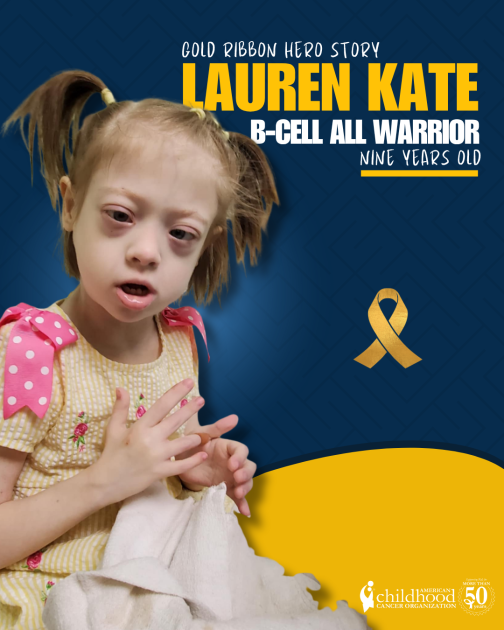
To facilitate the frequent administration of chemotherapy and the drawing of blood for continuous monitoring, Lauren underwent a surgical procedure for a port insertion. A port-a-cath is a small medical appliance installed beneath the skin, usually in the chest, which allows the oncology team to access a large vein directly. This reduces the physical trauma of repeated needle sticks, which is particularly beneficial for pediatric patients undergoing long-term treatment.
Lauren’s journey has also involved bone marrow aspirations and biopsies. These procedures are critical for assessing the percentage of "blast" cells in the marrow, which serves as the primary metric for determining whether the patient is moving toward remission. The cumulative effect of these treatments has resulted in "countless days away from home," as hospital stays become a secondary residence for the family. The disruption of a child’s routine is one of the most significant non-clinical challenges of pediatric cancer, affecting developmental milestones and psychological well-being.
Support Systems and Psychosocial Impact
Despite the rigors of her clinical environment, Lauren Kate’s personality remains a focal point for her family and her medical team. Her affinity for the television program "Bubble Guppies" and her bond with her sister, Emma, provide essential emotional anchors. According to statements from her family, these "little joys" are crucial for maintaining her spirits during the most difficult phases of chemotherapy.
The role of siblings in the pediatric cancer journey is a critical area of concern for family-centered care. Emma’s presence and the shared moments between the sisters highlight the importance of maintaining a semblance of normalcy. Pediatric oncology experts often emphasize that the "warrior" narrative, while empowering, must also leave room for the child to simply be a child. Lauren’s ability to find happiness in media and family interactions is viewed by her caregivers as a sign of her "vibrant and fun-loving" nature, which contributes to her overall resilience.
Broader Implications for Pediatric Oncology
Lauren Kate’s case brings renewed attention to the ongoing need for specialized research and funding in the realm of pediatric cancer. While survival rates for B-Cell ALL have improved significantly over the last several decades—now exceeding 90% for many pediatric cohorts—the challenges remain steep for children with comorbid conditions like Down syndrome.
The American Childhood Cancer Organization (ACCO) and other advocacy groups emphasize that "kids can’t fight cancer alone." This sentiment reflects a broader call for systemic support, ranging from increased federal funding for pediatric-specific clinical trials to the provision of resources for families navigating the financial and emotional toll of a long-term illness. Pediatric cancers are often classified as "orphan diseases" because they occur less frequently than adult cancers, which can sometimes lead to a disparity in research investment. However, cases like Lauren’s demonstrate that the complexity of these conditions requires a high level of scientific dedication.
Conclusion and Future Outlook
As Lauren Kate continues her courageous fight against B-Cell Acute Lymphoblastic Leukemia, her story serves as both a sobering reminder of the volatility of childhood health and a testament to the advancements in modern medicine. The transition from the shock and disbelief of September 2025 to the structured, determined battle she is currently waging reflects the strength of the human spirit when supported by a dedicated medical community and a loving family.
The path forward for Lauren involves continued monitoring, maintenance chemotherapy, and the hope for a full and lasting remission. Her journey at East Tennessee Children’s Hospital remains a focal point for those following her progress, offering inspiration to other families facing similar dual diagnoses. Through the integration of advanced medical protocols, compassionate family support, and the advocacy of organizations like the ACCO, the goal remains clear: to ensure that children like Lauren Kate can move beyond their diagnosis and return to the joys of childhood, sisterhood, and a life defined by their potential rather than their illness.
