
 By admin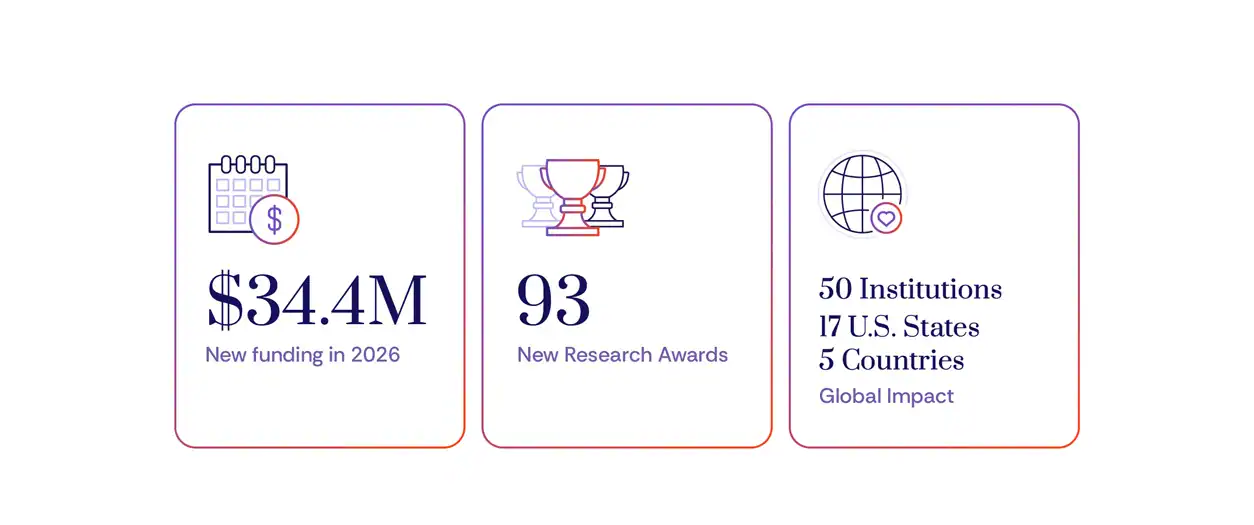
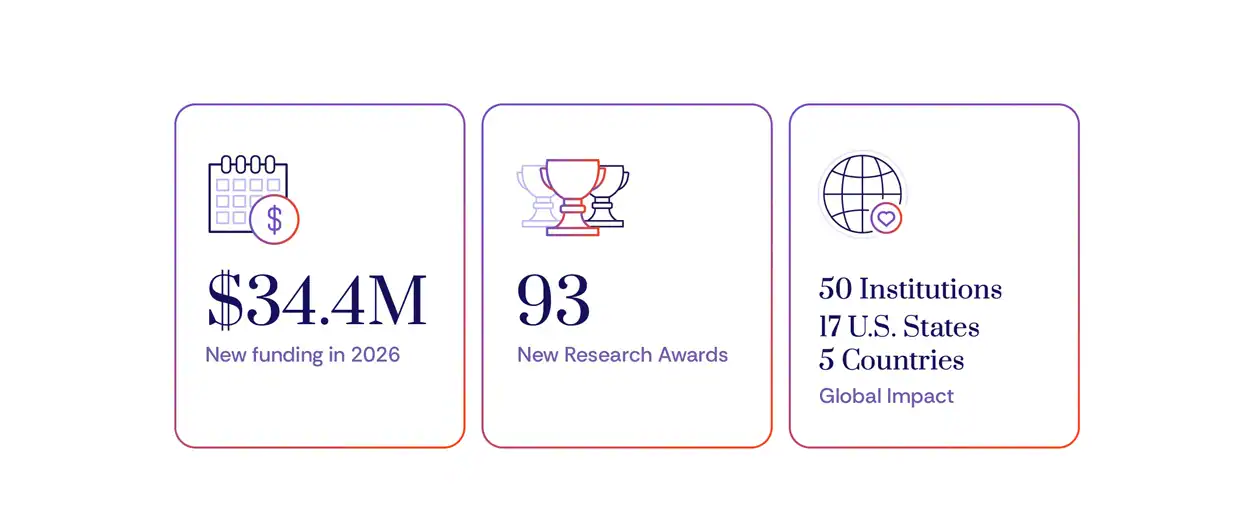
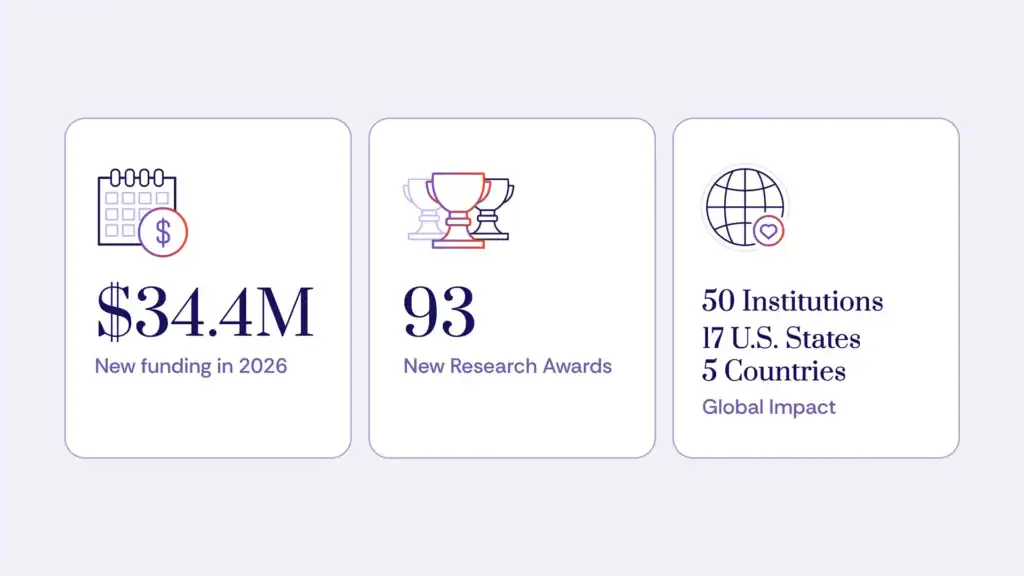
In a fiscal year marked by significant headwinds for scientific research, the Cancer Research Institute (CRI) has demonstrated an unwavering commitment to advancing cancer immunotherapy, announcing a record-breaking $34.4 million in new funding across 93 awards for fiscal year 2025–26. This monumental investment, reaching scientists at 50 institutions across five countries and 17 states, underscores CRI’s strategic determination to keep critical scientific inquiry moving forward amidst a landscape of national funding cuts and economic uncertainty. The decision to dramatically increase grantmaking during such a challenging period highlights CRI’s unique role as a steadfast patron of high-risk, high-reward research, particularly in the burgeoning field of cancer immunology.
Navigating a Challenging Research Landscape
The past year presented a crucible for scientific organizations globally, with researchers across the United States grappling with a tightening funding environment. Government agencies, historically the bedrock of basic scientific research, faced budgetary pressures, leading to reduced grant opportunities and heightened competition for existing funds. Economic fluctuations, including inflation and potential recessionary concerns, also impacted philanthropic giving and institutional endowments, further constricting the financial pipeline for ambitious research projects. For many scientists, this translated into stalled experiments, delayed career progressions, and even the closure of promising laboratories. The atmosphere was one of palpable anxiety, with the long-term implications for scientific innovation and talent retention becoming a serious concern within the academic and medical communities. Against this backdrop, CRI’s decisive action to not only maintain but significantly expand its funding commitments stands as a powerful counter-narrative, reflecting a deep conviction in the transformative potential of sustained scientific investment, especially in the pursuit of a cure for cancer.
A Historic Commitment to Innovation
The $34.4 million allocated in FY2025–26 represents CRI’s largest grantmaking year in its illustrious history, which spans more than 70 years. This record commitment is not merely a quantitative achievement but a qualitative statement about the organization’s enduring mission. Since its inception, CRI has been dedicated to supporting exceptional scientists at crucial junctures in their careers, often before their most groundbreaking discoveries have come to fruition. This philosophy provides researchers with the invaluable freedom to follow scientific intuition, explore unconventional hypotheses, and undertake the calculated risks that are often prerequisites for meaningful progress. The organization understands that behind every award lies a scientist driven by an important question, whether they are launching their careers, establishing independent laboratories, or leading ambitious programs poised to redefine their respective fields. These individuals require more than just a brilliant idea; they need the necessary resources, the flexibility to adapt, and the profound confidence of funders willing to invest in the unproven potential of their work. CRI’s track record includes supporting numerous researchers who have gone on to make seminal contributions to immunology and oncology, leading to breakthroughs that have fundamentally reshaped cancer treatment.
Introducing the CRI IGNITE Award: Fostering Independence
A cornerstone of CRI’s strategic investment in the future of cancer research is the newly launched CRI IGNITE Award, an initiative specifically designed to address one of the most critical and vulnerable periods in a scientist’s professional journey: the transition from postdoctoral training to an independent research career. This phase is fraught with challenges, as promising young scientists must simultaneously establish their own laboratories, define original areas of investigation, and generate the preliminary data essential for competing for long-term federal and institutional funding. It is a period where brilliant ideas, despite their immense potential, can languish or even be abandoned due to a lack of timely and flexible financial support.
Recognizing this critical gap, CRI created IGNITE — an acronym for "Inspiring Growth and Nurturing Independence Through Excellence." This award provides targeted support precisely when talented early-career researchers are ready to build independent programs and pursue their own bold scientific questions. It acts as a bridge, enabling these emerging leaders to secure the foundational evidence needed to launch sustainable research trajectories and contribute novel insights to the field of cancer immunology. By investing in this pivotal career stage, CRI aims to safeguard the pipeline of future scientific leaders and ensure that groundbreaking ideas receive the necessary impetus to evolve into impactful research programs. The IGNITE Award is a testament to CRI’s proactive approach to talent development, ensuring that the next generation of innovators has the resources and confidence to push the boundaries of cancer treatment.
A Success Story: Dr. Simone Park and Tissue-Resident Memory T Cells
The profound impact of CRI’s sustained investment in scientific talent is vividly exemplified by Dr. Simone Park, PhD, an inaugural recipient of the IGNITE Award at the University of Pennsylvania. Dr. Park’s journey with CRI began earlier in her career when she received support as a postdoctoral fellow, a testament to the organization’s long-term commitment to nurturing promising researchers. Now, with the IGNITE Award, she is taking a significant step forward, establishing an independent research program focused on tissue-resident memory T cells.
These specialized immune cells are crucial for lasting protection against cancer recurrence. Unlike circulating T cells, tissue-resident memory T cells remain localized within tissues, forming a persistent surveillance system that can quickly respond to invading pathogens or recurring cancer cells. Dr. Park’s innovative research delves into the fundamental question of what enables these cells to persist and maintain their potent anti-tumor defense capabilities. By meticulously uncovering the biological mechanisms behind their remarkable durability and longevity, she aims to identify novel strategies for harnessing and enhancing these cells to create stronger, more enduring immune protection against various forms of cancer. Her work holds the potential to revolutionize immunotherapy by developing approaches that not only eliminate existing tumors but also prevent their return, offering long-term remission for patients. Dr. Park’s trajectory—from a postdoctoral fellow to an independent investigator supported by CRI—beautifully illustrates the value of a continuous, phased investment in scientists, fostering their expertise, cultivating their independence, and ultimately empowering them to become the scientific leaders who will shape the future of cancer immunotherapy.
A Continuum of Support: From Fellowship to Leadership
Dr. Park’s story is a microcosm of CRI’s overarching strategy: a comprehensive continuum of support designed to nurture scientists at every critical stage of their careers. This long-term approach is central to CRI’s enduring impact on cancer research. The organization’s programs are meticulously structured to provide scaffolding for scientific careers, ensuring that exceptional individuals have the resources and opportunities to advance their work at pivotal moments.
- Postdoctoral Fellowships: These awards launch research careers, providing essential funding for talented young scientists to conduct groundbreaking work under the mentorship of established investigators, laying the foundation for their future independence.
- CRI IGNITE Awards: As demonstrated by Dr. Park, these awards foster independence, bridging the crucial gap between postdoctoral training and establishing an independent laboratory, enabling researchers to develop their own unique lines of inquiry.
- CRI Lloyd J. Old STAR Awards: Named in honor of the "Father of Modern Cancer Immunotherapy," these prestigious awards provide established investigators with the unparalleled freedom to pursue high-risk, high-impact ideas that have the potential to fundamentally transform the field. By offering substantial, flexible funding, STAR Awards empower scientific leaders to undertake ambitious projects that might not otherwise receive conventional funding, pushing the boundaries of what is possible in cancer research.
Together, these interconnected programs create a robust ecosystem that not only identifies and supports promising talent but also ensures that groundbreaking ideas receive sustained investment, from their nascent stages to their full transformative potential. This multi-tiered approach minimizes the risk of scientific stagnation, maximizes the potential for discovery, and cultivates a dynamic pipeline of innovation critical for accelerating progress against cancer.
Beyond the Bench: A Holistic Ecosystem for Discovery
CRI’s commitment to advancing cancer immunotherapy extends far beyond direct research awards. The organization recognizes that accelerating discovery and translating complex biology into better treatments for patients requires a multifaceted, holistic approach. Its broader initiatives contribute significantly to a comprehensive ecosystem designed to propel the field forward:
- Advancing Clinical Studies: CRI plays a vital role in initiating and supporting clinical trials that test promising new immunotherapies in patients, accelerating the transition of laboratory discoveries into real-world treatments. This involves funding trials, fostering collaborations between academic centers and industry, and navigating complex regulatory landscapes.
- Developing Data Programs and Shared Resources: Recognizing the increasing importance of data science in modern biology, CRI invests in programs that develop sophisticated data analysis tools, create shared data repositories, and promote open science practices. These resources enable researchers globally to access and analyze vast datasets, accelerating insights and fostering collaboration.
- Equipping Scientists with New Computational Skills: The revolution in artificial intelligence and machine learning is profoundly impacting biological research. CRI provides training and resources to equip scientists with the computational skills necessary to leverage these powerful tools, enabling them to analyze complex biological data, predict drug responses, and design more effective therapies.
- Patient and Caregiver Support: CRI understands that scientific progress must ultimately serve patients. Through trusted information resources, educational programs, and support networks, CRI helps patients and caregivers navigate the complexities of cancer immunotherapy, empowering them to make informed decisions and access the most cutting-edge treatments. This patient-centric approach ensures that research remains grounded in the needs of those it aims to serve.
Each of these investments contributes synergistically to a broader mission: to accelerate the pace of discovery and ensure that increasingly complex biological insights are rapidly translated into tangible improvements in patient care. This comprehensive strategy reinforces CRI’s position as a leader in not only funding research but also in shaping the entire landscape of cancer immunotherapy.

A Record of Promises Kept
The Cancer Research Institute’s 2026 Annual Impact Report, which details these unprecedented achievements, serves as more than just an accounting of funds; it is a profound record of promises kept. It reflects a commitment to scientists whose bold ideas deserve the chance to grow and flourish, providing them with the necessary resources and intellectual freedom. It reaffirms a promise to patients and their families, who are waiting for new possibilities and breakthrough treatments that offer hope where there was once despair. And it honors the trust of dedicated supporters, whose belief in the transformative power of research fuels CRI’s mission and makes these ambitious investments possible.
Dr. Jill O’Donnell-Tormey, CEO and Director of Scientific Affairs at CRI, remarked on the significance of the past year: "While the broader scientific community faced unprecedented challenges, our resolve only strengthened. We firmly believe that moments of uncertainty are precisely when steadfast investment in fundamental research becomes most critical. Our record grantmaking is a testament to the urgency of our mission and the incredible potential of the scientists we support. We are not just funding projects; we are investing in the future of human health."
Indeed, industry observers and philanthropic experts have lauded CRI’s counter-cyclical investment strategy. Dr. Alan Smith, a prominent analyst in medical philanthropy, noted, "In times of economic contraction or widespread funding anxiety, organizations like CRI that double down on their mission provide an invaluable stabilizing force. They ensure that promising research doesn’t fall by the wayside, maintaining momentum in critical fields like cancer immunotherapy that require continuous, long-term commitment." Dr. Park herself expressed her profound gratitude: "The IGNITE Award has been truly transformative, allowing me to launch my independent lab and pursue my vision for understanding tissue-resident memory T cells without the usual pressures of securing immediate, large-scale funding. This support is invaluable for young scientists striving to make a real difference."
Ultimately, while uncertainty may reshape the landscape in which science advances, it does not alter the fundamental requirements for progress. These remain constant: exceptional people driven by curiosity and dedication, bold ideas that challenge conventional wisdom, and the sustained support necessary to bring these elements together. The Cancer Research Institute’s record-setting year is a powerful declaration that the fight against cancer is not only ongoing but intensifying, fueled by an unwavering belief in the power of research to change lives. With extraordinary work still ahead, CRI is just getting started on its relentless pursuit of a future free from the burden of cancer.
