
 By Gabriel Paijo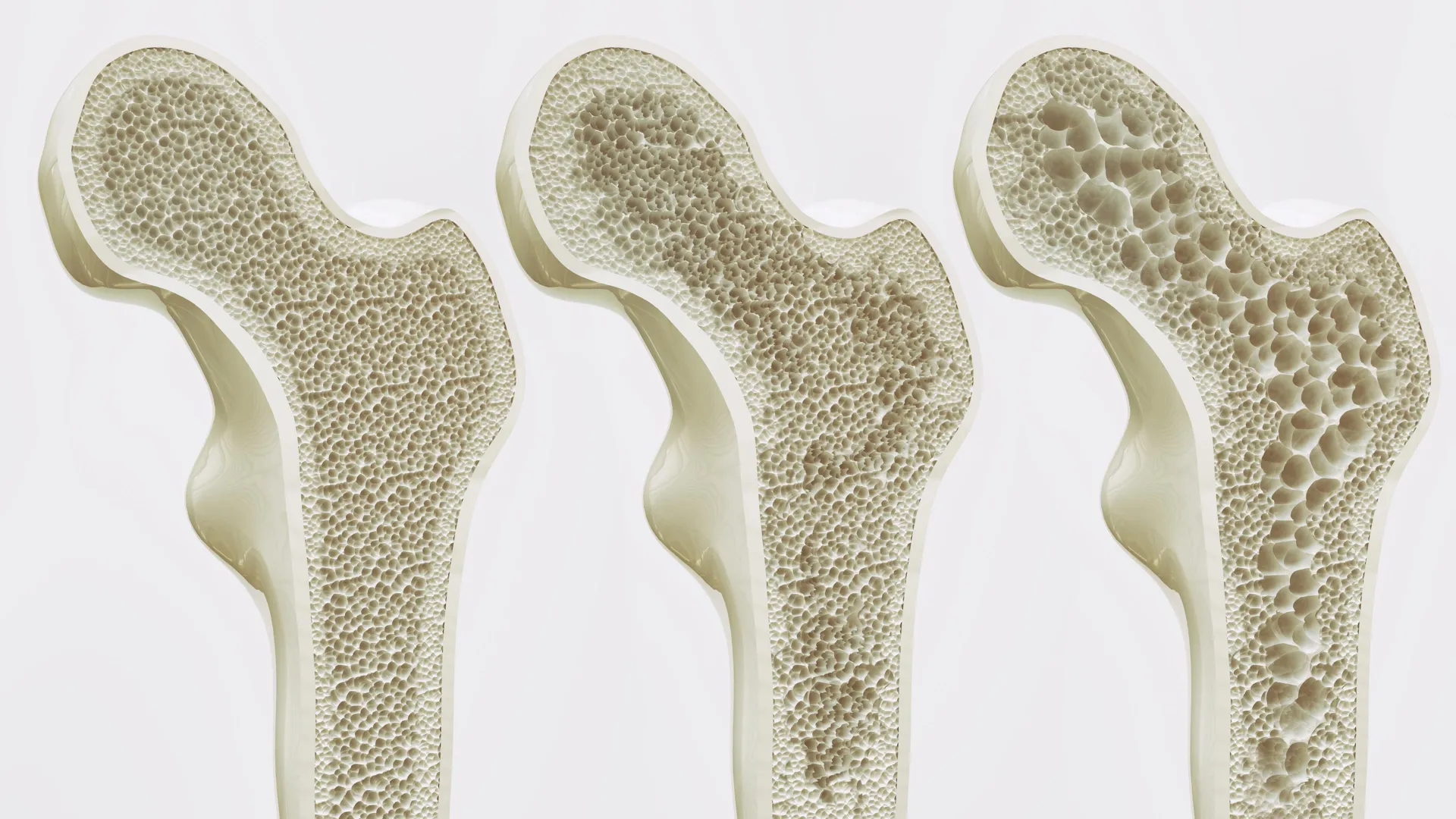
The longstanding medical consensus regarding the necessity of calcium and vitamin D supplements for the prevention of bone-related injuries in the elderly has been significantly challenged by a comprehensive review published in The BMJ. The study, which synthesized decades of clinical research, concludes that for the vast majority of community-dwelling older adults, these supplements offer little to no meaningful protection against falls or broken bones. This finding comes at a time when the global aging population is increasing, and the demand for effective preventative healthcare strategies has never been higher.
The Public Health Context of Falls and Fractures
As life expectancy continues to rise across the globe, the incidence of falls among the elderly has become a primary concern for public health agencies. Statistical data indicates that approximately one in three adults aged 65 and older experiences at least one fall annually. The consequences of these incidents are often severe and multifaceted. Beyond the immediate physical trauma of a fracture—most notably hip, wrist, and spinal fractures—falls often trigger a cascade of secondary health issues.
Chronic pain, a significant loss of physical independence, and a subsequent decline in mental health and quality of life are common outcomes. Furthermore, fall-related injuries are a leading cause of admission into long-term residential care facilities, placing a substantial financial and logistical burden on healthcare systems and families alike. Consequently, identifying interventions that effectively mitigate these risks is a critical priority for clinicians and policymakers.
The Traditional Role of Calcium and Vitamin D
For decades, calcium and vitamin D have been the dual pillars of bone health recommendations. Calcium is recognized as a fundamental structural component of bone tissue, providing the density and strength required to withstand physical stress. Vitamin D plays a crucial role as a hormone that facilitates the intestinal absorption of calcium and regulates bone metabolism.
Based on these biological functions, it was logically assumed that increasing the intake of these substances through supplementation would bolster bone density and reduce the risk of fractures, particularly in populations where dietary intake might be insufficient. However, the relationship between supplement intake and clinical outcomes—such as the actual prevention of a break during a fall—has remained a subject of intense scientific debate.
Previous evidence reviews have often yielded fragmented results. While some studies suggested a benefit, others found that taking calcium or vitamin D in isolation did not significantly alter fracture risk. The evidence for combined supplementation was slightly more optimistic but remained inconsistent, particularly regarding whether vitamin D could improve muscle function enough to prevent the falls themselves. Despite these lingering uncertainties, the medical community has seen a substantial rise in the prescription and over-the-counter purchase of these supplements over the last twenty years.
Methodology: A Massive Scale Meta-Analysis
To provide a more definitive answer to these questions, a team of researchers in Canada conducted an exhaustive review of existing literature. Their analysis included data from 69 randomized controlled trials (RCTs), encompassing a total of 153,902 participants. The use of RCTs is significant; they are considered the "gold standard" of clinical evidence because they involve assigning participants to treatment or control groups (placebo or no treatment) at random, which minimizes the influence of confounding variables like lifestyle, socio-economic status, or baseline health.
The researchers scrutinized the trials based on several criteria:
- The efficacy of calcium supplements alone.
- The efficacy of vitamin D supplements alone.
- The efficacy of combined calcium and vitamin D supplementation.
- The impact of these supplements on the incidence of any fracture, hip fractures specifically, and the frequency of falls.
To ensure the reliability of their conclusions, the team employed the GRADE (Grading of Recommendations, Assessment, Development, and Evaluation) approach. This method allows researchers to assess the "certainty" of the evidence, ranging from high to very low, based on factors such as study design, consistency of results, and the risk of bias within individual trials.
Key Findings: The Threshold of Clinical Significance
A pivotal aspect of this review was the establishment of a "clinically meaningful benefit." In medical research, a result can be statistically significant (meaning it is unlikely to have happened by chance) without being clinically meaningful (meaning the effect is so small it doesn’t actually change the patient’s health outcome in a real-world setting).
The researchers found that across almost all categories, the supplements failed to meet the threshold for a meaningful reduction in risk:
- Calcium Alone: Based on moderate certainty evidence from 11 trials involving 9,067 participants, the researchers concluded there was little to no effect on fracture prevention.
- Vitamin D Alone: Utilizing high certainty evidence from 36 trials involving 92,045 participants, the data showed no meaningful reduction in the risk of fractures or falls.
- Combined Supplementation: Even when taken together, high certainty evidence from 15 trials involving 51,126 participants demonstrated that the combination did not provide the level of protection previously assumed.
When the researchers isolated specific outcomes, such as hip fractures—which are among the most debilitating injuries for older adults—the results remained consistent. The evidence indicated that neither individual nor combined supplementation significantly lowered the probability of sustaining a hip fracture or experiencing a fall.
Analyzing the Consistency of the Data
One of the most compelling aspects of this review is the consistency of the findings across various demographics. The researchers conducted subgroup analyses to see if the supplements might work better for certain people. They accounted for variables such as:
- Age and Sex: Whether the results differed between men and women or between the "young-old" and the "old-old."
- History of Injury: Whether those who had previously suffered a fall or fracture benefited more from the supplements.
- Dietary Intake: Whether the supplements were more effective in individuals who had low levels of calcium in their regular diet.
In nearly every scenario, the results pointed back to the same conclusion: routine supplementation did not offer a substantial shield against falls or bone breaks. This consistency across different groups strengthens the researchers’ confidence that their findings are applicable to the general population of older adults living in the community.
Important Caveats and Exceptions
While the findings are broad, the researchers were careful to note that there are specific populations for whom these results may not apply. The study primarily focused on community-dwelling adults—those living independently. The results might differ for:
- Institutionalized Individuals: People living in nursing homes or residential care may have different nutritional needs or lower levels of sunlight exposure, potentially making supplementation more relevant.
- Diagnosed Bone Disorders: Individuals with established osteoporosis or other metabolic bone diseases who are under a specific medical treatment plan should continue to follow their clinician’s advice.
- Prescription Medications: Those taking medications for bone density may require calcium and vitamin D as part of their pharmaceutical regimen to ensure the drugs work effectively.
The researchers emphasized that patients currently taking these supplements for a diagnosed condition should not discontinue their use without consulting a healthcare professional.
Responses from the Scientific Community
The publication of the review was accompanied by a linked editorial in The BMJ, which provided further context and a call to action for the medical community. The editorial authors argued that the focus of public health policy should begin to shift. While more rigorous, well-powered trials might eventually identify specific high-risk subgroups that benefit from supplements, the current evidence suggests that "routine" or "blanket" recommendations for all older adults are no longer justified.
Researchers and clinicians are now calling on regulatory agencies and guideline panels to re-evaluate their standing recommendations. The rising rate of vitamin D and calcium prescriptions represents a significant healthcare expenditure that, according to this data, may not be yielding the intended public health benefits.
Shifting Focus to Functional Interventions
If supplements are not the answer for fall and fracture prevention, what is? The researchers and the authors of the linked editorial suggest that attention and funding should be redirected toward interventions with a proven track record of success.
The most prominent of these is physical activity, specifically:
- Balance Training: Exercises designed to improve proprioception and stability can significantly reduce the likelihood of a fall occurring in the first place.
- Resistance and Strength Training: Building muscle mass helps protect joints and bones. Stronger muscles can also help an individual "catch" themselves during a stumble, preventing a fall from becoming a fracture.
- Multifactorial Programs: The most effective strategies often involve a combination of exercise, home hazard assessments (such as removing trip hazards like loose rugs), and regular vision checks.
These functional approaches address the root causes of falls—frailty, poor balance, and environmental dangers—rather than just attempting to increase bone mineral density through pills.
Implications for Future Healthcare Policy
The findings published in The BMJ represent a significant moment in geriatric medicine. They suggest that the "magic pill" approach to bone health is largely ineffective for the general aging population. As healthcare systems struggle with rising costs, the de-prescribing of unnecessary supplements could free up resources for more effective, albeit more labor-intensive, interventions like physical therapy and community exercise programs.
In conclusion, while calcium and vitamin D remain essential nutrients for human health, their role as a primary defense against the fractures and falls associated with aging appears to have been overestimated. The path to maintaining independence and skeletal integrity in later life likely involves a more holistic approach centered on physical activity, environmental safety, and targeted medical care rather than routine supplementation. This review serves as a definitive prompt for both doctors and patients to have more nuanced conversations about the true drivers of bone health and injury prevention.
