
 By Nana O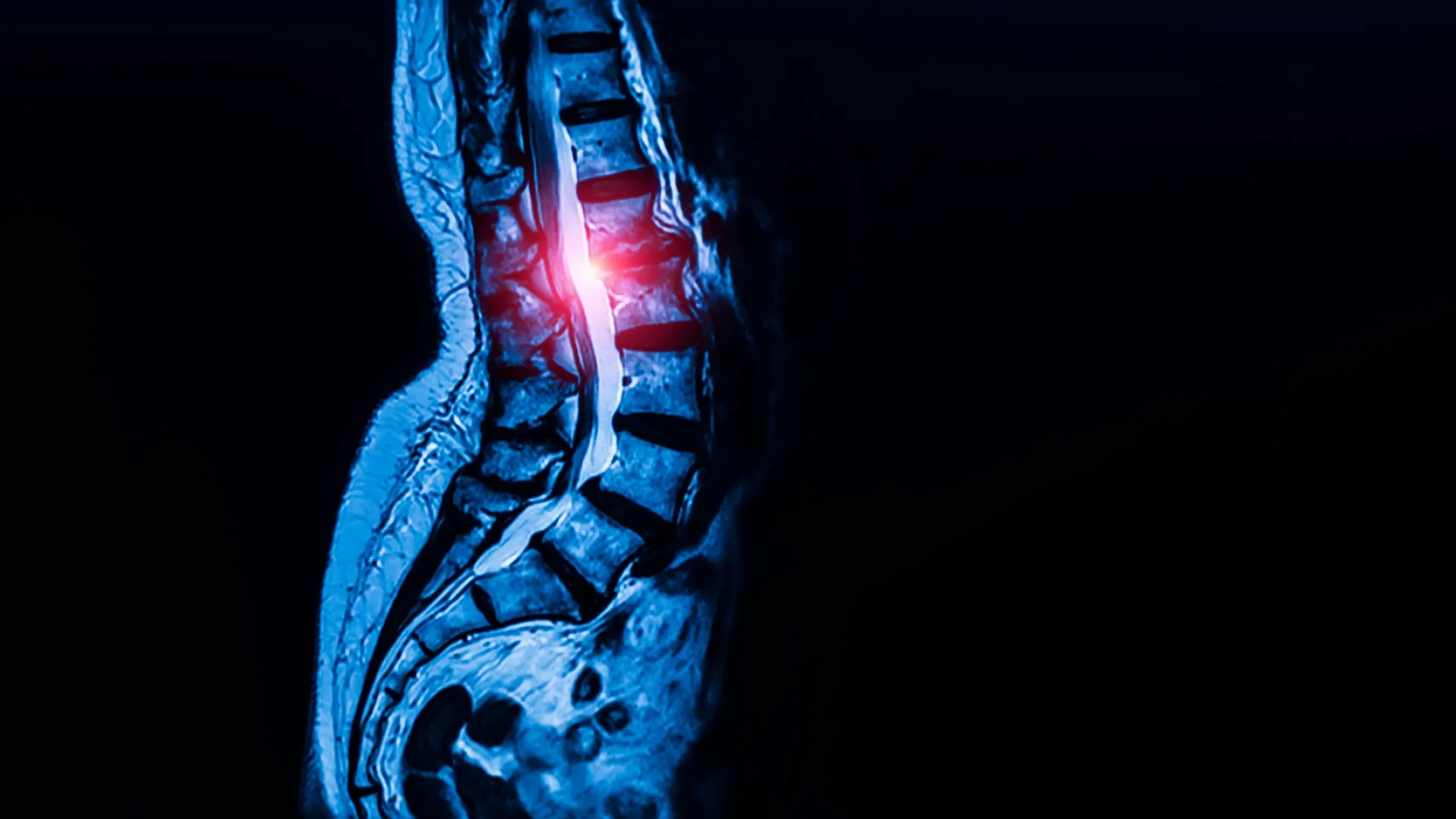
Researchers at Weill Cornell Medicine and the Hospital for Special Surgery (HSS) have identified a previously elusive population of stem cells that appears to be the sole progenitor of the body’s tendons and ligaments, the crucial connective tissues that anchor muscles to bones and bones to bones. This groundbreaking discovery, published on September 7 in the prestigious journal Cell, not only illuminates the fundamental biology of connective tissue development but also offers a tantalizing new therapeutic target for lumbar spinal stenosis, a debilitating condition affecting millions worldwide.
For years, scientists have sought to pinpoint the specific stem cell responsible for generating the diverse array of specialized cells that comprise tendons and ligaments. Unlike bone, which has well-characterized skeletal stem cells, the fibrous and often uniform appearance of connective tissues made distinguishing unique cell populations exceptionally challenging. Dr. Matthew Greenblatt, co-corresponding author and an associate professor of pathology and laboratory medicine at Weill Cornell Medicine, explained the difficulty: "While previous studies had proposed several candidate stem cells, none had definitively shown that a single cell population could both self-renew and generate the full spectrum of tendon and ligament cell types." The research team’s meticulous analysis of thousands of individual cells, employing advanced sorting techniques, finally isolated this critical "master stem cell," characterized by its remarkable ability to both replicate itself indefinitely and differentiate into the mature cell types required for tendon and ligament formation and maintenance.
The identification of these specialized stem cells is more than an academic triumph; it carries profound implications for understanding and treating a range of musculoskeletal disorders. The study’s findings suggest a direct link between an overactivity of these cells in the lower spine and the development of lumbar spinal stenosis. This condition, which impacts an estimated 103 million people globally, arises when the ligaments within the spinal canal thicken, constricting the space and exerting dangerous pressure on the spinal cord and nerve roots. Symptoms can include chronic pain, numbness, and significant mobility issues, often leading to surgical interventions when conservative treatments prove insufficient.
A Decade of Discovery: Tracing the Origins of Skeletal Tissues
This latest discovery builds upon a significant body of work by Dr. Greenblatt and his colleagues, who have been systematically mapping the origins of various skeletal tissues. Their research journey began in 2018 with the identification of the stem cell responsible for initiating fracture repair in the periosteum, the outer membrane of bone. This was followed by the discovery of stem cells involved in the formation of the skull and spine. The quest for the tendon and ligament progenitor cell, however, proved to be a more intricate challenge, demanding novel approaches to dissect the cellular landscape of these complex tissues.
The research team employed a multi-pronged strategy, initially focusing on mouse models where the specialized stem cells were found residing in a discrete anatomical niche within tendons and ligaments. This "reservoir" was observed to be crucial for ongoing tissue growth and repair. Leveraging the insights gained from these studies, the researchers then meticulously searched for analogous cells in human tissue. Human ligament samples were obtained from patients undergoing surgery, with full informed consent, by Dr. Sravisht Iyer, co-corresponding author, an associate professor of orthopedics at Weill Cornell Medicine, and a spine surgeon at HSS.
"Identifying these specialized stem cells unlocks a new area of research that allows us to address this disease much more mechanistically, rather than just waiting until a patient’s condition worsens and requires surgery to relieve the nerve compression," stated Dr. Iyer. "The findings are exciting for their potential to change the way we deliver spinal care." The team, including lead author Dr. Lingling Hu, a postdoctoral fellow in both Dr. Greenblatt’s and Dr. Iyer’s labs, successfully confirmed that human ligament cells possessed the same "stemness" properties—self-renewal and differentiation—observed in their mouse counterparts. Their investigation extended beyond the spine, finding these cells consistently present in various connective tissues, including the patellar ligament (kneecap) and the Achilles tendon. "We looked in the kneecap ligament; we looked at the Achilles tendon; and everywhere we looked, we found this cell," Dr. Greenblatt remarked. "So, we think this is the universal stem cell for tendons and ligaments throughout the body."
Unraveling the Mechanism of Lumbar Spinal Stenosis
With the tendon and ligament stem cell identified, the researchers pivoted to investigate its potential role in the pathogenesis of lumbar spinal stenosis. Their comparative analysis of stem cells derived from patients with spinal stenosis and those from individuals with herniated discs but no signs of stenosis revealed a significant difference. Ligaments from patients with spinal stenosis harbored a higher concentration of these newly identified stem cells. Furthermore, when these cells were transplanted into mice, they exhibited a heightened capacity to generate tendon cells compared to stem cells from healthy ligaments.
"Though spinal stenosis is a complex condition, this really showed us that these cells are contributing to the pathology," Dr. Greenblatt emphasized, highlighting the cells’ direct involvement in the disease process. Delving deeper into the cellular mechanisms, the team observed a distinct difference in calcium signaling within the stem cells associated with spinal stenosis. Calcium signaling plays a critical role in intercellular communication, regulating cellular processes such as growth and activity. Stem cells from stenotic ligaments displayed elevated calcium signaling.
Intriguingly, when the researchers experimentally amplified calcium signaling in stem cells from healthy ligaments, it triggered excessive tissue growth, mirroring the pathological changes seen in spinal stenosis. Conversely, reducing calcium signaling in a mouse model of lumbar spinal stenosis effectively halted abnormal cell proliferation. This critical finding strongly suggests that calcium signaling within these stem cells is a key driver of the ligament thickening characteristic of spinal stenosis.
A New Frontier in Therapeutic Intervention for Spinal Stenosis
The discovery of the role of calcium signaling opens a promising new avenue for therapeutic intervention. The findings point towards calcium channel blockers, a class of drugs already widely prescribed for managing high blood pressure, as potential candidates for treating spinal stenosis. While extensive clinical trials will be necessary to ascertain the safety and efficacy of these existing medications in this new context, the prospect offers a non-surgical alternative for patients suffering from this prevalent condition.
"This is probably the first work that’s shown a potential therapeutic target for one of the most common spine conditions in the world," Dr. Iyer stated, underscoring the significance of this advancement. The implications of this research extend far beyond lumbar spinal stenosis. Dr. Greenblatt indicated plans to explore whether these same stem cells are implicated in other connective tissue disorders, such as Marfan syndrome, a genetic condition that affects multiple connective tissues throughout the body.
Furthermore, the discovery could revolutionize the understanding of why certain tendon and ligament injuries, including common ailments like rotator cuff tears and Achilles tendon injuries, are notoriously difficult to heal. Future research may focus on the role of these master stem cells in ligament reconstruction procedures and the management of chronic tendon degeneration. "Given that this cell appears to be the ultimate origin of all tendon and ligament cells, defects in this cell are likely at the heart of a wide range of tendon and ligament disorders," Dr. Greenblatt concluded. This fundamental insight into the cellular origins of connective tissues promises to reshape how physicians approach a broad spectrum of musculoskeletal health challenges.
The research was supported by a multitude of grants, including funding from the Marfan Foundation, the Children’s Tumor Foundation, the Arthritis National Research Foundation, Weill Cornell Medicine, the National Research Foundation of Korea, the National Institutes of Health, the Pershing Square Foundation, the Mary Kay Ash Foundation, and the Burroughs Wellcome Fund. This collaborative effort highlights the significant investment and dedication poured into unraveling the complexities of human biology and developing innovative medical solutions.
