
 By admin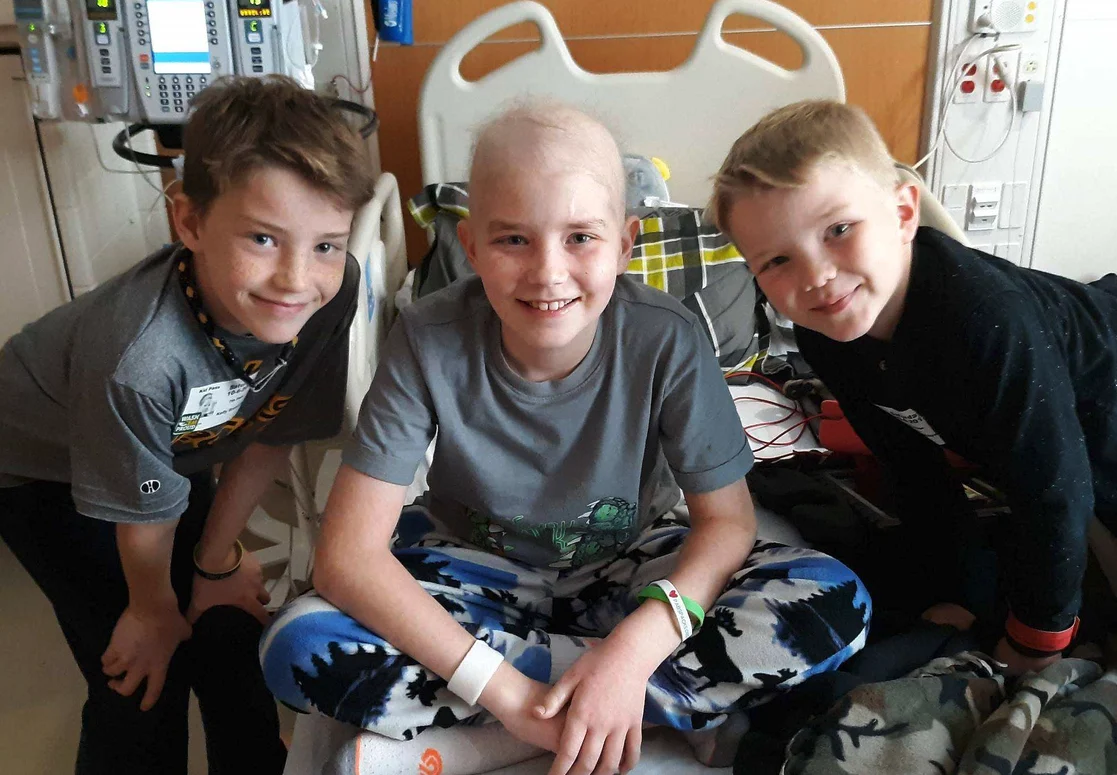
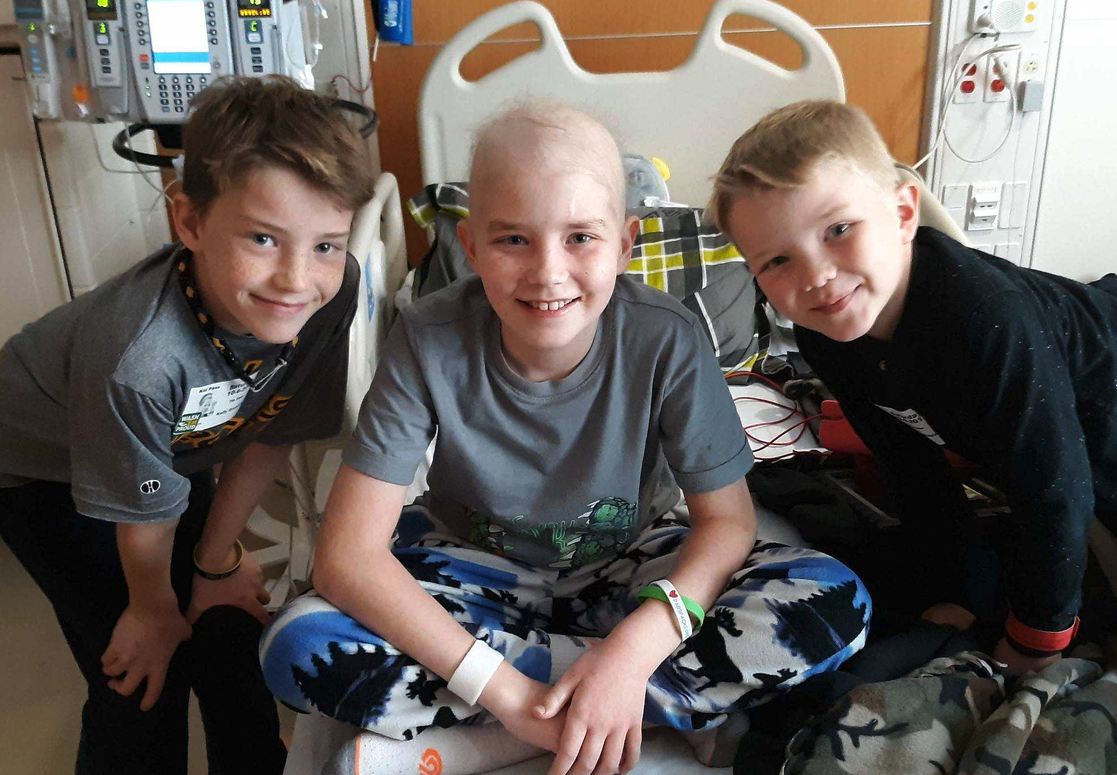
When Cole was diagnosed with cancer at the age of 11, his immediate concerns were binary: life and sport. He asked his doctors if he would die, and then he asked if he could play hockey. The answer to the former was hopeful, but the answer to the latter—a definitive "no" for the upcoming season—elicited the first of many tears. Today, at 19, Cole’s life is defined not by the time he spent in a hospital bed, but by the heat of professional kitchens. Having trained at a prestigious culinary school in Switzerland, he is currently forging a career in the high-stakes world of international gastronomy. However, his journey reveals a stark reality often overlooked in pediatric oncology: for many survivors, the end of chemotherapy is not the end of the struggle, but the beginning of a complex psychological battle.
The Medical Battle: Understanding Burkitt’s Lymphoma
In 2018, Cole was diagnosed with Burkitt’s lymphoma, a highly aggressive form of B-cell non-Hodgkin lymphoma. This particular cancer is known for its rapid progression; it is one of the fastest-growing tumors in humans. For Cole, the physical manifestation was a tumor located behind his nose, which caused excruciating headaches and a sensation of intense pressure, described by the then-11-year-old as feeling like water in his ears, but with agonizing, debilitating pain.
The clinical response to Burkitt’s lymphoma must be as aggressive as the disease itself. Cole’s treatment regimen, which spanned from August to December of 2018, required him to be hospitalized for the majority of that period. His protocol included four and a half rounds of intensive chemotherapy, multiple surgical interventions, and a series of lumbar punctures—procedures used to check for the spread of cancer to the central nervous system and to deliver prophylactic chemotherapy directly into the spinal fluid.
By February 2019, the medical intervention was deemed a success. The cancer was eradicated, and Cole returned to school. To the outside world, he was a success story—a "survivor" who had beaten the odds. Cole himself attempted to lean into this narrative, rejoining his peer group and eventually returning to the hockey rink. However, the physical toll of the treatment had left invisible scars. Short-term memory loss, a common cognitive side effect of chemotherapy often referred to as "chemobrain," meant that academic tasks required double the effort. Despite these hurdles, he maintained a facade of normalcy until external pressures began to mount.

The Convergence of Crisis: 2020 and the Mental Health Spiral
The year 2020 served as a catalyst for a secondary, more profound crisis. While Cole had survived a biological threat, he was now faced with a psychological one. The onset of the COVID-19 pandemic led to widespread social isolation, removing the support system of friends and teammates that had been vital to his initial recovery. Simultaneously, his family structure was shifting as his parents navigated a divorce.
This "cocktail" of stressors, as Cole described it, triggered a downward spiral into depression, anxiety, and Post-Traumatic Stress Disorder (PTSD). By the age of 15, the young man who had fought so hard for his life began to engage in self-harm and substance abuse, including the use of marijuana, nicotine, and alcohol. The crisis reached a breaking point on the day after his 15th birthday when he was transported to the emergency room after arriving at school intoxicated.
The incident highlighted a significant gap in the support network for pediatric cancer survivors. While the community had rallied around Cole during his chemotherapy, the reaction to his mental health crisis was markedly different. His mother, Kelly, noted that the social grace extended to a child with cancer does not always extend to a teenager struggling with addiction or behavioral issues.
Supporting Data: The Long-Term Psychological Impact of Pediatric Cancer
Cole’s experience is reflected in broader clinical data regarding pediatric cancer survivors. According to studies published by the National Institutes of Health (NIH) and the American Cancer Society, survivors of childhood cancer are at a significantly higher risk for long-term psychological distress compared to their peers.
- PTSD and Anxiety: Research indicates that up to 20% of childhood cancer survivors experience symptoms of PTSD, while a larger percentage struggle with generalized anxiety and depression.
- Risk-Taking Behaviors: A study in the Journal of Clinical Oncology found that adolescent survivors are often more prone to "risk-taking behaviors," including substance abuse, as a coping mechanism for the trauma experienced during treatment.
- The "Late Effects" Phenomenon: Beyond the psychological, survivors often face "late effects" of treatment, which can include cardiovascular issues, secondary cancers, and cognitive impairments. These physical realities often exacerbate mental health struggles.
- The Caregiver Gap: Families frequently report a "cliff" in support. Once active treatment ends, the frequency of contact with medical professionals drops, leaving parents like Kelly to navigate complex mental health systems with long wait times and limited specialized resources.
The Failure of Conventional Therapy and the Search for Efficacy
For Cole, traditional talk therapy proved to be a double-edged sword. While his mother advocated for clinical intervention, Cole found that the pressure to "get better" in a linear fashion was counterproductive. He participated in sessions for a year, but the expectation of steady progress created a new form of anxiety. He understood the theoretical coping strategies—exercise, outdoor activity, and mindfulness—but found that they were not always sufficient to halt a negative thought spiral in real-time.
Cole eventually realized that his recovery would not be a straight line. This realization is a cornerstone of trauma-informed care: healing is often cyclical. The "all or nothing" approach to mental health—where a single setback is viewed as a total failure—can be devastating for survivors who already feel a sense of "lost time" due to their illness.
The Culinary Turning Point: From Dishwashing to Fine Dining
The resolution to Cole’s crisis did not come from a clinical setting, but from the disciplined, high-pressure environment of a commercial kitchen. At 15, he began working as a dishwasher at a casino where his mother was employed. For many, the role is a menial entry-level job; for Cole, it was a lifeline.
The executive chef at the casino recognized Cole’s interest and set a clear, conditional path for his advancement. If Cole could improve his grades, avoid disciplinary issues, and maintain his sobriety, he would be given a spot "on the line" as a cook when he turned 16. This structure provided the external accountability and immediate feedback that Cole had been lacking.
The kitchen offered a unique form of "pressure therapy." Unlike the abstract pressure of school or the emotional pressure of therapy, the pressure of a kitchen is immediate and task-oriented. "Your project is due in 20 minutes because you have to get the food out," Cole noted. This environment forced him to focus on the present moment, effectively "crowding out" the negative thought spirals that had previously dominated his mind.
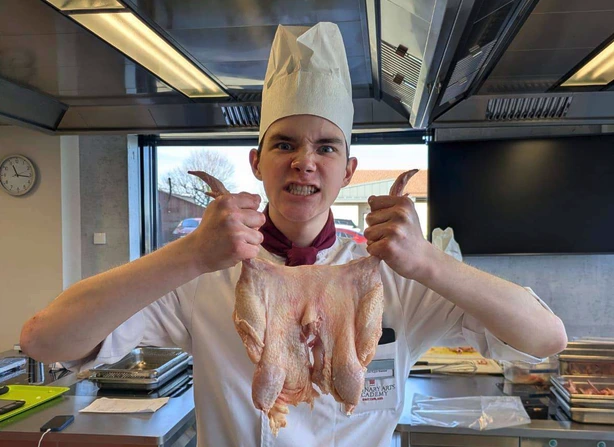
Over the course of three summers, Cole moved from the grill to the sauté station, eventually mastering the ovens, broilers, and fryers. The sense of mastery—the ability to run an entire kitchen and have experienced chefs look to him for answers—rebuilt his self-esteem in a way that clinical recovery could not.
International Training and Future Outlook
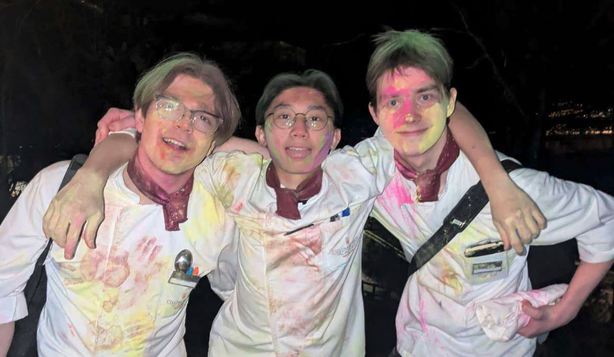
Cole’s commitment to his new craft led him to Switzerland in the fall of 2026, where he enrolled in a world-class culinary program. This transition marked his full evolution from a "cancer patient" to a "professional." The program provided him with a global network, leading to internships and job opportunities that have taken him from Europe to the American West.
Currently working in Montana, Cole is honing his skills alongside veteran chefs. He has set ambitious goals for his career, aiming to make a name for himself within international hotel chains. His objective is to be recognized for his speed, precision, and work ethic—to be the person who enters an internship and becomes an indispensable asset within a month.
While he still manages the echoes of his past trauma and is working on the final stages of his recovery from nicotine use, his perspective has shifted. He no longer views healing as a mountain to be conquered all at once. Instead, he approaches it like a complex recipe or a busy dinner service: one task at a time, one plate at a time.
Implications for the Future of Pediatric Oncology
Cole’s story serves as a critical case study for the medical community. It highlights the necessity for a more integrated approach to "survivorship." The current model often prioritizes biological remission while treating psychological health as a secondary, or even tertiary, concern.
Experts in the field are increasingly calling for:
- Long-term Psychosocial Screening: Integrating mental health check-ups into the standard five-year and ten-year follow-up appointments for cancer survivors.
- Parental Education: Providing families with clear "warning signs" of PTSD and substance abuse specifically tailored to the survivor experience.
- Vocational and Task-Based Therapy: Recognizing that for some survivors, traditional therapy may be less effective than finding purpose in structured, high-engagement environments like the culinary arts, trades, or sports.
Cole’s journey from a terrified 11-year-old asking about death to a 19-year-old mastering the sauté station in Montana is a testament to resilience. However, it also stands as a reminder that "beating cancer" is often just the first round of a much longer fight for a meaningful life. For Cole, the heat of the kitchen was where he finally found the cool-headedness to move forward.
