
 By admin
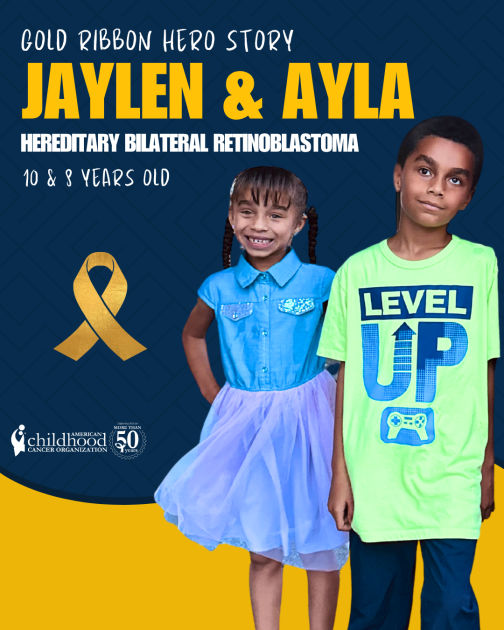
The journey of the family of Jaylen and Ayla, two siblings who have successfully navigated the complexities of hereditary bilateral retinoblastoma, serves as a profound case study in both the challenges of pediatric oncology and the critical importance of medical advocacy. Now aged 10 and 8 respectively, Jaylen and Ayla represent the resilience of childhood cancer survivors, yet their path to health was marked by significant systemic barriers, including a high-stakes struggle for accessible communication within the healthcare system. Their story highlights the intersection of rare genetic conditions, the necessity of early diagnostic awareness, and the legal obligations of medical providers to accommodate patients and caregivers with disabilities.
Early Detection and the Significance of the Leukocoria "Glow"
The diagnostic timeline for the family began when Jaylen was only two months old. His mother, Denice, observed a subtle physical anomaly: his left eye appeared to veer outward, a condition known medically as strabismus. Simultaneously, the family noticed a peculiar "glow" in Jaylen’s eye in photographs. At the time, this was dismissed as a common photographic artifact caused by camera flashes. However, medical experts now identify this white reflection, or leukocoria, as one of the primary clinical signs of retinoblastoma.
Retinoblastoma is a rare form of cancer that rapidly develops from the immature cells of a retina, the light-detecting tissue of the eye. It is the most common primary intraocular cancer of childhood, typically affecting children under the age of five. In Jaylen’s case, the presence of leukocoria and strabismus were classic indicators of a growing intraocular tumor. Because retinoblastoma can be hereditary, early detection is paramount to saving not only the child’s sight but also their life.
Navigating Systemic Barriers in Healthcare
The family’s pursuit of a diagnosis was met with an immediate and unexpected hurdle. When Jaylen was four months old, Denice sought a routine check-up to address her concerns. However, the medical facility refused to see them, citing the lack of an American Sign Language (ASL) interpreter for Denice, who is deaf. This refusal highlights a significant gap in healthcare accessibility and a potential violation of the Americans with Disabilities Act (ADA).
Under the ADA, healthcare providers are required to provide "auxiliary aids and services," such as qualified interpreters, to ensure effective communication with patients or companions who are deaf or hard of hearing. The delay caused by this refusal forced Denice to independently track down specialized care. Her persistence eventually led to a successful appointment with a provider capable of facilitating communication, which ultimately resulted in Jaylen’s diagnosis of bilateral retinoblastoma—meaning the cancer was present in both eyes.
The Hereditary Nature of Retinoblastoma
Following Jaylen’s diagnosis, the family was alerted to the hereditary nature of the condition. Retinoblastoma occurs in two forms: sporadic and heritable. Approximately 40% of cases are heritable, caused by a germline mutation in the RB1 gene. Children with the heritable form are predisposed to developing tumors in both eyes (bilateral) and are often diagnosed at a much earlier age than those with the sporadic form.
Because Jaylen carried the hereditary marker, his younger sister, Ayla, was monitored closely from birth. This proactive medical surveillance proved life-saving. At just four weeks old, clinical screenings confirmed that Ayla also had bilateral retinoblastoma. While the news was devastating for the family, the early diagnosis allowed for an immediate intervention strategy, which is often the deciding factor in the success of eye-salvage treatments.
Clinical Interventions and Treatment Modalities
The treatment regimens for Jaylen and Ayla were intensive and spanned several years, involving a multidisciplinary approach to oncology. The primary goals in treating retinoblastoma are to save the patient’s life, preserve the eye, and maintain as much vision as possible.
For both children, the treatment plan included:
- Chemotherapy: Used to shrink the tumors (chemoreduction) to make local treatments more effective.
- Cryotherapy: A technique that uses extreme cold to freeze and destroy cancer cells in the retina.
- Laser Therapy (Photocoagulation/Thermotherapy): Utilizing focused light to cut off the blood supply to tumors or to heat and destroy cancer cells directly.
- Strabismus Surgery: Performed specifically for Jaylen to correct the alignment of his eyes.
- Enucleation: A surgical procedure to remove the eye. While medical advancements have increased the rates of eye salvage, Ayla’s condition eventually required the removal of one eye to prevent the spread of the cancer to the optic nerve and brain.
Both children have since transitioned to life with prosthetic eyes. The adaptation to ocular prosthetics is a significant milestone for retinoblastoma survivors, requiring both physical healing and psychological adjustment.
The Role of Advocacy and Parental Resilience
Denice’s experience as a deaf mother navigating a complex pediatric oncology landscape has turned her into a fierce advocate for her children. She has publicly spoken about the "anger and frustration" of facing a medical system that initially turned her away. This experience fueled her resolve to become what she describes as the "ultimate advocate and manager" for her children’s health.
The family has also faced the modern challenge of sharing their journey on social media. Despite receiving criticism regarding their parenting choices—specifically Denice’s philosophy of allowing her children to be "beautifully spoiled" and focused on the present—the family remains steadfast. Denice asserts that after surviving the trauma of childhood cancer, the priority remains the joy and emotional well-being of Jaylen and Ayla.
Analysis of Implications for Pediatric Oncology
The case of Jaylen and Ayla underscores several critical points for the medical community and the public:
- The Critical Importance of the "Glow" Awareness: Public health campaigns, such as those supported by the American Childhood Cancer Organization (ACCO), emphasize that a white glow in a child’s eye in photos should be treated as a medical emergency until proven otherwise.
- Genetic Counseling: Families with a history of retinoblastoma require rigorous genetic testing and early screening for newborns. Ayla’s diagnosis at four weeks demonstrates how genetic awareness can lead to earlier, more manageable interventions.
- Healthcare Accessibility: The refusal of care due to a lack of an ASL interpreter is a reminder that medical outcomes are often tied to the accessibility of the healthcare system. Ensuring that providers comply with ADA standards is essential for the safety of children whose parents have disabilities.
- Psychosocial Recovery: The use of custom-colored irises by Ayla to "rock her style" highlights a shift in how prosthetic use is viewed—moving from a hidden medical necessity to a form of personal empowerment and expression.
Current Status and Future Outlook
Today, both Jaylen and Ayla are in remission and are described as thriving. Ayla has taken the initiative to learn ASL, further bridging the communication gap within her family and community. Her independence and the siblings’ collective joy serve as a testament to the efficacy of modern oncological treatments and the power of dedicated parental care.
Retinoblastoma has a survival rate of over 95% in developed countries when caught early. However, survivors of the hereditary form remain at a higher risk for developing secondary cancers later in life, such as osteosarcoma or melanoma. Consequently, Jaylen and Ayla will require lifelong medical surveillance.
By sharing their story, the family contributes to a broader understanding of childhood cancer. They emphasize that while a diagnosis is life-altering, it does not preclude a life of triumph and happiness. Their advocacy continues to shed light on the necessity of early detection and the fundamental right to accessible healthcare for all families, regardless of disability.
The American Childhood Cancer Organization continues to provide resources for families facing similar diagnoses, emphasizing that through research, early detection, and community support, the narrative of childhood cancer can move from one of fear to one of hope and survival. Together, through increased awareness of symptoms like the "glow" and the enforcement of inclusive medical practices, the outcomes for children with retinoblastoma can continue to improve globally.
