
 By Nana O
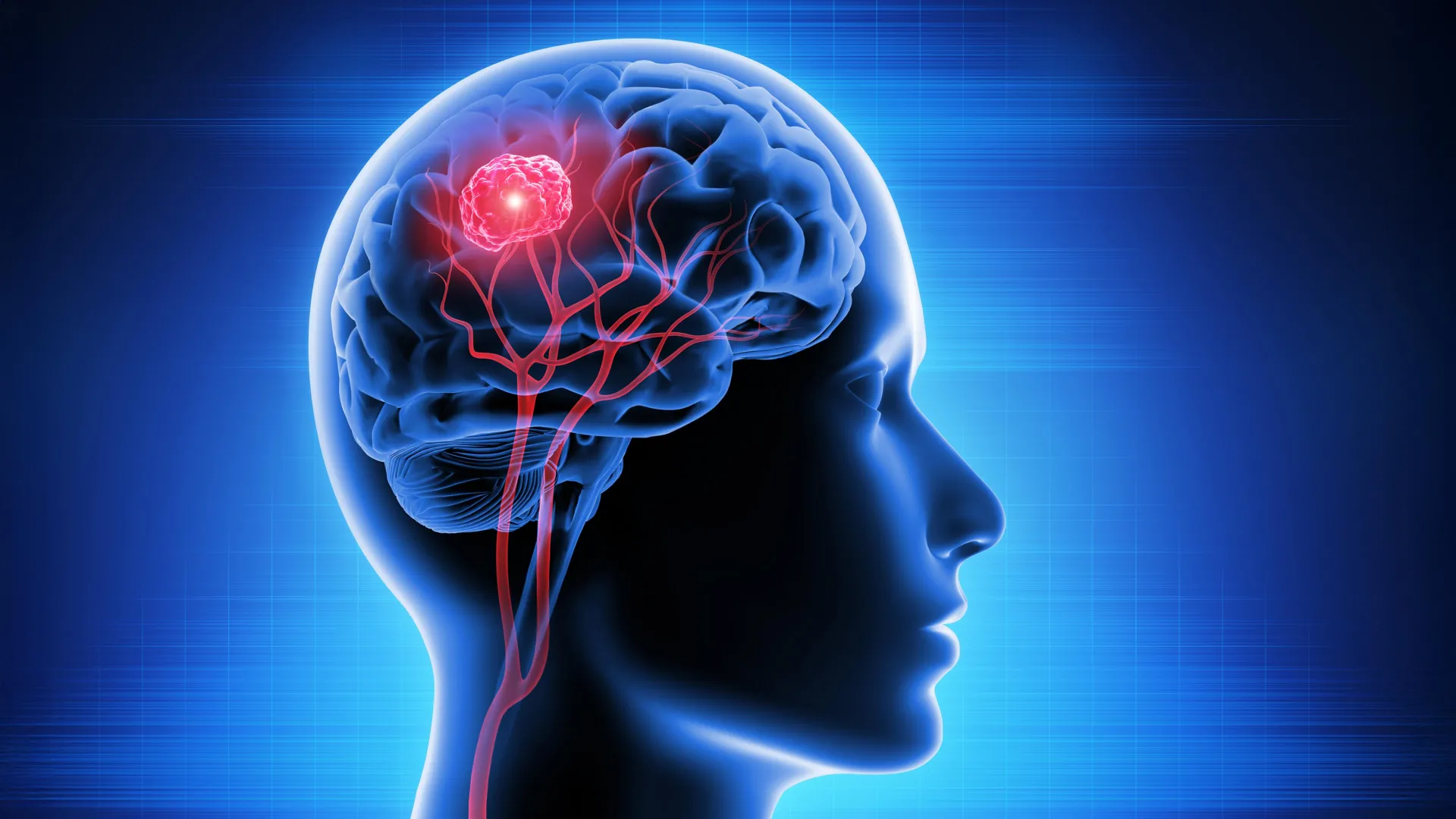
A groundbreaking study published in the esteemed journal Oncoscience has unveiled a promising new therapeutic avenue for glioblastoma, an exceptionally aggressive and notoriously difficult-to-treat form of brain cancer. The research, led by a collaborative team from Nitric Oxide Services, LLC, and the Cleveland Clinic Foundation Taussig Cancer Center, centers on a modified form of vitamin B12, known as nitrosylcobalamin (NO-Cbl), which possesses the remarkable ability to release nitric oxide. This novel compound demonstrated an impressive capacity to penetrate the formidable blood-brain barrier (BBB) and selectively accumulate within glioblastoma tumors, offering a potential paradigm shift in the fight against this devastating disease.
The Unyielding Challenge of Glioblastoma
Glioblastoma multiforme (GBM) stands as one of the most lethal and treatment-resistant malignancies afflicting the human brain. Despite the integration of surgery, radiation therapy, and chemotherapy – the current pillars of treatment – the prognosis for patients diagnosed with GBM remains grim, with a median survival rate of less than 15 months. A significant impediment to effective treatment lies in the existence of the blood-brain barrier (BBB). This highly selective physiological shield, designed to protect the central nervous system from pathogens and toxins, inadvertently acts as a formidable obstacle, preventing a vast majority of therapeutic agents from reaching cancerous tissue within the brain at sufficient concentrations. This inherent difficulty in drug delivery has long been a central challenge in neuro-oncology, necessitating the exploration of innovative strategies that can overcome this biological barrier.
Unveiling the Potential of Nitrosylcobalamin
The research team, spearheaded by first and corresponding author Joseph A. Bauer, embarked on a comprehensive investigation to ascertain the therapeutic potential of NO-Cbl. Their primary objective was to determine if this modified vitamin B12 derivative could successfully navigate the BBB and specifically target glioblastoma tumors, thereby concentrating its therapeutic effects where they are most needed. To achieve this, a multifaceted experimental approach was employed, encompassing a range of in vitro and in vivo studies.
Key Experimental Methodologies:
- In Vitro Cancer Cell Line Screening: The study began with evaluating the efficacy of NO-Cbl against a diverse panel of human tumor cell lines, specifically the NCI-60 panel. This broad screening allowed researchers to identify which cancer types exhibited sensitivity to the compound and to gauge its general antitumor activity.
- Pharmacokinetic and Tissue Distribution Studies in Animal Models: To assess the compound’s behavior within a living organism, particularly its ability to cross the BBB and its distribution within the brain, pharmacokinetic studies were conducted in rats that had been experimentally induced with glioblastoma tumors. These studies were crucial for understanding how NO-Cbl is absorbed, distributed, metabolized, and excreted, and importantly, whether it reaches the tumor site.
- Synergistic Activity Assays: Recognizing that glioblastoma often requires multimodal treatment approaches, the researchers also investigated the potential of NO-Cbl to enhance the effectiveness of existing and experimental glioblastoma therapies. This involved testing NO-Cbl in combination with established chemotherapeutic agents like temozolomide and experimental agents such as TRAIL (Tumor Necrosis Factor-Related Apoptosis-Inducing Ligand) in human glioblastoma cell lines.
Promising Antitumor Activity and Selective Accumulation
The results emanating from these rigorous experiments painted an encouraging picture. Across the NCI-60 panel, NO-Cbl demonstrated notable antitumor activity, suggesting a broad therapeutic spectrum. More specifically, cancer cells originating from the central nervous system, including those derived from brain tumors, exhibited a moderate but significant sensitivity to the treatment. This finding was particularly encouraging, given the inherent resistance of many brain tumors to conventional therapies.
The most pivotal aspect of the study revolved around the compound’s ability to traverse the BBB and target tumor tissue. In the animal experiments, NO-Cbl, when administered systemically, successfully breached the blood-brain barrier. Crucially, it was observed to accumulate preferentially within the glioblastoma tumor tissue. This selective accumulation is a critical factor in the potential efficacy of any brain-targeted therapy, as it maximizes the drug’s concentration at the tumor site while minimizing exposure to healthy brain tissue, thereby potentially reducing off-target side effects.
Further substantiating this selective accumulation, researchers observed that NO-Cbl remained active within the tumors for an extended period. Nitrate levels, a byproduct of nitric oxide release, were found to remain elevated in tumor tissue for at least 24 hours post-treatment. In stark contrast, nitrate levels in normal surrounding tissues declined much more rapidly. This temporal difference strongly suggests that NO-Cbl is retained within the tumor microenvironment, allowing for sustained delivery of nitric oxide directly to the cancer cells. Figures 2 and 3 of the published study, detailing nitrate and cobalamin-related metabolite levels in various organs, provided robust visual and quantitative evidence supporting this preferential accumulation in brain tumor tissue compared to other organs.
Synergistic Enhancement of Existing Treatments
Beyond its intrinsic antitumor effects and selective targeting capabilities, the study explored the critical question of whether NO-Cbl could amplify the impact of established glioblastoma treatment modalities. In meticulously controlled laboratory studies utilizing two well-characterized human glioblastoma cell lines, U87 and D54, the combination of NO-Cbl with either TRAIL or temozolomide yielded significantly more potent suppression of tumor cell proliferation than any of the treatments administered individually. This synergistic interaction was observed across multiple dose ranges, indicating a robust cooperative effect between NO-Cbl and these established therapies.
The implications of this synergistic activity are profound. It suggests that NO-Cbl might not only serve as a standalone treatment but also as a potent adjuvant, capable of enhancing the efficacy of current standard-of-care treatments. This could translate into more effective tumor control, potentially leading to improved patient outcomes and extended survival periods.
The study authors themselves highlighted this crucial finding in their concluding remarks: "This pilot study demonstrates that NO-Cbl crosses the BBB, accumulates selectively in brain tumor tissue, and synergizes with established and experimental glioblastoma therapies."
Overcoming Treatment Resistance: A New Frontier
A significant challenge in glioblastoma treatment is the development of resistance to therapeutic agents. Tumors can evolve mechanisms that allow them to evade the effects of drugs like temozolomide, rendering subsequent treatments less effective. The authors of the Oncoscience paper posit that NO-Cbl may also play a vital role in overcoming these resistance mechanisms.
Drawing upon existing research, the paper references the known biological activities of NO-Cbl. It is understood that NO-Cbl can:
- Promote Apoptosis: Induce programmed cell death in cancer cells, a crucial mechanism for tumor eradication. This is achieved, in part, through the activation of caspase-8, a key enzyme in the apoptotic pathway.
- Suppress Survival Signaling: Interfere with NF-κB survival signaling pathways. NF-κB is a transcription factor that often plays a critical role in promoting cancer cell survival and resistance to therapy.
- Strengthen TRAIL Receptor Signaling: Enhance the effectiveness of TRAIL-mediated apoptosis through a process called S-nitrosylation. TRAIL is a protein that can trigger cell death in cancer cells, and its signaling pathway can be modulated by nitric oxide.
Collectively, these molecular mechanisms suggest that NO-Cbl could render glioblastoma cells more susceptible to therapeutic interventions, including those that have become resistant to standard treatments like temozolomide. This dual action – direct tumor targeting and enhancement of existing therapies, coupled with the potential to overcome resistance – positions NO-Cbl as a multifaceted therapeutic candidate.
A Glimpse into the Future: Further Research and Clinical Translation
It is imperative to emphasize that the findings presented in this study represent the results of a pilot translational research effort. While exceptionally promising, these early findings necessitate further rigorous investigation before NO-Cbl can be considered for clinical application in patients. The authors are keenly aware of this and have outlined a clear path for future research.
Future Research Directions:
- Orthotopic Validation: Conducting further studies in animal models where tumors are implanted in their natural anatomical location (orthotopically) will provide a more accurate representation of the human disease and the tumor microenvironment.
- Dosing Strategy Optimization: Determining the optimal dosage, frequency, and route of administration of NO-Cbl will be critical for maximizing therapeutic benefit and minimizing potential toxicity.
- Long-Term Nitric Oxide Activity Tracking: Extended monitoring of nitric oxide activity within the tumor and surrounding tissues will provide a more comprehensive understanding of the drug’s pharmacokinetic and pharmacodynamic profile over time.
- Mechanism of Action Elucidation: Further investigations into the precise molecular mechanisms by which NO-Cbl exerts its effects, particularly in the context of overcoming treatment resistance, will be crucial for refining therapeutic strategies.
- Broader CNS Tumor Models: Evaluating NO-Cbl’s efficacy in other types of central nervous system tumors will broaden the potential applicability of this therapeutic approach.
Broader Impact and Implications for Neuro-Oncology
The implications of this research extend beyond the immediate context of glioblastoma. The successful demonstration of a cobalamin-based nitric oxide donor that can penetrate the BBB and selectively target tumor tissue opens up new avenues for drug delivery in neuro-oncology. The ability to enhance the efficacy of existing therapies and potentially overcome treatment resistance represents a significant leap forward in addressing the complexities of brain cancer.
If further research validates these initial findings, NO-Cbl could offer a novel strategy for improving drug delivery to the brain, a persistent challenge in the field. By combining BBB penetration, selective tumor targeting, and synergistic activity with existing treatments, NO-Cbl holds the potential to significantly improve the therapeutic landscape for glioblastoma patients and potentially other challenging brain cancers, offering a much-needed beacon of hope in a field that has long sought more effective solutions. The journey from laboratory discovery to clinical application is often long and arduous, but this pioneering work by Bauer and his colleagues has laid a compelling foundation for future advancements in the fight against one of humanity’s most formidable adversaries.
