
 By Suherman Candra Maholtra
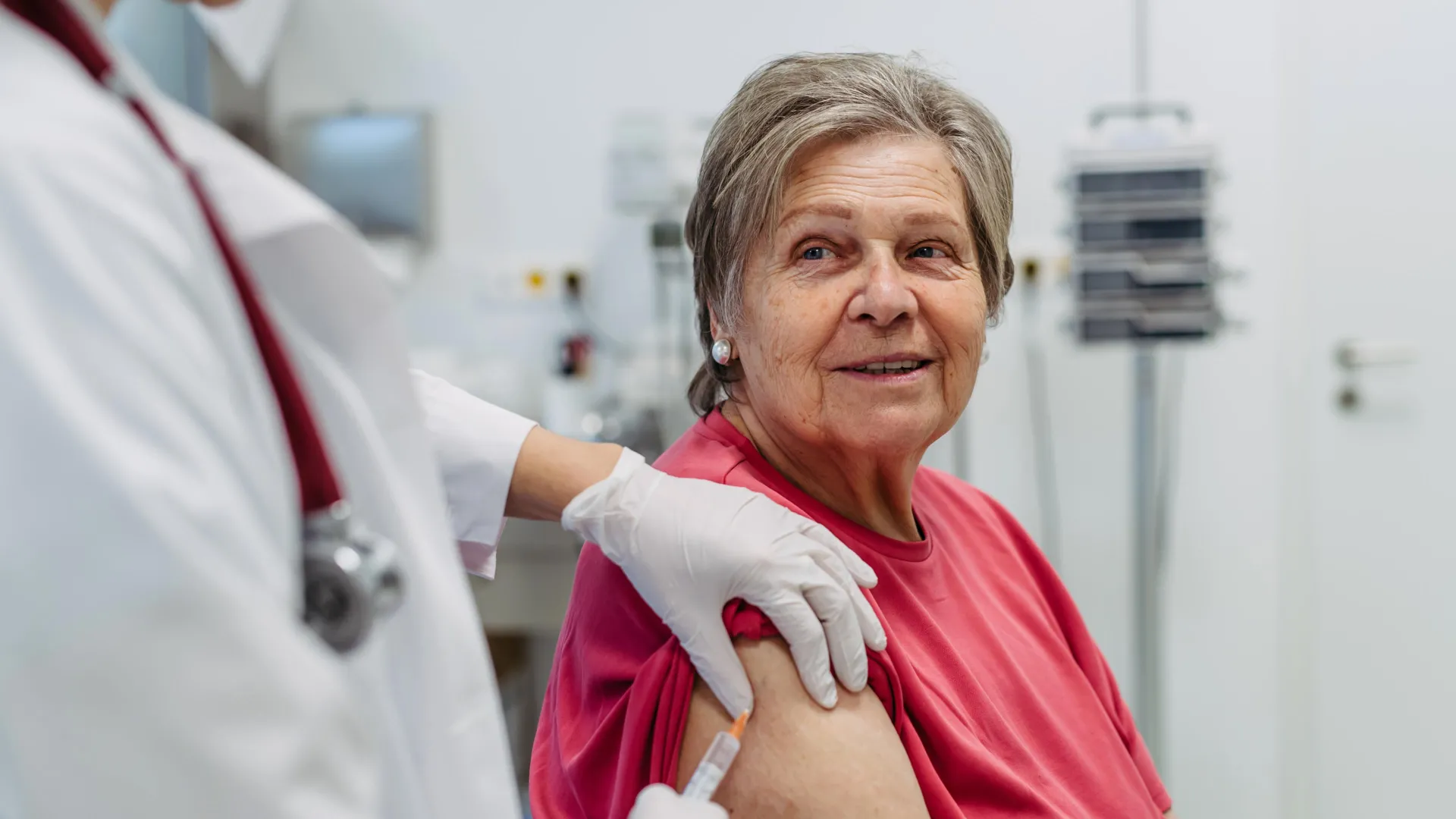
A comprehensive study led by researchers at UTHealth Houston has uncovered a compelling correlation between the potency of annual influenza vaccinations and a reduced risk of developing Alzheimer’s disease in the elderly. The research, published in the peer-reviewed medical journal Neurology, suggests that adults aged 65 and older who receive a high-dose influenza vaccine are significantly less likely to be diagnosed with Alzheimer’s compared to those who receive the standard-dose version. These findings indicate that the immune-stimulating properties of vaccines may have far-reaching implications for neurohealth, extending well beyond the prevention of seasonal respiratory illness.
The study represents a major step forward in understanding the "off-target" benefits of common immunizations. While the primary goal of the flu shot is to mitigate the severity of influenza infections, this new data suggests a secondary, protective effect against the most common form of dementia. For a healthcare system bracing for a surge in neurodegenerative conditions as the population ages, the possibility that a higher-dose version of a widely available vaccine could serve as a preventative tool is generating significant interest among clinicians and public health experts alike.
The Genesis of the Research: A Serendipitous Discovery
The investigation into vaccine dosage and its relationship with Alzheimer’s did not begin in a laboratory, but rather through a routine professional exchange. Paul Schulz, MD, a professor of neurology at McGovern Medical School at UTHealth Houston and director of the Neurocognitive Disorders Center at UTHealth Houston Neurosciences, had previously published work in 2022 demonstrating that general flu vaccination was associated with a 40% reduction in Alzheimer’s risk.
Following the publication of that initial study, Schulz was invited to meet with local public health officials to discuss the findings. During this meeting, officials asked whether the researchers had accounted for the different dosages of the vaccine. Schulz, despite his extensive clinical experience, noted that he was initially unaware that a specific high-dose formulation was routinely administered to seniors. This conversation served as the catalyst for a new line of inquiry: If a standard vaccine provides protection, could a stronger immune stimulus provide even more?
To answer this, Schulz and his team, including corresponding author Avram Samuel Bukhbinder, MD—now a clinical fellow at Massachusetts General Hospital and Harvard University—collaborated with experts from the McWilliams School of Biomedical Informatics at UTHealth Houston. By leveraging large-scale data analysis and medical AI, they sought to compare outcomes for nearly 200,000 individuals over a multi-year period.
Comparative Data: Standard vs. High-Dose Outcomes
The research team analyzed a massive dataset of adults aged 65 and older, a demographic particularly vulnerable to both severe influenza and cognitive decline. The analysis yielded striking results regarding the degree of risk reduction.
According to the study, individuals who received the standard-dose influenza vaccine exhibited a 40% lower risk of developing Alzheimer’s disease over the follow-up period compared to unvaccinated peers. However, those who received the high-dose formulation saw their risk drop by approximately 55%. This 15-percentage-point difference highlights a dose-response relationship, suggesting that the more robust the immune response triggered by the vaccine, the greater the potential neuroprotective benefit.
One of the most notable observations in the data was the gender-specific impact. The researchers found that the association between high-dose vaccination and reduced Alzheimer’s risk was particularly pronounced among women. Given that women are disproportionately affected by Alzheimer’s—representing nearly two-thirds of all Americans living with the disease—this finding is of particular clinical importance.
Scientific Context: Why Dosage Matters in the Elderly
The medical rationale for providing high-dose flu vaccines to older adults is rooted in a phenomenon known as immunosenescence. As humans age, the immune system naturally becomes less efficient. This decline means that older bodies do not recognize new pathogens as quickly, nor do they produce as many antibodies in response to standard vaccines.
To counteract this, the Centers for Disease Control and Prevention (CDC) recommends high-dose vaccines for those 65 and older. These formulations contain four times the amount of influenza antigen—the protein that prompts the body to build immunity—as the standard dose. By providing a "louder" signal to the immune system, the high-dose shot ensures that even an aging immune system can mount a defense strong enough to prevent severe illness or death from the flu.
The UTHealth Houston study suggests that this heightened immune activation may be doing more than just fighting the flu virus. While the exact biological mechanism remains a subject of ongoing research, scientists hypothesize that the vaccine may "prime" the immune system to more effectively clear the brain of toxic proteins, such as amyloid-beta and tau, which are hallmarks of Alzheimer’s pathology. Alternatively, the vaccine may reduce systemic inflammation, which is known to accelerate cognitive decline.
The Growing Crisis of Alzheimer’s Disease
The timing of this research is critical as the United States faces a burgeoning public health crisis. Alzheimer’s disease is currently the leading cause of dementia and the seventh leading cause of death in the U.S. As of 2025, an estimated 7 million Americans aged 65 and older are living with the condition, which translates to roughly one in nine people in that age bracket.
Projections from the Alzheimer’s Association indicate that without significant medical breakthroughs, this number could more than double to nearly 14 million by 2050. The economic burden is equally staggering, with the cost of caring for individuals with Alzheimer’s and other dementias estimated to reach hundreds of billions of dollars annually.
In this context, the search for preventative measures has taken on a sense of urgency. While several new disease-modifying therapies have recently gained FDA approval, they are often expensive, require complex administration, and are most effective only in the very early stages of the disease. In contrast, the influenza vaccine is an established, cost-effective intervention with a long history of safety.
Supply Chain Realities and Public Health Implications
The discovery that dosage impacts Alzheimer’s risk brings a new dimension to vaccine distribution logistics. Currently, the CDC expresses a preference for high-dose vaccines for seniors, but they are not always available in every clinical setting. Supply chain fluctuations and high demand often mean that some seniors receive the standard-dose vaccine instead.
Prior to 2022, CDC guidance was more neutral, emphasizing that getting any flu shot was more important than the specific type. However, if further research confirms that the high-dose version offers superior protection against neurodegeneration, it could lead to a shift in policy and procurement. Public health departments may need to prioritize the production and distribution of high-dose shots to ensure that all eligible seniors have access to the formulation that provides the maximum benefit.
"We were able to look at thousands and thousands of people over the age of 65 who got the high- or low-dose vaccine," Dr. Schulz noted, emphasizing the scale of the evidence. The ability to compare these two groups provided a "natural experiment" that allowed researchers to isolate the impact of the antigen concentration on long-term brain health.
Analysis of Implications and Future Research
While the findings are statistically significant, the researchers are careful to note that the study demonstrates an association, not a direct cause-and-effect relationship. It is possible that individuals who seek out high-dose vaccines are more health-conscious in other ways that also reduce their Alzheimer’s risk.
However, the strength of the data has prompted a broader look at how various immunizations affect the brain. Recent studies have also suggested that vaccines for pneumonia, shingles, and tetanus/diphtheria/pertussis (Tdap) may also be linked to lower rates of dementia. This suggests a pattern where regular "exercise" of the immune system via vaccination helps maintain cognitive resilience.
The UTHealth Houston team’s work has opened the door for prospective clinical trials. Future studies may involve monitoring the immune markers of patients following high-dose vaccination to see how they correlate with biomarkers of Alzheimer’s in the blood or cerebrospinal fluid. Understanding whether the vaccine directly influences the brain’s inflammatory environment could lead to new therapeutic strategies that mimic the vaccine’s protective effects.
Collaborative Effort and Academic Contributions
The study was a multidisciplinary effort involving several departments within the UTHealth Houston ecosystem. Alongside Dr. Schulz and Dr. Bukhbinder, the research team included a diverse group of scholars and clinicians from McGovern Medical School, including Elizabeth He, Kristofer Harris, Mya Rodriguez, Kamal Phelps, Jenna Thomas, Gabriela Cruz, and Lauren Jhin.
The data science component was supported by the McWilliams School of Biomedical Informatics, led by Xiaoqian Jiang, PhD, an expert in medical AI. His team, including Yejin Kim, Luyao Chen, and Yaobin Ling, provided the computational framework necessary to process the health records of nearly 200,000 individuals, ensuring the findings were robust and controlled for various confounding factors.
As the medical community continues to digest these findings, the core message for the public remains clear: annual flu vaccination is a vital component of healthy aging. For those 65 and older, the evidence now suggests that requesting the high-dose version may offer an additional layer of protection for the brain, potentially delaying or preventing the onset of one of the most challenging diseases of the modern era.
