
 By Nana O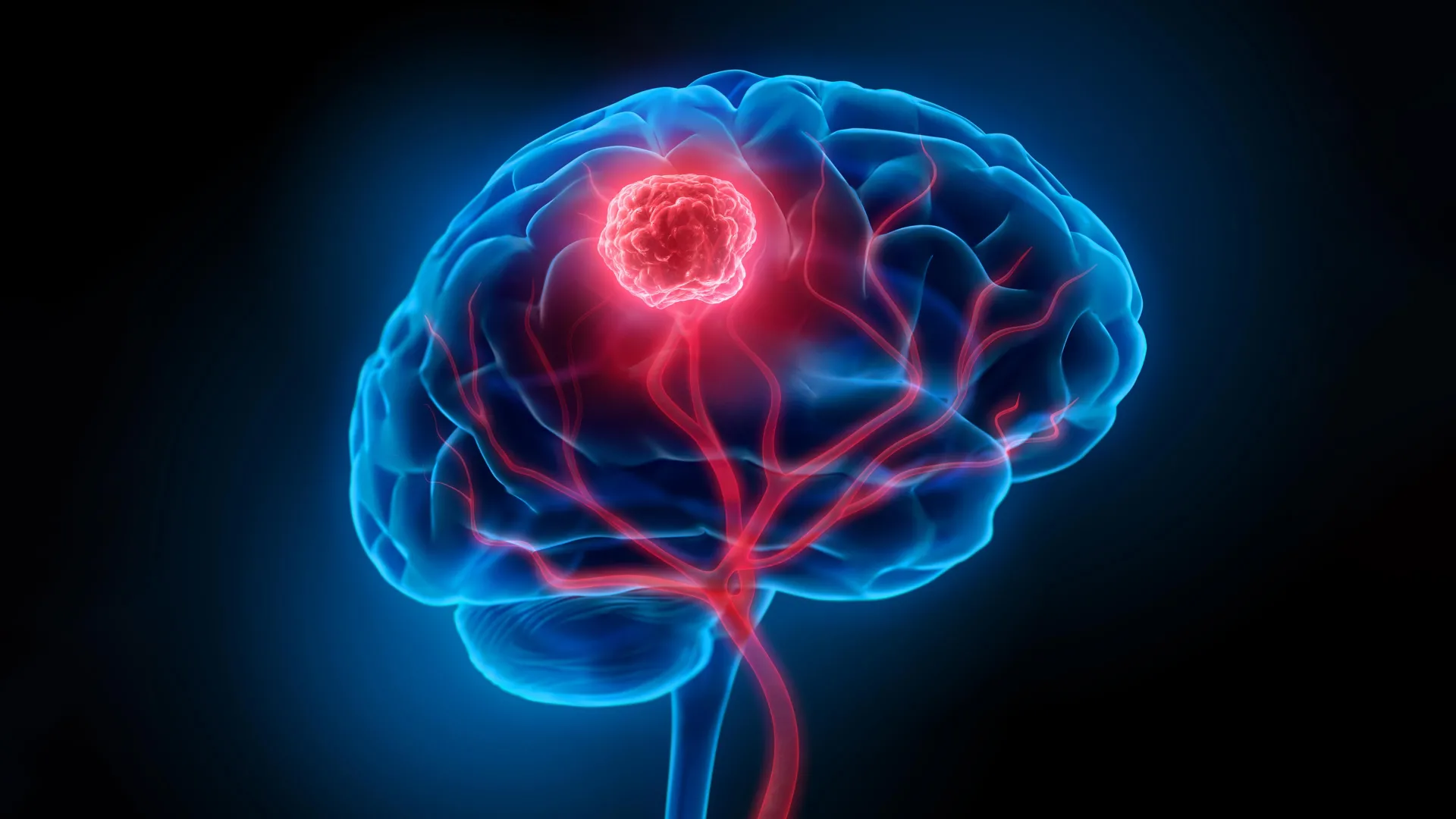
A groundbreaking study by a collaborative team of Canadian researchers has unveiled a significant new avenue for tackling glioblastoma, the most aggressive and currently incurable form of brain cancer. The research, spearheaded by scientists at McMaster University and The Hospital for Sick Children (SickKids), not only identifies a previously unrecognized mechanism by which these devastating tumors grow and spread but also points to an existing drug, commonly used to treat HIV, as a potential therapeutic agent. This discovery offers a much-needed glimmer of hope for patients facing a grim prognosis, where survival is often measured in mere months.
Unraveling the Glioblastoma Ecosystem: A New Vulnerability Identified
Glioblastoma is notorious for its rapid growth, invasive nature, and resistance to conventional treatments, including surgery, radiation, and chemotherapy. Its complex cellular environment, often described as an "ecosystem," plays a critical role in its persistence. The new study, published in the esteemed journal Neuron, sheds light on a crucial aspect of this ecosystem: the unexpected role of certain brain cells, previously thought to be solely supportive of normal neurological function, in actively fueling glioblastoma’s relentless progression.
Researchers have long understood that glioblastoma thrives by co-opting and manipulating its surrounding cellular environment. However, this latest investigation has pinpointed specific cells that, rather than simply existing passively, actively contribute to the tumor’s sustenance and dissemination. These cells, identified as oligodendrocytes, which are primarily responsible for insulating nerve fibers with myelin and ensuring efficient nerve signal transmission, can undergo a remarkable transformation. Under the influence of the tumor, these vital support cells appear to shift their allegiance, becoming collaborators in the cancer’s destructive agenda.
The core of this newly discovered interaction lies in a sophisticated communication system. The study reveals that these altered oligodendrocytes send specific signals that directly empower glioblastoma cells, strengthening them and fostering their ability to multiply and invade healthy brain tissue. This signals a significant paradigm shift in understanding glioblastoma’s pathogenesis, moving beyond a purely cancer-cell-centric view to one that emphasizes the intricate interplay between malignant cells and their host environment.
Disrupting the Dialogue: A Significant Slowdown in Tumor Growth
The pivotal breakthrough came when the research team successfully devised a method to interrupt this critical communication pathway in laboratory models. By effectively blocking the signals emanating from the oligodendrocytes to the glioblastoma cells, scientists observed a dramatic and significant reduction in tumor growth. This finding underscores the profound impact of this intercellular dialogue on the tumor’s viability and expansion.
"Glioblastoma isn’t just a mass of cancer cells; it’s an ecosystem," explained Sheila Singh, co-senior author of the study and a distinguished professor of surgery at McMaster University. Dr. Singh, who also directs the Centre for Discovery in Cancer Research at McMaster, elaborated on the significance of their findings: "By decoding how these cells talk to each other, we’ve found a vulnerability that could be targeted with a drug that’s already on the market." This statement highlights the dual nature of their discovery: a fundamental insight into cancer biology and a practical, actionable therapeutic direction.
The study’s co-first authors, Kui Zhai, a research associate in the Singh Lab at McMaster, and Nick Mikolajewicz, who was a postdoctoral fellow in the Moffat Lab at SickKids during the study, were instrumental in conducting the intricate experiments that revealed these cellular interactions. Their meticulous work laid the foundation for understanding how these seemingly benign cells become complicit in the spread of a deadly cancer.
An Existing HIV Drug Emerges as a Potential Glioblastoma Therapeutic
Perhaps the most immediately impactful aspect of this research is the identification of a potential treatment strategy utilizing a drug that is already approved and in widespread clinical use. The signaling pathway that the researchers targeted involves a specific receptor known as CCR5. Crucially, this is the same receptor that is targeted by Maraviroc, an antiretroviral drug used in the treatment of HIV infection.
The repurposing of existing drugs is a highly sought-after strategy in pharmaceutical development. It offers a significantly accelerated pathway to potential new treatments because the safety and pharmacokinetic profiles of these medications have already been rigorously established through extensive clinical trials. This dramatically reduces the time, cost, and regulatory hurdles associated with bringing a new drug to market.
"The cellular ecosystem within glioblastoma is far more dynamic than previously understood," stated Jason Moffat, co-senior author of the study, a senior scientist, and head of the Genetics & Genome Biology program at SickKids. Dr. Moffat emphasized the translational potential of their work: "In uncovering an important piece of the cancer’s biology, we also identified a potential therapeutic target that could be addressed with an existing drug. This finding opens a promising path to explore whether blocking this pathway can speed progress toward new treatment options for patients."
Building on a Foundation of Discovery: A Chronology of Research
This latest breakthrough is not an isolated event but rather builds upon a growing body of research from the Singh and Moffat laboratories. Their previous work, published in Nature Medicine in 2024, revealed another critical aspect of glioblastoma’s invasive strategy: its ability to hijack developmental pathways normally employed during brain development to facilitate its spread. This earlier study demonstrated how cancer cells exploit biological processes designed for growth and organization to achieve their own destructive ends.
Taken together, these two studies suggest a new and promising direction for glioblastoma research, shifting the focus towards disrupting the complex communication and signaling networks that tumors rely on for survival and propagation. This signifies a move towards a more holistic understanding of cancer, recognizing it not just as a collection of rogue cells but as an entity deeply intertwined with and dependent on its surrounding microenvironment.
The research timeline can be broadly understood as follows:
- Prior Research (e.g., 2024, Nature Medicine): Identified glioblastoma’s ability to exploit developmental pathways for invasion, highlighting the importance of understanding tumor-environment interactions.
- Current Study (Neuron): Pinpointed specific supporting brain cells (oligodendrocytes) that actively aid glioblastoma growth and identified the signaling mechanism involved (CCR5).
- Therapeutic Link: Discovered that Maraviroc, an existing HIV drug, targets the identified CCR5 receptor, presenting a potential treatment strategy.
- Future Directions: Clinical trials to investigate the efficacy and safety of Maraviroc, or similar CCR5 inhibitors, in glioblastoma patients.
Supporting Data and the Significance of Oligodendrocytes
The role of oligodendrocytes in supporting glioblastoma is a particularly striking finding. These cells are normally the architects of the central nervous system’s white matter, forming the myelin sheath that acts as an insulator for axons, the long projections of nerve cells. This insulation is crucial for the rapid and efficient transmission of electrical impulses throughout the brain and spinal cord. In a healthy brain, oligodendrocytes are essential for maintaining neuronal integrity and function.
However, the study in Neuron demonstrates a dramatic reprogramming of these cells within the glioblastoma microenvironment. Instead of fulfilling their protective role, they appear to become active participants in fostering tumor growth. The exact molecular triggers for this transformation are still an area of active investigation, but the study confirms that the interaction is mediated by specific signaling molecules that bind to the CCR5 receptor on the glioblastoma cells.
While the precise quantitative impact of this communication on tumor growth in human patients is yet to be fully elucidated, the consistent and significant reduction observed in laboratory models provides compelling preclinical evidence. These models, which mimic aspects of the human tumor microenvironment, allow researchers to test hypotheses and identify potential therapeutic targets before moving to human trials. The observed suppression of tumor growth in these controlled settings is a strong indicator of the critical nature of this cellular dialogue.
Official Recognition and Funding for Groundbreaking Research
The significant scientific contributions of this research have been acknowledged and supported by various funding bodies and academic institutions. The study received crucial support from the 2020 William Donald Nash Brain Tumour Research Fellowship and the Canadian Institutes of Health Research (CIHR), underscoring the national importance placed on advancing brain tumor research.
Furthermore, the leadership positions held by the senior authors highlight their established expertise and commitment to cancer research. Sheila Singh is a Tier 1 Canada Research Chair in Human Cancer Stem Cell Biology, a prestigious designation recognizing her significant contributions to the field. Jason Moffat holds the GlaxoSmithKline Chair in Genetics & Genome Biology at The Hospital for Sick Children, indicating substantial support for his work in understanding genetic mechanisms of disease.
Broader Impact and Future Implications for Glioblastoma Treatment
The implications of this research are profound, offering a renewed sense of optimism in the fight against glioblastoma. The identification of a targetable vulnerability that can be addressed with an existing drug is a game-changer. It dramatically shortens the timeline for potential clinical application compared to developing entirely new therapeutic compounds.
If Maraviroc proves effective in clinical trials, it could represent a new standard of care for glioblastoma patients. This could lead to improved outcomes, potentially extending survival times and enhancing the quality of life for individuals who currently have very limited treatment options. The current five-year survival rate for glioblastoma is dismally low, often below 5%, making any advancement in treatment critically important.
Moreover, this study’s findings pave the way for further research into the complex interplay between cancer cells and their microenvironment across various cancer types. Understanding these intricate cellular communication networks could unlock new therapeutic strategies for a wide range of diseases. The research emphasizes the need for a more comprehensive understanding of the "tumor ecosystem" and how targeting these interactions can lead to more effective cancer treatments.
The path forward will involve rigorous clinical trials to evaluate the safety and efficacy of Maraviroc in glioblastoma patients. Researchers will need to determine optimal dosing, potential side effects, and the specific patient populations most likely to benefit from this intervention. However, the fundamental scientific discovery represents a significant leap forward, offering a tangible and promising new direction in the long and arduous battle against one of the most challenging cancers known to medicine.
