
 By admin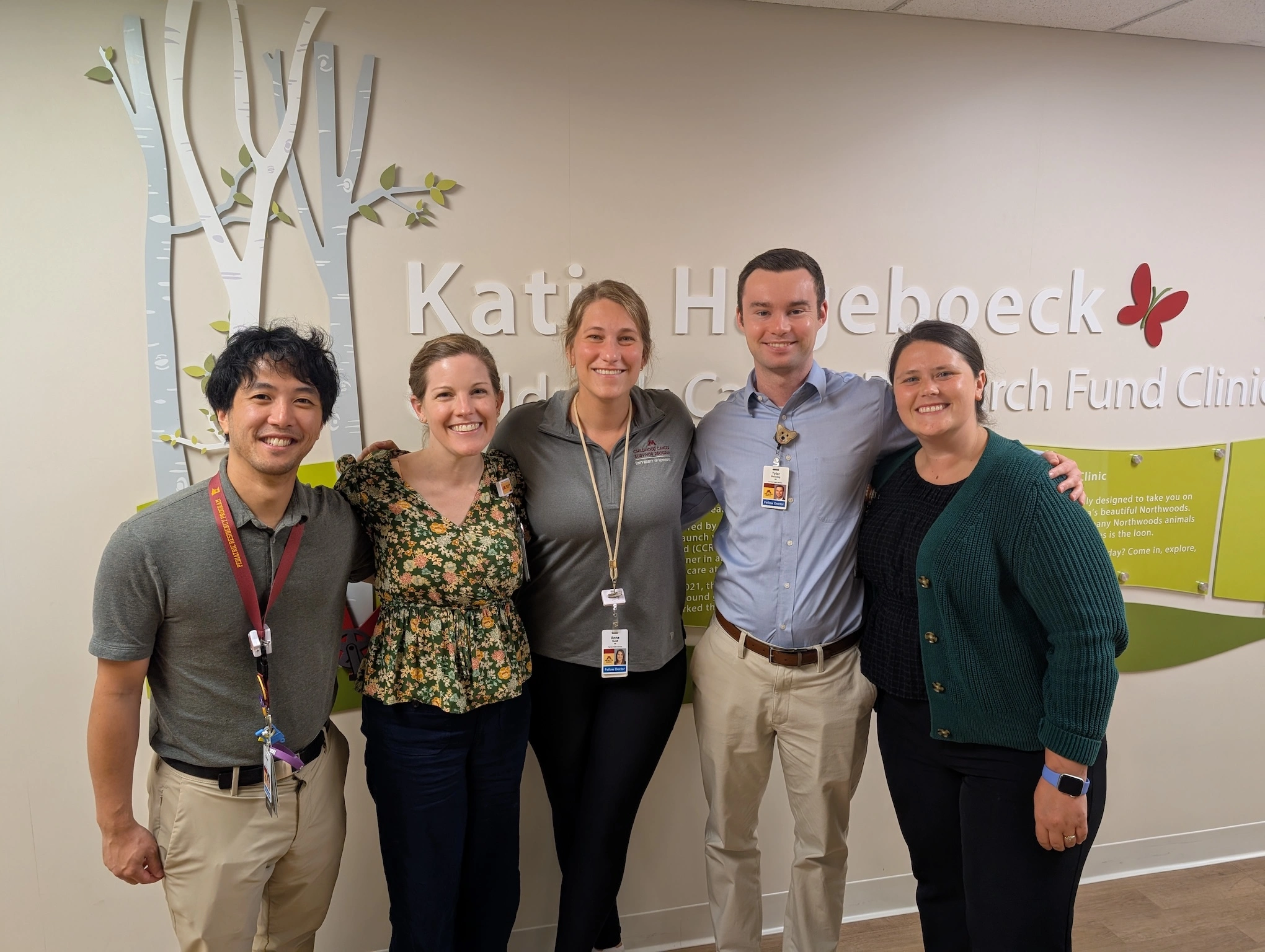
The United States healthcare system is currently grappling with a burgeoning crisis in pediatric subspecialties, most notably within the field of pediatric oncology. As survival rates for childhood cancers continue to climb, the medical community faces the paradoxical challenge of a shrinking workforce tasked with managing an increasingly complex population of survivors. To combat this deficit, the Children’s Cancer Research Fund (CCRF) has announced a significant ten-year funding commitment to the Pediatric Hematology/Oncology Fellowship Program at the University of Minnesota. This strategic investment aims to secure the pipeline of clinician-researchers necessary to sustain and advance the treatment of childhood cancers over the next decade.
The shortage of pediatric oncologists is not a sudden phenomenon but rather the result of decades of shifting demographics in the medical profession and the increasing intensity of specialized training. According to data from the American Board of Pediatrics, while the number of pediatricians has grown, the distribution of subspecialists remains uneven, with many rural and underserved urban areas lacking access to dedicated cancer care for children. Furthermore, as the first generation of modern pediatric oncologists reaches retirement age, the demand for new specialists has outpaced the rate of fellowship completion. This gap is further widened by the fact that more children are surviving cancer than ever before; currently, there are more than 500,000 childhood cancer survivors in the U.S., many of whom require lifelong monitoring for "late effects" caused by intensive chemotherapy and radiation.
The Evolution of the CCRF and University of Minnesota Partnership
The Children’s Cancer Research Fund has been a cornerstone of support for the University of Minnesota’s medical programs for over 40 years. Founded in 1981, the CCRF grew out of a grassroots effort to honor the memory of Katie Hageboeck, a young girl who passed away from leukemia. Since its inception, the organization has recognized that the key to curing childhood cancer lies not only in immediate patient care but in the rigorous training of academic physicians who can bridge the gap between the laboratory bench and the hospital bedside.
The University of Minnesota has long been a hub for hematology and oncology innovation, particularly in the realm of bone marrow transplantation and cellular therapies. By centering the fellowship program at this institution, CCRF ensures that trainees are exposed to one of the most robust research environments in the country. The newly announced ten-year commitment represents a shift from short-term grant cycles to long-term institutional stability, allowing the program to recruit top-tier talent who are seeking the security and resources necessary to pursue high-risk, high-reward research.
A Curriculum Designed for the Future of Medicine
The CCRF Pediatric Hematology/Oncology Fellowship Program is structured as a multi-year curriculum that transcends traditional clinical training. The program is designed to produce "clinician-researchers"—a rare breed of physician capable of treating patients while simultaneously leading clinical trials and laboratory investigations.
During the initial phase of the fellowship, trainees focus on intensive clinical rotations, managing a wide array of conditions from common blood disorders to rare pediatric solid tumors. However, it is the subsequent years of the program that define its impact. Fellows are paired with senior faculty mentors to conduct original research in fields that are currently redefining the oncology landscape.
One of the primary areas of focus for current fellows is the development of CAR T-cell therapy. This revolutionary treatment involves re-engineering a patient’s own immune cells to recognize and attack cancer cells. While CAR T-cell therapy has seen success in certain types of leukemia, applying it to solid tumors and ensuring its long-term safety in developing children remains a significant hurdle. Similarly, fellows are exploring gene therapy as a means to treat hereditary blood disorders and predispositions to cancer, effectively addressing the root cause of the disease at the molecular level.
Broadening the Scope: Bioethics, Health Equity, and Communication
While technical innovation is a pillar of the fellowship, the most recent class of CCRF Fellows has expanded its research scope to include the social and ethical dimensions of oncology. As medical technology advances, the bioethical implications of genetic editing and long-term survivorship become more complex. Fellows are currently investigating how to balance the drive for innovation with the necessity of protecting vulnerable pediatric populations.
Furthermore, health equity has emerged as a critical focus area. Data consistently shows that children from marginalized communities often experience lower survival rates and less access to clinical trials than their peers. CCRF-supported researchers are analyzing these disparities to develop intervention strategies that ensure life-saving treatments reach every child, regardless of socioeconomic status or geographic location.
Prognosis communication is another vital component of the updated curriculum. The psychological burden on families navigating a cancer diagnosis is immense, and the ability of a physician to communicate complex, often devastating information with empathy and clarity is a skill that requires formal training. By incorporating communication studies into the fellowship, the program aims to improve the overall quality of life for patients and their families throughout the treatment journey.
Statistical Analysis of the Pediatric Oncology Landscape
The necessity of this fellowship program is underscored by current oncology statistics. Approximately 15,000 children and adolescents in the United States are diagnosed with cancer each year. While the overall five-year survival rate has increased from 58% in the 1970s to roughly 85% today, certain diagnoses, such as diffuse intrinsic pontine glioma (DIPG) and other high-risk brain tumors, still carry a dismal prognosis.
The financial reality of medical education also plays a role in the specialist shortage. The average medical student graduates with significant debt, often exceeding $200,000. Pediatric subspecialties typically offer lower compensation than adult specialties or surgical fields, creating a financial disincentive for young doctors to pursue three additional years of fellowship training. By providing robust funding and resources, the CCRF program mitigates some of these barriers, making the path to pediatric oncology more sustainable for emerging physicians.
Institutional Responses and Industry Implications
Leaders at the University of Minnesota and the CCRF have expressed that this ten-year commitment is a proactive response to a looming national healthcare bottleneck. Medical directors at the University have noted that the fellowship program serves as an incubator for the next generation of department chairs and lead investigators across the country.
"The role of the clinician-researcher is becoming increasingly difficult to maintain in the modern healthcare economy," noted a faculty member familiar with the program’s goals. "Without dedicated philanthropic support like that provided by CCRF, we risk losing the very people who are most capable of discovering the next cure."
From an industry perspective, the success of this program has broader implications for biotechnology and pharmaceuticals. Many of the therapies developed in academic settings like the University of Minnesota eventually move into the private sector for large-scale production. A steady supply of well-trained oncologists is essential for the execution of the Phase I and Phase II clinical trials that allow these new drugs to reach the market.
Long-term Impact and the Legacy of CCRF Alumni
The impact of the CCRF Fellowship Program is best measured by the achievements of its alumni. Former fellows have gone on to lead major cancer centers, publish groundbreaking studies in the New England Journal of Medicine and Lancet Oncology, and serve on national advisory boards for the National Cancer Institute (NCI).
By funding the fellowship, donors are not merely supporting a single doctor; they are investing in a multiplier effect. Each fellow trained will treat thousands of children over the course of their career and potentially develop protocols that will be used by tens of thousands of physicians worldwide.
As the program enters this new ten-year phase, the focus remains on the ultimate goal: a world where no child dies from cancer. While the challenges of the current healthcare landscape are significant, the sustained investment in human capital—the doctors and scientists of tomorrow—remains the most viable strategy for overcoming the complexities of pediatric oncology. The commitment to the University of Minnesota ensures that the state remains at the forefront of this global mission, providing a beacon of hope for families facing the most difficult of diagnoses.
