
 By admin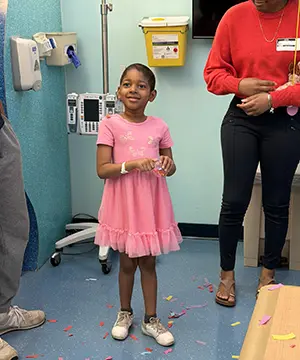
The transition from a routine school night to a life-altering medical crisis is a reality faced by thousands of families annually, a trajectory exemplified by the experience of Amari and her mother, Cora H. What began as a sudden discovery of hematuria—blood in the urine—led to an emergency room visit that culminated in a diagnosis of Stage 3 anaplastic Wilms tumor. This case highlights not only the individual courage of pediatric patients but also the critical intersection of surgical innovation, intensive chemotherapy protocols, and the vital role of ongoing oncology research in improving survival outcomes for aggressive childhood cancers.
The Clinical Presentation and Initial Diagnosis
The onset of pediatric cancer is frequently abrupt, often presenting with non-specific symptoms that escalate rapidly. For Amari, the primary indicator was a sudden episode of hematuria, a symptom that necessitates immediate clinical investigation in pediatric patients to rule out renal trauma, infections, or malignancies. Upon arrival at the emergency department, diagnostic imaging revealed the presence of a significant mass on her kidney.
By approximately 3:00 AM on the night of admission, medical professionals confirmed the presence of a tumor. This diagnosis marked Amari’s entry into the complex landscape of pediatric oncology. The tumor was later identified as a Wilms tumor, or nephroblastoma, which is the most common type of kidney cancer in children, typically affecting those between the ages of three and four. However, Amari’s case was complicated by the "anaplastic" designation. In oncology, anaplasia refers to cells that have lost their specialized features and divide rapidly, often indicating a more aggressive form of the disease that is more resistant to standard chemotherapy.
Strategic Medical Intervention: A Focus on Nephron-Sparing Surgery
One of the most critical turning points in Amari’s treatment was the decision regarding surgical intervention. Traditionally, the standard of care for a unilateral Wilms tumor involves a radical nephrectomy, the complete removal of the affected kidney. While humans can function effectively with a single healthy kidney, preserving renal mass is increasingly prioritized in pediatric oncology to ensure long-term renal health and to provide a "buffer" should the remaining kidney face future challenges.
Amari’s medical team identified a possibility for a nephron-sparing surgery, provided the tumor responded sufficiently to preoperative chemotherapy. This approach aims to excise the malignancy while leaving as much healthy, functioning kidney tissue as possible. Following an intensive regimen of chemotherapy designed to cytoreduce the tumor—shrinking it to a manageable size—surgeons successfully performed a partial nephrectomy. The procedure resulted in the removal of the tumor while preserving approximately 60 percent of Amari’s healthy kidney tissue. This outcome represents a significant victory in clinical precision, balancing the necessity of total tumor clearance with the preservation of vital organ function.
The Rigors of Treatment: Stage 3 Anaplastic Protocols
Despite the surgical success, the Stage 3 classification of the anaplastic Wilms tumor required a rigorous post-operative treatment plan. Stage 3 indicates that the cancer has spread beyond the kidney to nearby lymph nodes or other structures within the abdomen, though it has not yet reached distant organs like the lungs or liver. The anaplastic histology further necessitates a more intensified therapeutic approach compared to "favorable histology" Wilms tumors.
Amari underwent 32 weeks of chemotherapy, a grueling process characterized by cumulative toxicity, physical exhaustion, and the emotional toll of prolonged hospitalizations. For pediatric patients, the side effects of such regimens—including nausea, immunosuppression, and fatigue—are compounded by the interruption of normal developmental milestones and social activities. Throughout this period, the maintenance of a "normal" life became a secondary goal for the family. Amari continued to participate in cheerleading, a pursuit that medical experts suggest can provide significant psychological benefits and a sense of agency for children undergoing long-term treatment.
Chronology of Recovery and the Symbolism of the Bell
The timeline of Amari’s journey reflects a standard but intense trajectory of pediatric cancer care:
- Acute Presentation: Sudden onset of symptoms and emergency diagnostic imaging.
- Neoadjuvant Therapy: Preoperative chemotherapy to stabilize and shrink the mass.
- Surgical Resection: The successful 60 percent preservation of the kidney.
- Adjuvant Therapy: A 32-week intensive chemotherapy course to address the Stage 3 spread and aggressive cell type.
- Remission and Survivorship: The transition from active treatment to long-term monitoring.
The conclusion of Amari’s active treatment was marked by the traditional "ringing of the bell," a ceremony common in oncology wards that signifies the completion of a chemotherapy or radiation cycle. For Amari, this event coincided with the birthday of her late grandmother, adding a layer of familial significance to the clinical milestone. Now in the survivorship phase, Amari continues to engage in her passions, including K-pop, dance, and cheerleading, serving as a living testament to the efficacy of modern pediatric protocols.
Pediatric Cancer in Context: Data and Research Implications
Amari’s story is situated within a broader national context of pediatric health. According to the American Cancer Society, approximately 500 to 600 new cases of Wilms tumor are diagnosed in the United States annually. While the overall five-year survival rate for Wilms tumor is high—approaching 90 percent for localized disease—those with anaplastic histology face lower survival rates and a higher risk of recurrence.
The progress seen in cases like Amari’s is largely attributed to clinical trials and research funded by organizations such as CureSearch for Children’s Cancer and the Children’s Oncology Group (COG). Research focuses on several key areas:
- Risk Stratification: Identifying which tumors require aggressive treatment and which can be managed with less toxic therapies to reduce long-term side effects.
- Precision Surgery: Refining techniques for nephron-sparing surgeries to improve the quality of life for survivors.
- Targeted Therapies: Developing drugs that specifically target the genetic mutations found in anaplastic cells, which are often resistant to traditional cytotoxic drugs.
June is recognized as Cancer Survivors Month, a time dedicated to highlighting the unique challenges faced by the growing population of pediatric cancer survivors. As of 2024, there are hundreds of thousands of childhood cancer survivors in the U.S. However, survivorship often comes with "late effects," including potential heart damage, secondary malignancies, and psychological trauma, underscoring the need for lifelong specialized follow-up care.
Broader Impact and the Importance of Advocacy
The narrative provided by Cora H. emphasizes a critical component of pediatric care: family advocacy and transparency. The commitment to honest communication between parents and children during treatment is cited by child life specialists as a key factor in reducing anxiety and building resilience in young patients. Furthermore, the visibility of stories like Amari’s plays a vital role in public awareness and fundraising.
From a journalistic and societal perspective, the implications of these cases extend beyond the individual. They highlight the disparities in research funding; despite cancer being the leading cause of death by disease in children in the U.S., pediatric cancer research receives a fraction of the federal funding allocated to adult cancers. Private donations and advocacy groups fill this gap, driving the innovation that allows for organ-preserving surgeries and the management of high-stage aggressive tumors.
Amari’s transition from a critical diagnosis to a thriving survivor underscores the potential of modern medicine when backed by robust research and a supportive community. Her journey from the emergency room to the cheerleading mat serves as a factual benchmark for what is possible in the field of pediatric oncology, while simultaneously serving as a reminder of the thousands of children still awaiting breakthroughs for even more complex diagnoses. As research moves forward, the goal remains the same: ensuring that every child, regardless of their diagnosis or the stage of their disease, has the opportunity to ring the bell and pursue their future dreams.
