
 By admin
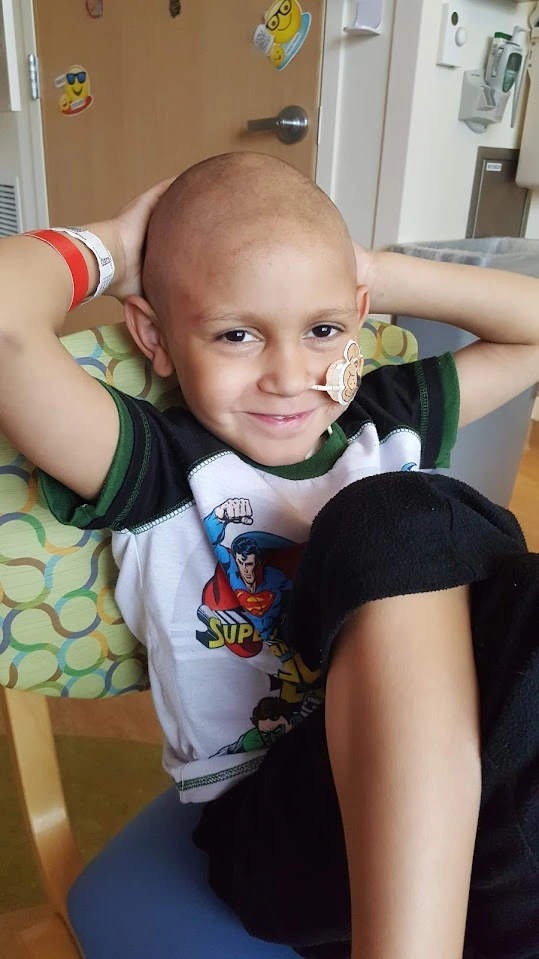
The trajectory of a childhood is often measured in milestones of growth, academic achievement, and athletic participation; however, for 12-year-old Isaac, a significant portion of his formative years was defined by a clinical battle against a life-threatening malignancy. Today, Isaac is a vibrant pre-teen with a passion for basketball, baseball, and football, but his current health stands as a testament to the critical role of experimental pediatric research and the evolution of immunotherapy. Seven years ago, his life was upended by a diagnosis of leukemia, a development that shifted his family’s focus from the sports field to the sterile corridors of high-stakes oncology. As Isaac prepares to step into the spotlight at the upcoming return of Glamorama, his story highlights the broader implications of survivorship care and the urgent need for continued innovation in childhood cancer treatments.
The 2018 Diagnosis and the Immediate Medical Crisis
The onset of Isaac’s medical journey began in 2018 with the presentation of non-specific, "strange" symptoms that initially baffled his family. In many cases of pediatric leukemia, early indicators can mimic common childhood illnesses—fatigue, persistent low-grade fevers, or unusual bruising—which often leads to a period of diagnostic uncertainty. For Isaac’s mother, Jennifer, the transition from suspicion to certainty occurred with startling speed. Within hours of arriving at the hospital for testing, the family was informed that Isaac was suffering from leukemia, a cancer of the blood-forming tissues that hinders the body’s ability to fight infection.
The psychological impact of such a diagnosis is profound. Jennifer recalls the visceral moment the reality of the situation took hold: the opening of the elevator doors on the seventh floor of the hospital, revealing the sign for "Hematology/Oncology." This floor, dedicated to the treatment of blood disorders and cancers, serves as a crossroads for families facing the most difficult periods of their lives. The sight of other children undergoing treatment served as a sobering realization that Isaac was now part of a demographic fighting for survival.
Clinical Challenges and the Transition to High-Risk Status
Standard protocols for pediatric leukemia typically involve a series of chemotherapy phases designed to induce remission. However, Isaac’s case proved exceptionally resistant to conventional frontline therapies. Despite the administration of high-dose chemotherapy, the expected markers of remission failed to materialize. This lack of response necessitated Isaac’s reclassification as a "high-risk" patient.
In clinical terms, high-risk pediatric leukemia requires more aggressive intervention and often involves a higher cumulative toxicity from medications. For Isaac, this period was characterized by weeks of intensive chemotherapy, frequent needle pokes for blood draws and lumbar punctures, and the physical and emotional toll of medical isolation. The complexity of his case was further exacerbated by allergic reactions to certain chemotherapy agents, a common but dangerous complication that limits the remaining options for oncologists. When traditional methods reached their limit, the medical team had to look toward the frontier of oncological research.
The Role of Innovative Immunotherapy and Transplantation
The turning point in Isaac’s treatment arrived through the application of research-driven medicine. At the time, a specific immunotherapy treatment had been approved for use in adult populations but had not yet seen widespread adoption or formal approval for pediatric patients. Immunotherapy represents a paradigm shift in cancer treatment; rather than using chemicals to kill cells (as in chemotherapy), it leverages the body’s own immune system to identify and destroy malignant cells.

For Isaac, this "lifeline" involved adapting the adult immunotherapy protocol for a child’s physiology. The results were definitive. After four rounds of this targeted therapy, Isaac finally achieved the state of remission that had previously eluded him. This clinical success paved the way for the next critical step: a life-saving bone marrow transplant. The transplant was necessary to replace his compromised bone marrow with healthy stem cells, effectively "rebooting" his immune system and providing a long-term defense against a recurrence of the disease.
The Landscape of Pediatric Cancer Research and Data
Isaac’s survival is not merely a personal victory but a data point in the ongoing evolution of pediatric oncology. According to the American Cancer Society, leukemia accounts for nearly 28% of all cancers in children and adolescents. While the five-year survival rate for the most common type, Acute Lymphocytic Leukemia (ALL), has risen to approximately 90%, patients like Isaac who do not respond to initial treatment fall into a much more precarious statistical category.
The use of "off-label" or newly adapted adult drugs for children is a cornerstone of pediatric research. Historically, pediatric cancer has received significantly less federal funding compared to adult cancers, leading to a reliance on philanthropic organizations and academic research centers to bridge the gap. Isaac’s case illustrates the "bench-to-bedside" pipeline, where laboratory discoveries are rapidly translated into clinical applications for patients who have exhausted standard options.
Long-term Survivorship and the University of Minnesota’s Care Model
Securing remission is only the first phase of a lifelong journey for cancer survivors. Isaac currently receives ongoing survivorship care under the supervision of Dr. Karim Sadak, the Senior Medical Director of Pediatrics at the University of Minnesota. Dr. Sadak’s work focuses on the "late effects" of cancer treatment—a range of physical, cognitive, and mental health challenges that can manifest years or even decades after the conclusion of therapy.
The intensive treatments required to save a child’s life can sometimes lead to secondary health issues, including cardiovascular complications, growth delays, or learning disabilities. Dr. Sadak’s team employs a multidisciplinary approach to track Isaac’s development, ensuring that any emerging health concerns are addressed proactively. This model of care recognizes that "curing" a child involves more than just eliminating cancer; it involves ensuring they can lead a high-quality, functional life into adulthood.
The Return of Glamorama: A Celebration of Resilience
As Isaac transitions further away from the acute phase of his illness, he is reclaiming his identity outside of the clinical setting. This journey will culminate in his participation in Glamorama, a high-profile production that blends fashion, talent, and philanthropy. Historically associated with major retailers and fundraising efforts for the Children’s Cancer Research Fund, Glamorama has served as a platform to raise awareness and capital for pediatric oncology.
The return of Glamorama after a hiatus is a significant event for the Twin Cities community and the broader pediatric research landscape. For survivors like Isaac, the event is an opportunity to celebrate their resilience and creativity. Isaac’s involvement—ranging from exploring street-style fashion to assisting with the production—symbolizes the return of "normalcy" and the agency that cancer often strips away from young patients.
Broader Implications and Analysis of Pediatric Oncology Funding
Isaac’s story serves as a powerful argument for the continued and expanded funding of pediatric cancer research. While the medical community has made strides, the toxicity of current treatments remains a major concern. Research into "kinder" treatments—therapies that target cancer cells with precision while sparing healthy tissue—is the next frontier.
Furthermore, the economic impact of childhood cancer on families is substantial. The cost of long-term hospitalizations, specialized medications, and the loss of parental income during treatment creates a financial burden that can last for years. Organizations that fund research also often provide the necessary support structures for these families, highlighting the social importance of philanthropic engagement.
The success of Isaac’s immunotherapy treatment also underscores the importance of clinical trials. Without the willingness of medical teams to adapt adult treatments and the courage of families to participate in experimental protocols, the survival rates for high-risk patients would remain stagnant. Isaac is living proof that the investment in research yields tangible, breathing results.
Conclusion: Chasing the Life Meant to Be Lived
Today, at age 12, Isaac is focused on the things that should occupy a pre-teen’s mind: perfecting his basketball shot, learning the nuances of cooking, and building friendships. He remains a dedicated athlete, proving that the physical toll of a bone marrow transplant and intensive chemotherapy can be overcome with time and expert care.
His journey from the "seventh floor" to the Glamorama stage is a narrative of medical triumph, but it is also a reminder of the thousands of children still waiting for their own research-driven miracle. As Isaac steps into the spotlight, he does so not just as a survivor, but as an ambassador for the potential of every child to overcome the odds when backed by the power of modern science and a dedicated community of care. The resilience he displays is a beacon for other families currently navigating the same elevator doors his mother once feared, offering a vision of a future where a diagnosis of leukemia is not an end, but a difficult chapter in a long and vibrant life.
