
 By admin
The enduring spirit of Victoria "Vicky" Ann Michelis, a woman who steadfastly refused to be defined by her battle with ovarian cancer, continues to champion the causes she held dear through the Victoria Ann Michelis Fund. Established by her closest friend, Rob Malone, the fund serves as a powerful testament to Vicky’s unwavering generosity, deep care for others, and fierce advocacy for the underdog. It actively supports a diverse range of initiatives, from addressing societal vulnerabilities and promoting animal welfare to, critically, advancing cutting-edge research aimed at revolutionizing treatment options for cancers like the one Vicky faced.
Vicky’s journey, marked by a rare and aggressive form of ovarian cancer, illuminated the urgent need for innovative therapies. Her frustration with the limitations of conventional treatments spurred a post-mortem directive that her estate be used to foster meaningful change. Rob Malone, entrusted with this profound responsibility, has meticulously channeled her legacy into a charitable fund that mirrors her expansive compassion, with a significant focus on the Cancer Research Institute (CRI) and its pioneering work in immunotherapy.
Understanding Ovarian Cancer: A Persistent Global Health Challenge
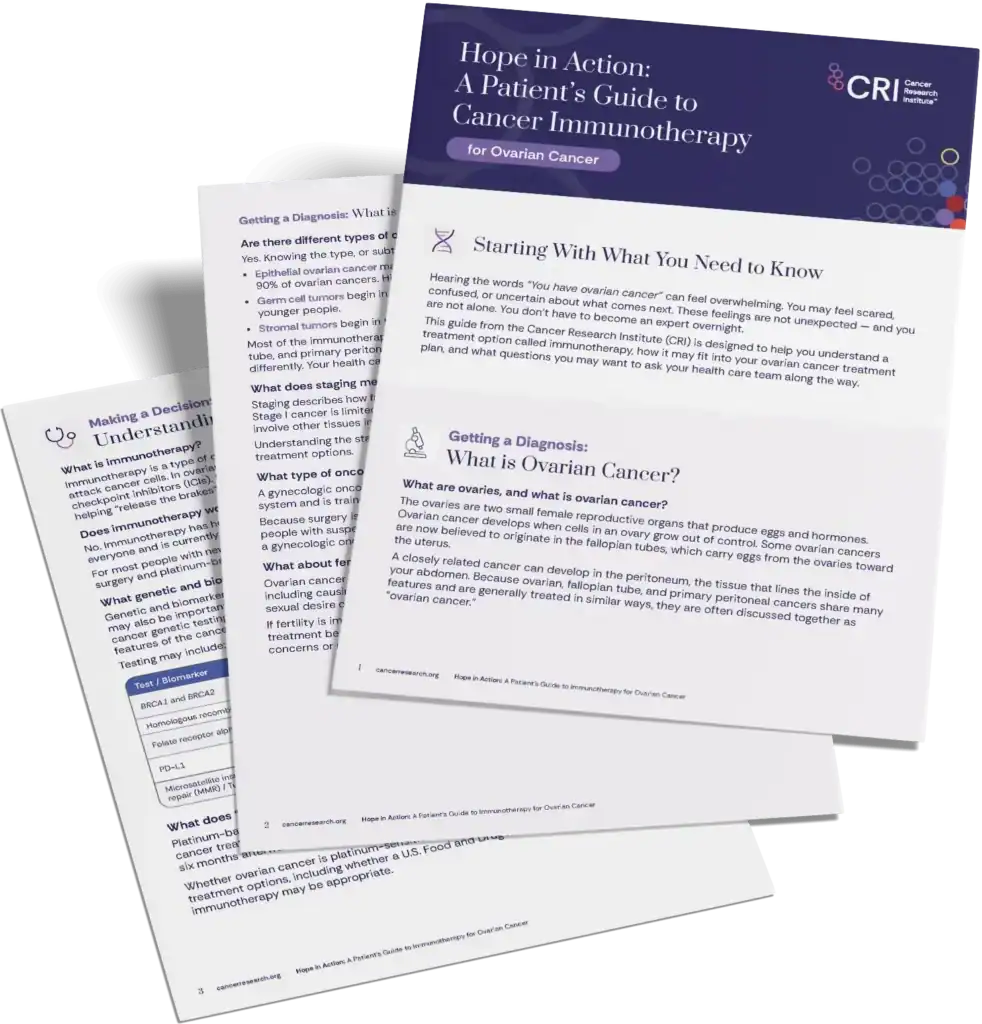
Ovarian cancer, a malignant growth originating in the ovaries or, as increasingly understood, the fallopian tubes, represents a formidable global health challenge. The ovaries, integral to the female reproductive system, produce eggs and hormones. While often presenting subtly, the disease is a leading cause of cancer-related mortality among women worldwide. Researchers have refined their understanding, now recognizing that a substantial proportion of what was previously categorized as ovarian cancer may actually originate in the fimbriae, the finger-like projections at the end of the fallopian tubes, or even in the peritoneum, the tissue lining the abdomen. This evolving understanding is crucial for developing more precise diagnostic and therapeutic strategies.
The statistics underscore the severity of the disease. In 2024, an estimated 331,000 women globally received an ovarian cancer diagnosis, with over 200,000 succumbing to the illness. Projections for 2026 in the United States anticipate approximately 21,010 new cases and 12,450 deaths. These figures highlight not only the incidence but also the aggressive nature of the disease and the challenges in achieving long-term survival.

One of the most significant hurdles in combating ovarian cancer is the difficulty of early detection. Unlike some other cancers, there are no universally effective screening tools for ovarian cancer. Symptoms, such as bloating, pelvic or abdominal pain, difficulty eating, or frequent urination, are often vague and can be easily mistaken for less serious conditions like irritable bowel syndrome or menopause. Consequently, a large percentage of diagnoses occur at advanced stages (Stage III or IV), when the cancer has already spread beyond the ovaries, making treatment considerably more complex and the prognosis less favorable. The five-year survival rate for ovarian cancer diagnosed at an early, localized stage can be as high as 92%, but it drops significantly to around 30% when diagnosed at a distant stage. This stark difference underscores the critical need for improved early detection methods and more effective treatments for advanced disease.
Vicky’s Battle: Tenacity Against a Rare Foe
Vicky Ann Michelis embodied a remarkable tenacity and an unwavering commitment to her convictions. Her defining characteristic was a profound empathy for those less fortunate, an instinct to stand with the struggling, and an aversion to pretension. Rob Malone recounts her professional life, noting that "if you were a bigwig and too impressed with yourself, she had very little regard for you. If you were a small person who was struggling, she was all about you." This philosophy permeated her personal life and her approach to her own health crisis.
Vicky’s personal battle began after she experienced symptoms of hypercalcemia, an abnormally high level of calcium in the blood, which can be a paraneoplastic syndrome associated with certain cancers. She was diagnosed with small cell carcinoma of the ovary, hypercalcemic type (SCCC-HT), an exceedingly rare and aggressive form of ovarian cancer. SCCC-HT accounts for less than 1% of all ovarian cancers, primarily affecting young women and often presenting at an advanced stage. Its rarity means limited research, fewer targeted therapies, and a generally poor prognosis, making Vicky’s initial response to treatment all the more extraordinary.
Rob recalls Vicky’s initial reaction to the diagnosis as remarkably objective. She approached it with the methodical determination of a researcher, meticulously investigating her options, consulting with various medical professionals, and becoming a resolute advocate for herself throughout her treatment journey. This intellectual and proactive stance, however, did not shield her from the emotional weight of the diagnosis. Rob vividly remembers a poignant phone call where the gravity of her situation finally settled in, with Vicky articulating, "They said the word ‘cancer,’ and they were talking about me." This moment underscores the universal human vulnerability in the face of such a life-altering diagnosis, even for the most resilient individuals.
A Period of Hope and Advocacy

Against considerable odds, after several arduous years of surgery and chemotherapy, Vicky achieved what appeared to be a victory against her cancer. This period of remission brought immense relief and ignited in her a profound desire to give back. Her personal experience had illuminated the formidable challenges in recognizing ovarian cancer, particularly due to its subtle symptoms that frequently lead to late-stage diagnoses.
Driven by a passion for awareness, Vicky established a small nonprofit organization dedicated to educating the public about ovarian cancer and its potential symptoms. Rob Malone describes this initiative simply as "her way of giving back," reflecting her innate generosity and commitment to helping others avoid the diagnostic delays she had experienced. The organization focused on empowering women with knowledge, encouraging them to be vigilant about their health, and advocating for early consultation with medical professionals if they experienced persistent, unexplained symptoms. This period of advocacy showcased her unwavering spirit and her determination to transform personal adversity into a catalyst for collective good.
However, the relentless nature of SCCC-HT resurfaced in 2017. Vicky’s cancer returned, initiating another grueling chapter in her fight. Rob recounts her exhaustive efforts: "She tried everything she could try. She looked for trials, and she went so aggressive with the treatments that it just weakened and harmed her." Despite her tenacious spirit and the relentless pursuit of every possible therapeutic avenue, including experimental treatments, the aggressive disease proved insurmountable. Vicky passed away in 2020, leaving behind a profound void but also an indelible legacy of generosity, compassion, and a fierce commitment to helping others. Her passing, though tragic, marked not an end but a transformation of her advocacy into an enduring charitable mission.
The Victoria Ann Michelis Fund: Extending a Hand to Many
Following Vicky’s passing, Rob Malone took on the solemn responsibility of managing her estate. In accordance with her wishes, the majority of her assets were directed towards a charitable fund, after specific bequests were made to her loved ones. This decision underscored Vicky’s foresight and her desire for her life’s values to continue resonating beyond her lifetime.
Named in her honor, the Victoria Ann Michelis Fund (VAMF) is a testament to her broad philanthropic vision. It strategically supports smaller, US-based nonprofit organizations working in areas that deeply resonated with Vicky’s compassionate nature. These include critical support for underserved children, animal welfare initiatives, and aid for individuals experiencing hunger, homelessness, or other vulnerabilities. This multi-faceted approach to philanthropy reflects Vicky’s expansive empathy, recognizing that suffering takes many forms and that all those in need deserve a champion.

Crucially, the fund also dedicates significant resources to cancer research and patient care. Rob Malone’s decision to partner with the Cancer Research Institute (CRI) for a substantial portion of the fund’s cancer research investments was a deliberate and deeply considered one. He explains his rationale, articulating Vicky’s frustration: "Vicky was frustrated that she kept being put down the same old chemotherapy paths for treatment, that there wasn’t something innovative or different that could have been done." This sentiment drove Rob to seek out organizations committed to exploring "other options," particularly those pursuing groundbreaking, unconventional approaches. CRI, with its singular focus on immunotherapy – a revolutionary field harnessing the body’s own immune system to fight cancer – perfectly aligned with Vicky’s desire for innovative solutions.
Pioneering Research at the Cancer Research Institute
The Victoria Ann Michelis Fund’s support for CRI is directly fueling transformative research projects. One such initiative is led by CRI Irvington Postdoctoral Fellow Dr. Hyung Jun Kim, who is at the forefront of investigating novel strategies to reengineer macrophages. Macrophages are a type of immune cell that plays a complex role in the tumor microenvironment; while some can kill cancer cells, others can inadvertently promote tumor growth and suppress anti-tumor immune responses. Dr. Kim’s research aims to reprogram these macrophages, transforming them into potent anti-cancer agents capable of more effectively targeting and eliminating solid tumors.
Solid tumors, which include ovarian tumors, have historically presented significant challenges for immunotherapy. Their dense, complex microenvironment is often characterized by immune-suppressive cells, physical barriers, and metabolic conditions that collectively hinder the ability of immune cells to infiltrate, recognize, and destroy cancer cells. Dr. Kim’s work directly addresses these challenges by seeking to overcome the suppressive effects of the tumor microenvironment. By re-educating macrophages, his research holds the potential to unlock new avenues for treating ovarian cancer and a wide array of other solid tumors, moving beyond conventional treatments that often have limited efficacy in advanced stages.
Beyond individual research projects, Rob Malone has also made a multiyear commitment through the fund to the CRI Discovery Engine. This ambitious, first-of-its-kind initiative is designed to standardize and generate high-quality, artificial intelligence (AI)-ready data from cancer research studies across various institutions and disciplines. The goal is to create a comprehensive, interoperable database that researchers can access and utilize to compare findings, identify subtle patterns, and build upon one another’s work with unprecedented efficiency.
Ovarian cancer is slated to be among the initial areas of focus for the Discovery Engine. The current landscape of cancer research is often fragmented, with data siloed within individual institutions or specific research groups, hindering collaborative progress. The CRI Discovery Engine seeks to dismantle these barriers, enabling scientists to leverage the power of big data and AI to accelerate discoveries in immunotherapy. By facilitating the rapid identification of biomarkers, the development of predictive models for treatment response, and the discovery of novel therapeutic targets, the initiative promises to expedite the development of new treatment options for difficult-to-treat tumors, ultimately providing more hope and extending lives for patients.
The Broader Impact: A Future with More Options
Vicky Ann Michelis adamantly refused to let cancer define her life, and similarly, it does not define her expansive legacy. Her profound impact resonates through the lives of those she loved, the causes she passionately championed, and the generosity that now flows forth in her name. The Victoria Ann Michelis Fund embodies the core principle that guided her life: an unwavering commitment to standing beside those who need an advocate, extending a hand to people and animals she never had the opportunity to meet personally.
The fund’s multi-pronged approach to philanthropy, spanning underserved communities, animal welfare, and cutting-edge cancer research, is a powerful reflection of Vicky’s holistic compassion. It underscores the belief that a truly meaningful legacy addresses suffering in all its forms, striving for a world where vulnerability is met with support and where scientific progress translates into tangible hope.
Crucially, her legacy lives on in the scientific advancements being pursued through the Cancer Research Institute. These initiatives are working tirelessly toward a future that Vicky envisioned but did not live to see: a future where individuals diagnosed with ovarian cancer are presented with a broader spectrum of effective treatment options, where hope is a more tangible reality, and where patients are granted the invaluable gift of more time with their loved ones. The Victoria Ann Michelis Fund stands as a beacon of hope, a testament to one woman’s enduring spirit, and a vital catalyst in the ongoing fight against cancer. It exemplifies how individual generosity, thoughtfully directed, can profoundly shape the trajectory of scientific discovery and humanitarian aid, offering a brighter outlook for countless lives yet to be touched.
