
 By Suherman Candra Maholtra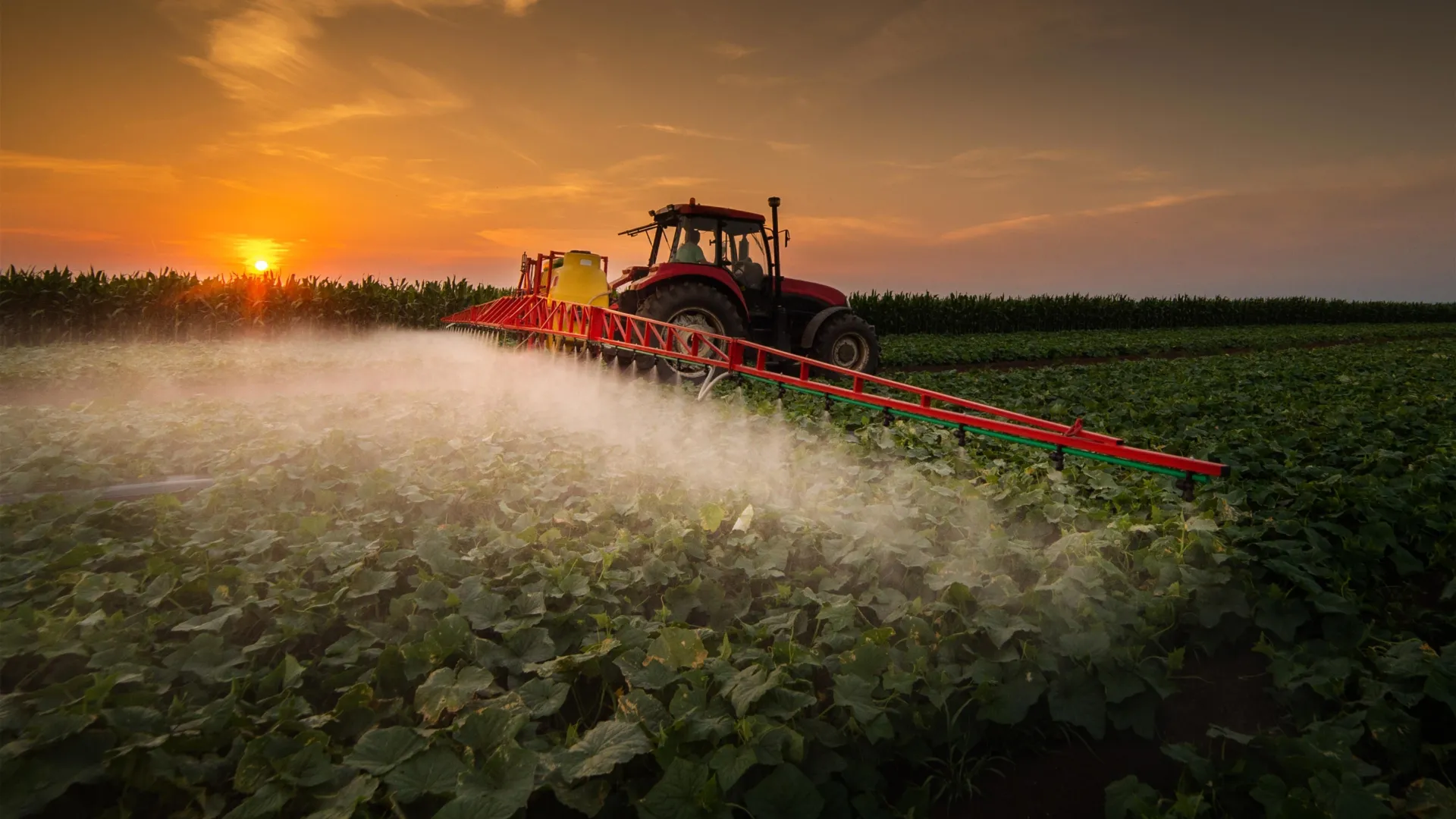
Residents in 15 South Central Pennsylvania counties are facing a significantly higher risk of melanoma, the most lethal form of skin cancer, according to a comprehensive study led by researchers at the Penn State Cancer Institute. The findings, published on November 14 in the journal JCO Clinical Cancer Informatics, suggest that the risk of melanoma extends beyond traditional factors like ultraviolet (UV) radiation exposure and recreational sun-seeking behavior, pointing instead toward environmental factors rooted in the state’s agricultural regions. By reviewing cancer registry data from 2017 through 2021, the research team discovered that adults over the age of 50 in these specific counties were 57% more likely to receive a melanoma diagnosis compared to residents in other parts of the state.
The study, led by a multidisciplinary team of dermatologists, public health scientists, and medical students, highlights a growing concern regarding the intersection of environmental exposure and public health. While melanoma is traditionally associated with excessive sun exposure and the use of tanning beds, this research indicates that the presence of cultivated cropland and the intensive use of herbicides may be significant contributing factors to the higher incidence rates observed in Pennsylvania.
Methodology and the Scope of the Penn State Analysis
To reach these conclusions, the research team conducted a rigorous analysis of the Pennsylvania Cancer Registry, focusing on a five-year window between 2017 and 2021. This period provided a robust dataset of newly diagnosed melanoma cases across the state’s 67 counties. The researchers specifically targeted adults aged 50 and older, a demographic that typically shows higher rates of skin cancer due to cumulative lifetime exposure to various carcinogens and environmental stressors.
The study utilized geographic information systems (GIS) to map cancer incidence against land-use data provided by the U.S. Department of Agriculture. By layering these datasets, the team could identify spatial correlations between the density of "cultivated cropland"—land used for crops such as corn, soybeans, and wheat—and the frequency of melanoma diagnoses. Furthermore, the researchers adjusted their findings to account for varying levels of ultraviolet radiation across the state, as well as socioeconomic factors like income and access to healthcare, to ensure that the agricultural link remained statistically significant.
The Statistical Link Between Cropland and Cancer Rates
The data revealed a striking correlation: for every 10% increase in the amount of cultivated land within a county, there was a corresponding 14% rise in melanoma cases. This association suggests that the landscape itself, or the practices required to maintain it, influences the health outcomes of the surrounding population.
The researchers also looked specifically at herbicide application. Herbicides, a subset of pesticides used to kill unwanted vegetation, are used extensively in modern industrial farming to ensure high crop yields. The study found that a 9% increase in land treated with herbicides was associated with a 13% increase in melanoma incidence. These figures remained consistent even when the researchers accounted for the "usual suspects" of skin cancer, such as high UV index areas.
Charlene Lam, an associate professor of dermatology at Penn State Health and a co-author of the study, noted that these elevated cases were not restricted to rural, sparsely populated areas. Instead, the higher risk appeared in both rural and urbanized counties within the 15-county South Central region. This suggests that the environmental influence of agriculture is not a localized issue for farmers alone but a regional concern for entire communities.
Beyond Occupational Hazards: The Impact of Environmental Drift
One of the most significant takeaways from the Penn State study is the democratization of risk. Traditionally, studies linking agricultural chemicals to cancer focused on "occupational exposure"—the risks faced by the farmers and laborers who physically handle, mix, and spray the chemicals. However, this new research suggests a "community-wide" exposure model.
"Melanoma is often associated with beaches and sunbathing, but our findings suggest that agricultural environments may also play a role," Lam said. "And this isn’t just about farmers. Entire communities living near agriculture, people who never set foot in a field, may still be at risk."
The mechanism for this community-wide exposure is often referred to as "environmental drift." Herbicides and other agricultural chemicals do not always stay where they are applied. They can become airborne, traveling on wind currents to neighboring residential areas. They can also settle into household dust, accumulate in local soil, or leach into groundwater and surface water sources used by the public. For residents living in the transition zones between suburban developments and active farmland, these invisible pathways may lead to chronic, low-level exposure over decades.
Biological Mechanisms: How Herbicides May Influence Skin Cancer
The study raises critical questions about how, exactly, herbicides could contribute to the development of melanoma. While the study proves association rather than direct causation, the researchers pointed to several biological theories that warrant further investigation.
Eugene Lengerich, emeritus professor of public health sciences at Penn State and the study’s senior author, explained that pesticides and herbicides are chemically engineered to disrupt biological systems. "Some of those same mechanisms, like increasing photosensitivity or causing oxidative stress, could theoretically contribute to melanoma development," Lengerich noted.
Photosensitivity is a condition where the skin becomes more sensitive to UV radiation following exposure to certain chemicals. If an individual is exposed to herbicides that induce photosensitivity, their "safe" time in the sun is effectively reduced, making their DNA more susceptible to damage from even moderate sunlight. Furthermore, many agricultural chemicals are known to cause oxidative stress—an imbalance between free radicals and antioxidants in the body—which can lead to DNA mutations and impaired immune responses. Earlier research cited in the study also suggests that certain pesticides can interfere with the body’s natural ability to repair DNA damage or suppress the immune system’s ability to identify and destroy burgeoning cancer cells.
Contextualizing Pennsylvania’s Agricultural Landscape
To understand the implications of this study, it is necessary to look at the specific agricultural profile of South Central Pennsylvania. This region, which includes counties such as Lancaster, York, Adams, and Cumberland, is among the most productive farming areas in the Northeastern United States. These counties are characterized by a "checkerboard" pattern of land use, where high-density residential developments sit directly adjacent to large-scale operations for corn, soybeans, and forage grains.
In these environments, the use of herbicides like glyphosate, atrazine, and 2,4-D is common practice. These chemicals are essential for the "no-till" farming methods often promoted for soil health and runoff prevention, but they also result in high volumes of chemical application throughout the growing season. The Penn State study suggests that the very proximity of these two worlds—the residential and the industrial-agricultural—may be creating a unique health profile for the region.
Global Parallels and Previous Research
The findings in Pennsylvania do not exist in a vacuum. The Penn State team noted that similar trends have been identified in other agricultural hubs around the world. In the United States, research in Utah has previously suggested links between agricultural chemical exposure and skin cancer. Internationally, studies in the farming regions of Poland and Italy have also signaled that populations living in high-intensity agricultural areas exhibit different cancer patterns than those in non-farming regions.
A 2014 study published in the journal Environmental Health Perspectives also found that certain pesticides were associated with an increased risk of melanoma among licensed pesticide applicators. The Penn State study builds upon this foundation by suggesting that the risk is not just for the applicators, but for the general population residing within the "chemical footprint" of these operations.
Limitations and the Importance of a "Signal"
Despite the strong correlations found, the researchers were careful to frame their findings as a starting point for deeper inquiry rather than a definitive verdict. Benjamin Marks, the study’s first author and a medical and public health student at the Penn State College of Medicine, emphasized that many factors contribute to melanoma.
"Think of this as a signal, not a verdict," Marks said. "The data suggest that areas with more cultivated land and herbicide use tend to have higher melanoma rates, but many other factors could be at play like genetics, behavior or access to health care."
For instance, residents in South Central Pennsylvania may have different outdoor recreation habits, or there may be genetic clusters that predispose certain populations to skin cancer. However, the fact that the correlation remained strong even after adjusting for UV levels and socioeconomic status suggests that the agricultural component is a "signal" that cannot be ignored by public health officials.
The One Health Framework and Future Directions
The study advocates for a "One Health" approach to public health and environmental policy. This framework recognizes that human health is inextricably linked to the health of animals and the shared environment. In the context of the Penn State study, a One Health approach would require collaboration between oncologists, environmental scientists, agricultural experts, and policymakers.
"Cancer prevention can’t happen in isolation," Lengerich said. "If herbicides and farming practices are contributing to melanoma risk, then solutions must involve not just doctors, but farmers, environmental scientists, policymakers and communities working together."
As part of the next phase of this research, Charlene Lam is leading studies within rural communities in the affected 15-county area. These studies aim to move from broad registry data to individual-level data, learning more about specific farming practices, chemical types used, and the exact pathways through which residents may be exposed. This granular data will be essential for developing targeted interventions and more precise safety guidelines for agricultural chemical use.
Public Health Recommendations and Protective Measures
While the scientific community works to untangle the complexities of environmental melanoma risk, health experts are urging residents in agricultural areas to take proactive steps. The standard advice for skin cancer prevention—wearing sun-protective clothing, using broad-spectrum sunscreen, and avoiding peak sun hours—remains the first line of defense. However, the study suggests that for those in South Central Pennsylvania, these measures are even more critical.
Lam encouraged residents to perform routine skin self-checks and to seek professional dermatological screenings, especially if they live near cultivated land. "Understanding these patterns helps us protect not just farmers, but entire communities living near farmland," she noted.
From a policy perspective, the study may eventually influence regulations regarding chemical drift and "buffer zones" between agricultural fields and residential neighborhoods. If further research confirms that herbicide drift is a primary exposure route, stricter application standards or the promotion of alternative weed-management strategies could become a public health priority in the state of Pennsylvania.
The research was supported by several institutions, including the MPH Capstone Program and the Medical Student Research Project at the Penn State College of Medicine, as well as the University’s Algin B. Garrett Professorship. Co-authors included Jiangang Liao and Camille Moeckel, reflecting a cross-disciplinary effort to address a complex regional health challenge. As the state continues to balance its rich agricultural heritage with the health of its growing population, the findings from Penn State provide a vital roadmap for future environmental and medical research.
