
 By Budi Oetomo Narendra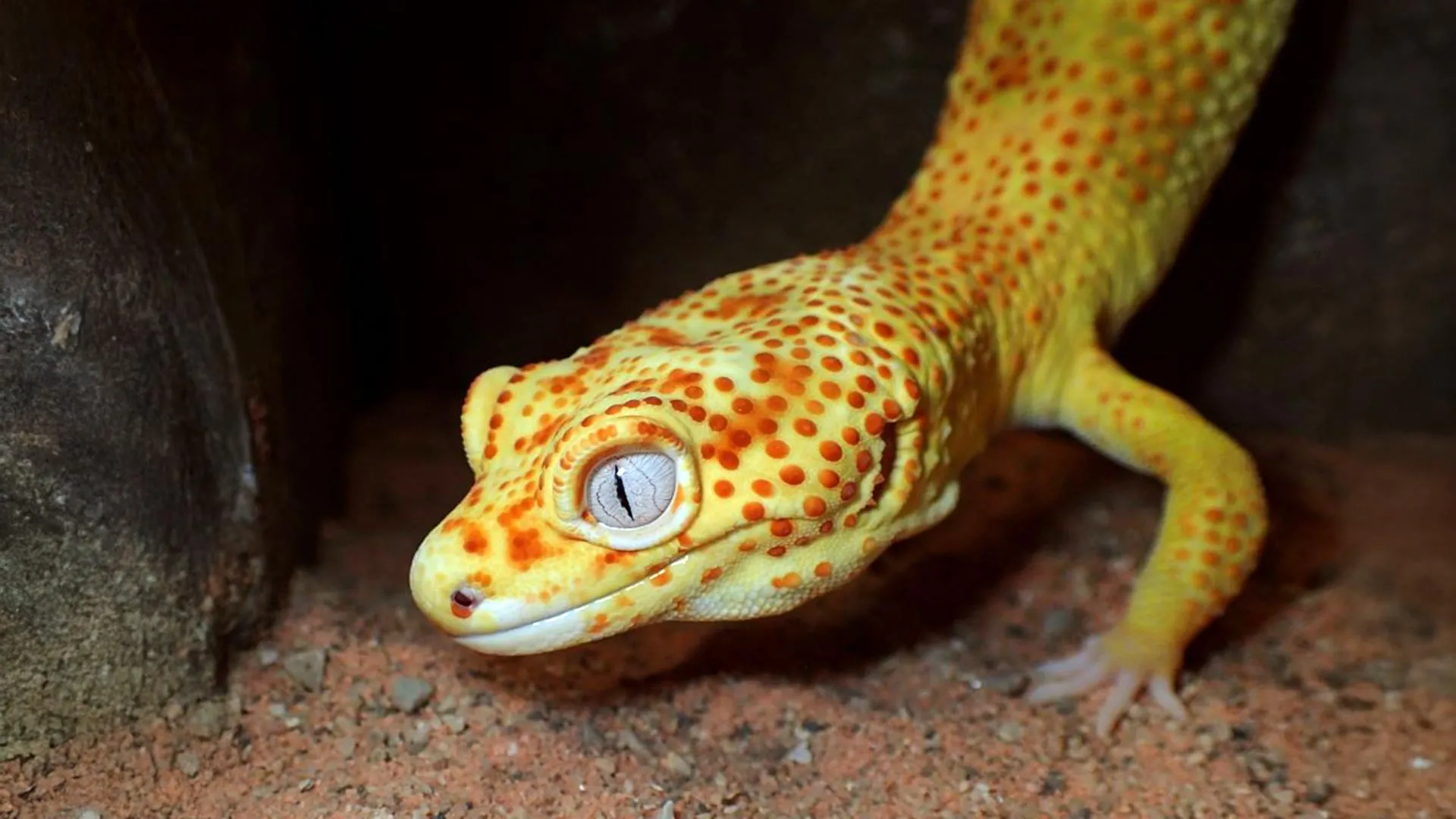
Scientists have identified the "lemon frost" leopard gecko, a distinctive white and yellow morph, as a unique and naturally occurring model for understanding the complex mechanisms of cancer development and progression. This remarkable reptile, which develops aggressive tumors in approximately 80% of individuals, offers an unprecedented opportunity to observe cancer in its natural state, providing valuable insights into why some species exhibit high vulnerability to the disease while others demonstrate remarkable resistance. The groundbreaking research, spearheaded by the University of Nottingham and recently published in BMC Biology, has unveiled genetic alterations in these geckos that strikingly parallel those found in human cancers, thereby opening new avenues for advancing oncology research.
The Enigma of Species-Specific Cancer Susceptibility
Cancer, a disease characterized by uncontrolled cell growth, is a universal biological phenomenon affecting diverse life forms, from plants to humans. However, the prevalence and types of cancer vary dramatically across the animal kingdom. While some species, such as sharks and certain turtles and tortoises, are widely perceived to possess a degree of cancer resistance – though not absolute immunity – others, like the lemon frost gecko, display an alarming susceptibility. For instance, turtles and tortoises are known for their longevity and relatively low incidence of neoplastic diseases, a stark contrast to the aggressive tumor development observed in the leopard gecko morph. This disparity has long fascinated scientists, suggesting that evolutionary pressures and species-specific genetic adaptations play crucial roles in modulating cancer risk. Understanding these natural defenses and vulnerabilities could unlock novel strategies for cancer prevention and treatment in humans.
The University of Nottingham-led study delved into this enigma by focusing on the lemon frost leopard gecko (Eublepharis macularius). This particular morph, prized in the pet trade for its striking aesthetics, emerged from a spontaneous genetic mutation during selective breeding. What initially appeared as a desirable trait – the vivid white and yellow coloration – soon revealed a tragic hidden cost: a profoundly increased predisposition to aggressive, often metastatic, melanomas and other tumors.
A Spontaneous Mutation and a Scientific Opportunity
The story of the lemon frost gecko begins in the world of reptile breeding, where enthusiasts meticulously select for novel color patterns and morphological traits. Around the early 2010s, a unique gecko with a distinct white and yellow appearance emerged from a large breeding colony. This "lemon frost" morph quickly gained popularity, captivating breeders and pet owners alike. However, within a few years, a concerning pattern became undeniable: a significant proportion of these geckos began developing skin tumors, often at a relatively young age. These growths were not benign; they were aggressive, frequently spread to internal organs, and proved fatal for many individuals. The observed incidence rate, approximately 80%, was extraordinarily high, far exceeding typical cancer rates in wild or other selectively bred gecko populations.
This unfortunate consequence of selective breeding, while tragic for the animals, presented an unparalleled scientific opportunity. Unlike conventional laboratory models, such as mice, where tumor growth often needs to be artificially induced through carcinogens or genetic engineering, the lemon frost gecko develops cancer naturally. This spontaneous onset, coupled with the early age of presentation and the frequent metastasis of tumors, provides researchers with a living, evolving model to observe the entire trajectory of cancer—from initiation to spread—under physiologically relevant conditions. This naturalistic approach holds significant advantages over artificial induction, as it more closely mimics the complex biological processes at play in human cancer development.
Unraveling the Genetic Blueprint of Gecko Cancer
To understand the molecular underpinnings of this extreme cancer susceptibility, the international research team, led by Dr. Ylenia Chiari from the School of Life Sciences at the University of Nottingham, embarked on a comprehensive genetic investigation. The team, which included PhD researcher Brandon Hastings (University of Nottingham), Dr. Scott Glaberman (University of Birmingham), Dr. Tony Gamble (Marquette University), Dr. Robert Ossiboff (University of Florida), and Virginia Gazziero and Dr. Giulio Caravagna (University of Trieste), employed advanced whole-genome sequencing techniques.
They meticulously compared DNA from tumor samples with healthy tissue taken from the same affected geckos. This approach allowed them to pinpoint specific genetic mutations and alterations that were consistently present in the cancerous cells but absent in the healthy ones. The findings were striking: a recurring set of genetic changes was identified across the tumors, indicating a common molecular pathway driving the disease in these geckos.
Crucially, many of the genes and biological pathways identified as altered in the lemon frost gecko tumors are well-known players in human cancers. These include genes involved in cell cycle regulation, DNA repair, and cellular differentiation, many of which act as proto-oncogenes (genes that can promote cancer when mutated) or tumor suppressor genes (genes that normally prevent cancer but can contribute to its development when inactivated). This remarkable genetic concordance suggests a deep evolutionary conservation of cancer mechanisms across vertebrates, implying that insights gained from studying these geckos could have direct relevance to human oncology. For instance, the type of aggressive skin cancer observed in these geckos often shares histological and molecular similarities with melanoma in humans, a highly aggressive form of skin cancer.
Beyond the Lab Mouse: The Value of Comparative Oncology
Dr. Ylenia Chiari emphasized the potential of this unique model: "By studying why some animals are so susceptible to cancer while others are remarkably resistant, we hope to uncover the different ways species have evolved to deal with cancer. Specifically, this gecko could become an incredible model in cancer research because tumors appear naturally at a relatively early age. Together, these natural strategies could inspire new ways of preventing, detecting, and treating cancer in humans."
Traditional cancer research has heavily relied on a limited number of animal models, primarily laboratory mice and rats. While invaluable, these models often have limitations, particularly in replicating the full complexity of human cancers, including spontaneous onset and metastasis. The lemon frost gecko offers a powerful complement to these established models. Its natural predisposition to aggressive, metastatic tumors provides a unique window into the disease’s natural history, allowing scientists to observe how cancer initiates, progresses, and spreads without artificial intervention. This is particularly significant for studying metastasis, the process by which cancer cells spread from the primary tumor to distant sites, which remains the leading cause of cancer-related deaths in humans and is notoriously difficult to model accurately.
Brandon Hastings, a PhD researcher and co-author of the study, highlighted the broader implications of this comparative approach: "Overall, our paper demonstrates the importance of looking across the tree of life in search of answers that are needed to better understand diseases that can have a profound impact on human life, such as cancer. Methodologically, it also highlights that the variety of genomic software programs developed to analyze human cancers can be adapted to provide meaningful insights in diverse organisms." This underscores the interdisciplinary nature of modern biomedical research, where tools and knowledge developed for one species can be effectively repurposed to shed light on fundamental biological processes in others.
Biodiversity as a Reservoir of Medical Solutions
The findings also resonate with a growing movement in biomedical science: comparative oncology. This field seeks to leverage the vast diversity of life on Earth to understand cancer better. By examining how different species evolve unique ways to either resist or succumb to cancer, researchers hope to identify novel biological mechanisms that could be harnessed for human benefit. The "Petos’ Paradox," for example, describes the observation that cancer incidence does not correlate with body size or lifespan across species, challenging the simple expectation that larger, longer-lived animals with more cells should have higher cancer rates. Animals like elephants, despite their enormous size and long lifespan, have remarkably low cancer rates, attributed in part to extra copies of tumor suppressor genes like TP53. Conversely, the lemon frost gecko represents the other end of the spectrum, offering insights into extreme susceptibility.
Dr. Scott Glaberman of the University of Birmingham eloquently articulated the profound value of this broad perspective: "We often look inward to solve human problems, but every species has something to teach us. By studying both animals that are vulnerable to cancer and those that resist it, we have far greater power to understand the disease itself. This is one of the many reasons why protecting biodiversity is so important." His statement underscores a crucial message: the solutions to some of humanity’s most pressing health challenges may lie hidden within the natural world’s rich tapestry of life. The ongoing loss of biodiversity, therefore, not only represents an ecological tragedy but also a potential loss of invaluable biomedical knowledge.
Broader Implications and Future Directions
The research on lemon frost geckos carries several significant implications, extending beyond basic scientific understanding.
For Human Cancer Research: The identification of shared genetic pathways means that therapies developed to target these pathways in humans could potentially be tested or refined using the gecko model. Conversely, understanding the specific vulnerabilities in the gecko could highlight new therapeutic targets for human cancers that share similar genetic profiles, such as certain melanomas or epithelial cancers. The natural metastasis observed in geckos is particularly valuable for studying drug resistance in metastatic disease and for developing anti-metastatic therapies.
For Animal Health and Welfare: The study provides crucial information for veterinary science. Understanding the genetic basis of cancer in lemon frost geckos can lead to better diagnostic tools, more targeted treatments for affected pets, and potentially even genetic screening protocols to identify carriers of the susceptibility gene. Furthermore, it raises ethical considerations for selective breeding practices in the pet trade. Breeders, often driven by aesthetic desires, may inadvertently perpetuate traits that compromise animal welfare. This research highlights the importance of genetic health screening and responsible breeding practices to avoid the proliferation of disease-prone morphs.
For Conservation and Biodiversity: As Dr. Glaberman noted, the study reinforces the intrinsic value of biodiversity. Every species, regardless of its perceived importance, holds unique biological lessons. Protecting diverse ecosystems and the species within them is not just an environmental imperative but also a medical one, as these organisms represent an untapped reservoir of solutions to human diseases.
Future Research: The next steps in this research will likely involve functional studies to precisely determine how the identified genetic mutations contribute to tumor initiation and progression. This could include gene editing experiments to mimic or correct these mutations, allowing researchers to observe their direct impact on cancer development. Additionally, longitudinal studies tracking the disease progression in individual geckos, combined with detailed pathological analyses, could provide a more comprehensive understanding of the natural history of these cancers. The gecko model could also be used for preclinical testing of novel cancer drugs, offering a faster and potentially more accurate screening platform than current in vitro or less representative in vivo models for certain cancer types.
In conclusion, the humble lemon frost leopard gecko, an animal initially bred for its striking beauty, has inadvertently become a beacon of hope in the ongoing battle against cancer. Its unique genetic vulnerability offers a profound opportunity to unravel the fundamental mysteries of this complex disease, promising to yield insights that could ultimately transform human health and deepen our appreciation for the intricate biological tapestry of life on Earth.
